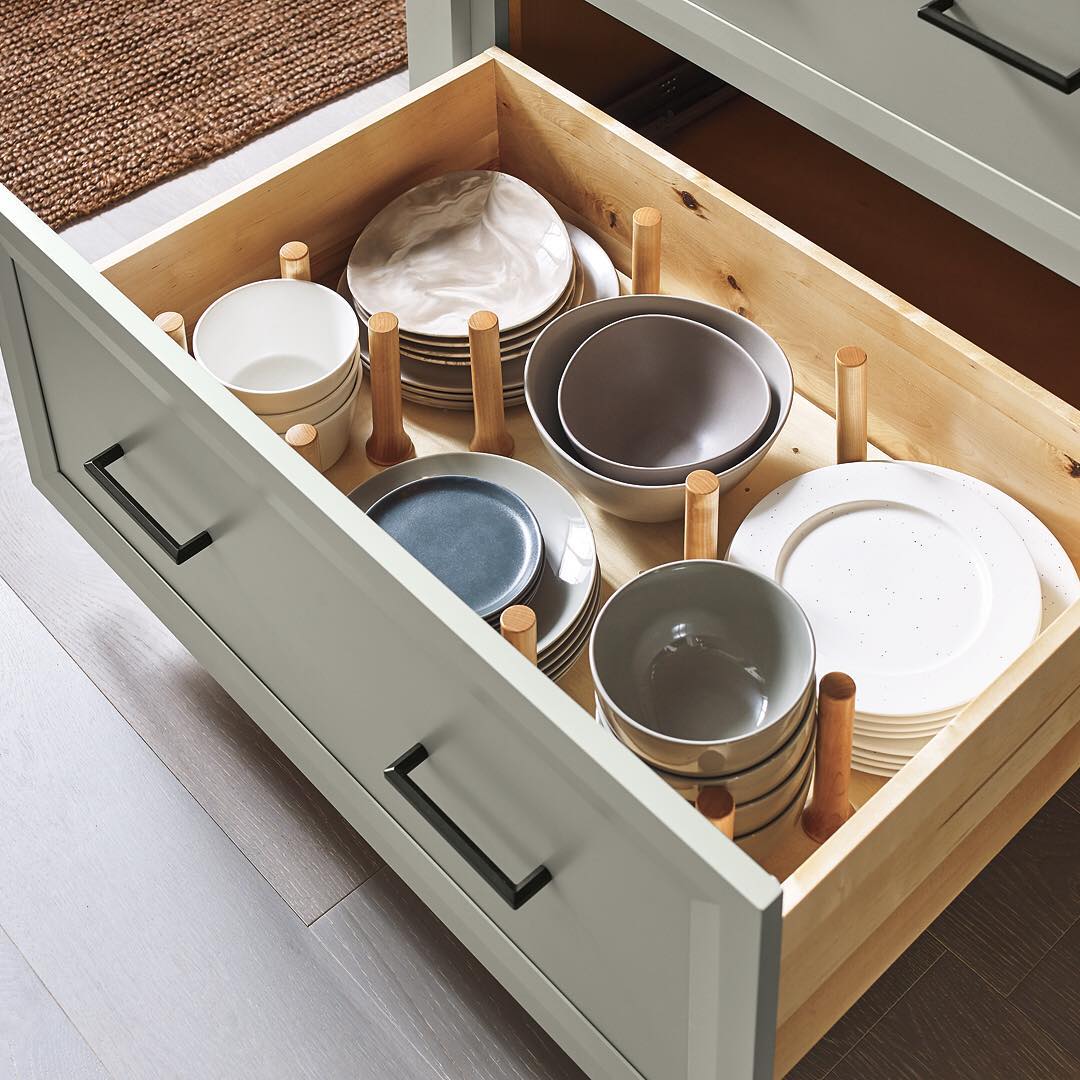
Store like items together, declutter first, use tiers and trays for easy access.
I’ve spent years helping people make kitchens work better. I know how to organize a kitchen cabinet for the storage of tableware so it is safe, tidy, and fast to use. This guide gives clear steps, simple tools, and real tips I learned from organizing dozens of homes. Read on to save space, cut stress, and keep your plates, bowls, cups, and utensils ready for every meal.
:max_bytes(150000):strip_icc()/how-to-organize-dishes-GettyImages-628483810-6c77a790a90342f8988aba3a9e2e5d60.jpg)
Why organized cabinets matter
An organized cabinet keeps tableware safe and ready. When you know how to organize a kitchen cabinet for the storage of tableware, you save time and reduce breakage. Good organization helps with meal prep. It also makes cleaning and restocking faster.
I once opened a cabinet and found cups stacked dangerously. After reorganizing, the family stopped chipping glasses. Small changes make a big difference.

How to organize a kitchen cabinet for the storage of tableware: Step-by-step
Follow these steps to get fast results. The phrase how to organize a kitchen cabinet for the storage of tableware is the core goal. Each step is short and practical.
- Empty the cabinet
- Remove everything. Wipe shelves and check for damage.
- Sort and group
- Put plates, bowls, cups, glasses, and utensils into piles. Discard chips and cracked items.
- Measure the space
- Note shelf height, depth, and door swing. Measure tall items like pitchers.
- Plan zones
- Reserve one shelf for everyday tableware. Use another for guests or special sets.
- Add storage helpers
- Use risers, shelf inserts, and trays to increase usable space.
- Place items by weight and use
- Heavy plates go low. Lightweight cups go higher.
- Label if helpful
- Label shelf edges or bins for family members and guests.
- Test and tweak
- Use the cabinet for a week. Move things that are hard to reach.
When you practice how to organize a kitchen cabinet for the storage of tableware this way, you create a cabinet that works for your routine.

Best storage solutions and accessories
Choosing the right tools makes organizing simple. Think of accessories as helpers that extend space.
- Shelf risers to stack plates or cups safely.
- Plate racks to store plates vertically and save depth.
- Tiered shelves for mugs and bowls.
- Clear plastic bins for matching sets and lids.
- Non-slip liners to prevent sliding.
- Stemware racks or hanging holders for wine glasses.
I often use inexpensive risers and clear bins. They make a cabinet look neat and make items easy to find. Investing in a few pieces will save time every day.

Organizing plates, bowls, and stackable items
Plates and bowls form the bulk of tableware. Arrange them for safety and quick reach.
- Place dinner plates on the lowest usable shelf.
- Stack bowls by size, smallest on top.
- Use a plate rack if shelf depth is limited.
- Leave a finger or two of space between stacks to lift items easily.
When I organized my own cabinets, I moved plates lower and put everyday bowls closer to the dishwasher. That small change cut loading time in half. Remember to keep fragile sets in a safer spot.

Storing glasses, mugs, and stemware safely
Glassware chips easily. Protect it with simple steps.
- Store everyday mugs on a middle shelf for easy reach.
- Hang stemware or use a stemware rack to save shelf space.
- Place glasses upside down on a soft liner to keep dust out.
- Avoid crowding; give tall glasses room so they don’t knock together.
I once lost a set of wine glasses because they were too close. After adding a small hanging rack, the risk of breakage went down a lot.
:strip_icc()/drawer-storage-dishes-bowls-separators-7482ca26-843c9b1c0fbe4b65a1a45a43aced9333.jpg)
Flatware, serving utensils, and small items
Small items need clear homes to avoid drawer chaos.
- Use divided trays or bins to sort forks, spoons, and knives.
- Keep serving utensils in a shallow bin or on a shelf near plates.
- Reserve a small shelf for salt, pepper, and daily condiments if space allows.
- Group seldom-used items together and store them higher up.
A tray with labeled sections makes setting the table faster. I keep daily flatware closest to the dishwasher for quick put-away.
:max_bytes(150000):strip_icc()/AFreshSpace-1-b6cbf8ed77064e6c8502b9ab7a0c3998.jpg)
Tips for small or deep cabinets
Not all cabinets are ideal. Use smart tactics to stretch space.
- Use vertical storage to make use of height.
- Install pull-out trays or rolling shelves for deep spaces.
- Add adhesive hooks on the inside door for lightweight tools.
- Stack clear bins so you can pull the front one without disturbing the back.
I converted a deep cabinet with a pull-out shelf and now nothing gets lost at the back. These small upgrades add big convenience.
:strip_icc()/open-shelving-kitchen-wallpaper-4cf392d3-2d68c3033ca4494780af0f9c1edb9401.jpg)
Maintenance and seasonal reset
A little upkeep keeps order long-term.
- Do a quick weekly check after unloading the dishwasher.
- Every three months, declutter and re-evaluate what you use.
- Replace liners if stained or worn.
- Re-balance shelves after hosting or holiday dinners.
I do a seasonal reset before holidays. That helps me find serving pieces fast and avoids last-minute scrambling.
Common mistakes to avoid
A few habits undo good organization quickly. Avoid these pitfalls.
- Overcrowding shelves so items are hard to get.
- Storing heavy items up high where they can fall.
- Ignoring cabinet measurements before buying organizers.
- Failing to group items by use and frequency.
Teaching family members the system helps. Clear rules and labels make habits stick.
Frequently Asked Questions of How to organize a kitchen cabinet for the storage of tableware
What is the first step to organizing a cabinet for tableware?
Empty the cabinet and clean it. Sorting items into groups is the next key step to see what you have.
How do I keep fragile items safe in a cabinet?
Use risers, liners, and vertical plate racks. Store fragile items away from high-traffic zones and heavy items.
Can I store glassware upside down?
Yes. Storing glassware upside down on a soft liner helps keep dust out and protects rims from chipping.
What is the best shelf for plates and bowls?
Put heavy plates on a low shelf and everyday bowls at mid-shelf height for easy access. Keep rarely used items higher.
How often should I reorganize my tableware cabinet?
Do a small check weekly and a full reset every three months or after major events. This keeps clutter from building.
Are pull-out shelves worth the cost for deep cabinets?
Yes. Pull-out shelves make deep space usable and prevent items from getting lost at the back.
Conclusion
You can make your kitchen calm and efficient by learning how to organize a kitchen cabinet for the storage of tableware. Start by decluttering, measure your space, and add simple tools like risers, racks, and trays. Small changes lead to smoother meal prep and fewer broken pieces.
Try one change today: move your everyday plates to the most reachable shelf. If it works, add another fix next week. Share your results or ask a question below and subscribe for more practical home tips.