
Use your KitchenAid food processor by assembling the bowl, choosing the blade, adding ingredients, and pulsing or running.
I have spent years testing and teaching home cooks how to use kitchenaid food processor. This guide gives clear, practical steps and smart tips. You will learn safe setup, blade choices, chopping and pureeing techniques, cleaning hacks, and common fixes. Read on to get confident with your machine and make fast, consistent meals every day.

Why a KitchenAid food processor deserves a spot in your kitchen
A KitchenAid food processor saves time and upgrades results. It handles chopping, shredding, slicing, mixing, and dough work with ease. Learning how to use kitchenaid food processor helps you produce uniform cuts and consistent textures, every time.
I chose a KitchenAid model years ago because of its sturdy motor and reliable attachments. It replaced many small tools on my counter and let me prep quickly for weeknight meals and batch cooking. If you want to speed up prep and make better sauces, learn how to use kitchenaid food processor well.
Know the main parts and safety essentials
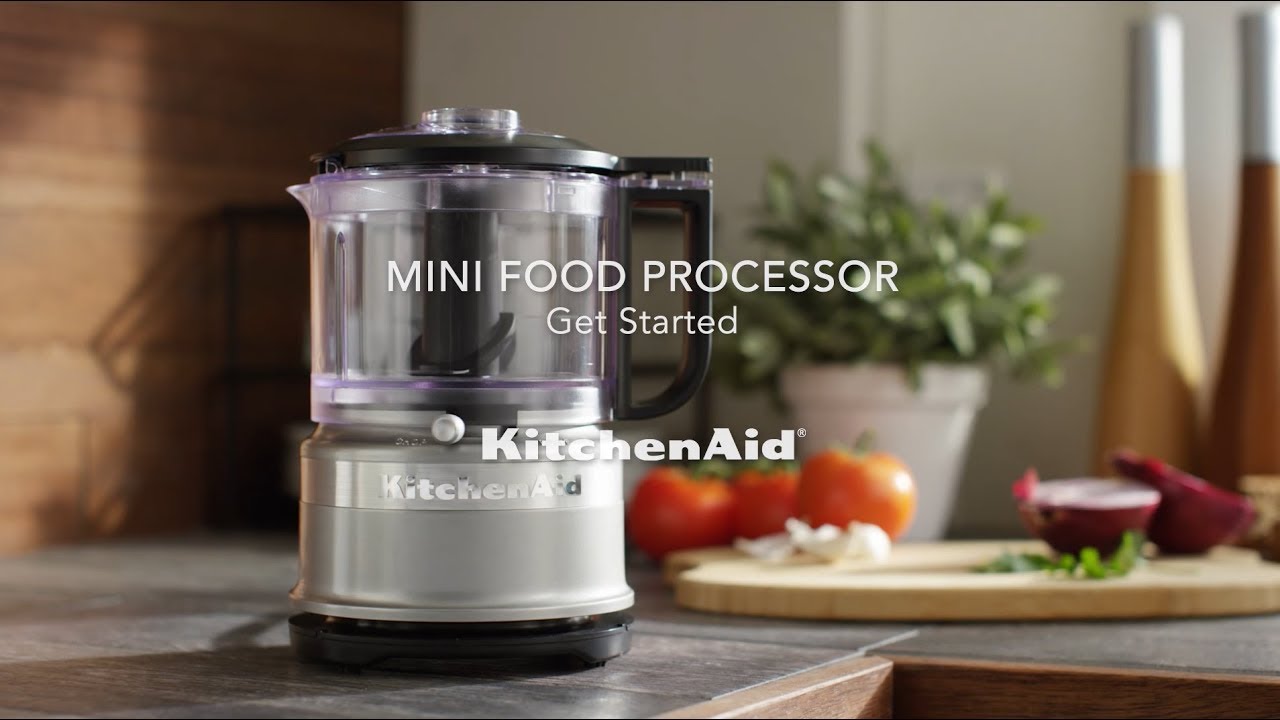
Understanding parts makes setup fast and safe. Most KitchenAid food processor kits include the motor base, feed tube lid, work bowl, multipurpose blade, shredding and slicing discs, dough blade, and a pusher.
Key safety rules:
- Always unplug the unit before removing or installing blades. This avoids accidental start-up and cuts.
- Lock the bowl and lid securely. The processor won't run unless locked, but double-check before powering on.
- Use the pusher for the feed tube. Never use fingers or utensils while running.
- Start with low speed or pulse to control texture and avoid over-processing.
Knowing how to use kitchenaid food processor starts with respect for these parts and precautions.
Step-by-step: basic setup and first run
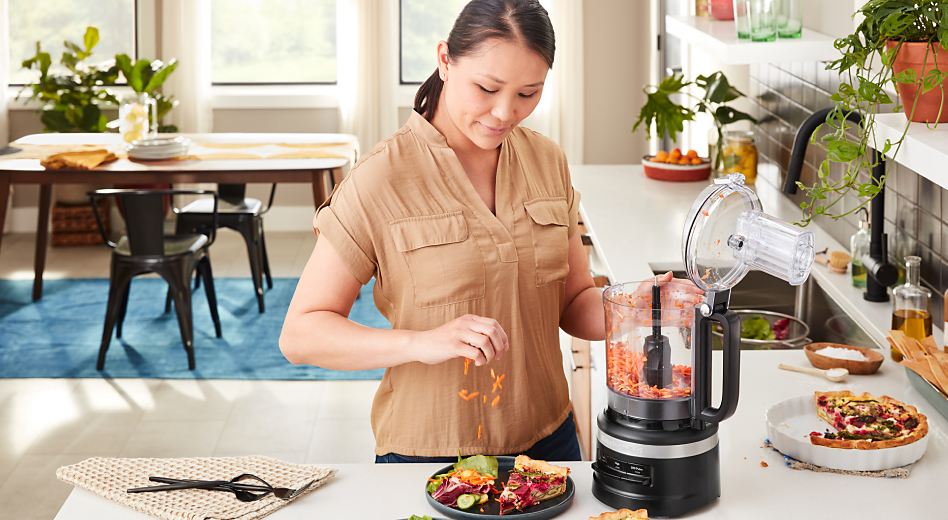
Follow these steps to get your first successful run:
- Unbox and inspect. Ensure bowl, lid, and blades are clean and undamaged.
- Place the motor base on a flat, dry surface. Plug in the unit.
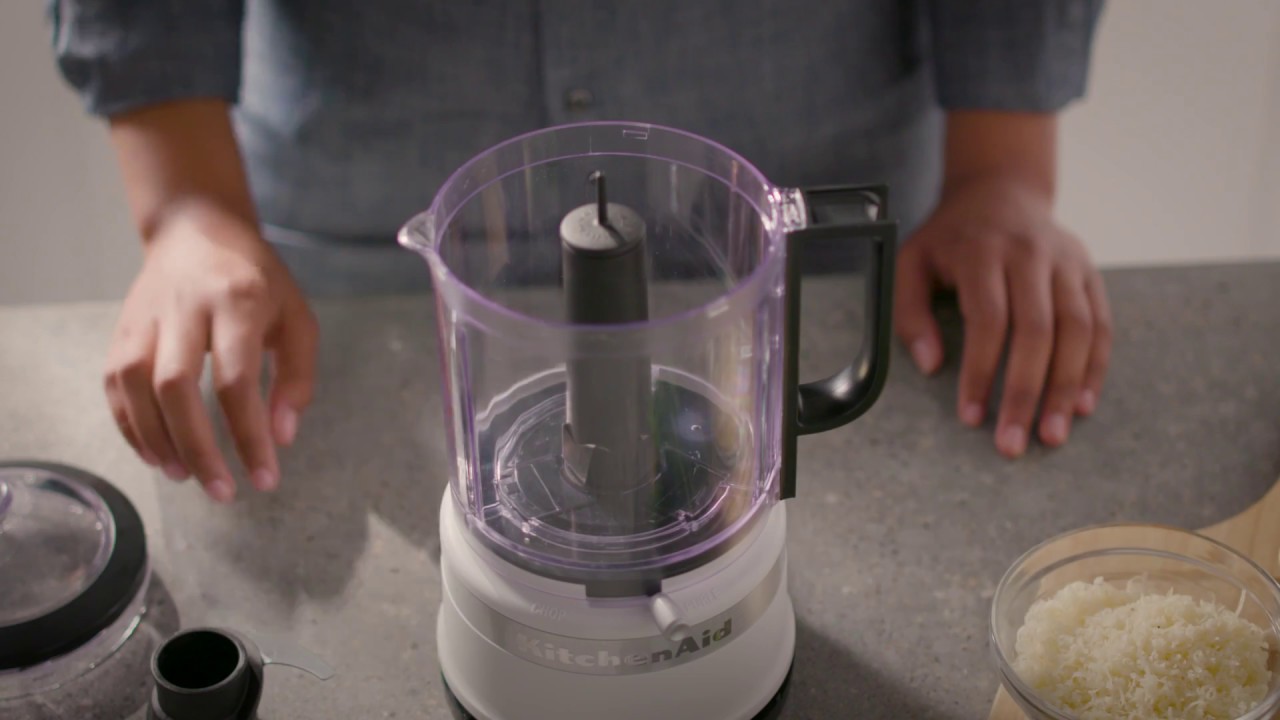
- Lock the work bowl onto the base by twisting until it clicks. Add the chosen blade or disc.
- Secure the lid and insert the pusher in the feed tube.
- Add ingredients. For even results, cut large items into 1- to 2-inch pieces.
- Start with short pulses. Pulse 1–3 times to test texture. Move to continuous low speed if needed.
- Stop, open the lid, scrape the bowl, and check consistency. Repeat as necessary.
These steps explain how to use kitchenaid food processor safely and effectively for everyday tasks.
Choosing blades and discs for common jobs
Match the blade to the task for best results. Here’s what to use:
- Multipurpose blade: Good for chopping, pureeing, and mixing wet and dry ingredients.
- S-blade (metal): Best for coarse chop, making pesto, and purees.
- Dough blade: Use for kneading dough up to recipe limits.
- Slicing disc: Lets you slice vegetables thinly and evenly.
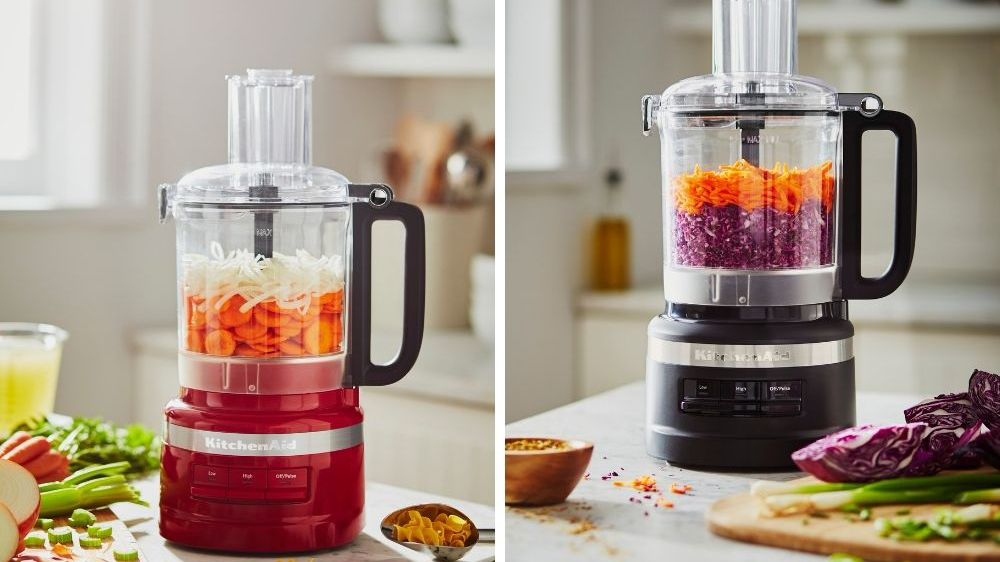
- Shredding disc: Ideal for cheese, cabbage, and root vegetables.
- Julienne discs: Create matchstick cuts for salads and stir-fries.
Knowing which tool to use is core to how to use kitchenaid food processor well. Test small batches first to dial in timing.
Practical techniques for top results
Short pulses control texture. Use these techniques:
- For coarse chop: Pulse 3–6 times, check, then pulse more if needed.
- For fine mince: Use continuous low speed and stop to scrape once.
- For purees and smoothies: Add liquid in stages to avoid glugs. Start pulsing then blend.
- For dough: Use the dough blade and keep to the recipe’s capacity and time limit.
- For slicing: Feed items evenly and avoid overfilling the tube.
A tip from my kitchen: When shredding cheese, chill the block first. It shreds cleaner and faster. These small moves show how to use kitchenaid food processor like a pro.

Cleaning and maintenance (simple, fast routines)
Keeping the machine clean extends life and performance. Do this after each use:
- Unplug and disassemble. Remove blades and discs carefully.
- Rinse or soak sticky parts. Use warm, soapy water and a soft brush for crevices.
- Most bowls and discs are dishwasher-safe on top rack. Check your model manual.
- Wipe the motor base with a damp cloth. Never submerge the base in water.
- Dry all parts fully before reassembly to prevent odors and rust.
A small habit: store blades wrapped in a cloth or in their sleeve to avoid nicks and accidental cuts. These steps keep your unit running and show long-term care if you want to know how to use kitchenaid food processor safely for years.

Troubleshooting and common mistakes to avoid
If something goes wrong, check these items first:
- Machine won’t start: Ensure bowl and lid are locked and power cord is plugged in.
- Uneven chop: Don’t overload the bowl. Chop in batches and use pulses.
- Swampy puree: Add liquid slowly. Over-blending can warm food and change texture.
- Dough won’t form: Check dough hydration and don’t exceed motor capacity.
- Loud noise or smell: Stop immediately. Let the motor cool and inspect for stuck food or worn parts.
My own mistake: I once pressed continuous speed on soft herbs. The herbs turned into paste quickly. Now I always pulse herbs. Learning these fixes helps you master how to use kitchenaid food processor without costly errors.
Top recipes and ideas to try first
Start with easy wins that show the machine’s value:
- Fresh salsa: Rough chop onion and tomato, pulse with cilantro and jalapeño to preferred chunkiness.
- Quick pesto: Pulse basil, garlic, nuts, and cheese while drizzling oil until smooth.
- Shredded coleslaw: Use shredding disc for uniform strands in seconds.
- Mashed potatoes: Use the multipurpose blade for smooth mash; add warm milk gradually.
- Pizza dough: Use the dough blade and follow recipe time; rest the dough after processing.
These recipes teach practical ways to use kitchenaid food processor for daily cooking.
Personal tips and lessons learned
From years of use, here are tips I still rely on:
- Prep ingredients to similar sizes. It cuts processing time and gives even results.
- Pulse first, then blend. Pulsing avoids over-processing.
- Keep a cleaning brush near the sink. Quick cleanup prevents dried-on scraps.
- Respect capacity limits. Overfilling strains the motor and yields poor texture.
- Label replacement parts and keep spares for heavy use.
These notes come from real cooking sessions and help you avoid common pitfalls when learning how to use kitchenaid food processor.
Frequently Asked Questions of how to use kitchenaid food processor
How do I assemble a KitchenAid food processor?
Match the bowl to the base, twist to lock, insert the chosen blade or disc, and secure the lid. Make sure the safety interlocks click before plugging in.
Can I grate cheese in a KitchenAid food processor?
Yes, use the shredding disc for cheese and chill the block first. Feed the cheese slowly through the tube for even shreds.
How do I prevent soup or puree from being too watery?
Add liquids slowly and pulse. Stop and check texture often to avoid over-blending and thinning.
Is it safe to put parts in the dishwasher?
Many bowls and discs are dishwasher-safe on the top rack; check your model manual. Always dry parts fully before storage.
Why does my processor smell like burning?
A burning smell may mean the motor is overloaded or vents are clogged. Turn it off, unplug, let it cool, and inspect for stuck food or worn parts.
How do I knead dough in a KitchenAid food processor?
Use the dough blade and follow the recipe’s dough capacity and timing. Pulse and watch for the dough to form a smooth ball; avoid overworking.
Can I chop frozen fruit or meat?
Slice large frozen items into small pieces first and pulse. Very hard frozen blocks can damage blades or strain the motor.
Conclusion
You now have a clear path for how to use kitchenaid food processor—from safe setup to pro techniques and cleaning. Practice a few basic recipes, use short pulses, and respect capacity limits to get great results quickly. Try one new recipe this week and notice how much faster prep becomes. If this guide helped, leave a comment, subscribe for more tips, or share your favorite KitchenAid food processor trick.