
Use the Ninja food processor by assembling blades, adding ingredients, and choosing the right speed.
I’ve used a Ninja food processor for years in a busy home kitchen and in recipe testing. This guide explains how to use ninja food processor step by step, from safe setup to pro tips that save time and get consistent results. You’ll learn simple actions that turn cooking tasks into quick wins. Read on to master the machine with confidence and keep meals fast and fresh.

Why pick a Ninja and what it does well
Ninja models blend power and versatility. They chop, slice, shred, dough, and puree with a few simple attachments. If you want a single tool to cut prep time, learning how to use ninja food processor pays off fast.
I recommend a Ninja when you want sturdy blades and clear functions. The price is often lower than comparable brands while performance stays high. My own unit handled batch chopping for a family dinner and made silky hummus in under a minute with easy cleanup.
Know the parts and safety basics before you start
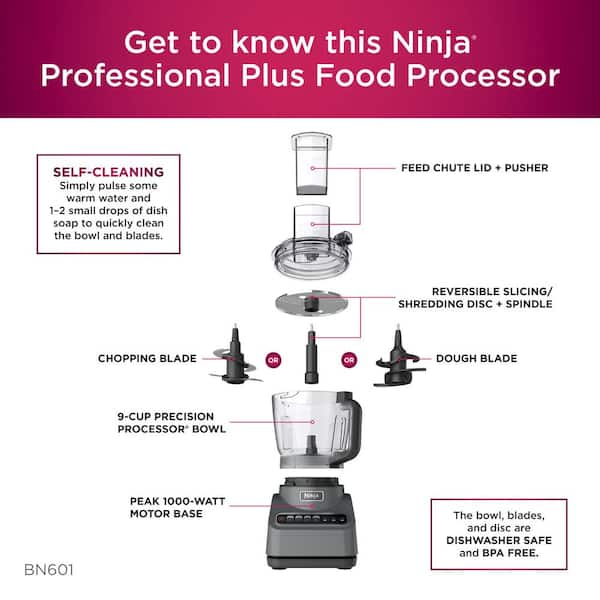
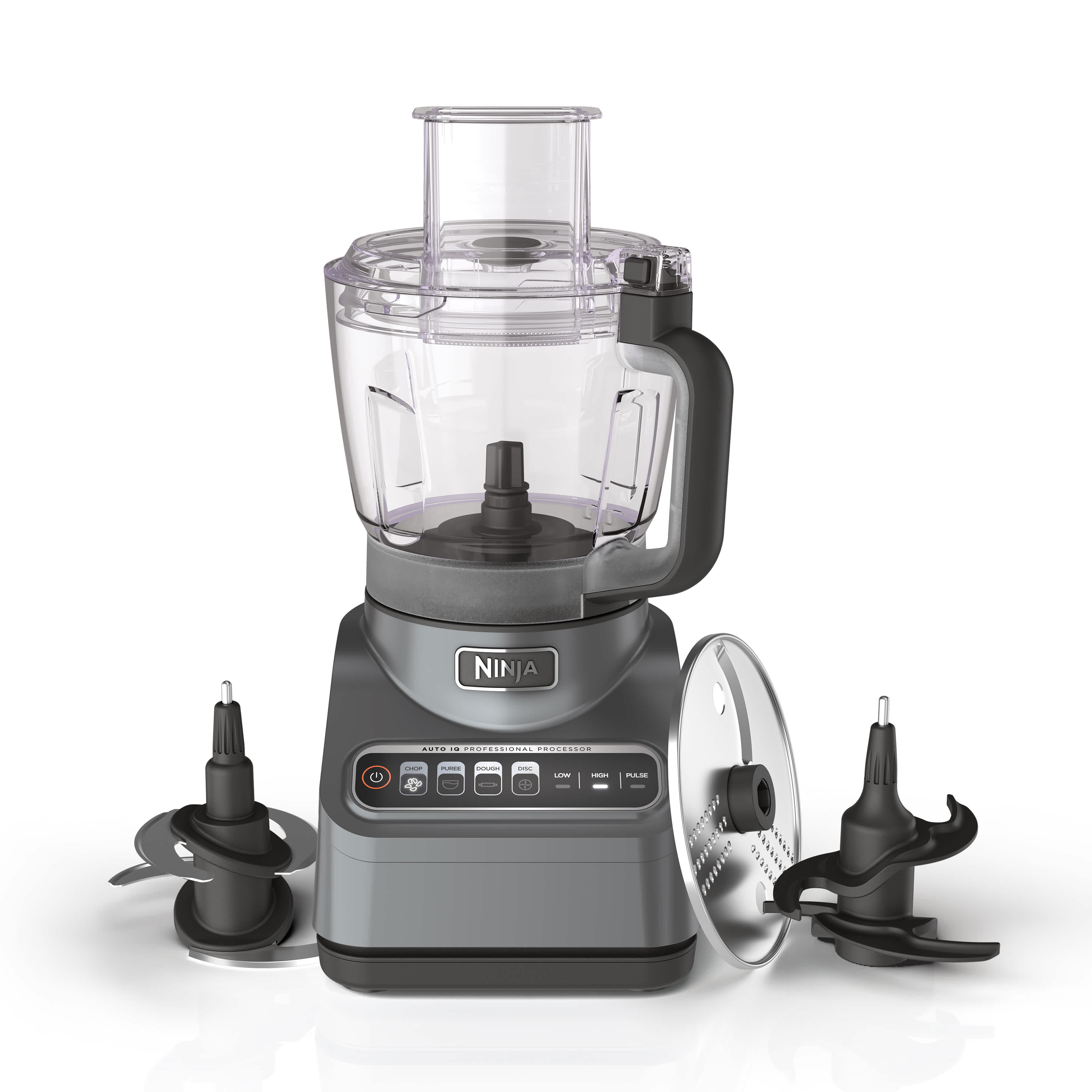
Know each piece. Common parts include a motor base, bowl, lid, feed chute, multi-purpose blade, dough blade, and slicing/shredding discs. Read the manual that came with your model for specific part names.
Safety first. Always unplug the unit before assembling or cleaning. Never touch blades directly; use a spatula or the provided tool. Avoid overfilling the bowl to prevent leaks or motor strain.
How you store parts matters. Keep blades wrapped in a towel or blade cover. This prevents accidental cuts and keeps blades sharp longer.

Step-by-step: How to use Ninja food processor for basic chopping and pureeing
- Assemble the unit safely.
- Place the motor base on a flat surface.
- Lock the bowl onto the base until it clicks.
- Fit the blade or disc for your task and secure the lid.
- Prepare ingredients.
- Trim large items into 1-2 inch pieces.
- Remove very hard pits or bones that could damage blades.
- Use the right settings.
- Start with a pulse for coarse chop.
- Use low speed for fine chop or puree in short bursts.
- Run continuous high speed only for short intervals to avoid overheating.
- Check progress.
- Open the lid only when the blades stop.
- Scrape down sides with a spatula if needed and pulse again.
- Empty carefully.
- Remove the blade first using a tool or towel.
- Pour or scoop out contents into a bowl.
I often pulse nuts for breadcrumbs. Pulsing prevents turning them into paste. That small habit learned from trial and error preserves texture in many recipes.

Best attachments and settings for common tasks
- Multi-purpose blade: Use for chopping vegetables, making salsa, or grinding meat to a coarse texture.
- Dough blade: Use for bread or pizza dough. Mix until dough forms a ball and clears the bowl.
- Slicing/shredding discs: Use for making coleslaw, slicing potatoes, or shredding cheese.
- Single-serve cups (if included): Great for small smoothies or dressings.
How to choose speed:
- Pulse: Coarse results and better control.
- Low: Gentle mixing and slicing.
- High: Smooth purees and fine textures — use briefly.
Personal tip: For salads, slice veg with the disc to save 10–15 minutes. The consistent slices make salads look and taste better.
Cleaning, care, and maintenance to extend life
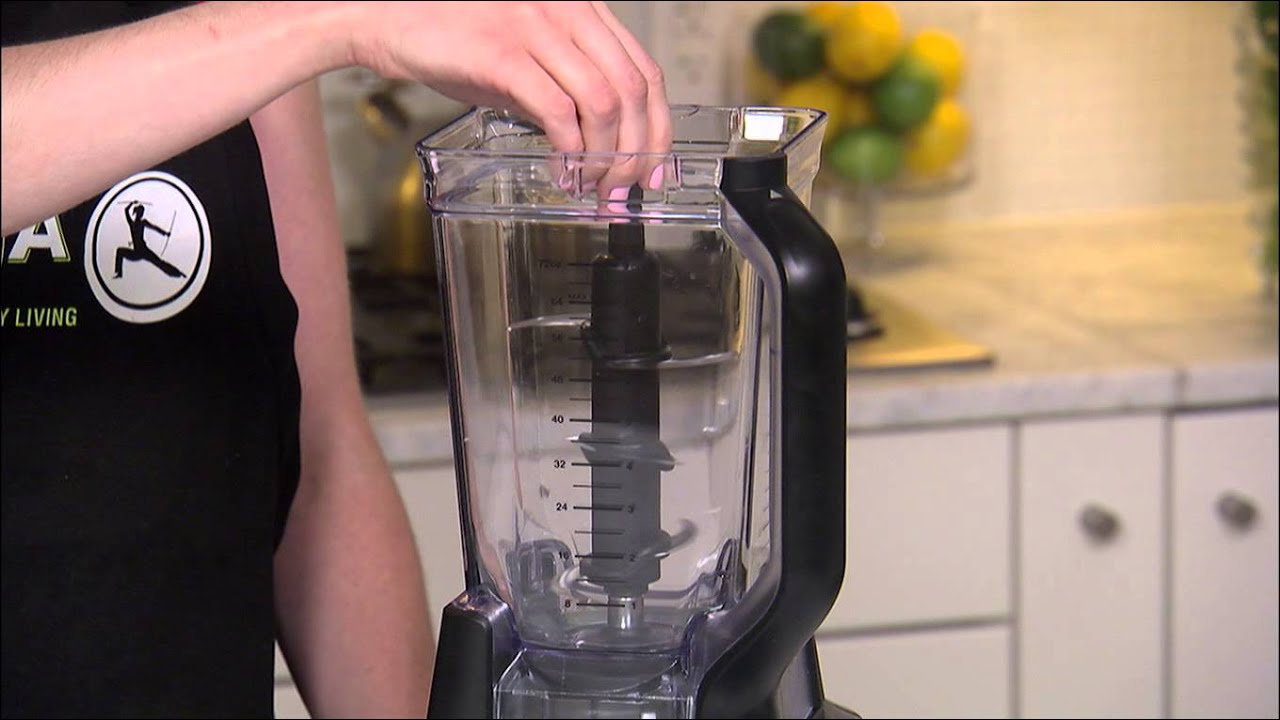
Clean right away. Wash bowls and blades in warm, soapy water. Some parts are dishwasher-safe, but hand washing preserves blade sharpness longer.
Dry parts fully before storing. Moisture can promote rust or odors. Run a cleaning cycle: blend warm water and a drop of dish soap for a quick rinse inside the bowl.
Replace blades when dull. If chopping takes more pulses than before, blades may need replacement. Keep the motor base dry and wipe with a damp cloth only.

Troubleshooting common problems and fixes
Machine won’t start:
- Ensure it’s plugged in and lid locked. Check the safety interlock.
Overheating or smell:
- Let it cool for 15–30 minutes. Don’t run continuously for long periods.
Uneven chopping:
- Don’t overload. Use pulse and scrape the sides between pulses.
Leaking bowl:
- Check that the bowl and lid are properly seated. Inspect the seal for damage.
My tip: Keep a small notebook for settings and timing that worked for each recipe. It saves guessing next time.

Practical recipe uses and advanced tips
- Make pesto: Use the multipurpose blade. Add herbs, nuts, cheese, and olive oil in a steady stream.
- Shred chicken: Use low pulses with cooked meat to get consistent shreds for tacos and salads.
- Make dough: Add wet ingredients first, then flour. Use the dough blade and stop when dough pulls away from the bowl.
- Nut butters: Roast nuts first. Pulse and then run short bursts at high speed, scraping sides as needed.
Advanced tip: For very smooth purees, blend warm cooked vegetables and add liquid gradually. This reduces stress on the motor and gives silkier results.
How to use ninja food processor safely with kids and for meal prep
Include kids in safe tasks. They can load the feed chute with soft fruit or push in sliced vegetables under supervision. Teach them never to touch blades.
For meal prep, batch process staples:
- Chop onions for the week and store in an airtight container.
- Shred carrots or cabbage for salads.
- Make sauces and freeze in portions.
This saves hours across the week and uses the machine efficiently. I prepped a week’s worth of lunches in about 45 minutes using a Ninja food processor and a solid plan.
Frequently Asked Questions of how to use ninja food processor
How do I assemble my Ninja food processor safely?
Always unplug the unit before assembly. Lock the bowl onto the base, insert the correct blade or disc, and secure the lid until it clicks.
Can I process hot food in the Ninja?
Avoid processing very hot food. Let cooked food cool slightly to prevent pressure build-up and potential warping of plastic parts.
How do I keep blades sharp longer?
Hand wash blades and dry them immediately. Avoid the dishwasher when possible and store blades in a protective sleeve.
What is the best way to chop herbs without bruising them?
Use short pulses and add herbs with a small amount of oil or a pinch of salt to protect texture and flavor.
How often should I replace parts like seals or blades?
Replace seals or blades when you see wear, leaks, or dull cutting. For frequent users, check parts every 6–12 months.
Is it safe to overload the bowl to speed up prep?
No. Overloading strains the motor and causes uneven results. Work in batches for best performance.
Conclusion
You can master how to use ninja food processor in a few focused steps: learn the parts, pick the right blade, pulse more and run less, and clean carefully. Start with simple tasks like chopping and gradually try doughs and purees. Use the tips here to save time and improve results. Try one new function this week, and leave a note below about your favorite recipe or a question you still have.