
Using a Hamilton Beach food processor is simple: lock the bowl, attach blade, add food, pulse or run.
I’ve used Hamilton Beach food processors for years in home kitchens and small catering jobs. This guide explains how to work a Hamilton Beach food processor clearly and safely. You’ll learn setup, blade choices, step-by-step operation, cleaning, troubleshooting, and quick recipes. Read on for hands-on tips from someone who’s tested the machines in real kitchens.
Understanding your Hamilton Beach food processor
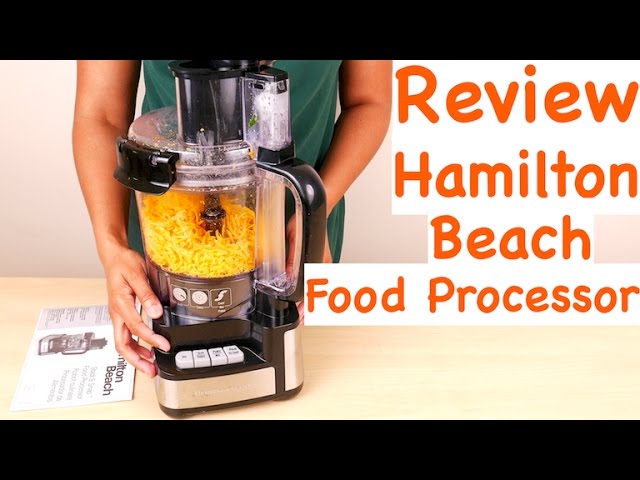
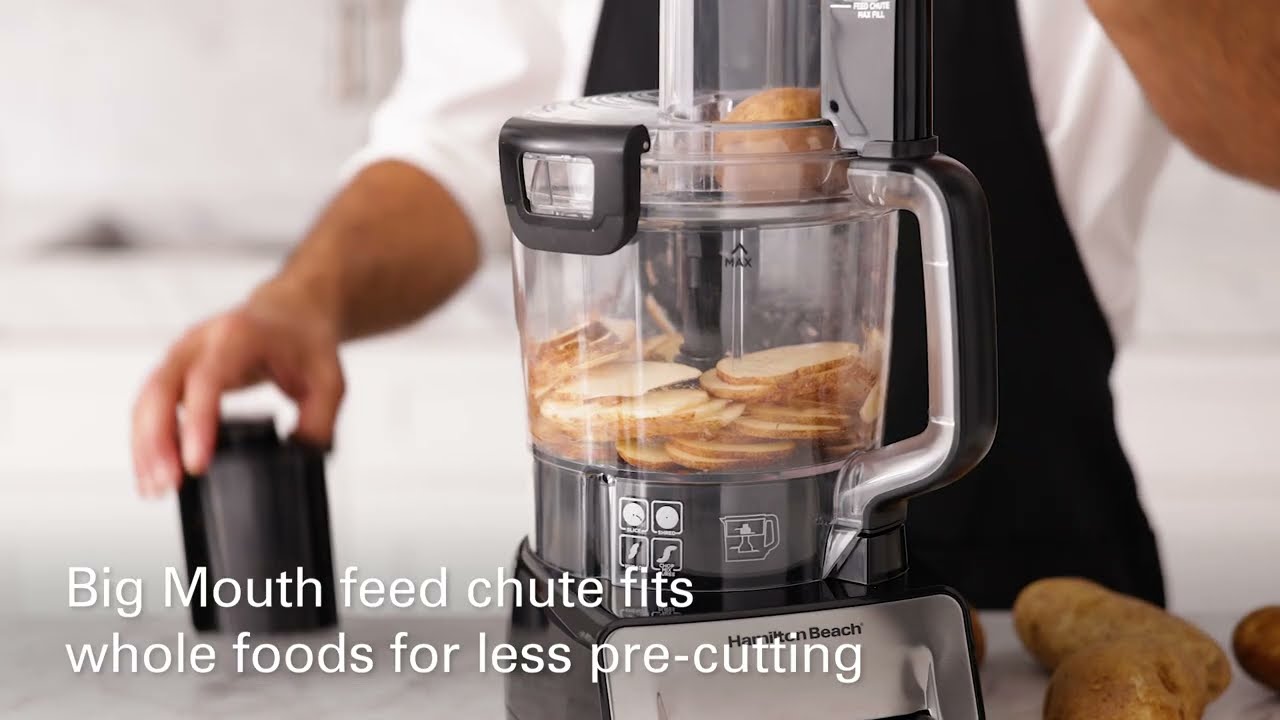
A clear grasp of parts makes working the unit easy. Most models include a motor base, bowl, lid with feed chute, and several blades or discs. Familiarize yourself with the pulse and continuous settings. Knowing each part saves time and keeps you safe when you work a Hamilton Beach food processor.

Step-by-step: How to work a Hamilton Beach food processor
Follow these steps to operate the unit safely and get consistent results.
- Check the manual
- Confirm model specifics and safety notes before first use.
- Assemble the bowl and lid
- Place the bowl on the base and twist or lock until it clicks.
- Choose the right blade
- Use the S-blade for chopping and pureeing. Use discs for slicing or shredding.
- Prepare food
- Cut large items into even pieces. Remove hard pits and big bones.
- Use the feed chute
- Place food into the feed chute or directly in the bowl for small amounts.
- Start with pulses
- Pulse 1–3 times to gauge texture. Repeat until desired result.
- Run continuously only when needed
- Use the low or high run setting for smooth purées or dough.
- Stop and scrape as needed
- Turn off, open lid, and use a spatula to mix contents when uneven.
- Unplug and disassemble
- Always unplug before removing blades or cleaning.
If you want to learn how to work a Hamilton Beach food processor well, practice with simple tasks like chopping onions and shredding cheese. Short tests help you judge timing and texture. Over time you’ll know exactly how long to pulse or run.
Attachments and functions
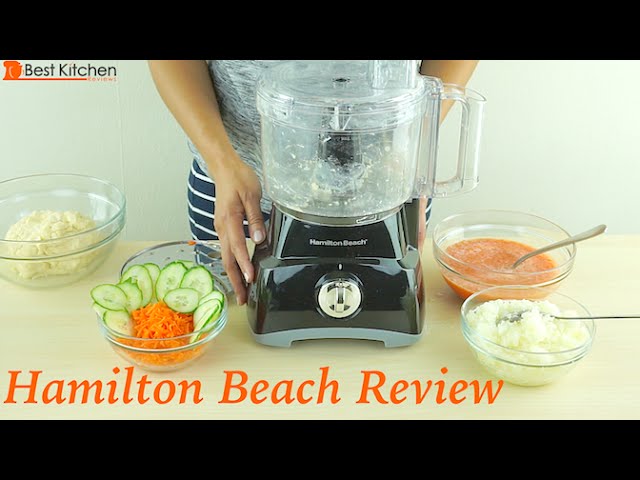
Knowing what each attachment does helps you work faster and safer.
- S-blade
- Best for chopping, blending, and pureeing.
- Dough blade (if included)
- Mixes dough gently without overworking.
- Reversible discs
- One side slices, the other shreds. Great for salads and slaws.
- Mini bowl or chopper cup
- Ideal for small jobs like garlic, herbs, or nuts.
When learning how to work a Hamilton Beach food processor, match task to attachment. Use the right tool for even, predictable results. Misusing attachments can damage food texture or parts.
Cleaning and maintenance
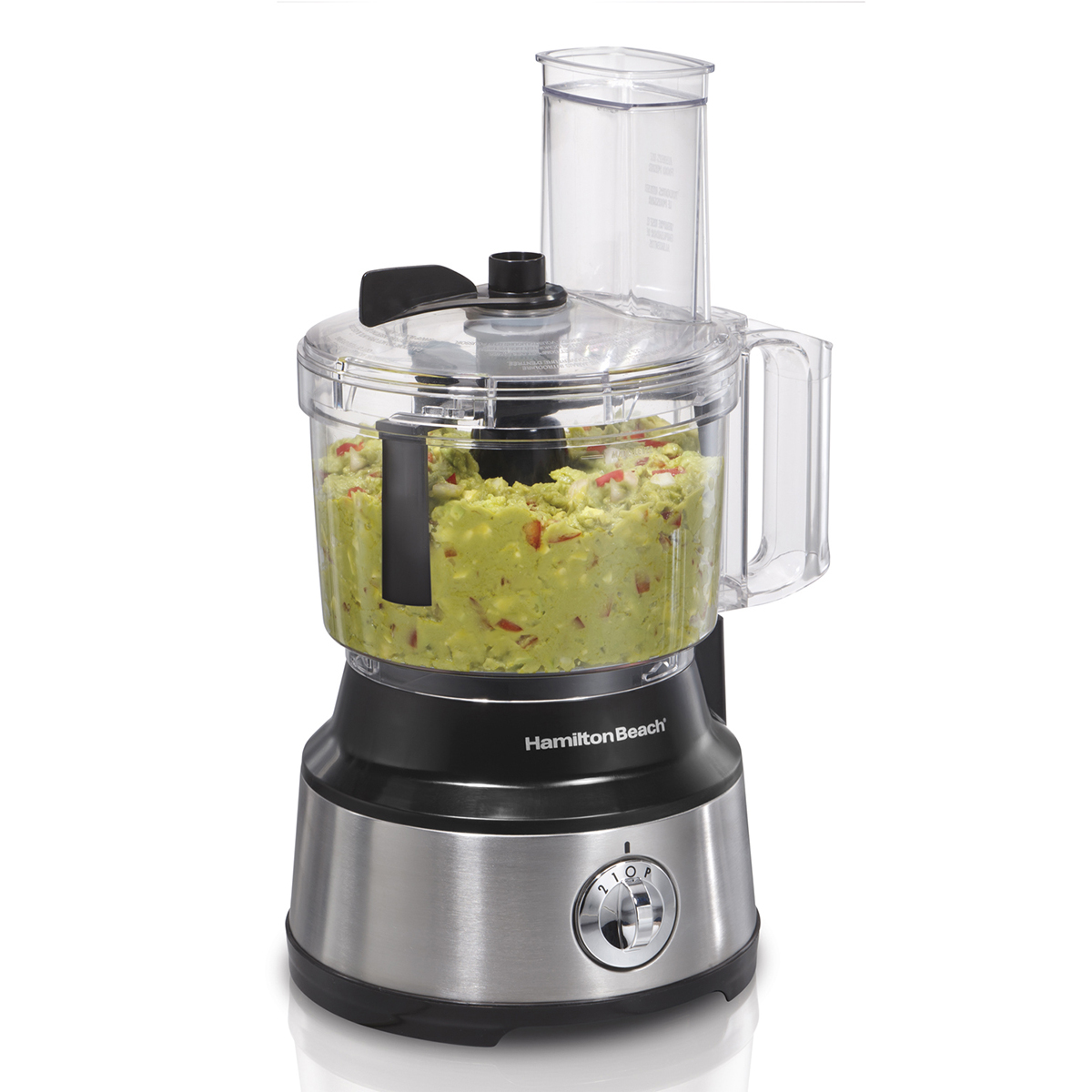
Routine cleaning keeps the machine running longer. Unplug before cleaning. Remove blade and parts carefully; blades stay sharp. Wash removable parts in warm, soapy water or place in the dishwasher if the manual allows.
- Clean base with a damp cloth
- Never immerse the motor base in water.
- Dry parts fully before reassembly
– Moisture can cause wear or odors. - Store blades safely
- Wrap blades to avoid cuts and place them in a drawer or box.
I once left the blade damp and noticed a metallic smell the next day. Drying parts fully solved it. Regular cleaning also prevents stains and lingering smells.

Troubleshooting common issues
If your machine won’t start, check a few basics first. Always unplug before inspecting.
- Won’t turn on
- Ensure the bowl and lid are locked correctly and the plug is secure.
- Overheating or motor shuts off
- Allow the motor to cool for 15–30 minutes; avoid long continuous runs.
- Food not processing evenly
- Stop, scrape sides, and pulse again. Use smaller pieces for large tasks.
- Excess vibration
- Check that the processor sits on a flat, stable surface and pieces are balanced.
- Leaking at the bottom
- Inspect the seal or gasket. Replace if cracked or worn.
When you learn how to work a Hamilton Beach food processor, small checks prevent big problems. Keep a simple checklist by the unit for quick troubleshooting.
Tips, recipes, and practical examples
Real examples make learning faster. Here are quick projects to practice.
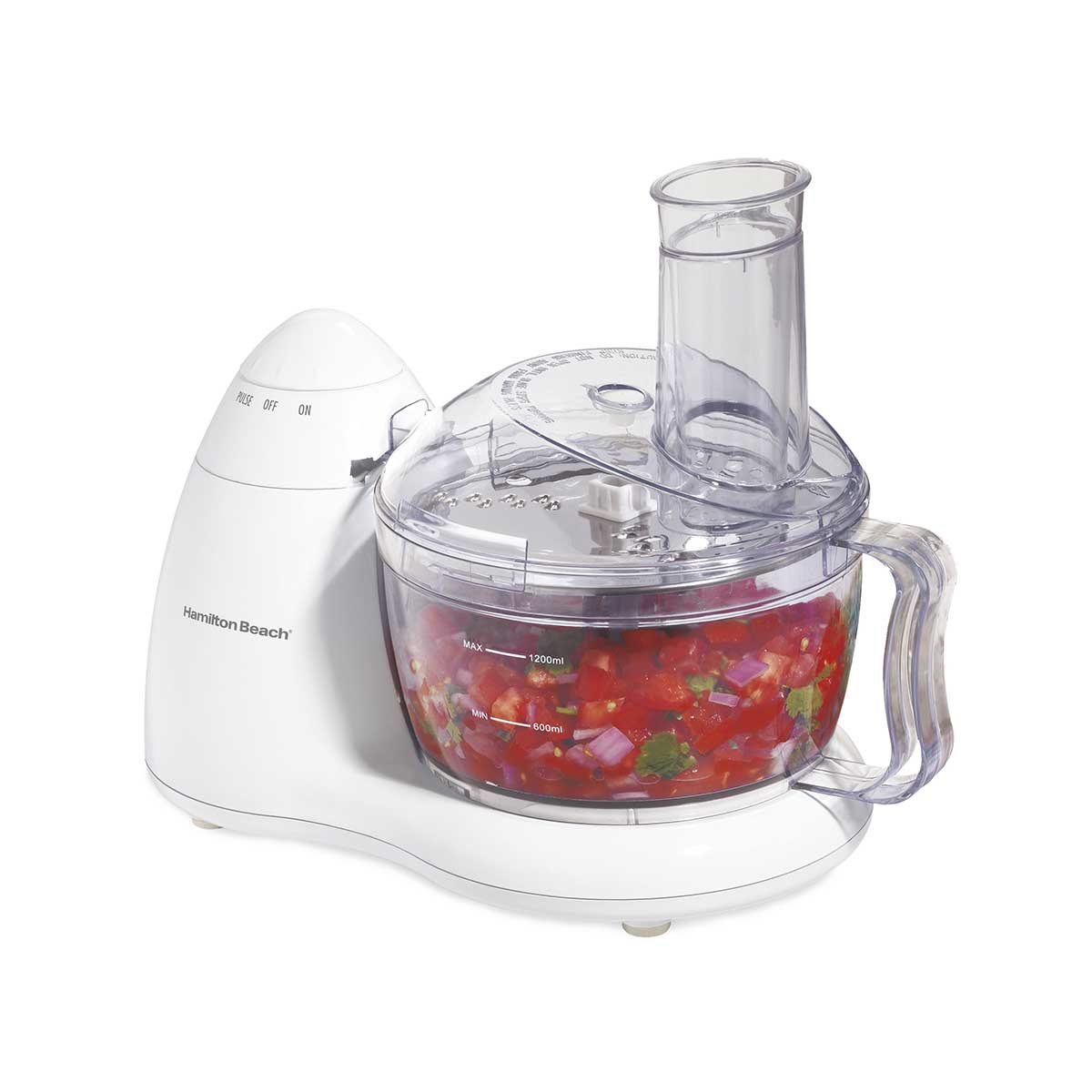
- Chopped salsa
- Use the S-blade. Add tomatoes, onion, jalapeño, cilantro, and salt. Pulse 3–5 times until chunky.
- Shredded carrots
- Use a shredding disc. Feed carrots through chute with the pusher for even shreds.
- Hummus
- Use the S-blade. Add chickpeas, lemon juice, tahini, garlic, olive oil, and salt. Run until smooth.
- Pie crust
- Use the dough blade or S-blade. Pulse flour and butter until crumbly, add cold water, then pulse until clumps form.
- Herb pesto
- Use the S-blade. Pulse basil, nuts, garlic, cheese, and oil until a coarse paste forms.
I learned to make faster weeknight dinners using the processor. A quick chop of onions and peppers saves 15 minutes. When you practice how to work a Hamilton Beach food processor, you shave time and improve dishes.
Frequently Asked Questions of how to work a hamilton beach food processor
How do I assemble a Hamilton Beach food processor correctly?
Align the bowl with the base and twist until it locks. Fit the blade carefully on the center post, then secure the lid before plugging in.
Can I process hot liquids in a Hamilton Beach food processor?
Avoid very hot liquids unless the manual allows it. Hot steam can warp plastic lids or cause injury. Let hot soups cool slightly and process in small batches.
How long should I run the processor for a smooth puree?
Start with 10–20 second bursts, then check texture. Repeat as needed. Use continuous run only for a few seconds at a time to avoid overheating.
Is the S-blade dishwasher safe?
Most removable parts are dishwasher safe on the top rack, but always check your model’s manual. Hand washing extends blade life and keeps cuts safer.
Why does my food processor smell after use?
Strong foods like garlic or onion can leave odors. Clean parts promptly and soak in a baking soda solution to neutralize smells. Dry fully before storage.
How do I make dough without overworking it?
Use short pulses or the dough blade and watch texture closely. Stop as soon as the dough forms a ball to avoid heating the dough and toughening gluten.
Conclusion
You now have a clear, practical path for how to work a Hamilton Beach food processor. Learn parts, use the correct blade, pulse to control texture, and clean parts after each use. With practice you’ll speed up prep and make better meals. Try one simple recipe today, and share your results or questions below to keep improving together.