
I’ve spent years teaching home cooks, running test kitchens, and auditing safety for busy households. I know how fast a calm meal can turn into a close call. Here’s the good news: How you can be safe in kitchen comes down to a few habits that you can learn once and use every day. In this guide, I’ll share clear steps, tested tips, and real examples to help you cook with confidence and avoid common risks. Read on to build a safer kitchen that still feels fun and creative.

Source: srfdaz.gov
Build A Safe Kitchen Mindset And Setup
A safe kitchen starts before the stove turns on. Good layout and simple routines reduce stress and errors. Think of your kitchen as a cockpit: every tool has a home, the path is clear, and you can reach what you need fast.
Practical steps:
- Create a clear work triangle from fridge to sink to stove. Short paths reduce spills and burns.
- Keep a “hot zone” around the stove. Store pot holders within arm’s reach.
- Use non-slip mats near the sink and stove. Wet floors cause many falls.
- Place a small, stable cutting board next to a larger board. Swap to the small board for quick tasks to avoid clutter.
- Keep knives on a magnetic strip or in a block. Loose drawers cut fingers.
Personal insight: After one slip with olive oil on tile, I now do a 10-second scan before cooking: floors dry, board stable, handles turned in, towels away from flame. It feels small, but it stops most mishaps before they start.

Source: www.amazon.com
Fire Prevention And Response
Kitchen fires are the most common home fires. Grease, loose towels, and unattended heat are the usual causes. Stopping heat early is your best defense.
Do this every time:
- Stay within eyesight when frying, broiling, or cooking on high heat.
- Keep lids that fit your pans nearby. A lid can smother a flare-up fast.
- Use a thermometer for oil. Aim for 325–375°F. If oil smokes, remove from heat.
- Keep an ABC or BC fire extinguisher in the kitchen, mounted and easy to grab. Check the gauge monthly.
- Install a working smoke alarm near (not in) the kitchen to avoid false alarms.
If a grease fire starts:
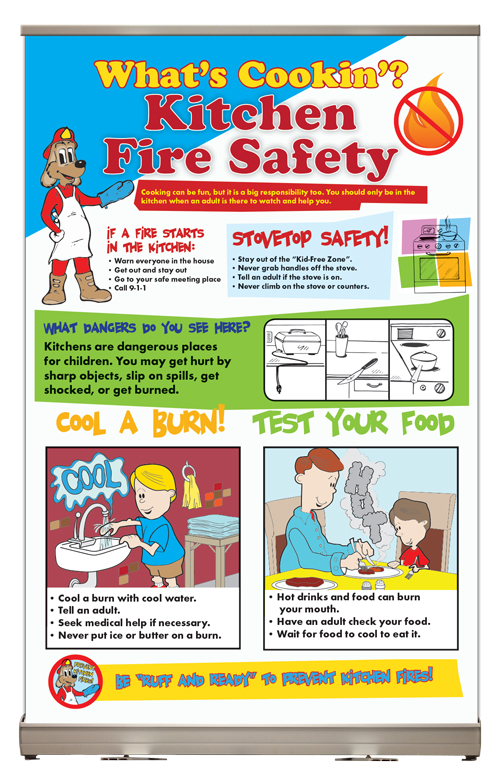
- Turn off the burner. Slide on a lid. Do not move the pan.
- Use baking soda for a small flame. Do not use flour or water.
- If it grows, back away and use the extinguisher. Aim at the base of the fire.
- Leave and call emergency services if you can’t control it fast.
Note: Data from home safety reports confirm that unattended cooking is the top cause. A timer you always hear (watch, phone, smart speaker) is a simple fix.
Source: www.twinkl.com
Knife Safety And Cutting Skills
Most kitchen injuries are cuts, not burns. Good knife habits are easy to master and last a lifetime.
Key tips:
- Use a sharp knife. Dull blades slip and cause deeper cuts.
- Stabilize the board with a damp paper towel or non-slip pad.
- Use the “claw” grip. Curl your fingertips; guide with knuckles.
- Cut away from your body. Keep the tip on the board for control.
- Never catch a falling knife. Step back and let it drop.
- Hand a knife handle-first. In the sink, keep tips down and handles up.
Personal note: I cut my thumb rushing through herbs. Since then, I prep before heat. No pan on, no rush. My cuts got cleaner, and dinner got faster.
Source: firesafetyforlife.com
Heat, Steam, And Burns
Burns happen fast. Steam is silent and sneaky; it can burn worse than flame.
Protect yourself:
- Open lids away from your face to vent steam.
- Turn pot handles inward, not over the edge.
- Dry food and tools before they touch hot oil.
- Use dry, heat-safe mitts. Wet cloths conduct heat and burn skin.
- Test microwaved food. Stir and wait 30 seconds. Steam pockets scald.
First aid:
- Cool minor burns under cool running water for 10–20 minutes.
- Do not apply ice, butter, or thick creams.
- Cover with a clean, non-stick dressing. Seek care for deep or large burns.

Source: www.work-fit.com
Food Safety And Hygiene
Food safety protects you from illness. A few rules prevent most cases at home.
Golden rules:
- Keep cold food under 40°F and hot food over 140°F. Use a fridge thermometer.
- Store raw meat at the bottom of the fridge in sealed containers.
- Use separate boards for raw proteins and ready-to-eat food.
- Wash hands for 20 seconds before and after handling raw meat, eggs, or seafood.
- Cook to safe internal temps. Use an instant-read thermometer:
- Poultry: 165°F
- Ground meats: 160°F
- Whole cuts of beef, pork, lamb: 145°F + rest
- Fish: 145°F or until flaky
- Cool leftovers fast. Shallow containers; refrigerate within 2 hours (1 hour if above 90°F).
- Reheat leftovers to 165°F.
Evidence shows most home outbreaks come from cross-contamination and undercooking. The thermometer is the unsung hero of kitchen safety.
Electrical And Appliance Safety
Appliances make life easy, but they can spark hazards if misused.
Simple checks:
- Plug large appliances into wall outlets, not power strips.
- Use GFCI outlets near sinks to prevent shocks.
- Keep cords dry and routed away from the cooktop.
- Unplug small appliances when not in use. Clean crumbs from toasters.
- Descale kettles and maintain coffee makers per manual to avoid overheating.
- Let ovens and air fryers cool before cleaning. Grease buildup can ignite.
If you smell burning plastic or see flickering lights, unplug and investigate. Regular maintenance prevents most failures.
Kids, Pets, And Guests
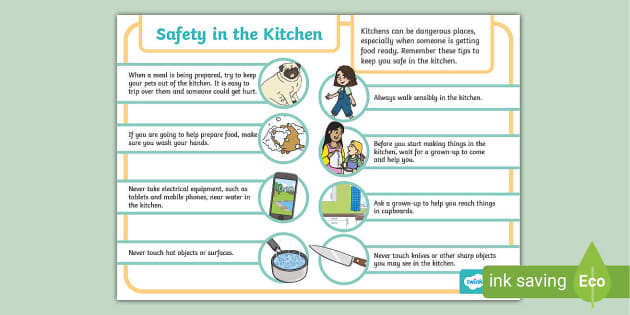
Curious helpers and furry friends bring joy—and risk. Set simple ground rules.
House rules that work:
- Create a “no-go line” around the stove and oven.
- Use back burners when kids are around.
- Store knives and cleaners up high or locked.
- Teach kids to pass tools handle-first and to ask before touching heat.
- Keep pet beds and bowls outside traffic paths.
Anecdote: My dog loved to nap by the oven. After one near trip with a hot pan, we moved her bed across the room. One small shift removed a big risk.
Cleaning, Chemicals, And Air Quality
Clean kitchens are safer kitchens. Chemicals need respect, and good air keeps you healthy.
Best practices:
- Never mix bleach with ammonia or vinegar. It can create toxic gas.
- Label spray bottles. Store cleaners away from food.
- Wear gloves if you have sensitive skin or cuts on your hands.
- Use your range hood or open a window when cooking, especially with gas.
- Deep-clean grease traps, filters, and the hood every month if you cook often.
Health data shows that proper ventilation reduces indoor pollutants from cooking. If your hood just recirculates, open a window or use a fan pointed outside.
Ergonomics And Injury Prevention
Your body is part of your toolkit. Reduce strain so you can cook longer and safer.
Try this:
- Stand on a cushioned mat if you cook for long stretches.
- Keep heavy pots at waist height. Lift with two hands, elbows close.
- Use lighter pans or two smaller pans instead of one heavy one.
- Adjust counter height with a sturdy board if you’re short to keep wrists neutral.
- Take micro-breaks. Shake out hands, roll shoulders, sip water.
From years in busy kitchens, I learned that pain leads to mistakes. Comfort makes you calmer and safer.
Emergency Readiness And First Aid
When trouble hits, a plan saves seconds—and stress.
Set yourself up:
- Keep a stocked first-aid kit in the kitchen. Include burn gel, gauze, and bandages.
- Post emergency numbers and your address on the fridge.
- Learn how to use your fire extinguisher. Read the PASS method: Pull, Aim, Squeeze, Sweep.
- Store baking soda near the stove for small grease fires.
- Practice a quick exit path with the family.
If you take one action today, check your smoke alarm, place a lid near the stove, and confirm your extinguisher is in date.
Frequently Asked Questions Of How You Can Be Safe In Kitchen
What Is The Safest Way To Put Out A Grease Fire?
Turn off the heat, cover the pan with a lid to smother the flames, and use baking soda for small fires. Never use water. If it grows, use an ABC or BC extinguisher and call for help.
How Often Should I Replace A Kitchen Fire Extinguisher?
Check the gauge monthly. Most units last 5–12 years. Replace if the gauge is not in the green, if it’s damaged, or past the manufacturer date.
Do I Really Need A Food Thermometer At Home?
Yes. It removes guesswork and prevents undercooked food. It’s the easiest way to avoid many foodborne illnesses.
What’s The Best Way To Prevent Cross-Contamination?
Use separate boards and tools for raw proteins and ready-to-eat foods. Wash hands and surfaces with hot, soapy water after handling raw meat.
Are Gas Stoves Less Safe Than Electric?
Both can be safe with good habits. Gas adds open flame and indoor emissions, so use ventilation, keep combustibles away, and double-check that burners are off.
How Do I Childproof My Kitchen Quickly?
Lock chemicals and knives, use stove knob covers, set a “no-go line,” and cook on back burners. Keep hot foods away from counter edges.
What Should Be In A Kitchen First-Aid Kit?
Adhesive bandages, sterile gauze, burn gel or cool packs, tweezers, antiseptic wipes, medical tape, and disposable gloves.
Wrap-Up And Next Steps
Safety in the kitchen is not a long list of rules. It’s a few steady habits: plan your space, respect heat, keep food safe, maintain your gear, and be ready for the rare emergency. Start small today—place a lid by the stove, check your extinguisher, and set a simple timer when you cook. Those tiny moves make big wins over time.
Want more practical tips and simple checklists? Subscribe, share your own kitchen safety wins in the comments, and pass this guide to someone who loves to cook. Your best meals start with a safe kitchen.