Food processors speed up chopping, slicing, mixing, pureeing, shredding, and dough-making in minutes.
I’ve used and tested many models over years, so I know exactly what are food processor used for and how they change the way you cook. This guide breaks down practical uses, tips to pick the right model, safety and care, recipe ideas, and honest lessons from my kitchen experiments — all written so you can start using your machine with confidence today.
Why use a food processor?
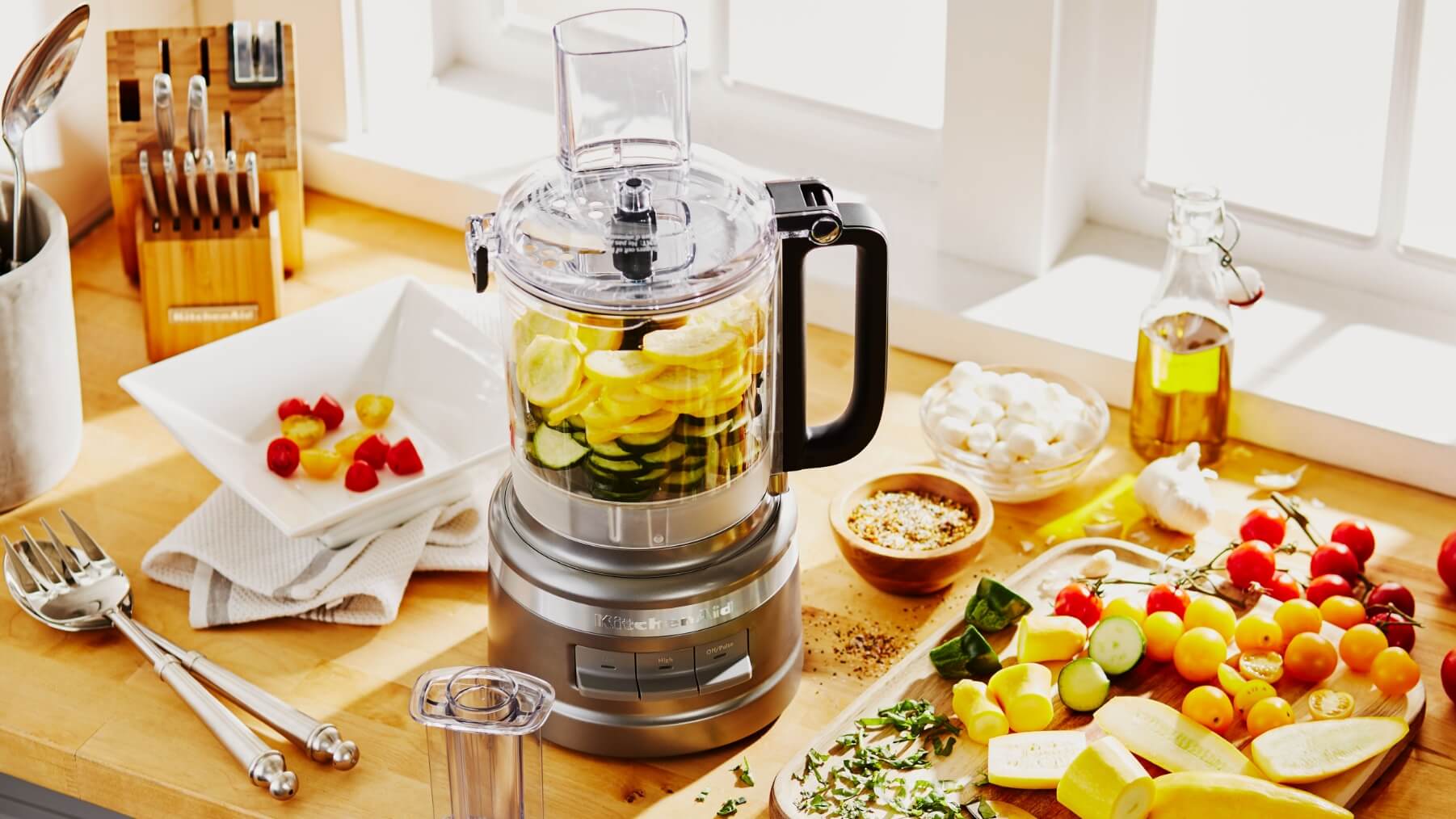
A food processor is a powerful time-saver that handles many prep tasks with consistent results. It reduces hands-on time, lowers repetitive strain from chopping, and makes challenging textures easy to achieve. If you wonder what are food processor used for in everyday cooking, the simple answer is they speed up prep while improving uniformity and texture.
From my experience, the difference between hand-chopped and machine-processed vegetables shows in sauces, dips, and pastry dough. Using a food processor can turn an hour of prep into 10 minutes. For busy cooks, that efficiency is the main reason to own one.
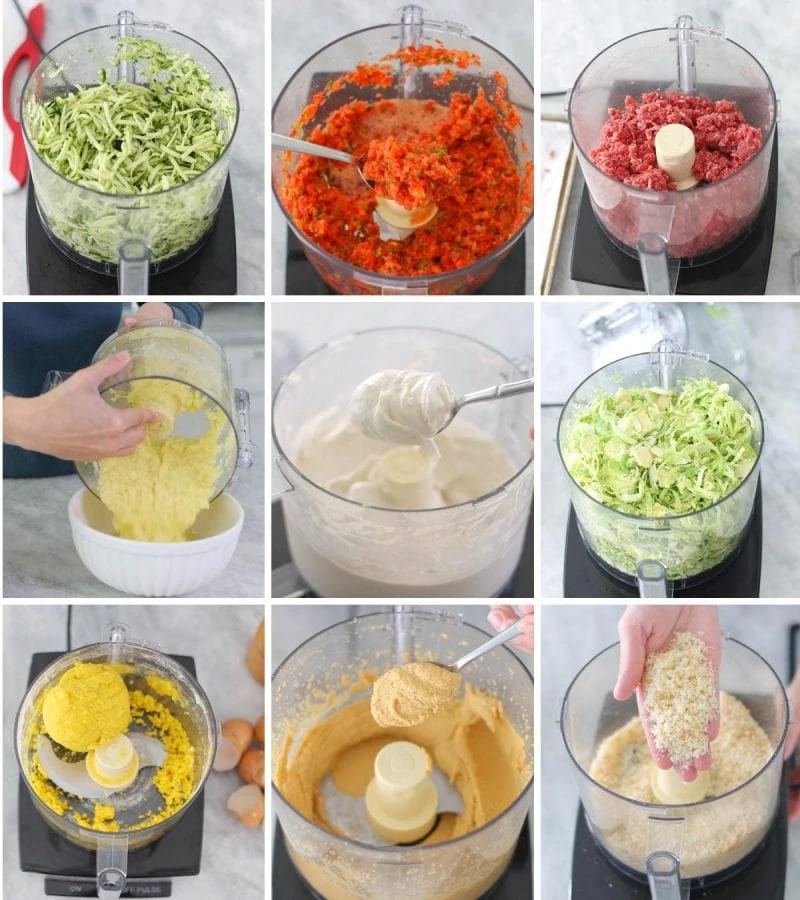
Key functions and how to use them
Food processors come with multiple blades and discs. Each part does a different job, and using the right attachment gives the best result.
- Chopping and mincing — Use the S-shaped blade for vegetables, nuts, and herbs. Pulse for control to avoid over-processing.
- Pureeing — Secure the lid and run at medium speed to make smooth soups, baby food, and purees.
- Slicing — Use the slicing disc to produce even slices for gratins and salads. Thinner or thicker slices are possible with adjustable discs.
- Shredding and grating — The shredding disc handles cheese, carrots, and firm vegetables fast and evenly.
- Kneading dough — Some models include a dough blade for breads and pizza dough. Short cycles prevent overheating.
- Emulsifying — Make mayonnaise, salad dressings, and sauces quickly by combining oil and liquid in bursts.
If you ask what are food processor used for with specific recipes, think of them as the bridge between manual prep and full cooking appliances — they prep ingredients to the right size and texture for the rest of the recipe.
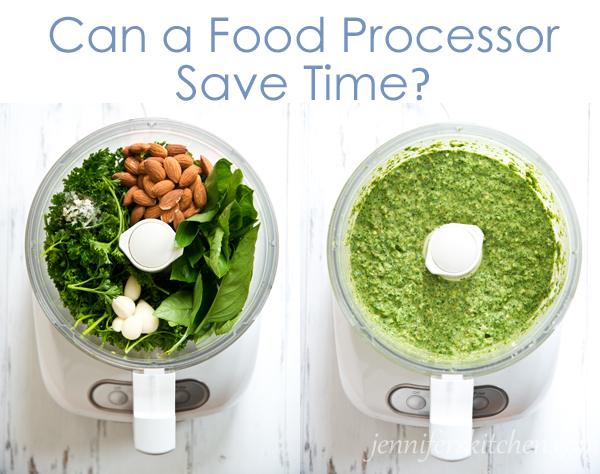
How to choose the right food processor
Choosing the right model depends on your kitchen habits and how often you’ll use it.
- Capacity — Use a smaller 3–4 cup model for single cooks and small tasks. Pick an 8–12 cup bowl for family meals and batch cooking.
- Motor power — Look for motors 600 watts or higher for heavy jobs like nut butter or dough. Lower wattage models handle simple chopping and shredding.
- Attachments and discs — Choose a model with the blade set you’ll use most: S blade, dough blade, slicing and shredding discs.
- Ease of cleaning — Removable, dishwasher-safe parts save time. Fewer nooks and simpler assembly improve daily use.
- Build and warranty — Metal drive systems last longer than plastic drives. A solid warranty can save money over years of use.
When thinking about what are food processor used for in your kitchen, list your top five tasks and match features to those tasks. My tip: buy slightly above your minimum need to avoid replacing it in a few years.
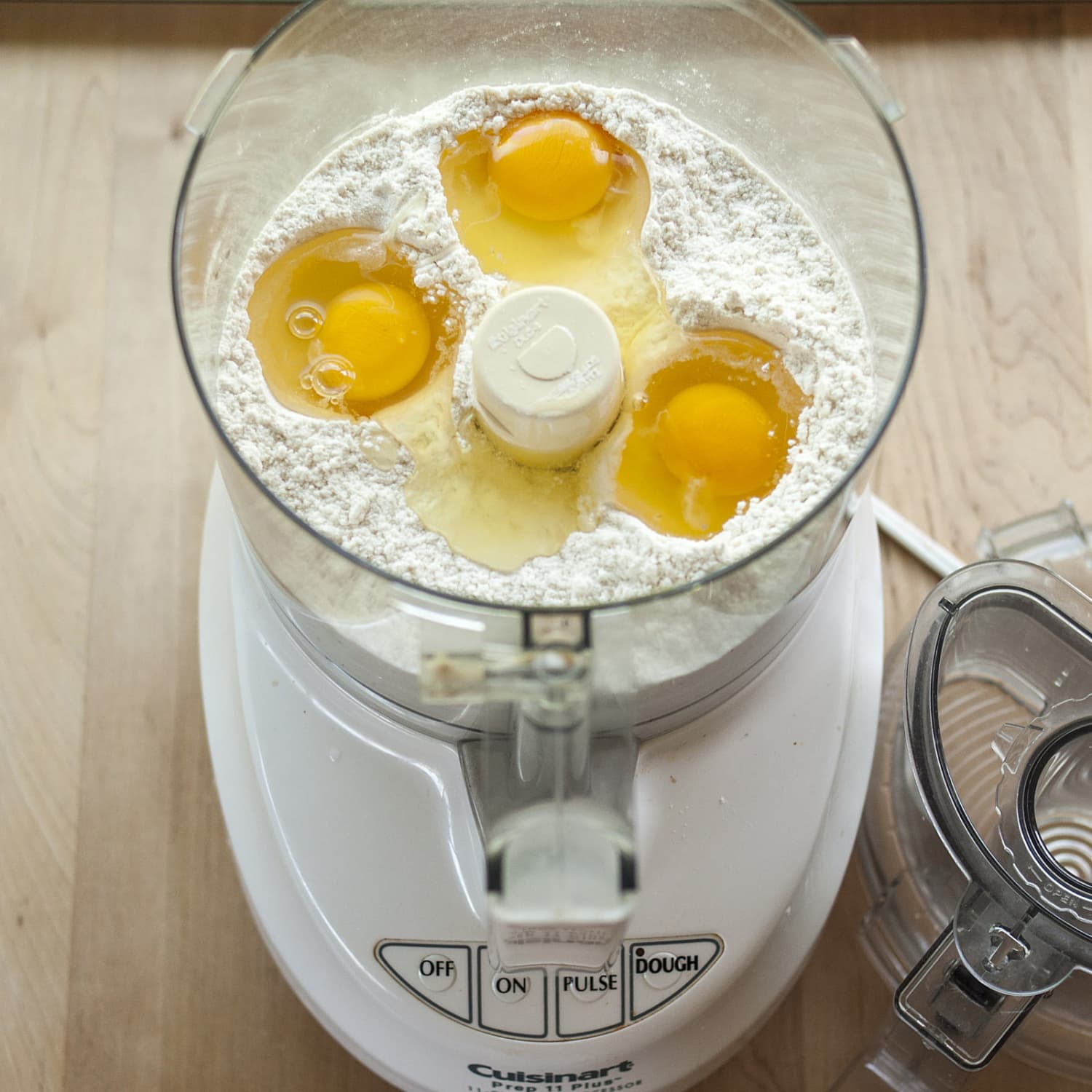
Maintenance, safety, and common mistakes
A few simple habits keep a food processor safe and working well.
- Clean right away — Rinse blades and bowl soon after use to prevent stuck-on food and odors.
- Dry thoroughly — Moisture can trap bacteria and dull blades; air-dry or towel-dry carefully.
- Store blades safely — Wrap blades or store in a blade case to avoid cuts.
- Do not overload — Overfilling leads to uneven processing and can strain the motor.
- Use pulse for control — Pulsing prevents over-processing and gives better texture for salsas and coarse chops.
A mistake I made early on was forcing frozen fruit through the standard blade. That burned out a motor. Now I thaw slightly or use a heavy-duty model recommended for frozen work. Remember, matching tasks to the machine prolongs its life and keeps results consistent.
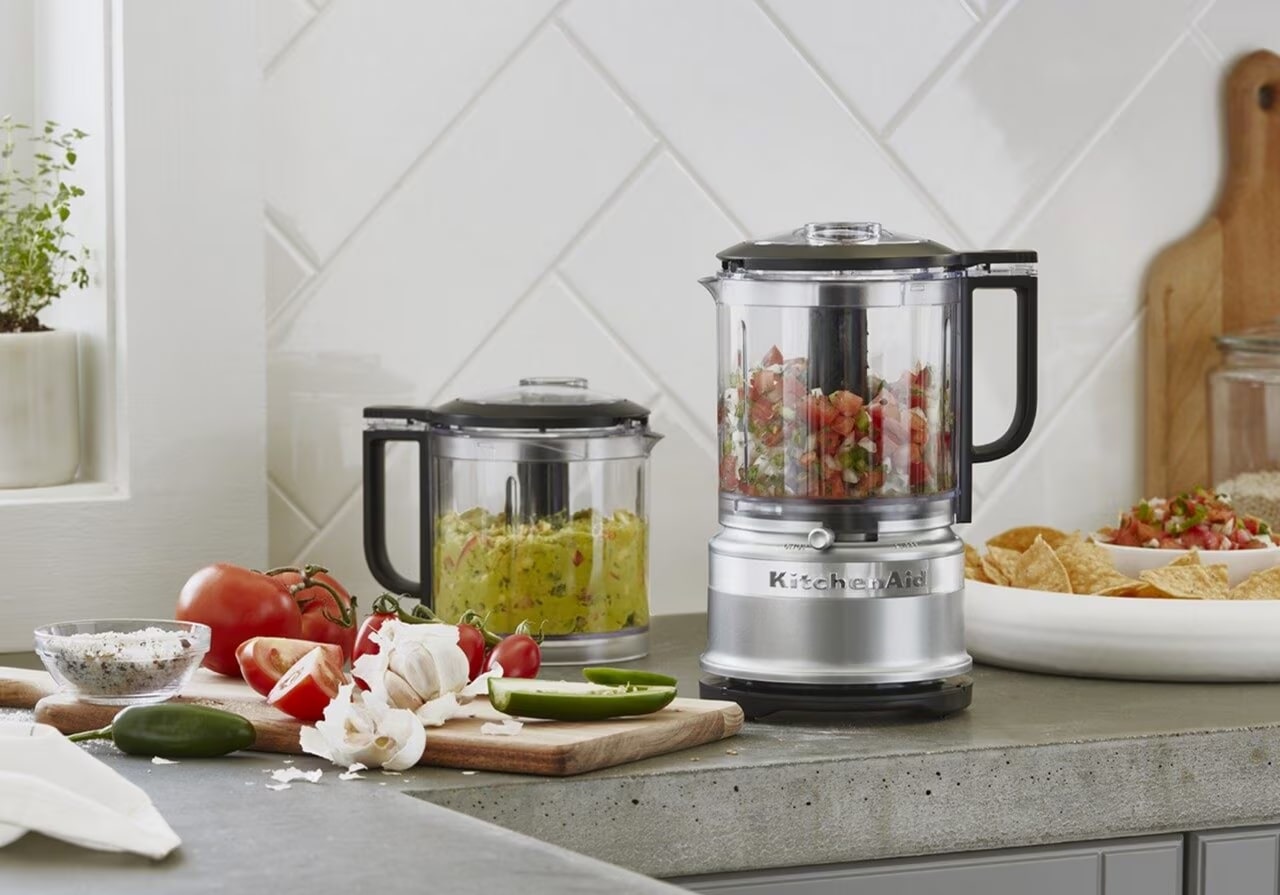
Practical recipes and real-life examples
Here are fast ways to use your food processor and outcomes I’ve seen in my kitchen.
- Fresh pesto in 30 seconds — Combine basil, garlic, pine nuts, Parmesan, and olive oil. Pulse to keep the herbs bright and not bruised.
- Quick pie dough — Chill ingredients, pulse until crumbly, then form dough. It stays flakier than hand-mixed dough when you avoid overworking it.
- Smooth hummus — Blend chickpeas, tahini, lemon, and oil until silky. A processor gives a creamier texture than a blender for small batches.
- Shredded coleslaw — Use the shredding disc for even, fast results that lock in crunch.
- Nut butter in about 10 minutes — Use a heavy-duty processor and scrape the bowl often for a creamy finish.
For many readers asking what are food processor used for, these examples show they handle both delicate jobs and heavy work with the right technique. Try one new recipe per week to build confidence and learn your model’s strengths.

Frequently Asked Questions of what are food processor used for
What basic tasks can a food processor handle?
A food processor chops, slices, shreds, purees, mixes, and can knead dough. It replaces many handheld tools for faster, consistent prep.
Can I make dough in a food processor?
Yes, many models include a dough blade. Short processing cycles work best to avoid warming the dough and weakening gluten.
Is a food processor better than a blender?
They serve different jobs. Blenders are best for liquids and smooth blends; food processors excel at solid prep like chopping and shredding.
How often should I clean the blades?
Clean blades after every use to prevent buildup and odors. Handle blades carefully and dry them fully before storage.
Can a food processor handle frozen foods?
Some heavy-duty models can, but frozen items can damage weaker motors. Thaw slightly or use a model rated for frozen ingredients.
Conclusion
A food processor is a versatile, time-saving tool that handles chopping, slicing, shredding, pureeing, dough-making, and more. Knowing what are food processor used for helps you match a model to your cooking habits and get better, faster results. Try one focused task at a time, follow simple safety tips, and you’ll see how quickly it becomes a daily workhorse. Ready to make prep effortless? Pick a model that fits your needs, try a few recipes, and share your favorite food processor wins in the comments.