Food processors use several blades and discs, each made for chopping, slicing, shredding, pureeing, or kneading.
I've used and tested food processors for years, and I know exactly what are the different blades for in a food processor. This guide explains each blade and disc, when to use them, and how to get the best results. If you want clear, practical advice on what are the different blades for in a food processor, and how to avoid common mistakes, keep reading.

Common blades and discs you’ll find in a food processor
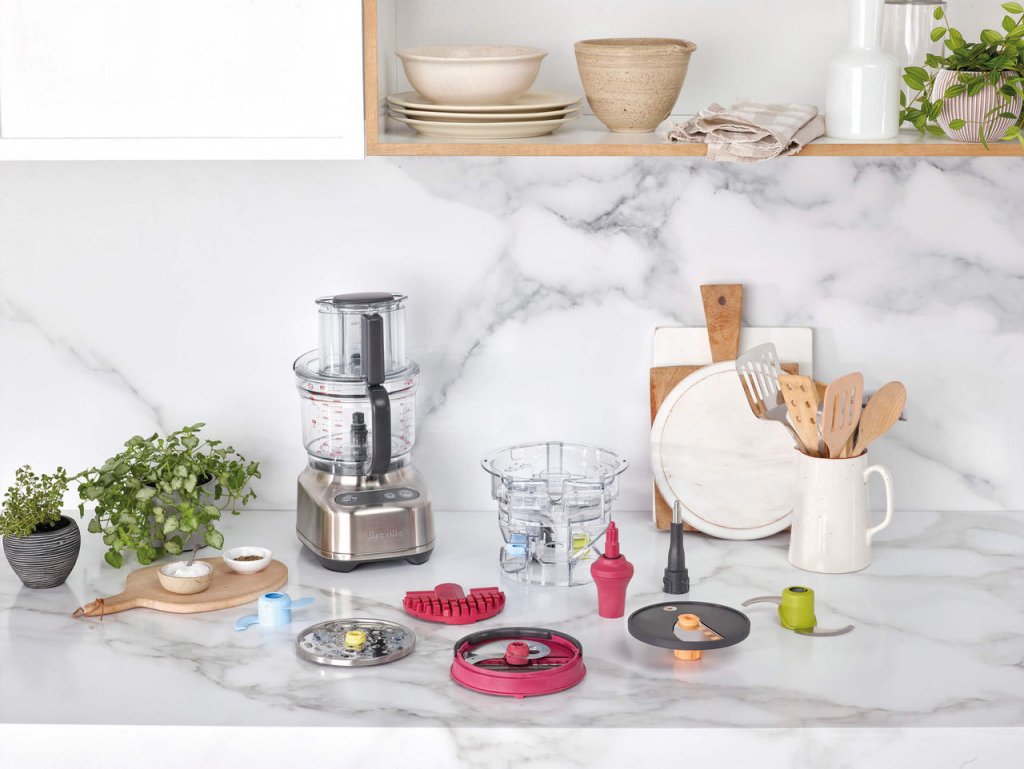
Most food processors include a small set of blades and discs. Knowing these parts lets you use the machine with confidence. Below are the typical pieces and what they do.
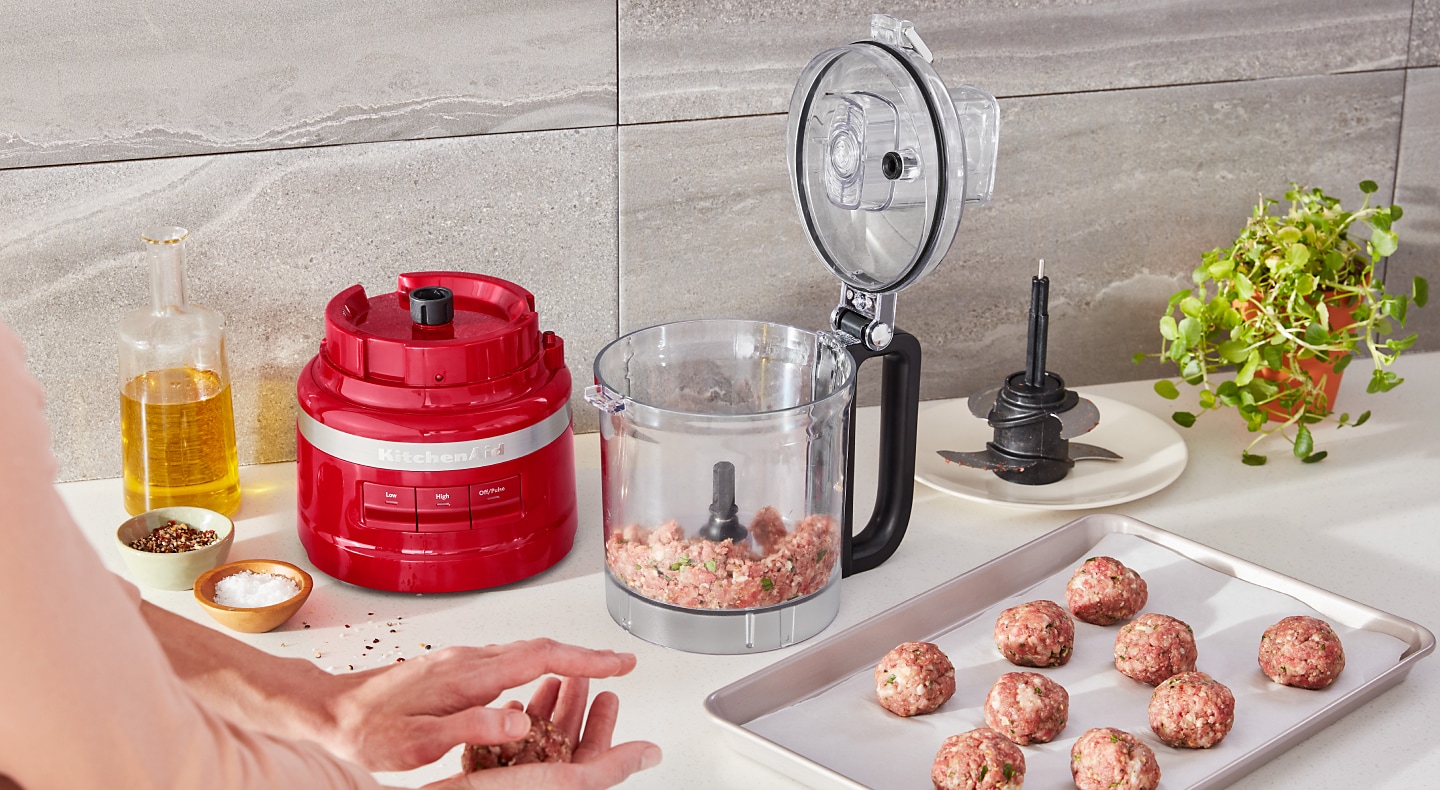
- S-shaped chopping blade – The go-to blade for chopping, pureeing, and mixing. It sits at the bowl’s base and handles most everyday tasks.
- Slicing disc – A flat disc with a straight edge that quickly slices vegetables and fruits to uniform thickness.
- Shredding/grating disc – A perforated disc with raised teeth for shredding cheese, cabbage, or firm vegetables.
- Julienne disc – Cuts thin matchstick strips for salads or stir-fries.
- Dough blade – A blunt, plastic blade used to knead dough without cutting it.
- Fine shredding or micro-grating disc – For finely grated cheese, zest, or breadcrumbs.
- Specialty discs – Some models include French fry cutters, crinkle-cut blades, or citrus juicers.
These parts explain what are the different blades for in a food processor and help you plan recipes.

What each blade does and best uses
Understanding what are the different blades for in a food processor makes cooking faster and safer. Here’s how to match a task with the right blade.
- S-shaped chopping blade
- Use for: chopping onions, nuts, herbs, making pesto, or pureeing soups.
- Tip: Pulse for control. Over-processing makes pastes or baby food.
- Slicing disc
- Use for: sliced cucumbers, potatoes, apples, or even cheese slabs.
- Tip: Adjust thickness by changing the feed tube or disc setting, if available.
- Shredding/grating disc
- Use for: shredding cheddar, carrots, or cabbage for slaws.
- Tip: Firm food works best; soft items may clump.
- Julienne disc
- Use for: thin strips of carrot, zucchini, or potato for salads.
- Tip: Cut food into even lengths to feed safely.
- Dough blade
- Use for: mixing bread, pizza, or pastry dough without warming it too much.
- Tip: Watch textures—stop when dough pulls away from the bowl.
- Fine shredding or micro-grating disc
- Use for: fine cheese, citrus zest, or garlic for even flavor release.
- Tip: Great for finishing sauces or dressings.
These uses show in plain terms what are the different blades for in a food processor and when to pick each one.
How to choose the right blade for your cooking style
Pick blades that match how you cook. Think about the foods you make often and the tasks you want to speed up.
- If you cook soups and sauces often
- Prioritize the S-shaped blade and a fine shredding disc.
- If you make salads and sides
- Keep a slicing disc and shredding disc handy.
- If you bake
- Use the dough blade and a versatile S-shaped blade.
- If you like meal prep
- Choose a model with multiple discs and a medium bowl for batch work.
As you learn what are the different blades for in a food processor, you’ll buy only the tools you need. That saves money and storage space.

Care, safety, and storage for blades and discs
Keep blades sharp, clean, and safe. Proper care makes blades last and protects you.
- Cleaning tips
- Rinse right away to avoid stuck-on food. Most metal blades are dishwasher-safe, but hand washing extends life.
- Safety tips
- Handle blades from the center hole, not edges. Store in a blade case or wrapped in a towel.
- Sharpening and replacement
- Metal discs may be resharpened once or twice. Replace warped or heavily nicked parts.
- Storage ideas
- Keep discs stacked in their original containers or a labelled box to avoid accidents.
These steps reduce risk and make it easy to use the right blade when needed. Knowing what are the different blades for in a food processor includes knowing how to care for them.
Personal tips, mistakes I made, and tricks that work
I’ve owned several processors and learned things the hard way. Here are practical lessons and tips.
- Mistake: overfilling the bowl
- Fix: Work in batches. Overfilling causes uneven cuts and stress on the motor.
- Mistake: using the wrong blade for dough
- Fix: Use a dough blade or mix by hand to avoid overworking or cutting dough.
- Tip: pulse, don’t run
- Pulsing gives control and keeps textures right for salsas and chunky dips.
- Tip: uniform sizes first
- Cut large items to fit the feed tube. Even pieces give uniform results.
- Trick: chill blades for pastry
- Cold blades and bowls keep butter solid and make flakier pastry.
These tips show practical ways to match tasks to blades and avoid common errors. They are based on real use and what are the different blades for in a food processor.
Frequently Asked Questions of what are the different blades for in a food processor
What blade should I use to chop onions without making them mushy?
Use the S-shaped chopping blade and pulse in short bursts. This gives chopped texture without pureeing.
Can I shred cheese in the chopping blade?
It’s possible but not ideal; use a shredding disc for even results and less clogging. The disc gives consistent shreds quickly.
Is the dough blade necessary for bread?
The dough blade helps by kneading without cutting the dough strands. You can knead by hand, but the dough blade saves time.
How do I slice vegetables to the same thickness?
Use the slicing disc and steady feeds through the tube. Adjust disc settings if your model has thickness options.
Are all blades dishwasher safe?
Many metal blades are dishwasher-safe, but hand washing extends life and prevents dulling. Always follow the manufacturer’s care instructions.
Can I use the julienne disc for potatoes?
Yes, the julienne disc makes matchstick fries or salad strips. Cut potatoes to fit the feed tube and work carefully.
Conclusion
You now know what are the different blades for in a food processor, how each blade performs, and how to pick the right tool for the job. Use the S-shaped blade for chopping and pureeing, discs for slicing and shredding, and the dough blade for kneading. Test pulse timing and bowl size to get reliable textures. Try one new blade this week and watch how much time it saves you. Share your results, ask a question, or subscribe for more kitchen tips.