A food processor chops, shreds, slices, grinds, purees, mixes, and even kneads to speed kitchen work.
I have spent years testing and using kitchen gear, and I know the real value of a great appliance. This article explains what are the functions of a food processor in clear, practical terms. You will learn how a food processor saves time, improves consistency, and expands what you can cook. I will share real tips from hands-on use, plus smart buying and safety pointers so you get the most from this tool.
How a food processor works
A food processor uses a motor to spin blades or discs inside a bowl. It converts motor power into cutting, mixing, or kneading action. You attach a blade or disc, add food, and control speed and time. This simple setup makes the functions of a food processor fast and repeatable.
Core functions and common uses
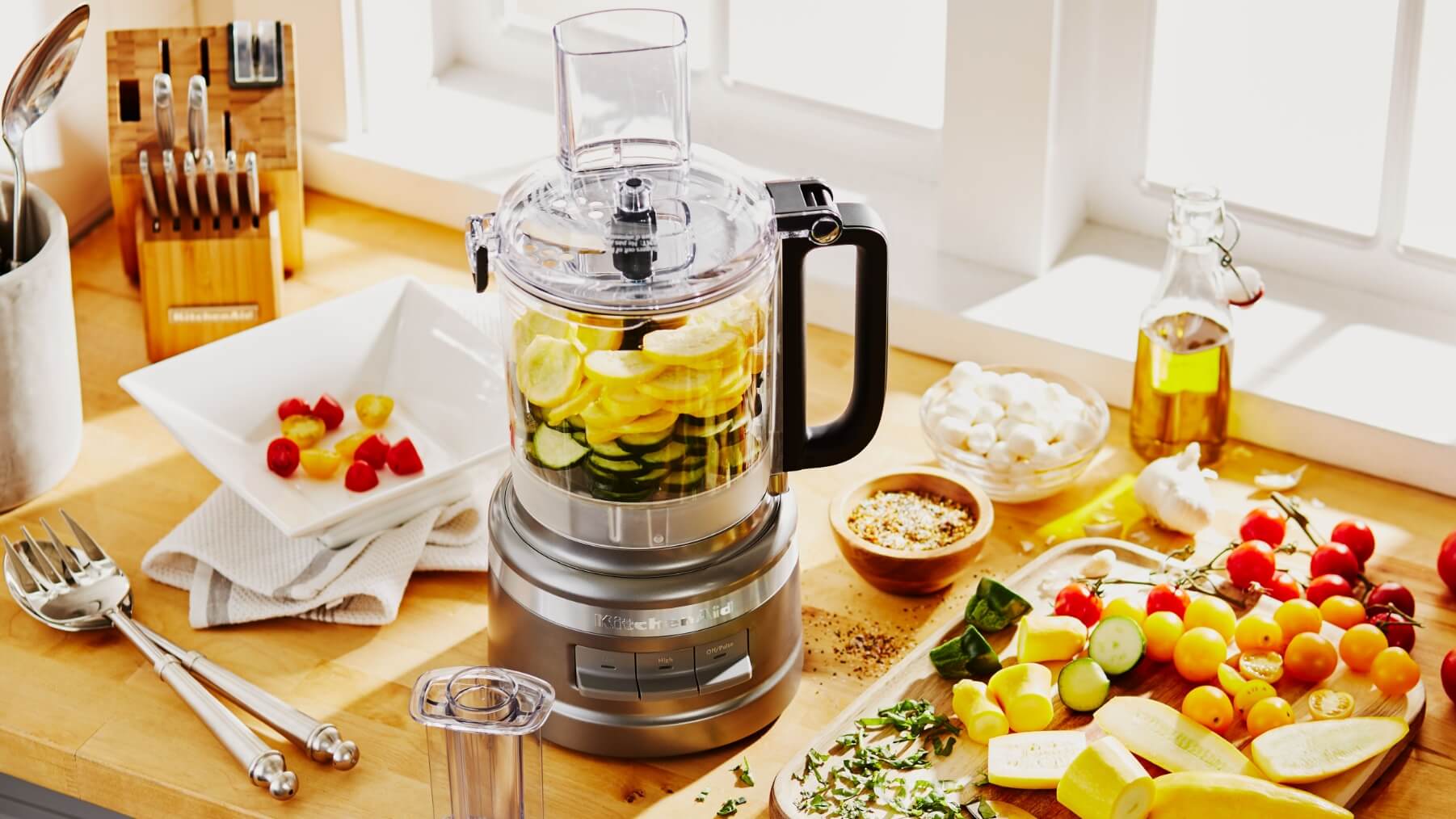
Here are the main functions of a food processor and how you can use them in real cooking.
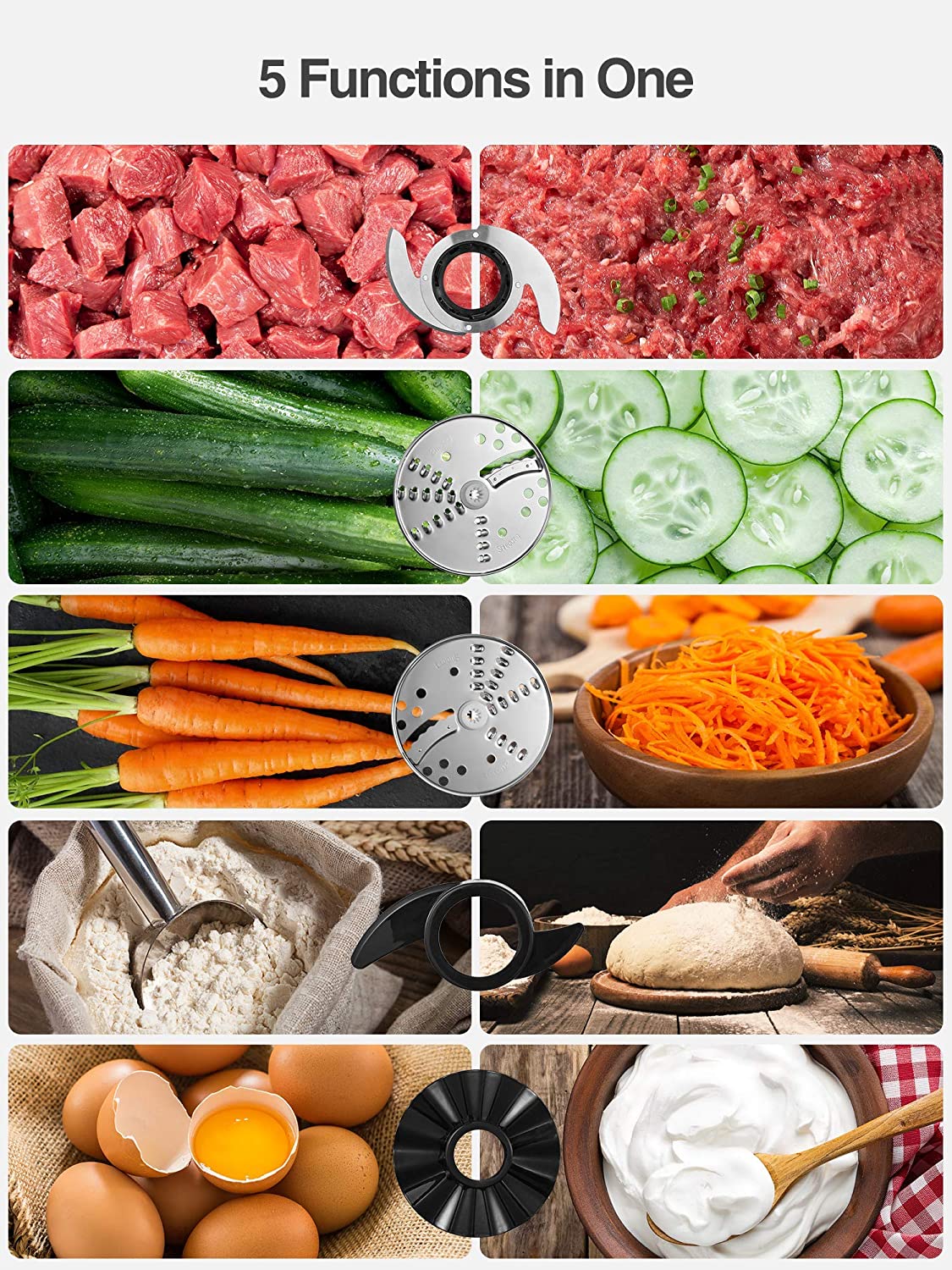
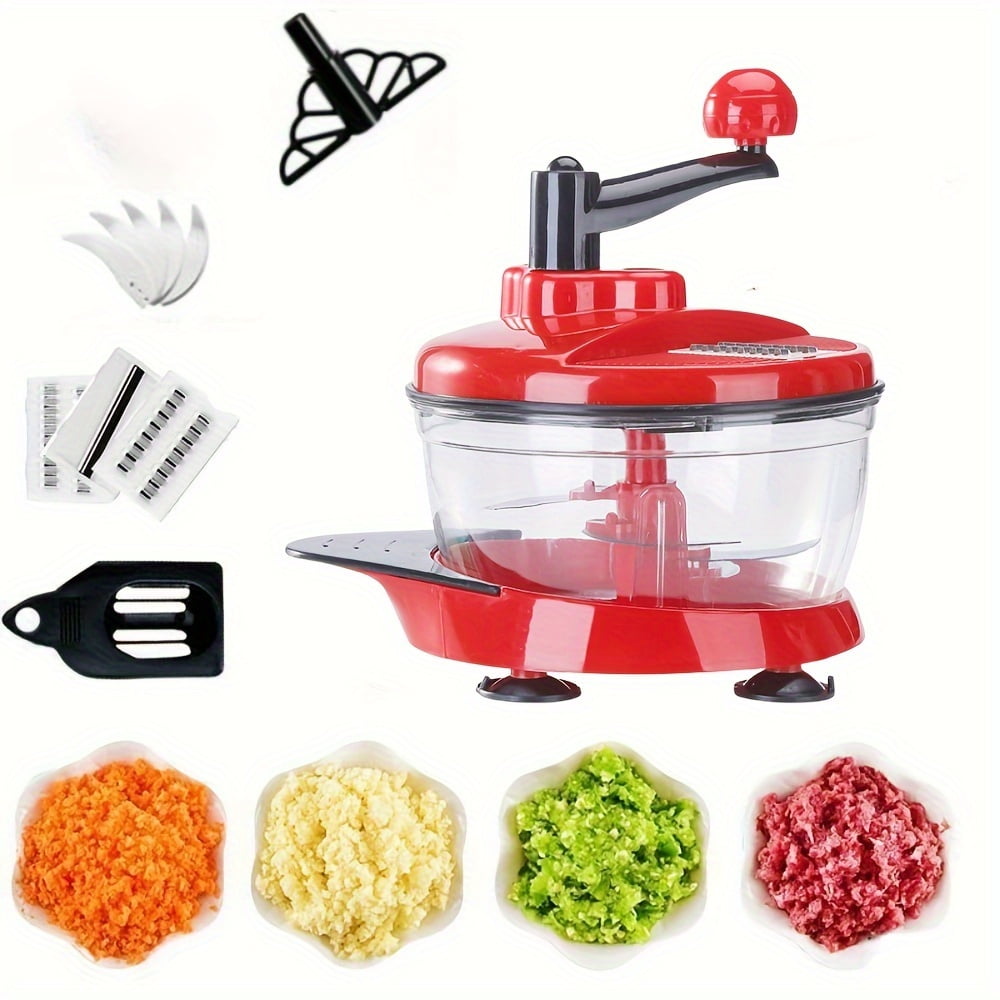
- Chopping. Breaks vegetables, herbs, nuts, and onions into even pieces. Use short pulses for chunky results or longer runs for fine bits.
- Shredding and grating. A shredding disc turns cheese, carrots, or cabbage into uniform shreds quickly. This speeds up salads and slaws.
- Slicing. The slicing disc makes even slices of cucumber, potato, or apple. It keeps thickness consistent for even cooking.
- Pureeing. A sharp blade purees cooked vegetables and beans into smooth soups, dips, and baby food.
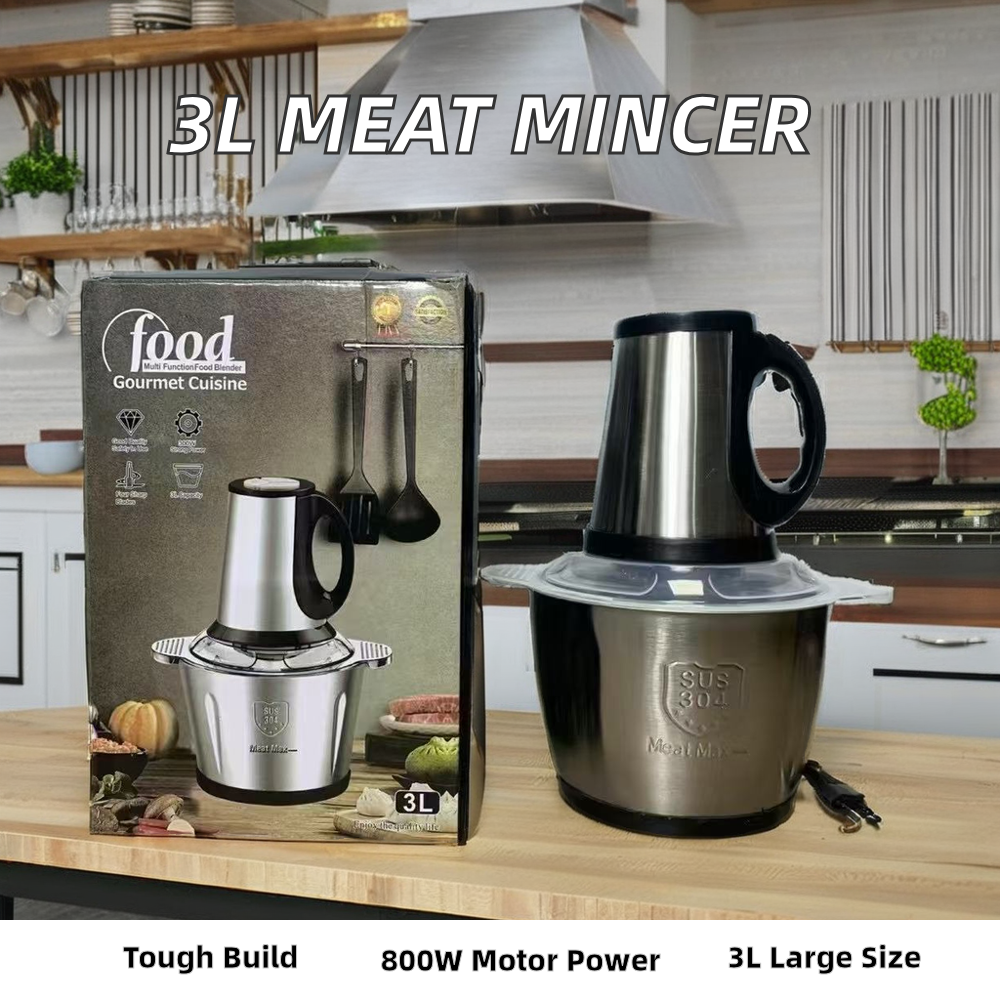
- Grinding. Grind nuts, seeds, or coffee beans for recipes. You can also grind raw meat in small batches.
- Mixing and emulsifying. The blade blends dressings, sauces, and batters. It can emuslify vinaigrettes or mayonnaise in minutes.
- Kneading dough. A dough blade or paddle folds and kneads dough for bread, pizza, or pastry. It saves hard elbow work.
- Making nut butters. With the right blade and time, a processor can turn roasted nuts into creamy butter.
- Crushing ice and frozen fruit. Some heavy-duty models can crush ice for drinks and sorbets.
I often use the chopping function to prep weeknight dinners. It cuts prep time in half. That real-life value is why I recommend one for busy cooks.
Attachments and parts that enable functions
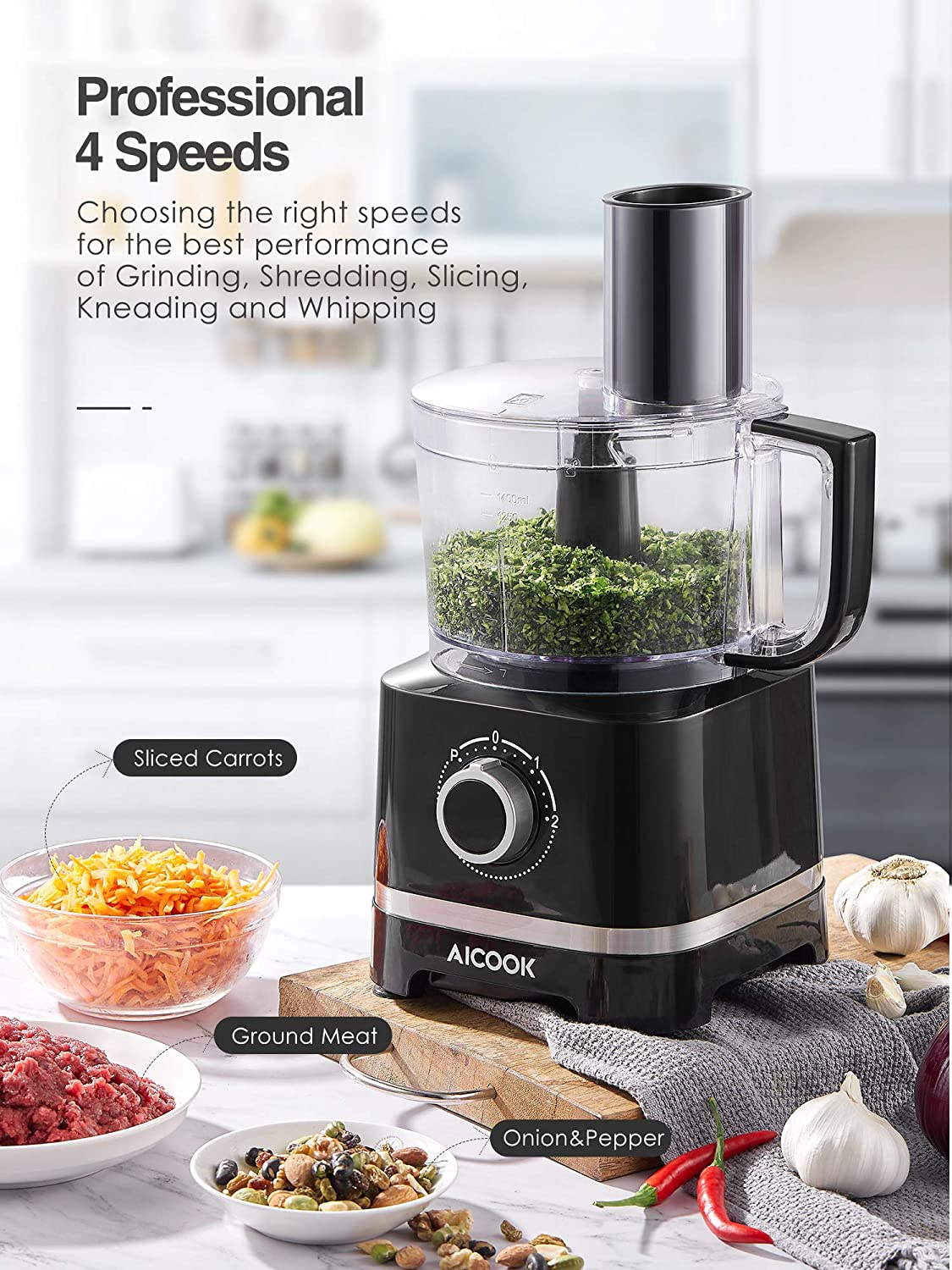
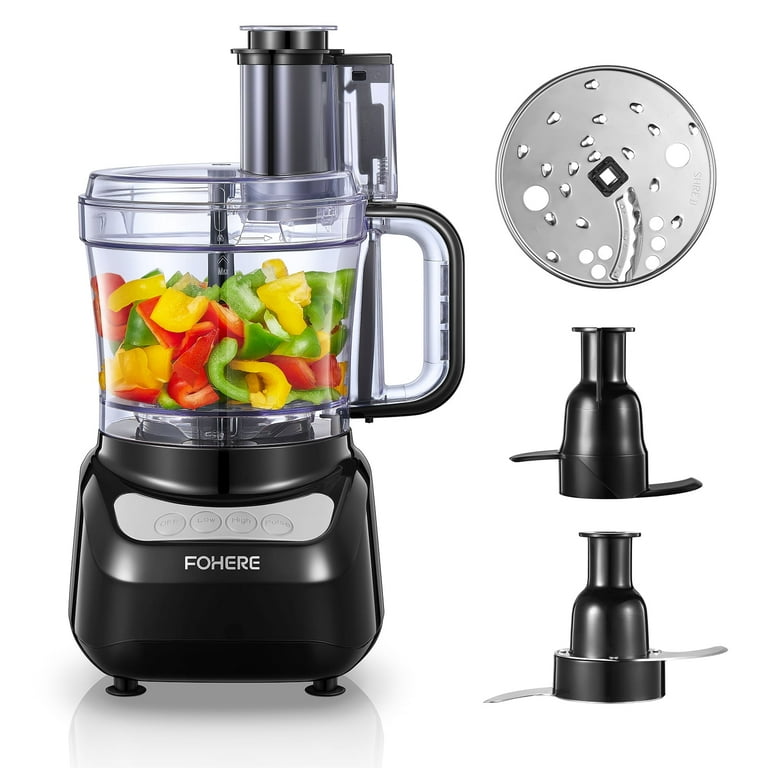
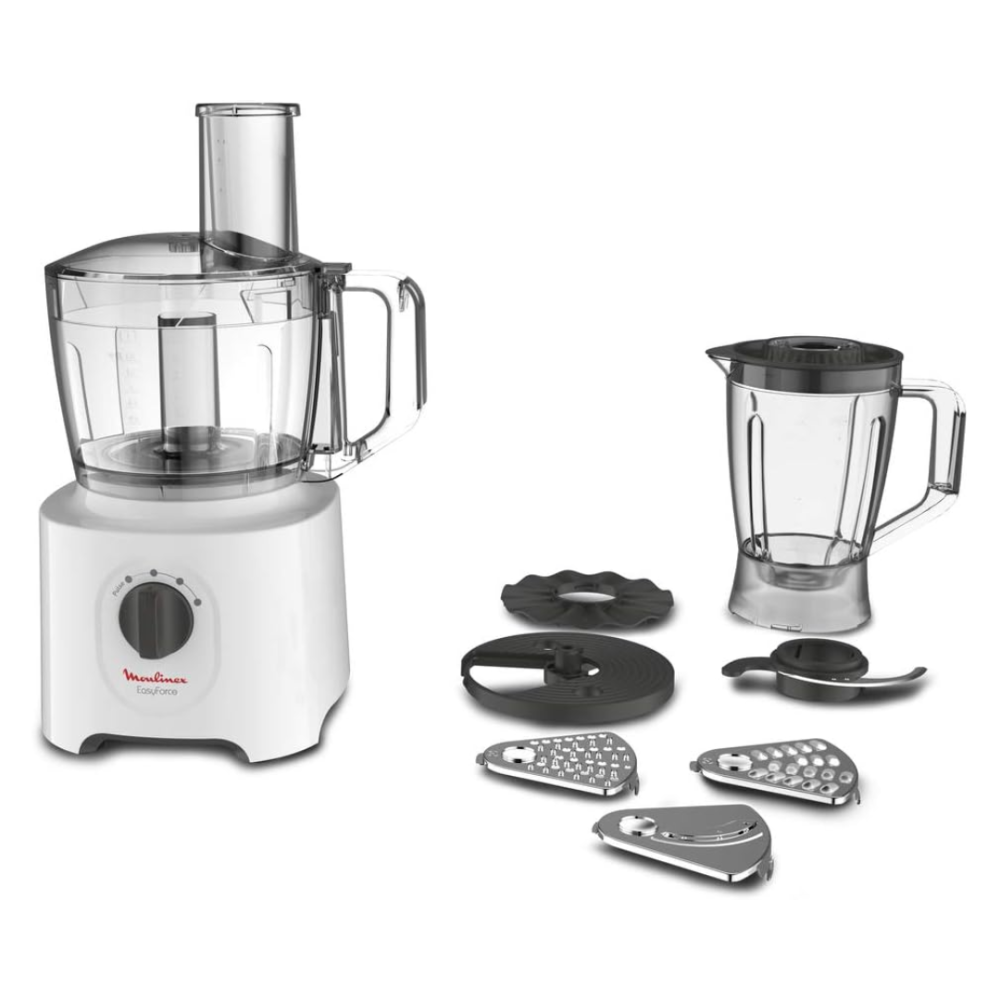
Parts change what the machine can do. Know them to match your needs.
- Motor base. Determines power and durability. Higher wattage handles tougher tasks.
- Work bowl. Sizes range from small to very large. Pick a size that fits typical meal plans.
- S-blade. The all-purpose blade for chopping, pureeing, and grinding.
- Dough blade. Softer paddle for kneading dough without overworking.
- Slicing disc. Creates uniform slices for even cooking.
- Shredding disc. Makes fine or coarse shreds for cheese and vegetables.
- Chute and pusher. Help feed food safely and evenly into the bowl.
- Lid with safety lock. Prevents operation unless parts are properly secured.
From my tests, a strong motor plus a quality S-blade covers most functions of a food processor well. Cheaper models may struggle with dense dough or large nuts.
Practical tips, recipes, and real-life uses
Small changes make the functions of a food processor even more useful.
- Pulse for control. Short pulses prevent over-processing when chopping.
- Work in batches. Don’t overload the bowl; do two small runs for even results.
- Chill meat and use cold bowls. Cold meat grinds more cleanly and safely.
- Add liquid for silky purees. A splash of stock or milk helps textures.
- Clean promptly. Blades and discs come clean faster if washed right after use.
Quick recipe ideas using common functions of a food processor:
- Pesto: use the S-blade to blend basil, nuts, cheese, and oil.
- Hummus: puree chickpeas, tahini, lemon, and garlic for smooth dip.
- Coleslaw: shred cabbage and carrots on the shredding disc.
- Quick pizza dough: use the dough blade to mix and knead a basic dough in minutes.
I learned the pulse tip the hard way after over-processing onions into mush. Pulse slowly and watch the bowl. It saved my next batch.
Benefits, limits, and when to choose one
A food processor speeds prep and improves texture. It also has limits to consider.
Benefits
- Saves time on prep work. Chopping and shredding are much faster.
- Creates consistent cuts. That leads to even cooking.
- Multipurpose. One machine can replace several tools.
Limits
- Not ideal for fine mixing or whipping egg whites. A stand mixer or whisk is better.
- Some models can be bulky and require storage space.
- Very fine purees may need a blender for silkier results.
Choose a food processor if you prep large meals, enjoy baking, or want to make dips and sauces fast. If you mostly make smoothies, a blender might be better.
Safety and maintenance
Good care keeps the machine safe and lasting longer.
- Always lock the lid before starting. Most units won’t run without it.
- Unplug before changing blades. Blades are sharp and dangerous.
- Hand dry blades and discs to prevent rust. Wash bowls and lids as recommended.
- Inspect seals and gaskets. Replace worn parts to avoid leaks.
- Store blades safely. Use blade guards or a dedicated drawer.
I once cut a finger while rushing to swap a blade. Now I unplug first and use gloves when needed.
Frequently Asked Questions of what are the functions of a food processor
What are the main functions of a food processor?
A food processor chops, slices, shreds, purees, grinds, mixes, and kneads. It speeds prep and creates consistent textures across many foods.
Can a food processor make dough?
Yes. With a dough blade or paddle, a food processor can mix and knead small to medium dough batches efficiently.
How is a food processor different from a blender?
A food processor is better for solid foods, chopping, and dough. A blender excels at liquids and silky purees. Each tool has its strengths.
Is a food processor good for nut butter?
Yes, a powerful food processor can turn roasted nuts into nut butter. It may take several minutes and periodic scraping.
How do I prevent over-processing?
Use short pulses and check texture often. Work in small batches and stop as soon as you reach the desired size or consistency.
Can I grind meat in a food processor?
Yes, you can grind small amounts of meat. Keep meat cold and cut into cubes for even grinding and food safety.
Conclusion
The functions of a food processor cover chopping, slicing, shredding, pureeing, grinding, mixing, and kneading. It speeds prep, yields consistent results, and unlocks new kitchen tasks. Try one for weekly meal prep or baking to see time savings and better textures. Start with small batches, learn the pulse technique, and care for blades to get the best results. If this guide helped, try a simple recipe using your processor, leave a comment, or subscribe for more hands-on tips.