A food processor has a motor base, bowl, lid with feed tube, blades, discs, and a spindle.
I’ve spent years testing kitchen gear and teaching cooking classes, so I know what are the parts of a food processor inside and out. This guide breaks each part down, explains how it works, and gives real tips from my own use so you can shop, clean, and cook with more confidence. Read on to learn every part, why it matters, and how to avoid common mistakes.
Core Parts of a Food Processor
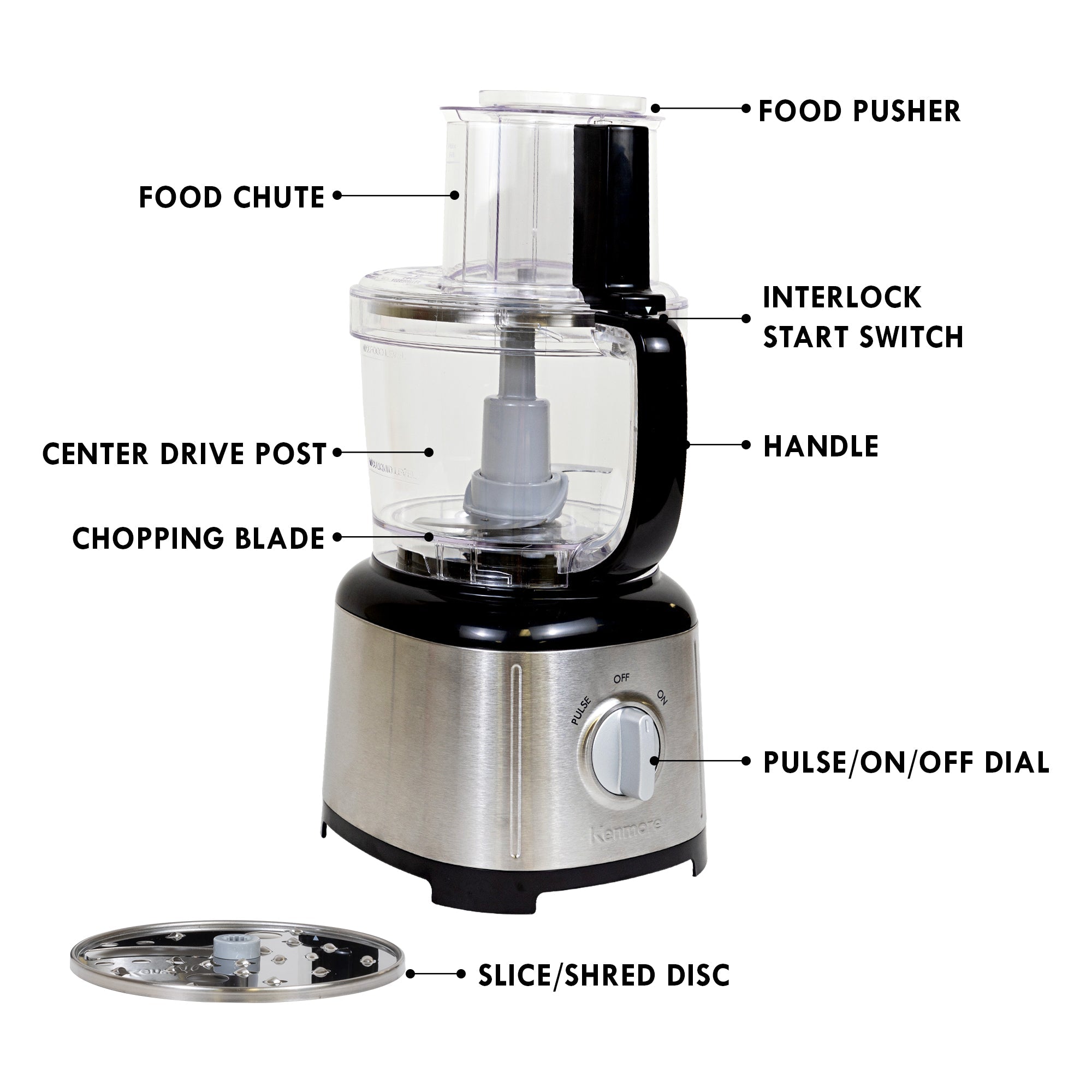
To answer what are the parts of a food processor, start with the core items you’ll touch most. These parts form the main system and control how the machine performs.
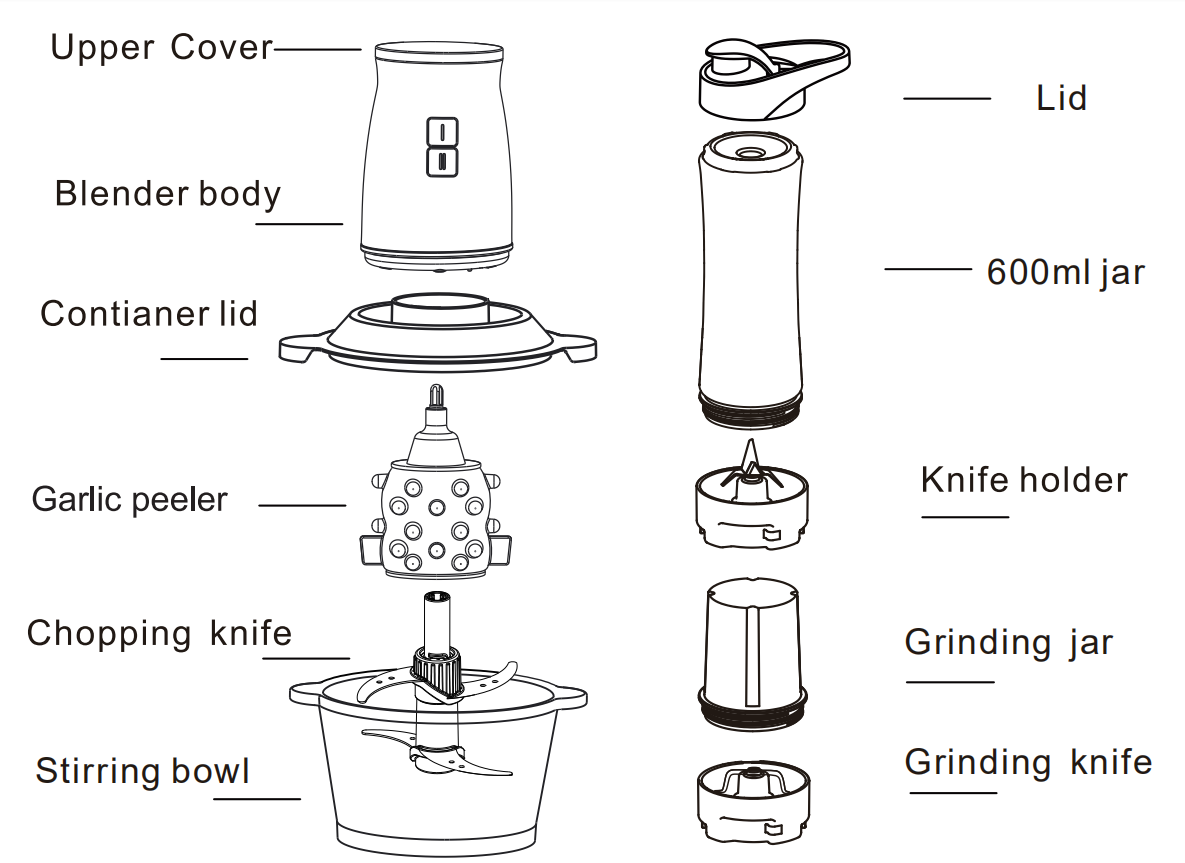
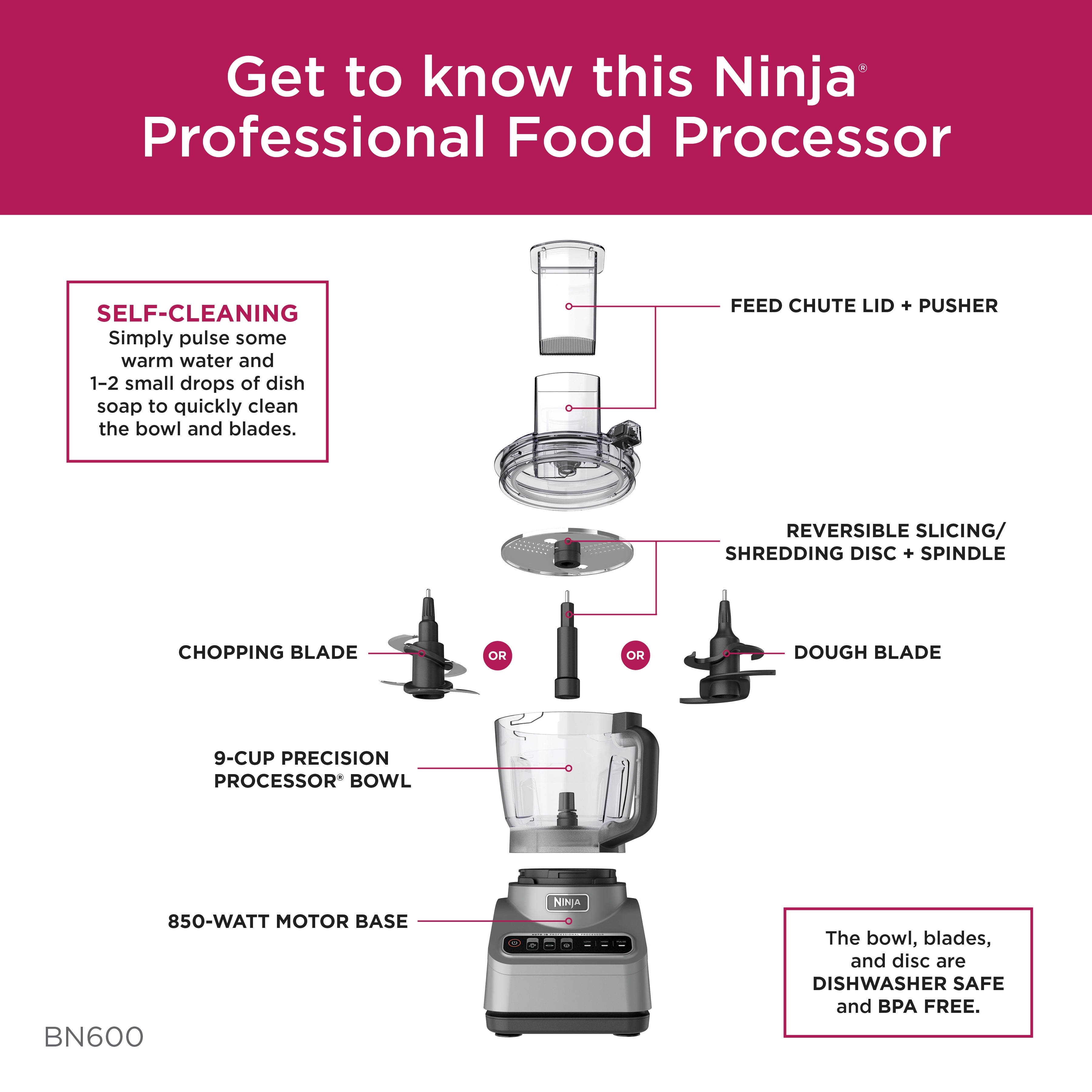
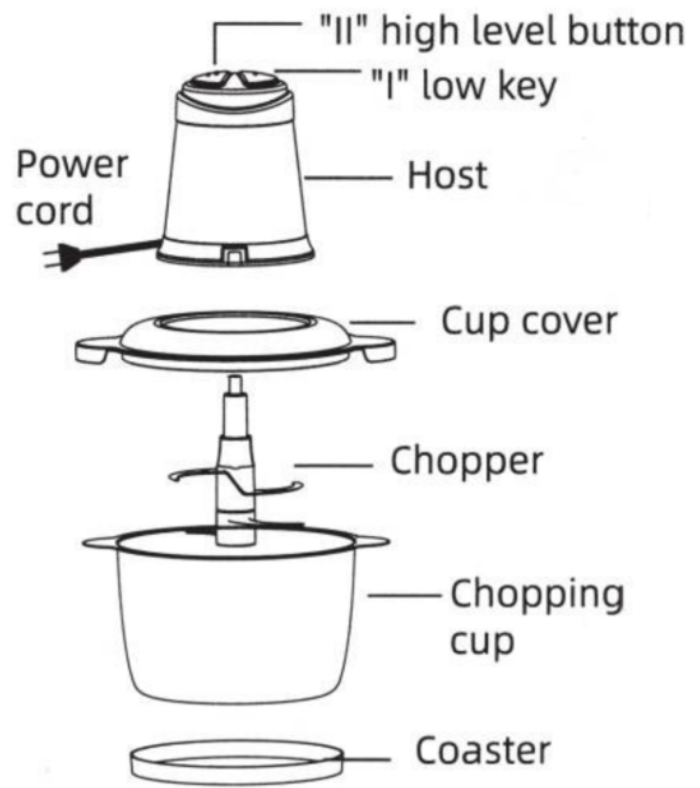
- Motor base — The heavy bottom that holds the electric motor and controls. A stronger motor cuts, grinds, and mixes more consistently. From my tests, a 600–1000 watt motor handles most home tasks well.
- Work bowl — The large container that holds food while it’s processed. Bowls come in sizes from mini (1–2 cups) to full (12+ cups). Choose one that fits your usual batch size.
- Lid with locking mechanism — The lid seals the bowl and prevents splashes. Most models won’t run unless the lid locks in place. That safety feature protects fingers and keeps things tidy.
- Feed tube and pusher — The tube lets you add food while running. The pusher keeps your hands safe and helps guide ingredients into the blades.
- S-shaped chopping blade — The central blade used for chopping, pureeing, and mixing. When you ask what are the parts of a food processor, the S-blade is the most used piece in my kitchen.
- Shredding and slicing discs — Flat discs that slice or shred when spun. Swap discs for thin or thick slices, coarse or fine shreds.
- Spindle or drive post — The small post that holds blades or discs in place and transmits motion from the motor.
- Seals and gaskets — Rubber rings that prevent leaks around the bowl and lid. Replace them if they wear or crack to avoid spills.
- Control panel — Buttons or dials that set speed, pulse, and program modes. Simple controls often beat overly complex menus.
Optional and Accessory Parts
Beyond the basics, what are the parts of a food processor often includes extra tools that expand use.
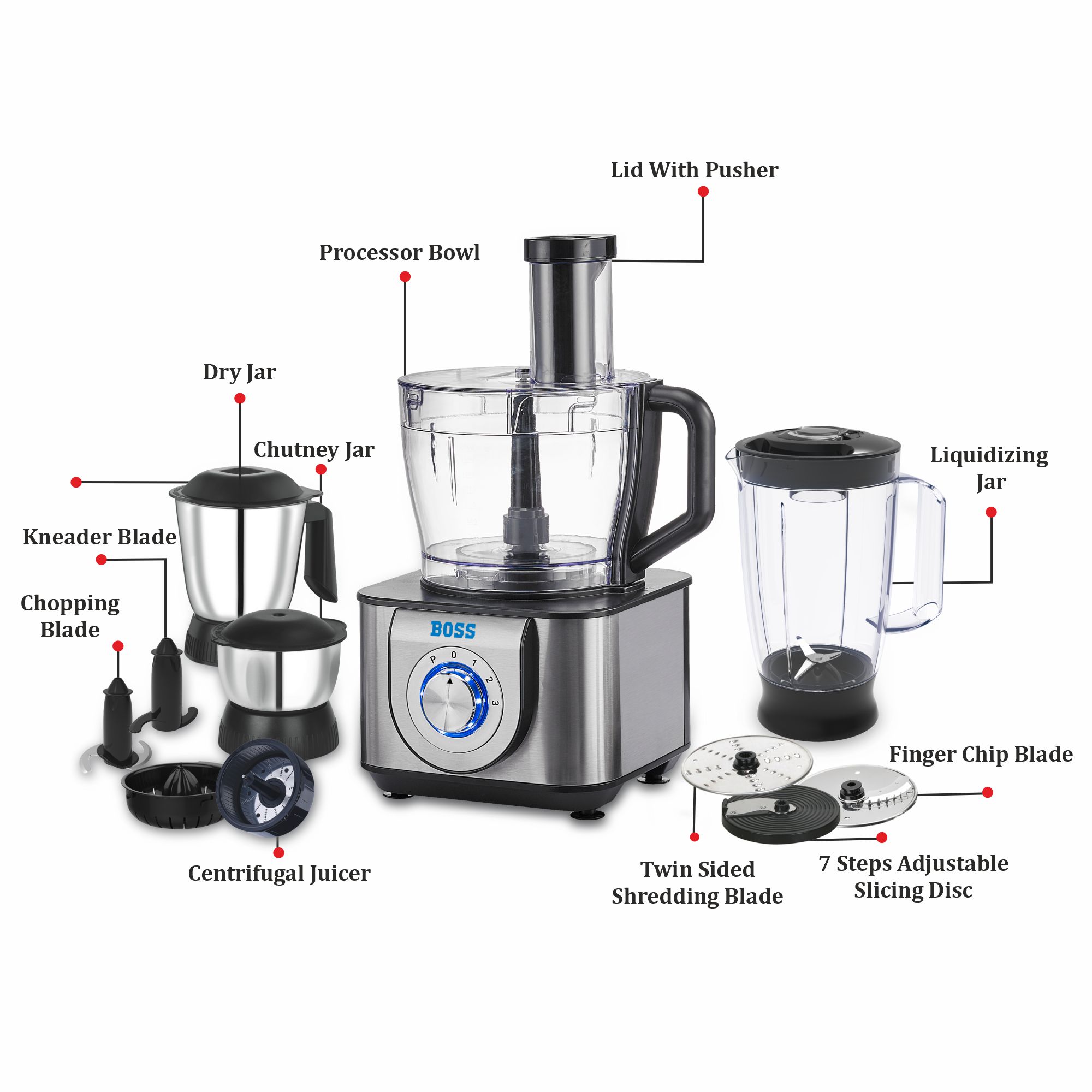
- Mini or secondary bowl — A smaller bowl for small jobs like chopping herbs. It saves time when you don’t want to fill the big bowl.
- Dough blade — A blunt, plastic blade for kneading dough gently. It mimics hand kneading without overheating the dough.
- Citrus juicer or blender attachment — Some systems let you swap in a juicer or blender component. This adds versatility without another appliance.
- Whisk or emulsifying disk — For whipping creams or making mayo. These parts can be handy but are not in every model.
- Storage case or carrier — Keeps blades and discs organized and safer to store.
These accessories change what are the parts of a food processor for different models. I learned to value a good storage case after losing a disc and nearly cutting my fingers.

How Each Part Works Together
To understand what are the parts of a food processor, it helps to see how they interact during use.
- Motor turns the spindle, which spins blades or discs. Higher torque handles dense foods like nuts and hard cheeses.
- Bowl holds the food and keeps it centered under the blade. The shape matters; round bowls pull food under the blade better.
- Lid and feed tube keep food inside and let you add items safely. The pusher guides food and prevents air pockets.
- Blades and discs determine the result. Use the S-blade for chopping and pureeing, discs for slicing and shredding.
- Controls let you pulse for coarse cuts or run continuously for smooth purées. Pulse gives you more control and reduces over-processing.
I often pulse when making salsa. It gives a chunky texture and avoids mush. That simple habit improved my recipes faster than trying a better motor.
Maintenance, Cleaning, and Safety
Knowing what are the parts of a food processor helps with care and safety. Proper maintenance extends life and keeps the machine safe.
- Cleaning tips — Wash removable parts by hand or in the dishwasher if manufacturer allows. Clean seals and the underside of the lid to avoid trapped food and mold.
- Blade care — Blades stay sharp longer if washed gently and dried right away. Handle blades with a towel to avoid cuts.
- Motor base care — Never submerge the motor base. Wipe it with a damp cloth and avoid harsh cleaners on controls.
- Gasket checks — Inspect seals often. Replace cracked or flattened gaskets to prevent leaks.
- Safety tips — Always unplug before removing parts. Make sure the lid locks before starting. Never stick fingers into the bowl while it runs.
A small mistake I made once was running a damp pusher in a busy prep session. It slipped and caused uneven feeding. Since then, I always dry accessories before use.
Choosing the Right Model: Parts That Matter Most
When shopping, focus on which parts will affect your daily use and durability. Knowing what are the parts of a food processor will help you choose wisely.
- Motor power — Look for enough wattage for your regular tasks. Higher watts handle tough jobs with ease.
- Bowl size and material — Pick a size you’ll use often. Glass bowls resist staining while plastic bowls are lighter.
- Number and style of blades and discs — Think about slicing, shredding, and dough needs. More discs equal more versatility.
- Build quality of the lid and locking system — A solid lock adds safety and feel. Cheap lids can warp and fail.
- Accessories and storage — Check if useful extras are included and how they store. A tidy case is a real time-saver.
- Warranty and parts availability — Choose brands with clear warranties and easy parts replacement. That matters if a seal or blade breaks.
From testing, I prefer a reliable motor and good locking lid over flashy extra discs. Those two parts determine long-term satisfaction more than any single accessory.
Frequently Asked Questions of what are the parts of a food processor
What are the basic parts of a food processor?
The basic parts include the motor base, work bowl, lid, feed tube with pusher, S-shaped blade, discs, and spindle. These parts handle most tasks like chopping, slicing, and pureeing.
How does the S-shaped blade differ from discs?
The S-shaped blade chops and purees by spinning close to the bowl floor, while discs slice or shred food as they spin at a higher level. Use the S-blade for finely chopped results and discs for uniform slices.
Can I clean all parts of a food processor in the dishwasher?
Many removable parts are dishwasher-safe, but always check the manual first. The motor base must never go in the dishwasher; wipe it with a damp cloth instead.
How often should I replace seals and gaskets?
Inspect seals regularly and replace them at the first sign of cracking or flattening. Replacing worn gaskets prevents leaks and keeps the machine working well.
Do all food processors include dough blades and extra discs?
Not all models include dough blades or many discs. Higher-end models and multi-purpose systems usually include more accessories. Consider what you will actually use before buying.
Is motor wattage the most important part?
Motor wattage matters but torque and build quality are just as important for heavy tasks. A well-built 700W machine can outperform a poorly made 1000W unit.
Conclusion
You now know what are the parts of a food processor and why each part matters. Focus on motor strength, a secure lid, and the blades or discs you will use most to get the best results. Try one simple change today: inspect your seals and sharpen or replace blades if food is unevenly cut. If this guide helped, leave a comment with your appliance questions or subscribe for more hands-on kitchen gear tips.