A food processor chops, grates, blends, kneads, and purees to save time and boost kitchen creativity.
I’ve used food processors for years in both home kitchens and small catering jobs, and I can say with confidence that knowing what are the uses of a food processor changes how you cook. This guide draws on hands-on experience and tested tips to explain practical uses, tools, and recipes you can make today. Read on to learn clear, step-by-step ways a food processor can speed prep, improve texture, and expand your menu.

Why a food processor belongs in every kitchen
A food processor is more than a fancy blender. It handles many chores fast. Knowing what are the uses of a food processor helps you plan meals and save time.
I recommend one for busy cooks, parents, and anyone who likes to make fresh food. From quick salsas to homemade dough, it does jobs that used to take much longer. You’ll learn smart ways to use it safely and well.
Core uses of a food processor
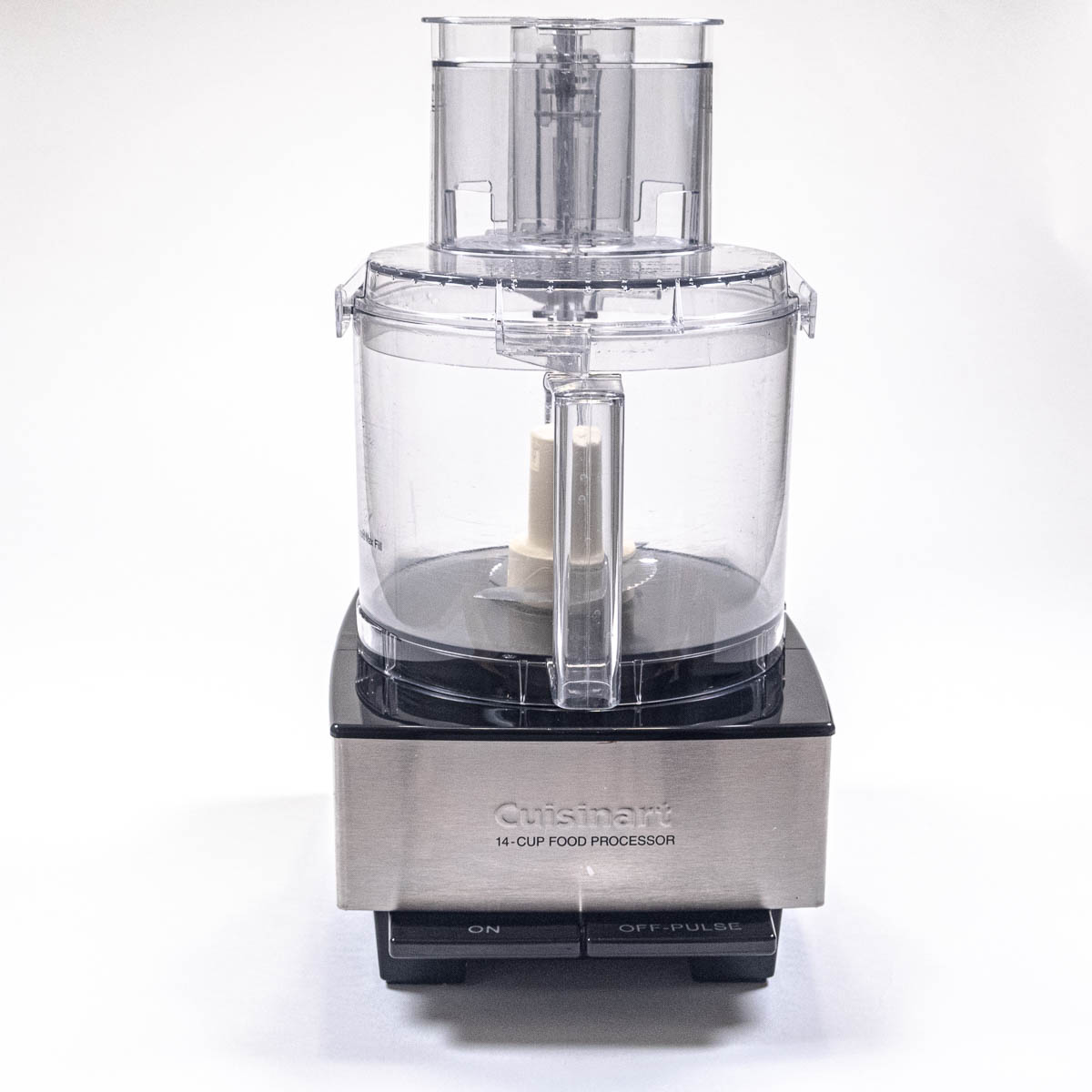
A food processor shines at basic prep tasks that repeat in many recipes. Below are the core things you can do with one and why they matter.
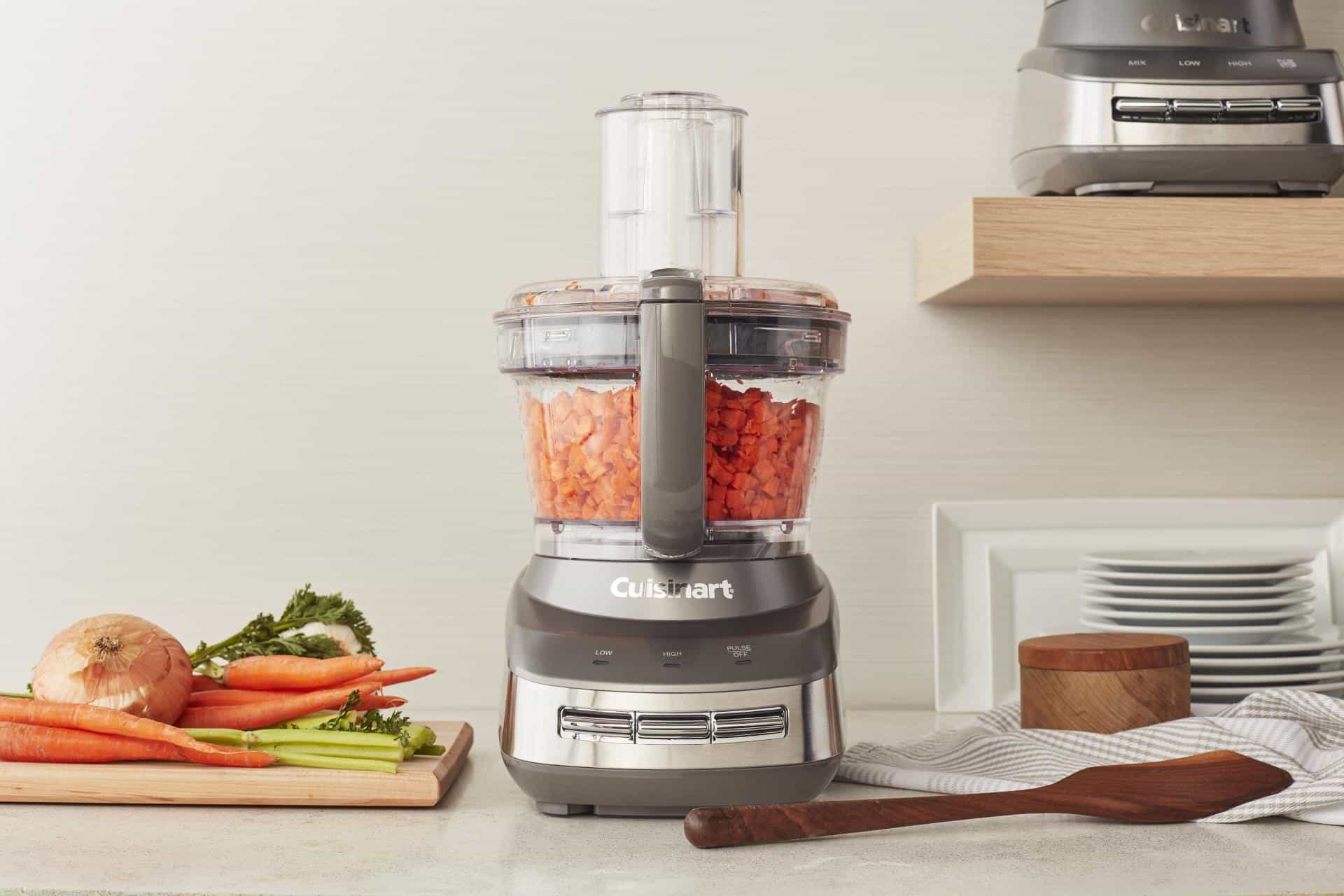
- Chop vegetables quickly for stews, casseroles, and salads. This keeps pieces uniform and reduces prep time.
- Slice or shred cheeses, cucumbers, and root vegetables for salads and sides. The discs give even cuts every time.
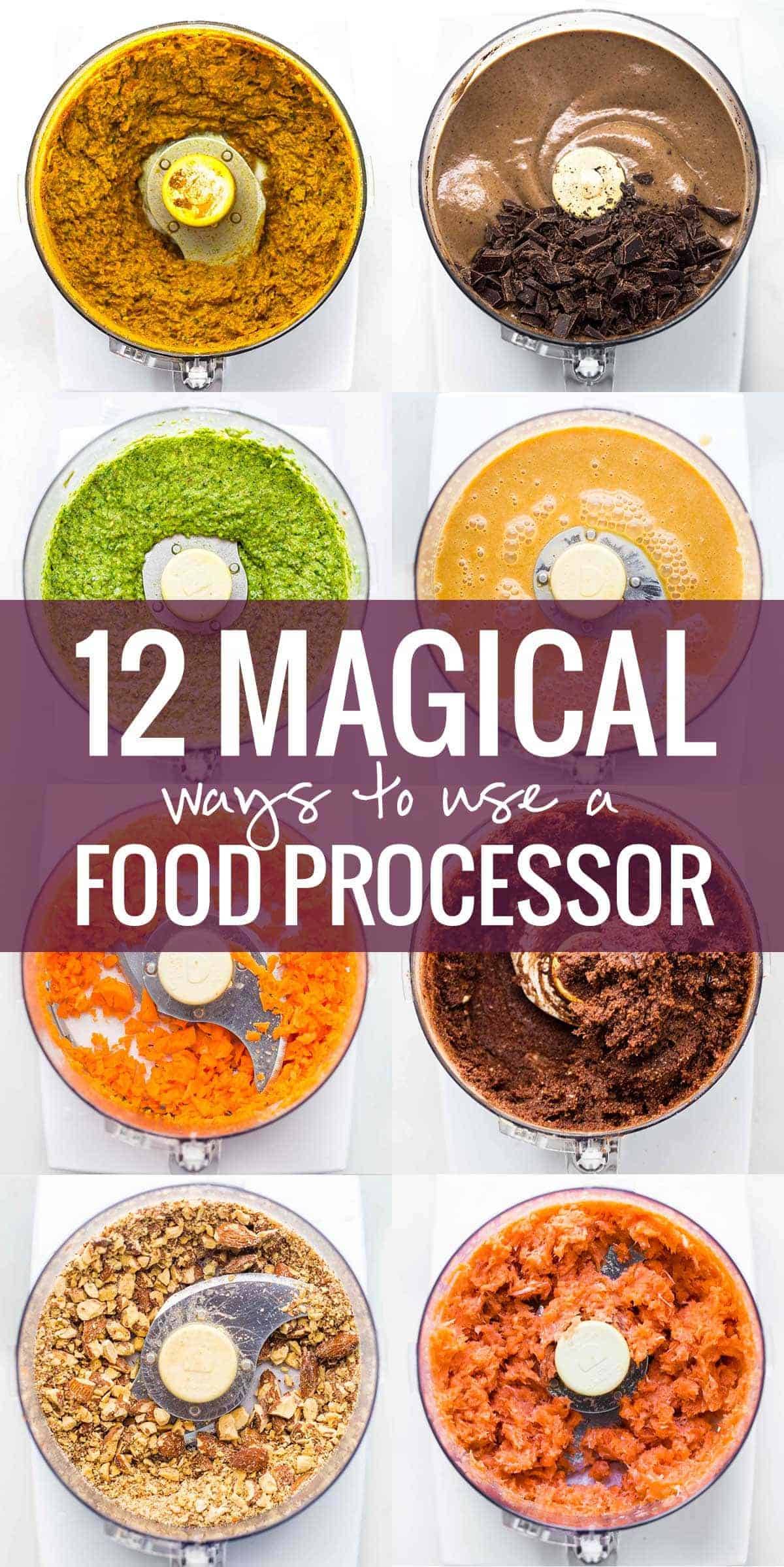
- Puree soups, sauces, and baby food for smooth, consistent texture. It beats hand-mashing for speed and smoothness.
- Grind nuts and seeds for crusts, toppings, or nut butters. Short pulses protect oils and prevent overheating.
- Make doughs and batters by mixing and kneading with the right blade. You can make pie crusts and pizza dough with little effort.
- Emulsify dressings and mayo for thick, stable results quickly. It yields a creamier product than whisking by hand.
Knowing what are the uses of a food processor means you can replace several small appliances with one unit. This saves counter space and reduces cleanup.
Specialized tasks and attachments
Food processors come with parts that expand what you can do. Learn the attachments and how they let you tackle more dishes.
- S-blade for chopping, pureeing, and mixing. This is the workhorse blade.
- Dough blade for kneading soft dough. It mimics hand kneading with minimal heat.
- Slicing disc for thin, uniform slices. Great for gratins and salads.
- Shredding disc for cheeses and vegetables. Ideal for coleslaw and tacos.
- Citrus juicer or mini-chopper for small tasks on some models. These add convenience for quick jobs.
If you want to make both smooth and textured foods, switch blades often and pulse to control results. Understanding what are the uses of a food processor with each attachment helps you pick the right setting and timing.

Practical recipes and real-life examples
Seeing real recipes makes the uses tangible. I’ll share simple ideas I use weekly and tips I learned the hard way.
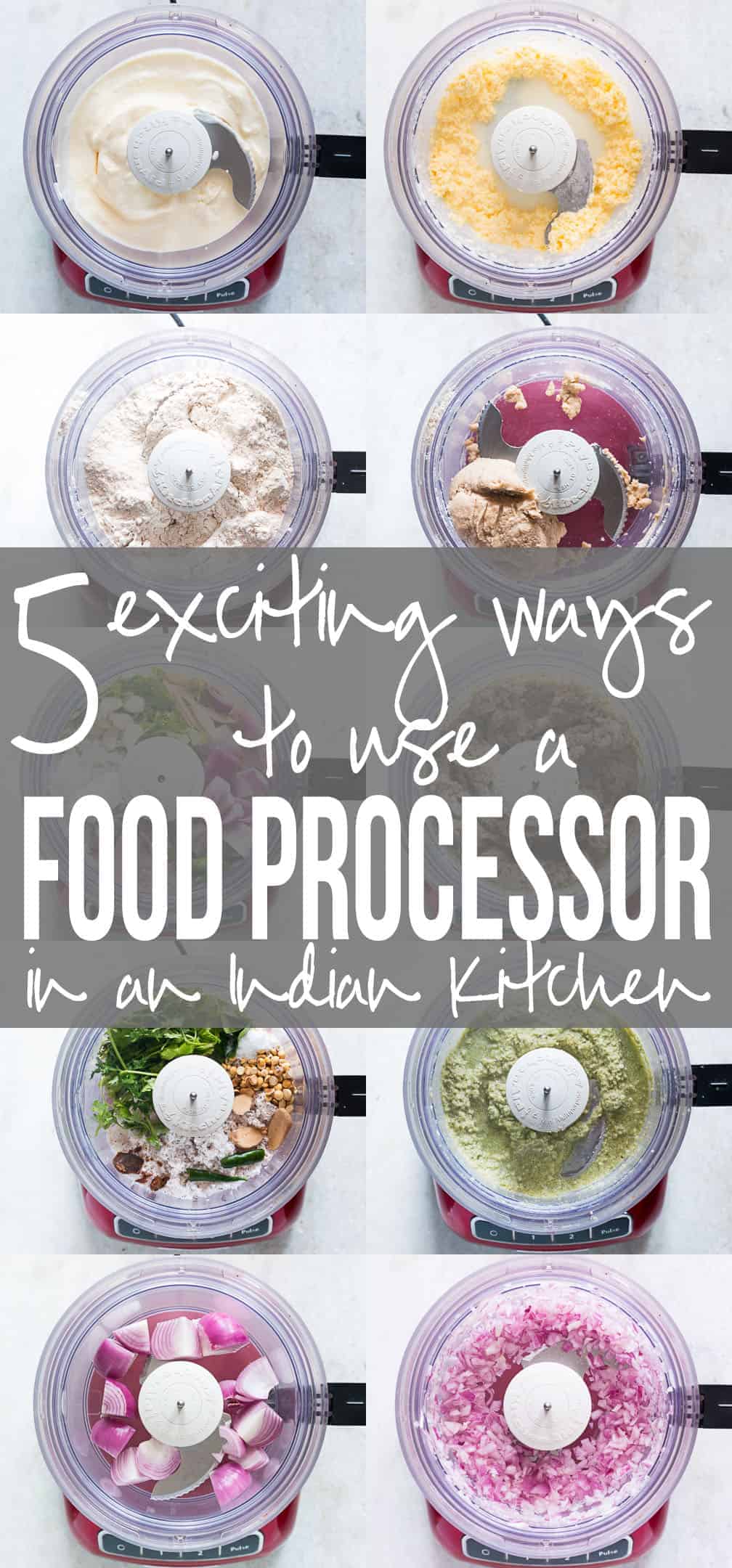
- Fresh salsa in 30 seconds: Put tomatoes, onion, jalapeño, cilantro, and salt into the bowl and pulse three to five times. Do not overprocess or it becomes a puree.
- Hummus in one bowl: Add chickpeas, tahini, lemon, garlic, and olive oil and blend until silky. Scrape the sides once to get even texture.
- Nut butter in 5–10 minutes: Roast nuts first, then process with a pinch of salt and a splash of oil while scraping often. Be patient; it goes from crumbs to butter.
- Pie crust with a pastry blade: Pulse flour and butter until pea-sized, then add cold water. Chill dough before rolling to keep it flaky.
- Quick pesto: Use basil, pine nuts, garlic, Parmesan, and oil and pulse until coarse. Freeze in ice cube trays for easy portions.
My mistake early on was overfilling the bowl. Now I work in batches to keep results consistent. Once you get a feel for pulse timing, you’ll use your processor for many dishes.

Tips for best results and safety
Small habits make a big difference in performance and longevity. These practical steps keep your machine working well.
- Use short pulses for chopping to control size and avoid turning food into mush. Pulse, check, and pulse again.
- Don’t overload the bowl; process in batches for even results. Overfilling strains the motor and makes uneven cuts.
- Keep fats cold when making pastry dough; warm fats ruin flakiness. Chill pieces between pulses if needed.
- Secure the lid and use the feed tube for additions to avoid splatter. Always unplug before changing blades.
- Clean promptly to avoid residue buildup; soak parts if needed and dry fully before storing. Proper care prevents smells and wear.
Understanding what are the uses of a food processor includes knowing these safety habits. They protect you and extend the life of your machine.
Buying and maintenance guide
Choosing and caring for a food processor ensures it serves you for years. Focus on a few key specs and simple upkeep.
- Motor power: Choose a model with enough watts for your needs; 600–1000W handles nuts and dough well. Higher power lasts longer under heavy use.
- Bowl size: Pick the bowl size that fits your usual batch sizes; 7–12 cups suit most households. A mini-chopper can be handy for small jobs.
- Materials and attachments: Look for sturdy blades and dishwasher-safe parts. Extra discs add value if you’ll slice and shred often.
- Warranty and repair: Pick a brand with good customer service and parts availability. A three-year warranty is a solid baseline.
- Maintenance: Replace worn blades and seals. Keep vents clean and avoid running motors empty for long periods.
When you shop, remember what are the uses of a food processor for you most often. That will guide your choice of power, size, and attachments.
Frequently Asked Questions of what are the uses of a food processor
How is a food processor different from a blender?
A food processor is designed for chopping, slicing, shredding, and kneading, while a blender focuses on liquids and smoothies. The processor has wider bowls and stronger blades for dry and chunky tasks.
Can I make dough in a food processor?
Yes, a food processor can mix and knead soft dough quickly using a dough blade. Avoid heavy, dense doughs that can overwork the motor.
Is a food processor good for making nut butter?
Absolutely. A food processor makes nut butter by grinding nuts into a paste, but it may take several minutes and frequent scraping. Roast nuts first for better flavor and easier blending.
Can I puree hot soup in a food processor?
You can, but let hot soup cool slightly and fill the bowl only partway, venting the lid to avoid steam pressure. Better yet, use an immersion blender for hot liquids to reduce risk.
Will a food processor save me time in the kitchen?
Yes. It reduces chopping, grating, and mixing time and can replace several tools. Time savings are greatest for batch cooking and recipes with lots of prep.
How do I keep my food processor blades sharp?
Wash blades by hand or in the dishwasher if recommended, and avoid cutting very hard items like bones. Replace blades when they show wear for consistent results.
Conclusion
A food processor is a versatile tool that chops, slices, grates, kneads, and purees to speed up kitchen work. Learning what are the uses of a food processor helps you pick the right model, use the right blade, and make better food faster.
Try one recipe this week—make salsa, hummus, or pie crust—to see how much time you save. If this guide helped, leave a comment with your favorite food processor trick or subscribe for more hands-on kitchen tips.