A rice cooker cooks rice perfectly and doubles as a multi-use countertop appliance.
I’ve tested dozens of rice cookers over the years and taught friends how to get more from them. In this guide I’ll explain the uses of rice cooker in practical, everyday terms. You’ll learn simple recipes, time-saving hacks, and expert tips so your rice cooker becomes a true kitchen workhorse.
:max_bytes(150000):strip_icc()/__opt__aboutcom__coeus__resources__content_migration__simply_recipes__uploads__2020__03__Rice-Cookers-LEAD-1-5e344ea3ef304b148bc141077d3c8ae1.jpg)
Why a rice cooker is more than a rice machine
A rice cooker is built to do one thing very well: cook rice without fuss. But its real value is its flexibility. The uses of rice cooker extend far beyond white rice. With simple tweaks you can steam, simmer, bake, and slow-cook.
Rice cookers come in many sizes and feature sets. Basic models beat the stovetop for consistency. Advanced models add timers, keep-warm, and pressure functions. That variety increases the practical uses of rice cooker for many kitchens.
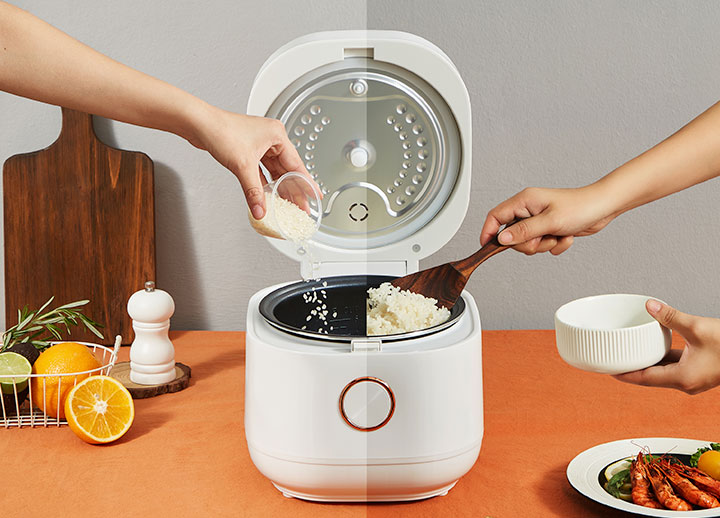
Core uses of rice cooker: quick overview
Rice cookers save time and reduce attention. Here are the main uses of rice cooker you’ll use most often.
- Cook plain rice: Reliable, hands-off cooking for white, brown, or jasmine rice.
- Prepare grains: Cook quinoa, barley, farro, and bulgur with water ratios similar to rice.
- Make porridge and congee: Slow, even heat makes creamy porridges without stirring.
- Steam food: Many models come with a basket to steam veggies, fish, and dumplings.
- One-pot meals: Combine protein, veggies, and grains for simple dinners.
- Reheat and keep warm: Gentle heating avoids drying out leftovers.
- Slow cook and stew: Some multi-cookers include slow-cook settings for soups and braises.
- Desserts and baking: Puddings, steamed cakes, and even bread can be made in a rice cooker.
Each of these uses of rice cooker can replace a stovetop or oven in small kitchens. As you practice, you’ll find combinations that fit your routine.

Cooking different types of rice and other grains
Rice cookers make different rice types easy. Here’s how the uses of rice cooker apply to common grains.
- White rice: Use 1:1 to 1:1.25 rice-to-water ratios in many cookers. Let rest after cooking.
- Brown rice: Use more water (about 1:1.5 to 1:1.75) and allow longer steaming time. Many cookers have a brown-rice setting.
- Sushi rice: Rinse well and use slightly less water for sticky texture.
- Basmati and jasmine: Rinse to remove excess starch; use regular rice setting for fluffy grains.
- Quinoa and millet: Rinse and use the same method as white rice with adjusted ratio (often 1:1.25).
- Barley and farro: Pre-soak if needed, add more liquid, and accept longer cook times.
Tip: If your rice cooker has a grain setting, use it. If not, experiment with water ratios and keep notes. The uses of rice cooker for grains cut down on guesswork and produce consistent results.
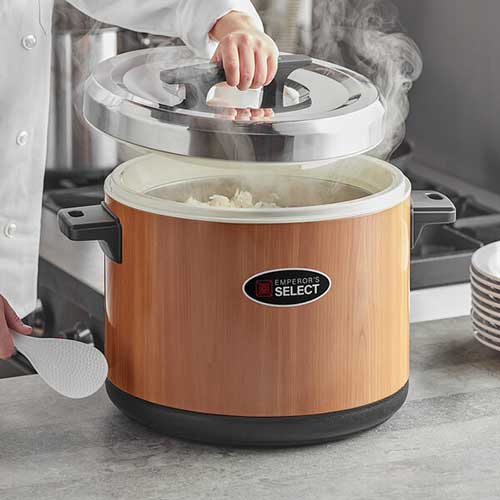
One-pot meals, soups, and stews
Rice cookers are excellent for simple, low-effort meals. The steady heat suits one-pot cooking.
- Rice and beans: Add soaked beans, rice, seasonings, and broth. Use longer cook or soak beans first.
- Chicken and rice: Sear pieces first if possible, then combine with rice and stock to cook together.
- Soups and stews: Use a slow-cook or soup setting if available, or let the cooker simmer until tender.
- Curries and chili: Simmer vegetables and proteins until flavors meld. Thick sauces may need occasional stirring.
From personal tests, a rice cooker makes flavorful one-pot dinners without babysitting pots. These uses of rice cooker are perfect for busy weeknights and small households.

Steaming vegetables, fish, and dumplings
Steaming preserves texture and nutrients. Most rice cookers include a steaming tray or basket.
- Vegetables: Place chopped veggies in the steamer basket above the cooking rice or water. Steam until bright and tender.
- Fish fillets: Season and steam gently; fish stays moist and flaky.
- Dumplings and buns: Steam from frozen or fresh for tender results.
Pro tip: Use the cooker’s keep-warm feature to carry steamed food at serving temperature. This is one of the easiest uses of rice cooker for healthy meals.
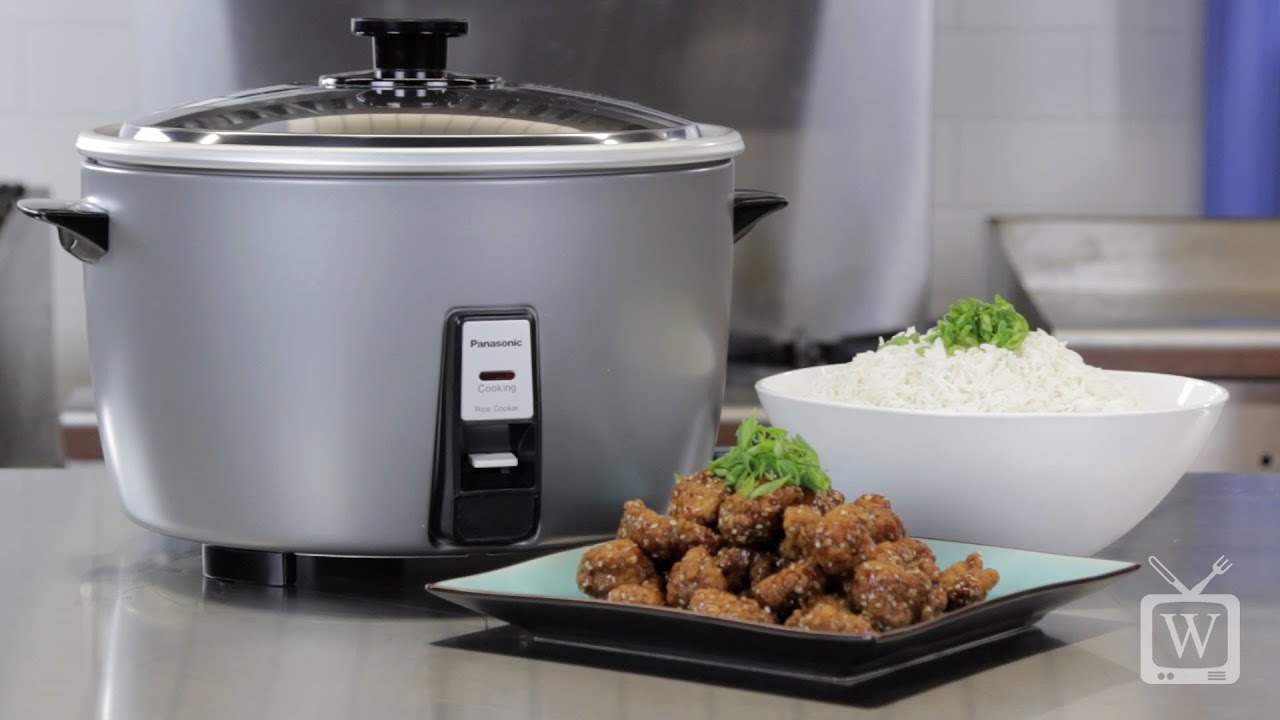
Breakfasts, porridge, and desserts
Rice cookers are ideal for slow, creamy breakfasts and simple desserts.
- Oatmeal and porridge: Combine oats and liquid, use porridge or cook setting. Leave to rest for creamier texture.
- Congee: Long simmering breaks rice into a creamy porridge. Add ginger, green onions, or protein.
- Rice pudding: Use milk and sugar; cook slowly until thick.
- Cakes and steamed desserts: Many rice cookers can steam sponge cakes or puddings in a pan placed inside.
I often make overnight steel-cut oats in the rice cooker. Set it before bed and wake to creamy breakfast — one of the most convenient uses of rice cooker I rely on.

Baking, slow-cooking, and unconventional hacks
Beyond basic functions, rice cookers can do creative things.
- Bake simple cakes: Use a heatproof pan and a standard cook cycle. Results are more like steamed cake.
- Slow-cook stews: Use low heat for long periods to tenderize tough cuts.
- Poach eggs: Add water and use a low setting for gentle poaching.
- Make yogurt: Some models have a yogurt function. You can also DIY with jars and warm cycles.
- Reheat pizza and bread: Gentle heat refreshes without crisping too much.
These uses of rice cooker are great for experimentation. Start small and track times to refine your technique.
Tips, best practices, and what to avoid
Use the rice cooker well and it will last. Avoid common pitfalls.
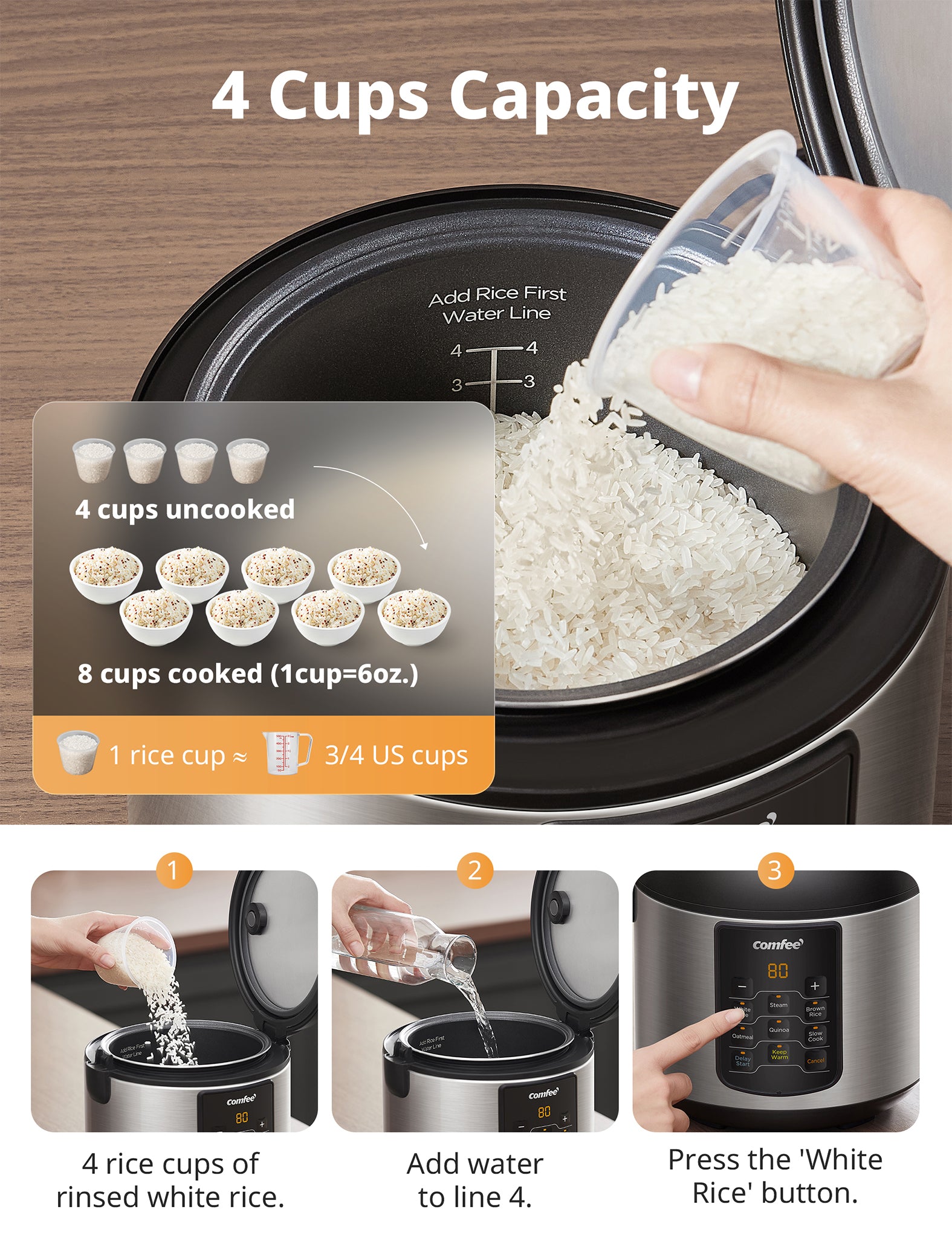
- Measure water and rice: Accurate ratios yield consistent results.
- Rinse rice when needed: Rinsing reduces excess starch and prevents gummy rice.
- Don’t overfill: Follow maximum fill lines to avoid spills or uneven cooking.
- Use the right accessory: Steamer baskets and inner pots fit certain models; use compatible parts.
- Clean promptly: Wipe the heating plate and wash the pot after each use to prevent stuck residue.
- Be cautious with beans and legumes: Some need soaking and longer heat than the cooker offers.
I once tried cooking dried chickpeas without soaking. They stayed undercooked. Lesson learned: respect ingredient needs. These simple practices expand the safe and useful uses of rice cooker.
Personal experiences and lessons learned
I started with a budget rice cooker years ago. It gave me perfectly cooked rice for months. Then I upgraded to a multicooker and discovered more uses of rice cooker I hadn’t imagined.
- Lesson 1: Keep-warm is a game changer. It lets me prep sides and serve later without drying food.
- Lesson 2: Steaming above rice saves time and reduces dishes.
- Lesson 3: Always test ratios. I keep a small notebook to log findings for each grain and recipe.
These small habits made my rice cooker a central tool. You don’t need an expensive model to get most benefits. Patience and practice pay off.
Frequently Asked Questions of what are the uses of rice cooker
Can I cook other grains besides rice in a rice cooker?
Yes. You can cook quinoa, barley, and millet using similar water-to-grain ratios. Adjust water and time for denser grains like farro and barley.
Is it safe to leave a rice cooker on keep-warm overnight?
Most modern rice cookers are designed to be safe on keep-warm for several hours. For long overnight use, check your model’s instructions to be sure.
Can I use a rice cooker to steam fish and vegetables?
Absolutely. Place the fish or vegetables in the steamer basket above the pot. Steam until they reach the desired texture.
Will cooking beans in a rice cooker work without pre-soaking?
Some beans may cook through with long cycles, but pre-soaking shortens time and improves texture. For best results, soak tougher legumes first.
Can I bake a cake in a rice cooker?
Yes, you can bake simple cakes using a heatproof pan inside the rice cooker. Results are usually moist and more like a steamed cake than an oven-baked one.
Conclusion
Rice cookers are quiet, reliable, and surprisingly versatile. From perfectly steamed rice to one-pot dinners, the uses of rice cooker cover breakfasts, snacks, mains, and desserts. Try a few simple experiments: steam vegetables above rice, make porridge overnight, or cook a slow stew. Small changes will save time and open new meal options.
Put what you learned into practice this week. Pick one new use of rice cooker and try it. Leave a comment with your favorite rice cooker trick or subscribe for more kitchen tips.