
Most kitchen sink caddies are made from stainless steel, plastic, silicone, bamboo, or coated metal.
I have spent years testing and selecting kitchen gear, and I know the small choices matter. This article answers the core question, What materials are kitchen sink caddies typically made of?, and then walks you through pros, cons, care tips, and how to pick the best caddy for your sink. Read on for clear, practical advice drawn from hands-on experience and industry best practices.
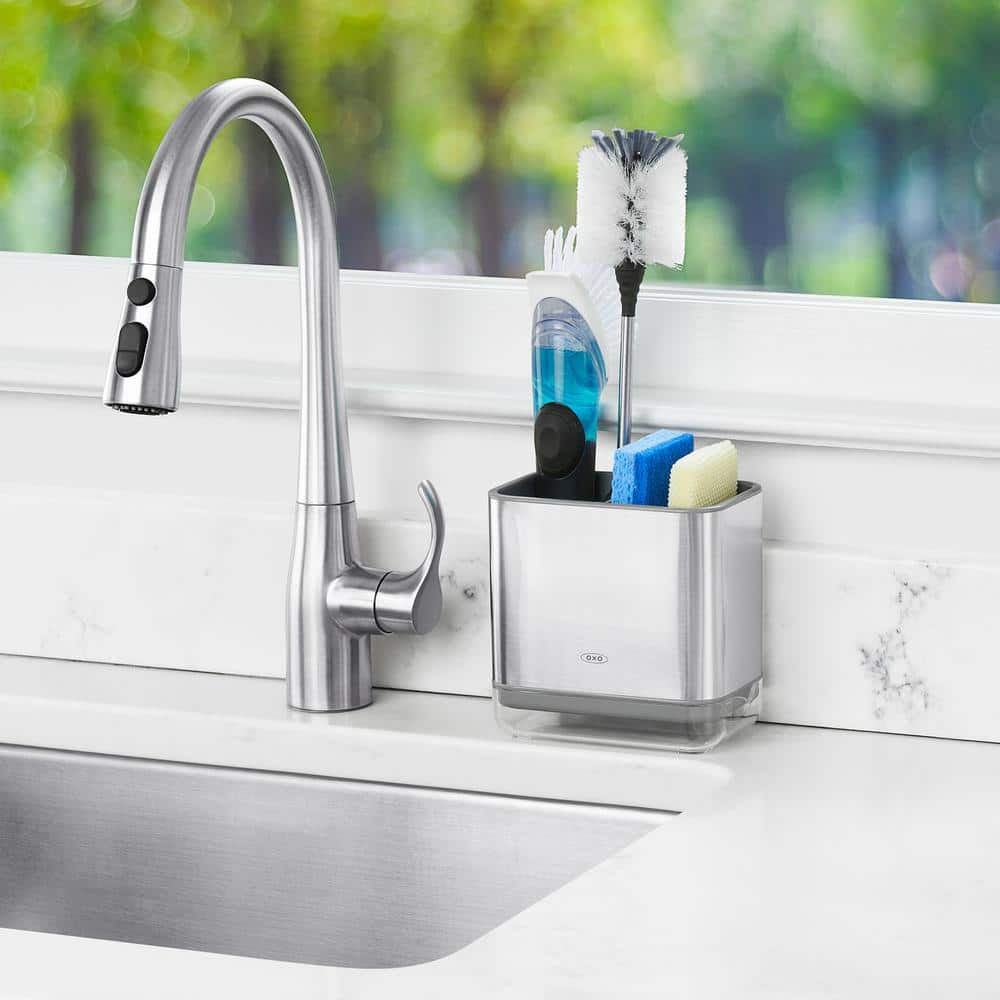
Common materials used for kitchen sink caddies
Kitchen sink caddies come in several common materials. Each material offers different looks, costs, and durability. Below are the most typical materials you will find and a simple description of each.
- Stainless steel
- Durable and rust-resistant when properly finished.
- Often used for higher-end caddies and fits modern kitchens well.
- Plastic (ABS, polypropylene)
- Lightweight, cheap, and easy to mold into shapes.
- Comes in many colors and drains well when designed with holes.
- Silicone
- Flexible and non-slip.
- Good for holding sponges and small tools; resists staining.
- Bamboo and wood
- Renewable and warm-looking.
- Can warp if left wet; often treated or paired with drainage trays.
- Coated metals (powder-coated steel, chrome-plated)
- Offer a low-cost metal look.
- Coatings can chip; exposed metal may rust over time.
What materials are kitchen sink caddies typically made of? The short answer is that they are usually stainless steel, plastic, silicone, bamboo, or coated metal, depending on price and style.

Pros and cons of each material
Knowing the strengths and weaknesses helps you choose. I list simple pros and cons to make the choice fast and clear.
- Stainless steel
- Pros: Long-lasting, classy, resists odors.
- Cons: Can show water spots; pricier than plastic.
- Plastic
- Pros: Cheap, colorful, easy to clean.
- Cons: Can degrade or hold stains and smells over time.
- Silicone
- Pros: Soft, easy to clean, gentle on delicate items.
- Cons: Less rigid; may not drain as well unless designed with channels.
- Bamboo and wood
- Pros: Eco-friendly look, natural antibacterial properties.
- Cons: Needs drying and care to avoid mold and warping.
- Coated metals
- Pros: Affordable metal look, lightweight.
- Cons: Coating can chip, exposing metal to rust.
When asking What materials are kitchen sink caddies typically made of?, weigh these trade-offs. For everyday heavy use, stainless steel or good-quality plastic often works best.
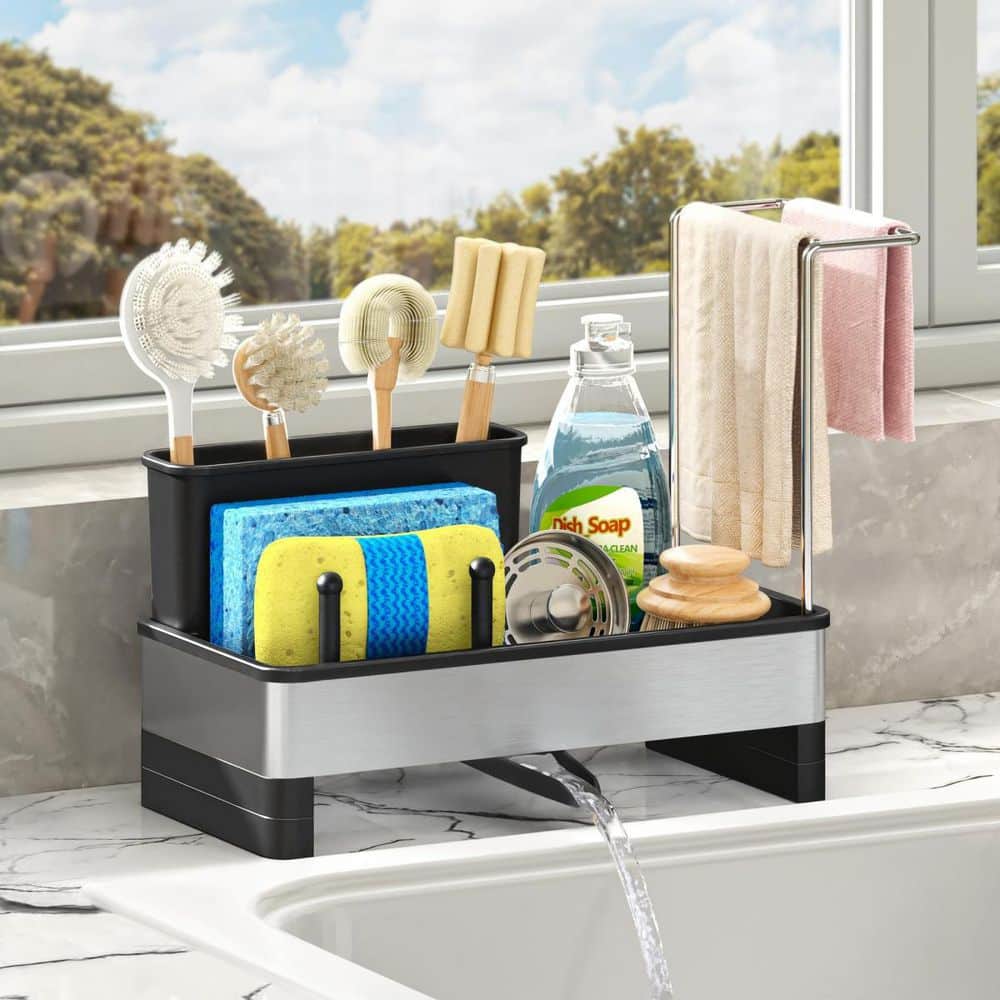
Design features linked to material choice
The material often dictates the useful features and design. Match features to how you use your sink.
- Drainage and airflow
- Look for holes, slats, or raised racks. Metals and molded plastics often have built-in drainage.
- Mounting and attachment
- Suction cups and adhesive hooks pair well with silicone or plastic. Over-the-faucet or under-sink hangers prefer metal.
- Size and compartments
- Molded plastic can offer customized slots. Bamboo trays tend to be simpler.
- Ease of cleaning
- Removable parts are easier to clean. Smooth stainless and silicone are easiest to wipe.
If you still wonder What materials are kitchen sink caddies typically made of?, note that design needs and material go hand in hand. Choose the material that supports the features you use daily.

How to choose the right material for your needs
Make a quick plan before buying. Answer these short questions and match them to a material.
- Do you want low maintenance?
- Choose stainless steel or silicone.
- Do you want a budget option?
- Choose plastic or coated metal.
- Do you prefer eco-friendly materials?
- Choose bamboo or sustainably sourced wood.
- Do you need flexibility and grip?
- Choose silicone.
From my experience, asking “How often do I clean the sink area?” helps a lot. If you clean often, bamboo looks great and behaves well. If you skip cleaning, pick stainless steel or silicone to avoid odors. Remember to think about how the material will age and match that with your routine.
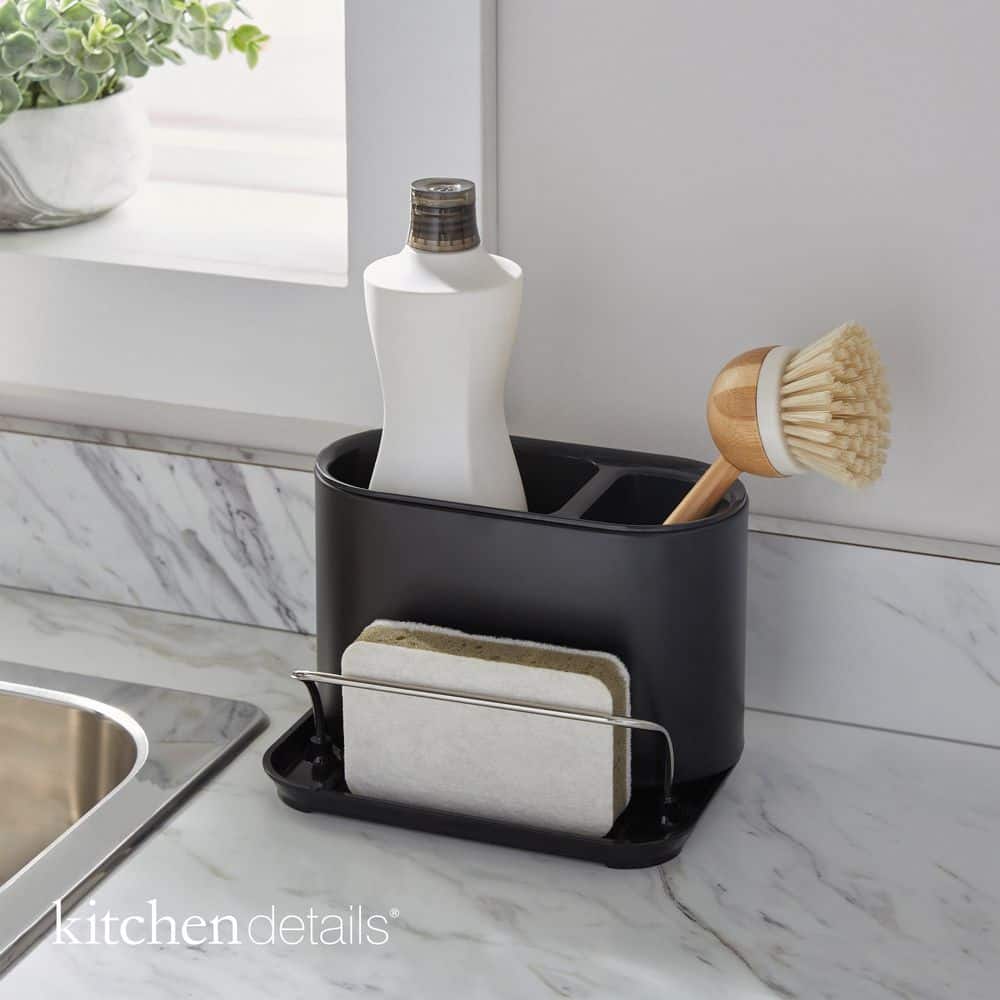
Care and maintenance tips by material
A little care extends the life of any caddy. Here are short, easy tips.
- Stainless steel
- Wipe dry to avoid water spots. Use mild soap for cleaning.
- Plastic
- Remove and rinse weekly. Avoid harsh abrasives.
- Silicone
- Air dry and scrub with a soft brush when needed.
- Bamboo and wood
- Dry after use. Oil occasionally to prevent cracking.
- Coated metals
- Inspect for chips and dry to prevent rust.
I learned this the hard way: a cheap coated caddy I had rusted where the coating cracked. Since then, I check coatings and hold a caddy up to light to inspect seams before buying.
Sustainability and cost considerations
Materials differ in environmental impact and price. Here is a quick comparison.
- Bamboo and wood
- Often renewable and biodegradable. Mid-range cost for treated pieces.
- Stainless steel
- Recyclable and durable. Higher upfront cost but long term value.
- Plastic
- Low cost but higher environmental footprint. Look for recycled plastic when possible.
- Silicone
- Long-lived but not widely recyclable. Mid-range price.
- Coated metals
- Low to mid cost but may need replacement sooner.
When you search "What materials are kitchen sink caddies typically made of?" think about lifecycle. Spending more now on stainless steel or bamboo can save money and waste later.

Frequently Asked Questions of What materials are kitchen sink caddies typically made of?
What is the most durable material for a sink caddy?
Stainless steel is generally the most durable for regular wet use. It resists corrosion if it has a good finish and is cleaned regularly.
Are plastic caddies safe for kitchen use?
Yes, most plastic caddies use food-safe plastics like polypropylene or ABS. Avoid brittle or cheap plastics that crack over time.
Do bamboo sink caddies mold easily?
Bamboo can mold if left wet and uncleaned. Dry bamboo caddies after use and treat them with oil for longer life.
Is silicone a good choice for dish sponges?
Silicone is excellent because it resists stains and odors and dries quickly. It also grips sponges and holds smaller items well.
Will coated metal caddies rust?
They can if the coating chips or wears away. Inspect coatings and avoid prolonged exposure to standing water to reduce rust risk.
Can I use recycled materials for a sink caddy?
Yes, some caddies are made from recycled plastic or metal. They offer lower environmental impact but check durability and finish.
Conclusion
You now know what materials are kitchen sink caddies typically made of and how each material performs. Choose stainless steel for durability, plastic for budget and color, silicone for flexibility, bamboo for a natural look, and coated metal for a cost-effective metal finish. Think about how often you clean, the look you want, and your sustainability goals before you buy. Try one material, test it in your daily routine, and switch if it does not fit—small changes can make your sink area cleaner and more pleasant. Share your experience, ask questions below, or subscribe for more practical kitchen tips.