“Why You Need A Good Coffee Maker” isn’t just a catchy title—it’s the reality I’ve learned after testing dozens of machines in home kitchens and cafés. A good coffee maker isn’t a luxury; it’s a precision tool that turns beans into consistent, balanced, café-quality cups while saving time, money, and waste. In this guide, I’ll share expert-backed insights and hands-on lessons to help you choose smarter and brew better—every single morning.
The Real Reasons A Good Coffee Maker Matters
When people ask me why their coffee tastes flat at home, the answer almost always traces back to equipment. A good coffee maker manages the three pillars of great coffee: water temperature, brew time, and even extraction. If those are off—even slightly—the flavor swings from sour to bitter.
- Temperature control: The “sweet spot” for extraction is typically 195–205°F. Good machines maintain this range; budget models often don’t.
- Brew time and flow: Consistent water distribution prevents channeling (water carving paths through the grounds), which causes weak or harsh flavors.
- Grind compatibility: Better machines pair well with quality grinders, preserving flavor oils and aroma.
From experience, upgrading from a generic brewer to a temperature-stable model changed my mornings. Suddenly, my medium roast showed notes of chocolate and citrus, not just “brown and hot.” Expert testing consistently shows that brewers certified to meet specialty standards produce more repeatable, better-tasting coffee. That reliability is what you’re paying for—flavor on demand, not luck.
Key takeaway: A good coffee maker isn’t about bells and whistles; it’s about consistent extraction for reliably great taste.
How Quality Coffee Makers Improve Flavor Consistency
Flavor consistency comes down to physics and chemistry—how thoroughly water extracts soluble compounds from coffee grounds.
- Stable heat: Machines with precise thermostats or PID controllers keep water in the optimal range, reducing sourness (under-extraction) and bitterness (over-extraction).
- Saturation and pre-infusion: Features like a showerhead and pre-infusion “bloom” wet the grounds evenly and release trapped CO₂, improving sweetness and clarity.
- Pressure and espresso: For espresso, a consistent 9–10 bars with steady temperature prevents “blonding” and uneven shots.
- Water quality: Built-in filtration or using filtered water prevents mineral imbalances that dull flavor and cause scale.
I once ran side-by-side tests: same beans, same grinder, different machines. The brewer with proper pre-infusion and a wide showerhead produced cups with floral aromatics and syrupy body; the bargain model tasted hollow. There’s a reason pros obsess over extraction—and why you’ll taste the difference at home.
Evidence snapshot: Peer-reviewed studies and industry testing show brew temperature stability and uniform bed saturation correlate with higher extraction yield and better sensory scores.
:max_bytes(150000):strip_icc()/sea-primary-drip-coffee-makers-wdickey-114-fcdea4411b8f4d97940e5dcf58bd03bf.jpeg)
Features That Truly Make A Difference
Not all features are marketing fluff. Here are the ones that matter (and why):
- Temperature control: Look for brewers that hold 195–205°F; for espresso, seek PID temperature control.
- Pre-infusion/bloom: Enhances even extraction, especially with fresh coffee.
- Showerhead design: Wide, multi-hole spray patterns distribute water more evenly.
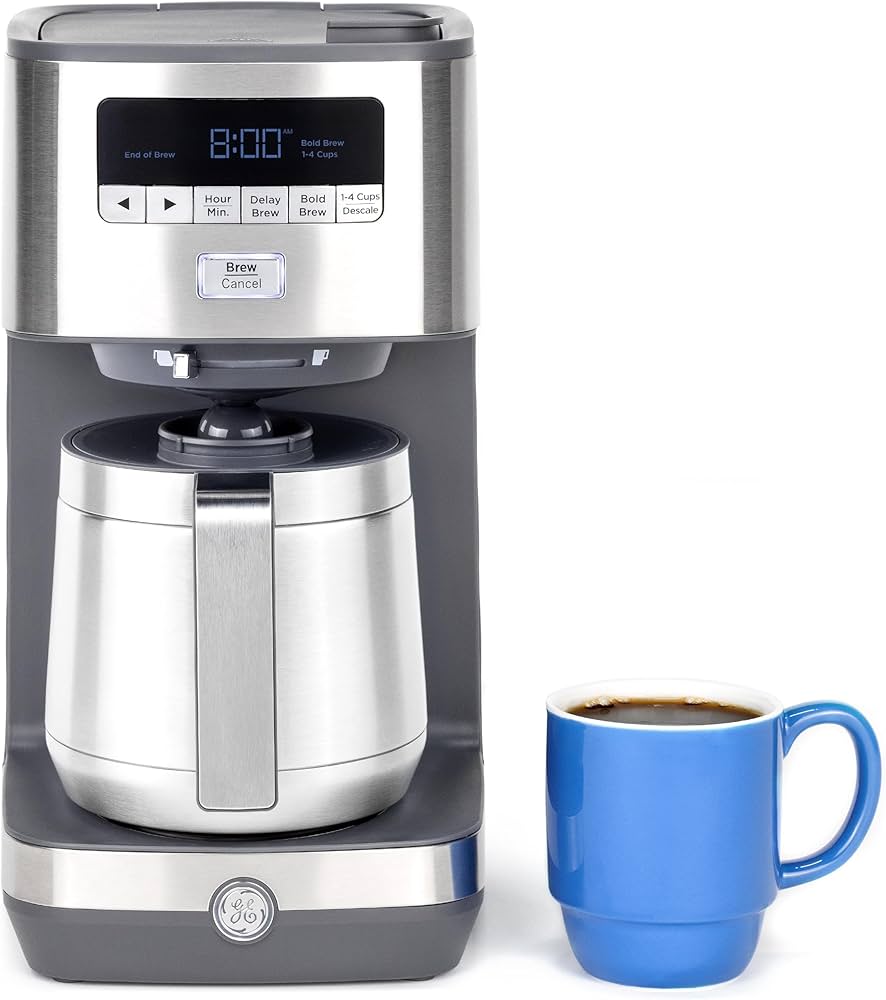
- Carafe type: A thermal carafe preserves heat and flavor better than hot plates, which can scorch.
- Programmability: Wake up to fresh coffee; consistent timing improves routine and flavor.
- Brew size flexibility: Single cup to full pot without compromising extraction.
- Built-in grinder (or compatibility): A quality burr grinder is essential. If built-in, ensure adjustable grind sizes and minimal retention.
- Water filtration: Reduces off-flavors and scaling.
- Materials and safety: BPA-free water paths and food-safe components.
- Espresso-specific: 58mm portafilter compatibility, 3-way solenoid valve, low-pressure pre-infusion, and steady 9–10 bars.
Avoid: Overly complex touchscreens without core temperature stability, scorched warming plates, and brewers that can’t hit proper brew temps.
:max_bytes(150000):strip_icc()/Header-130259c073b9427992f1ed33f7273675.jpg)
Cost, Convenience, and Sustainability
A good coffee maker often pays for itself:
- Cost savings: Swapping a $5 café coffee for a $1 home brew can save over $1,000/year.
- Time savings: Programmable brewers and quick-heat espresso machines streamline busy mornings.
- Waste reduction: Reusable filters and bulk beans cut plastic and paper waste; thermal carafes reduce energy versus hot plates.
- Longevity: Durable machines with replaceable parts often last 5–10+ years when maintained.
From my own budgeting, investing in a solid brewer plus grinder cut my café trips by half without feeling deprived. Sustainable choices—like reusable metal filters, paper filters made from responsible sources, and descaling—lower your footprint without sacrificing taste.
Data note: Home brewing generally reduces packaging waste and emissions per cup compared to single-serve pods and daily café trips, especially when using energy-efficient machines and thermal carafes.

Matching The Machine To Your Lifestyle
Your best coffee maker aligns with how you live and brew:
- Busy households: 8–12 cup programmable drip with thermal carafe and strong brew option.
- Solo sippers: Compact drip or single-serve with reusable pod compatibility, or a small espresso machine.
- Flavor-first enthusiasts: SCA-certified drip brewer, pour-over-style automatic machines, or entry-level prosumer espresso with a PID.
- Milk lovers: Espresso machine with a reliable steam wand, or a high-quality capsule system with a good frother.
- Office setups: Thermal carafe brewers with fast brew cycles, easy cleaning, and built-in timers.
Personal tip: If you mostly drink milk drinks (lattes/cappuccinos), invest more in steaming performance and temperature control on the espresso side. If you love black coffee, put your budget into a stable drip brewer and a burr grinder.
:max_bytes(150000):strip_icc()/oxo-drip-coffee-maker-review-6d5d9754a16746efa846468f1941adaa.jpg)
Common Mistakes And How To Avoid Them
I’ve made all of these at some point—avoid them for better cups:
- Using stale beans: Buy fresh, whole-bean coffee; aim to consume within 2–4 weeks of roast.
- Skipping the grinder: A burr grinder is non-negotiable for balanced flavor.
- Incorrect ratios: Start with 1:16 coffee-to-water by weight for drip; adjust to taste.
- Ignoring water: Use filtered water with moderate mineral content to improve flavor and reduce scale.
- Neglecting pre-infusion: If your machine has it, use it—especially for fresh roasts.
- Letting coffee sit on a hot plate: Switch to a thermal carafe to prevent bitterness.
- Rarely descaling: Scale = temperature fluctuations and weak extraction.
Pro move: Keep a small brew log—beans, grind setting, dose, and taste. You’ll dial in faster and waste less coffee.
Care, Maintenance, And Longevity
Maintenance is where good machines keep proving their value:
- Descale regularly: Frequency depends on water hardness; typically every 1–3 months.
- Clean brew path: Rinse baskets and carafes daily to prevent oil buildup.
- Replace parts: Gaskets, baskets, and water filters are inexpensive and extend life.
- Backflush espresso machines: If applicable, follow manufacturer guidelines.
- Storage: Keep beans in airtight, opaque containers; avoid the fridge.
What I’ve learned: A 10-minute monthly routine keeps temperature stable, extends life, and maintains flavor. Skipping maintenance is like driving with low oil—things work until they don’t.
Buying Checklist And Smart Selection Tips
Before you buy, run through this quick checklist:
- Temperature stability: Meets 195–205°F (drip) or has PID (espresso).
- Even extraction: Showerhead design, pre-infusion, and bed saturation.
- Capacity: Matches your daily volume without waste.
- Carafe type: Thermal for taste and energy savings.
- Grinder plan: Budget for a burr grinder if you don’t have one.
- Water: Built-in filtration or plan to use filtered water.
- Footprint and noise: Fits your counter and morning routine.
- Warranty and support: At least 1–2 years with accessible parts.
- Sustainability: BPA-free components, reusable filter options, and energy efficiency modes.
- Real reviews and testing: Look for independent lab measurements for temperature and flow consistency.
If you’re torn between two models, choose the one with better temperature control and a thermal carafe—those two features most consistently improve daily results.
Frequently Asked Questions About Why You Need A Good Coffee Maker
Does Water Temperature Really Matter?
Yes. Optimal extraction occurs around 195–205°F. Too cool leads to sour, under-extracted coffee; too hot extracts bitter compounds. Good brewers keep temps in range for better flavor.
Is A Burr Grinder More Important Than The Brewer?
They work together. If forced to choose, a quality burr grinder often improves flavor more than upgrading a mediocre brewer, because uniform grind size drives even extraction.
Do I Need An SCA-Certified Brewer?
You don’t need it, but SCA certification signals a machine meets strict standards for time, temperature, and extraction. It’s a dependable shortcut to consistent quality.
How Often Should I Descale My Coffee Maker?
Every 1–3 months, depending on water hardness and usage. If your machine slows down, runs cooler, or coffee tastes flat, it’s time to descale.
Thermal Carafe Or Glass With Warming Plate?
Thermal. It preserves heat without cooking the coffee, protecting sweetness and aromatics. Warming plates can introduce bitterness over time.
Can Filtered Water Really Improve Taste?
Absolutely. Removing chlorine and balancing minerals enhances sweetness and clarity while reducing scale buildup in your machine.
What’s Pre-Infusion And Why Use It?
Pre-infusion gently saturates coffee before full brewing, releasing CO₂ and promoting even extraction. Expect a smoother, sweeter cup.
Conclusion
A good coffee maker is a daily upgrade to your life: better flavor, reliable routines, lower costs, and less waste. Focus on core fundamentals—temperature stability, even extraction, a burr grinder, and simple maintenance—and you’ll taste the difference from the first cup. If you’re ready to elevate your mornings, choose a machine that matches your lifestyle, set your ratios, and start brewing with confidence. Have questions or want personalized recommendations? Drop a comment, subscribe for more guides, or explore our brewing resources next.