If you're someone who loves to cook and cares deeply about what goes into your food, you've probably wondered whether dutch ovens are non toxic. It's a fair concern, especially when you're investing in quality cookware for your kitchen. The good news is that most modern dutch ovens, particularly those made from cast iron or enameled cast iron, are indeed non toxic and safe for everyday cooking. However, not all dutch ovens are created equal, and understanding what makes them safe—or potentially unsafe—can help you make the best choice for your family's health.

Understanding Dutch Oven Materials and Safety
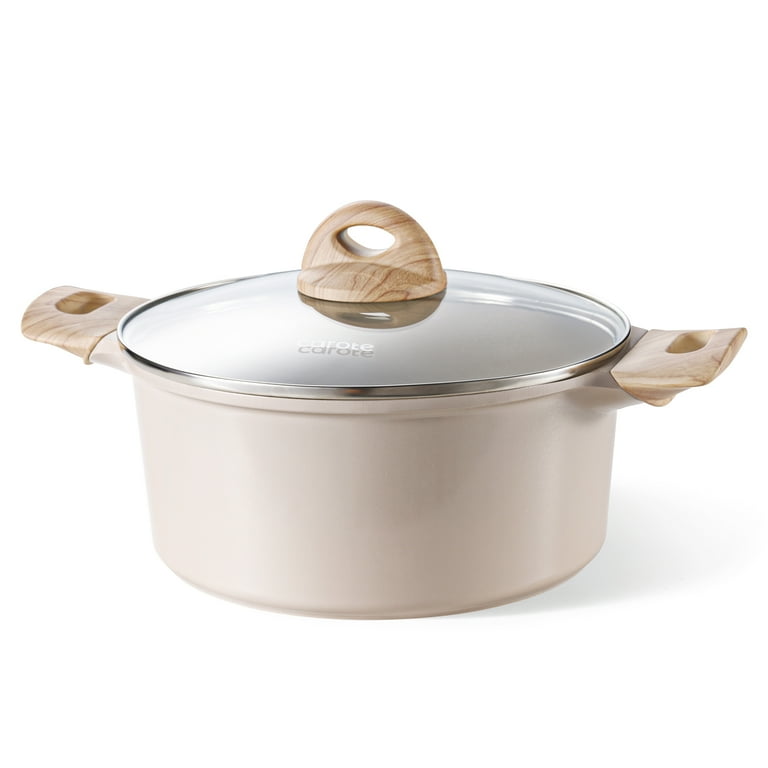
Dutch ovens come in different varieties, and each material carries its own safety profile. The most common types you'll find are cast iron dutch ovens and enameled cast iron dutch ovens. Cast iron, when properly seasoned, creates a natural non stick surface and doesn't leach harmful chemicals into your food. Enameled cast iron takes this a step further by adding a protective layer of enamel coating on top of the cast iron base.
When you're evaluating whether a dutch oven is non toxic, the first thing to look at is the base material. Traditional cast iron has been used for centuries and poses no toxicity concerns. The iron itself can actually be beneficial, as cooking in cast iron cookware can increase dietary iron intake, particularly when cooking acidic foods. This makes dutch ovens an excellent choice if you're concerned about getting enough iron in your diet.
The real consideration for non toxic dutch ovens comes when you're dealing with enameled versions. The enamel coating is what you need to scrutinize carefully. High quality enamel coatings are formulated to be food safe and don't break down when exposed to normal cooking temperatures. However, lower quality enamel can potentially chip or crack over time, exposing the cast iron underneath and potentially leaching iron in excessive amounts.
The Truth About Lead and Cadmium in Dutch Ovens
One of the biggest concerns people have about dutch ovens being non toxic relates to heavy metals like lead and cadmium. Let me be clear and honest with you: this is where the safety of your cookware truly matters. Some imported dutch ovens, particularly those from manufacturers with less stringent quality control, have tested positive for lead in their enamel coating.
Lead is a serious health concern, especially for children and pregnant women, as it can accumulate in the body over time and affect cognitive development and overall health. Cadmium is another toxic heavy metal that can leach into food through damaged or poor quality enamel coatings. The good news is that reputable manufacturers don't use these materials in their products, and many countries have regulations limiting their use in cookware.
If you're shopping for a non toxic dutch oven, look for products that come with third party testing certifications. Major brands that manufacture their dutch ovens in countries with strict food safety regulations, like the United States, France, or other European nations, typically have much higher standards than mass produced alternatives. When you're comparing options, don't automatically choose based on price alone. A dutch oven that's genuinely non toxic is worth the investment because you're using it for nearly every meal.
I've personally switched to purchasing dutch ovens from established manufacturers who openly share their safety testing results. It gives me peace of mind knowing exactly what I'm cooking with, and honestly, the quality difference is noticeable in how they perform.
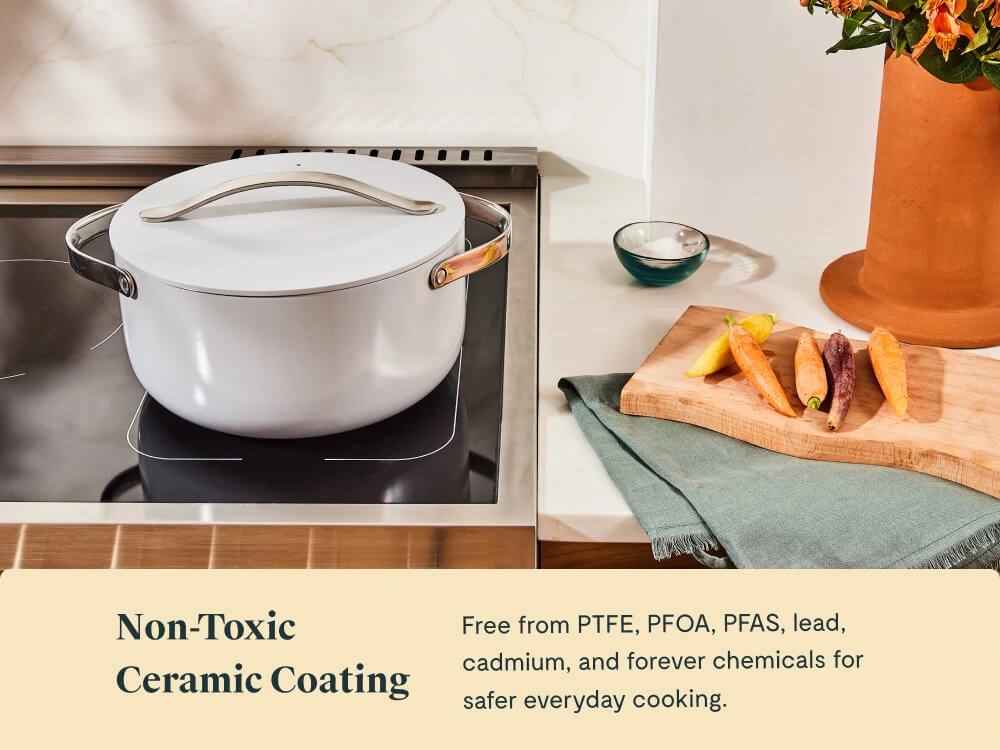
Enamel Coating Quality and Non Toxic Standards
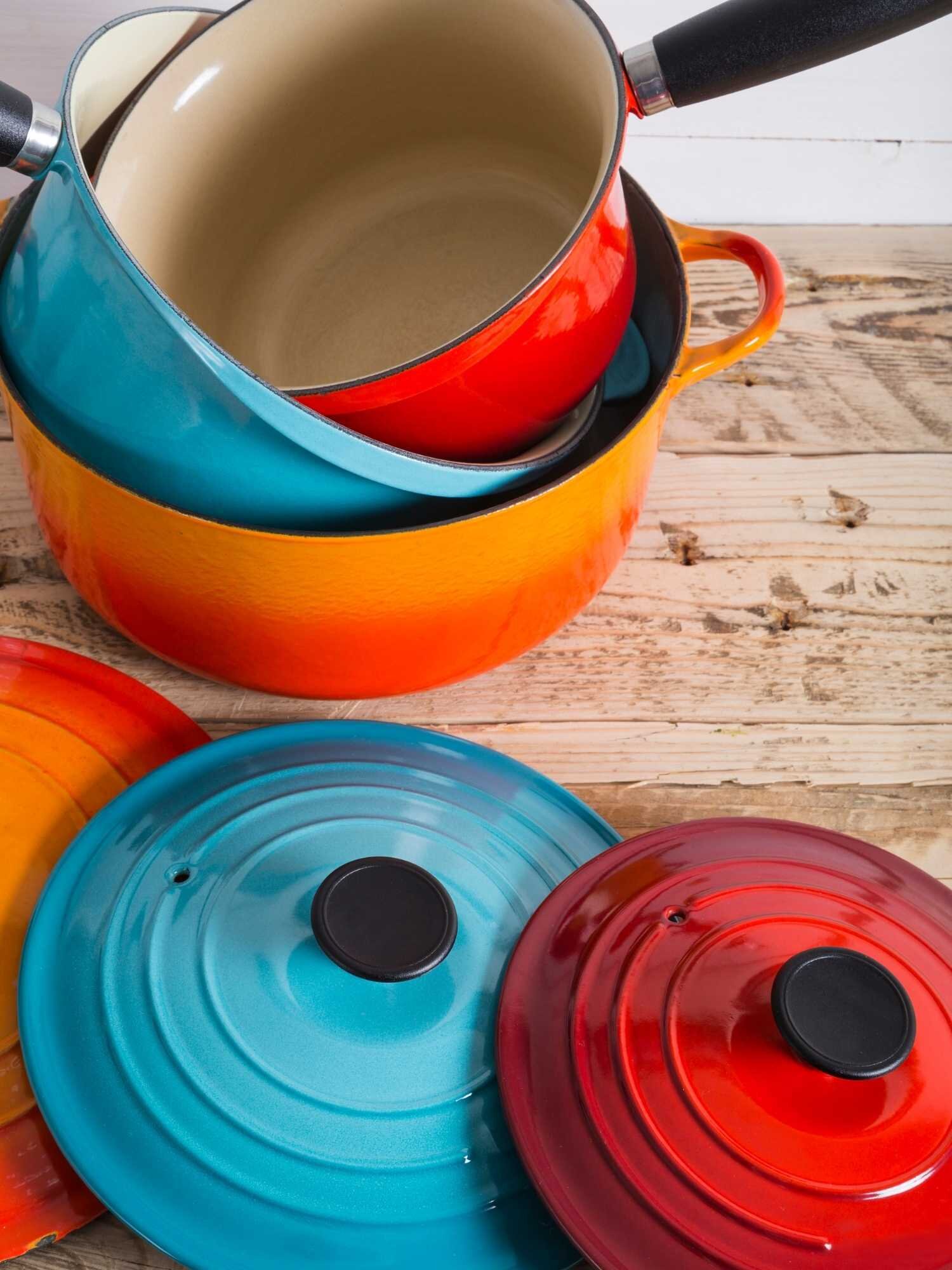
The enamel coating on a dutch oven is the primary barrier between your food and the cast iron base. For a dutch oven to be truly non toxic, this enamel must meet specific safety standards. Different countries and regions have different regulations, but reputable manufacturers typically exceed minimum requirements.
A high quality enamel coating on a non toxic dutch oven should be:
• Dense and non porous, preventing food and moisture from seeping into microscopic cracks
• Applied in multiple thin layers rather than one thick layer, which is more durable
• Resistant to thermal shock, meaning it won't crack when you move the pot from a hot stove to a cold surface
• Free from lead, cadmium, and other known toxins as verified by independent testing
The thickness of the enamel matters too. Thicker enamel coatings generally last longer and are more resistant to chipping. When you're evaluating whether a dutch oven is non toxic and durable, run your finger along the rim and bottom. If the enamel feels smooth and uniform, that's a good sign. Rough or inconsistent texture might indicate lower quality manufacturing.
I've noticed that dutch ovens made by European manufacturers often have superior enamel quality compared to some mass produced options. This isn't a hard rule, but it's a pattern worth noting when you're making your purchasing decision.

Cast Iron Base Safety and Seasoning
Even though the enamel coating gets most of the attention, the cast iron base itself is an important part of understanding whether your dutch oven is non toxic. Pure cast iron, without any coatings, has been proven safe for cooking throughout human history. Cast iron is inert, meaning it doesn't react with food or leach harmful substances under normal cooking conditions.
The way cast iron seasoning works is actually fascinating. When you cook with fat in cast iron, polymerized layers build up on the surface. This creates a naturally non stick surface and protects the iron underneath. This seasoning process is what makes dutch ovens non toxic and improves over time with proper use.
For enameled dutch ovens, the cast iron base isn't directly exposed to food, so the seasoning is less critical from a cooking perspective. However, it still matters for the longevity of your cookware. If the enamel ever chips or cracks, you want the iron underneath to be properly seasoned to prevent rust and ensure any food exposure is minimal.
Here's something important: if you notice chips in the enamel of your dutch oven, you can still use it safely, but you should monitor the damaged area. Small chips are generally not a major concern because food doesn't sit on the exposed iron for extended periods. However, if large sections of enamel are damaged, it's wise to retire that pot and invest in a replacement to maintain your non toxic cookware standards.
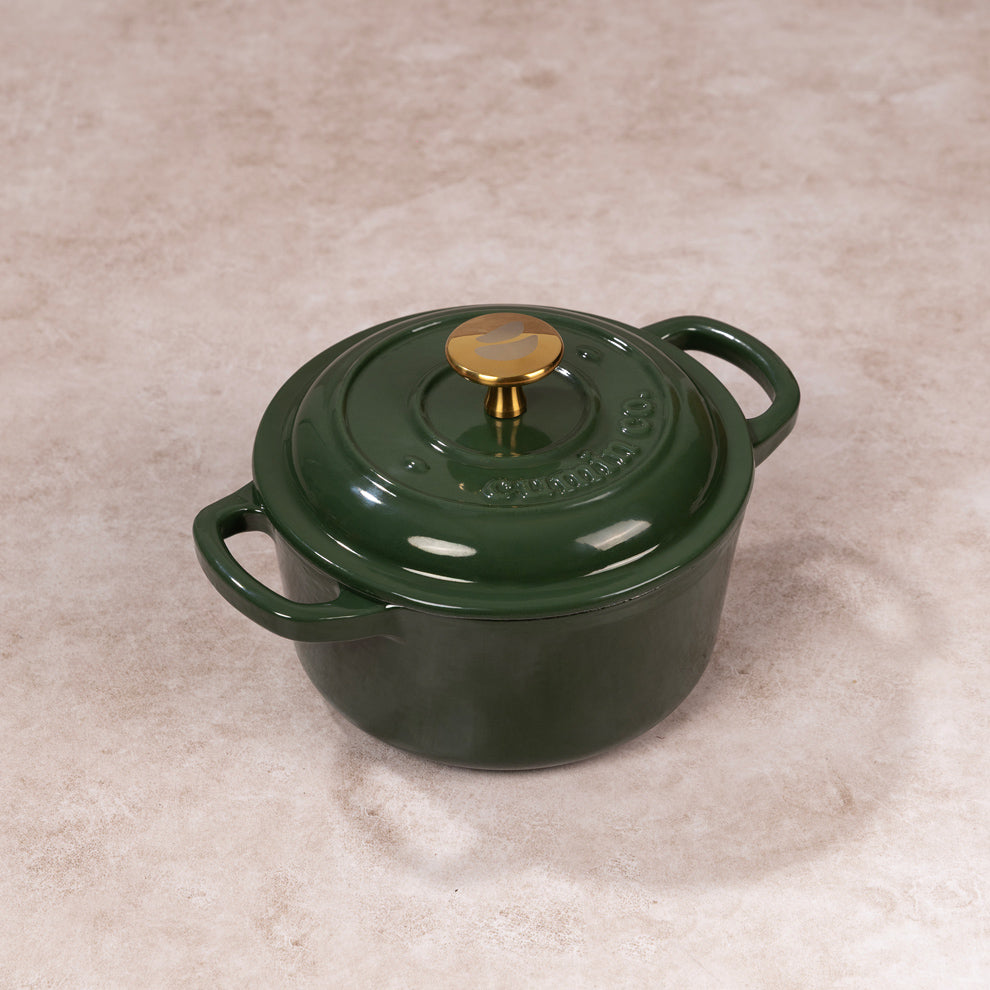
Comparing Dutch Oven Brands for Non Toxic Safety
When you're shopping for a non toxic dutch oven, brand reputation and manufacturing standards matter significantly. Some manufacturers have built their entire reputation on safety and quality, while others prioritize cost cutting over consumer health. Let me break down what you should know about different categories of dutch ovens.
Premium brands typically manufacture their dutch ovens in developed countries with strict regulatory oversight. These manufacturers conduct independent testing and are transparent about their safety practices. They often provide detailed information about their enamel composition and cast iron sourcing. When you invest in these products, you're paying for the non toxic standards and quality assurance that comes with them.
Mid range brands often offer good value for money and maintain reasonable safety standards. Many of these manufacturers have adapted their processes to meet current food safety regulations. While they might not have the same heritage as premium brands, they can still produce non toxic dutch ovens that perform well for home cooking.
Budget options require more careful scrutiny. Some affordable dutch ovens are perfectly safe, but others have shown concerning levels of lead or cadmium in independent testing. This is where you really need to do your homework. Look for budget brands that provide testing documentation and come from manufacturers in countries with strict food safety regulations.
From my personal experience, I've used dutch ovens across all price points. The most important thing I've learned is that non toxic cookware doesn't always come with a premium price tag. However, the cheapest option isn't always the safest either. Find the sweet spot where safety meets value for your budget.
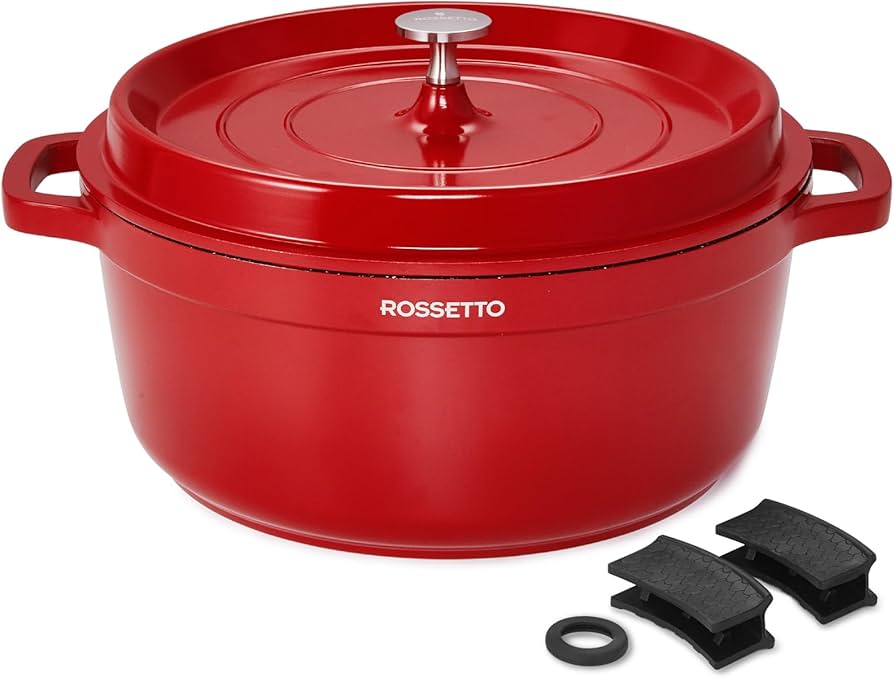
How to Verify Your Dutch Oven is Non Toxic
Knowledge is power when it comes to ensuring your dutch oven is non toxic. Rather than just hoping the cookware is safe, you can take concrete steps to verify its safety. Here's what I recommend doing before you make a purchase or even before you use a dutch oven you already own.
Start by researching the manufacturer. Visit their official website and look for safety certifications or testing results they're willing to share. Reputable companies often have dedicated pages about food safety standards. They'll tell you exactly what their products are tested for and provide documentation to back up their claims about being non toxic dutch ovens.
Check for third party certifications. Some independent testing organizations evaluate cookware and provide certifications. Look for markings that indicate the product has been tested and meets safety standards. These certifications are your assurance that a non toxic dutch oven has undergone rigorous evaluation.
Read customer reviews, but read them strategically. Look for reviews that mention safety concerns rather than just cooking performance. If multiple customers report issues like enamel chipping after minimal use or concerns about lead content, that's a red flag. Conversely, reviews mentioning years of safe use are a positive indicator.
Search online for any recalls or safety warnings associated with the specific model or brand. Government agencies often maintain databases of recalled cookware. If your dutch oven or one similar to it appears on a recall list, take it seriously.
I personally keep a record of where I purchased each piece of cookware and note the manufacturer and model number. This makes it easy to check for recalls later and helps me remember which dutch ovens I've confirmed are non toxic.
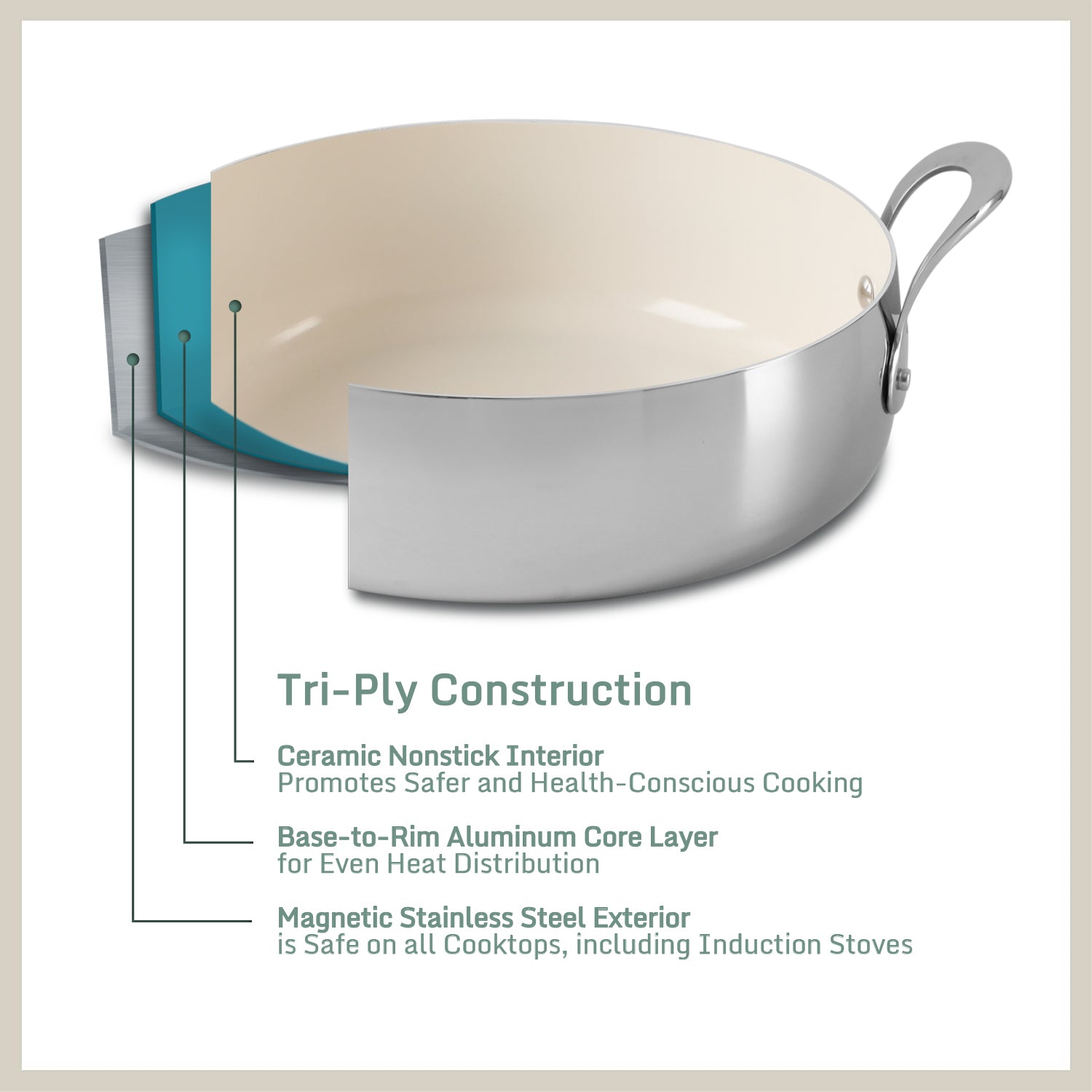
Using Your Dutch Oven Safely for Long Term Non Toxic Cooking
Even if you've purchased a genuinely non toxic dutch oven, how you use and maintain it matters for keeping it safe long term. Proper care extends the life of your cookware and prevents damage that could compromise the non toxic qualities you paid for.
Avoid sudden temperature changes with enameled dutch ovens. Don't remove a hot dutch oven from the oven and immediately place it on a cold surface. This thermal shock can cause the enamel to crack or chip. Similarly, adding cold liquid to a very hot dutch oven can cause internal cracks that aren't visible but compromise the non toxic enamel barrier.
Handle your dutch oven gently, especially when moving it. Dropping or bumping enameled dutch ovens can cause chips in the enamel. These damaged areas should be monitored or repaired if possible. Some companies sell enamel touch up paints specifically designed to maintain non toxic cookware.
Don't use metal utensils on enameled dutch ovens. Wooden spoons and silicone spatulas are your best friends here. Metal utensils scratch and chip the enamel, gradually exposing the cast iron base and creating opportunities for non toxic concerns to arise.
Clean your dutch oven properly after each use. Avoid harsh scouring pads that damage the enamel. Instead, use soft sponges or cloths. For stubborn food residue, soak the pot briefly rather than scrubbing vigorously. A well maintained non toxic dutch oven will last for decades and remain safe for your family.
I've been using my personal dutch oven for over ten years with minimal damage because I've followed these care guidelines. It still looks nearly new and functions perfectly for everything from soups to roasted meats.
Natural and Alternative Dutch Oven Options
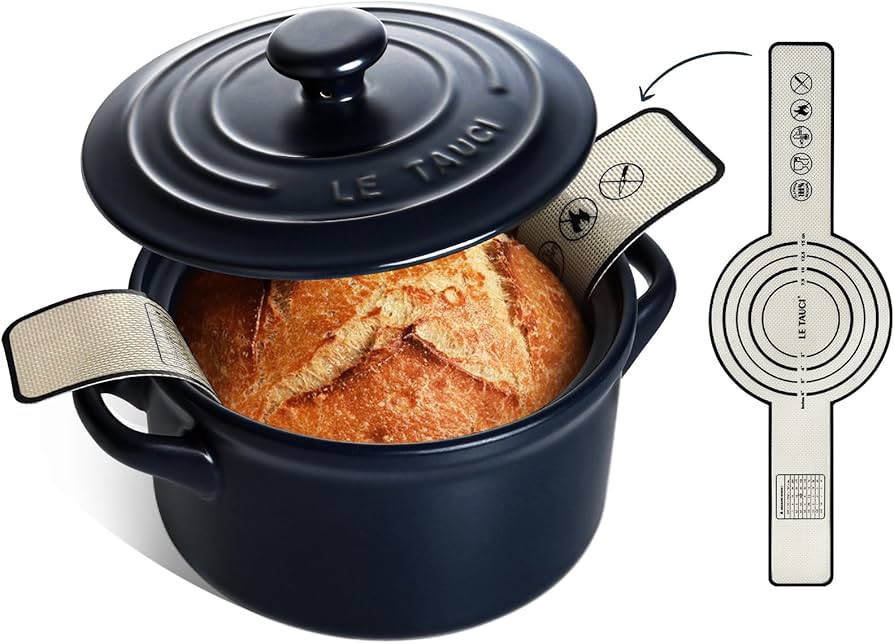
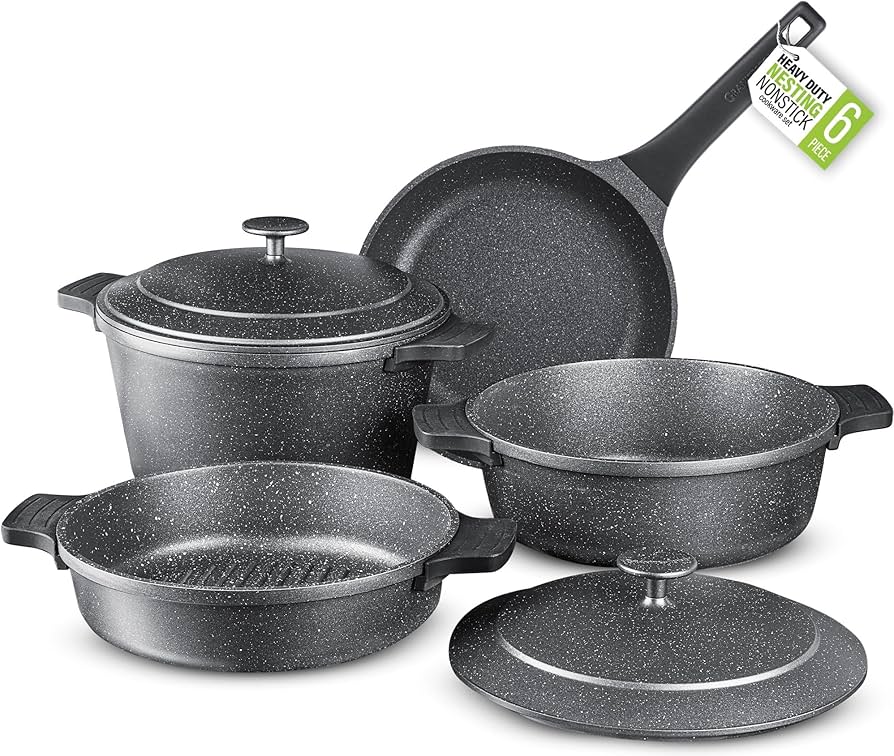
If you're still concerned about whether traditional dutch ovens are non toxic, or if you want alternatives that feel extra safe, there are other options worth considering. Glass dutch ovens, ceramic cookware, and stainless steel vessels can all serve similar purposes with different safety profiles.
Glass dutch ovens eliminate many concerns because glass is completely inert and doesn't leach any substances into food. However, glass heats unevenly and can break if subjected to thermal shock. These options work well for oven cooking but less so for stovetop use. They're great if you want a non toxic dutch oven alternative for specific cooking methods.
Ceramic cookware marketed as non toxic often uses glazes made from natural materials. However, some ceramic glazes can still contain lead or cadmium, so you need to verify safety just as carefully as you would with traditional dutch ovens. Look for ceramic cookware specifically labeled as lead free and from manufacturers with safety certifications.
Stainless steel doesn't have the heat retention properties of cast iron, but it's completely non toxic and doesn't require any special coating. The main drawback is that food tends to stick more readily, and stainless steel takes longer to heat up. These factors make it less ideal than a proper non toxic dutch oven for most cooking tasks.
Cast iron dutch ovens remain my top recommendation despite these alternatives. They're truly non toxic, they perform exceptionally well, and they become better with age. There's really no reason to choose something else if you've confirmed your dutch oven is safe.
The Long Term Health Impact of Non Toxic Cookware
Understanding the broader context of why non toxic dutch ovens matter helps put this topic in perspective. Every meal you cook touches your cookware, so the safety of that cookware compounds over time. Using genuinely non toxic cookware isn't just about immediate safety, it's about protecting your health across decades of cooking.
Lead exposure is particularly concerning because it accumulates in your body. Even small amounts leached from cookware over many years can add up. Children are especially vulnerable because their developing brains absorb lead more readily. If you have young children or are planning to, investing in a verified non toxic dutch oven is particularly important.
Cadmium poses similar long term health risks. It accumulates in kidneys and bones and can cause serious health issues over time. The exposure from cookware might seem minor compared to other sources, but when you consider that you're potentially exposed through multiple meals daily, the cumulative effect becomes significant.
Using truly non toxic dutch ovens is one part of creating a healthier kitchen overall. It aligns with other practices like choosing organic produce, reducing plastic food storage, and avoiding non stick cookware with concerning coatings. Each choice individually seems small, but together they significantly reduce your family's exposure to potentially harmful substances.
I made the transition to verified non toxic cookware about five years ago, and I've noticed a subtle but real difference in how I feel about the food I'm preparing. There's genuine peace of mind that comes with knowing your cookware isn't introducing any health risks.
Frequently Asked Questions About Non Toxic Dutch Ovens
Are all cast iron dutch ovens non toxic?
Most cast iron dutch ovens are non toxic because cast iron itself is an inert material. However, the concern arises with enameled cast iron dutch ovens where the enamel coating might contain heavy metals. Traditional bare cast iron without enamel is safe, but make sure any seasoning or coatings applied by the manufacturer are also safe. If you're choosing a cast iron dutch oven, buy from reputable manufacturers and verify that their non toxic standards meet your expectations.
Can enameled dutch ovens chip and become unsafe?
Enameled dutch ovens can chip with use, especially if handled roughly or subjected to thermal shock. Small chips generally don't create major safety concerns because your food only briefly contacts the exposed iron. However, if large sections of enamel are damaged, it's wise to retire the dutch oven since you can't easily verify the non toxic integrity of the exposed cast iron. Some manufacturers offer enamel repair services for their non toxic dutch ovens if you want to preserve a damaged pot.
How do I know if my dutch oven has lead?
The most reliable way to verify whether your dutch oven contains lead is to contact the manufacturer directly and ask for their safety testing documentation. If they're confident about their non toxic standards, they'll be happy to share this information. You can also purchase lead testing kits that provide a quick visual indication, though they're less precise than laboratory testing. Professional testing by a certified lab is the most accurate method if you're concerned about a specific dutch oven.
Is Le Creuset truly non toxic?
Le Creuset is widely considered one of the most reliable manufacturers for non toxic dutch ovens. They conduct rigorous safety testing and are transparent about their manufacturing processes. Their enameled cast iron dutch ovens have an excellent reputation for maintaining both safety and quality over decades of use. While Le Creuset products are more expensive, many people consider the non toxic assurance and quality worth the investment.
Can I use my dutch oven if the enamel is slightly worn?
Minor wear on the enamel doesn't make your dutch oven unsafe if it's still intact and hasn't chipped. Normal wear patterns and slight discoloration don't compromise the non toxic qualities of your cookware. However, once you see actual chips or cracks in the enamel, you should start considering replacement. Even then, small chips aren't immediately dangerous, but they accelerate degradation of the non toxic barrier.
What temperature damages enamel on dutch ovens?
Enamel on quality dutch ovens can handle oven temperatures up to 500 degrees Fahrenheit on average, though many brands rate their non toxic enameled dutch ovens safely up to this temperature. Check your specific product documentation for exact temperature ratings. The real damage comes from thermal shock, not steady high temperature. Avoiding sudden temperature changes is more important than worrying about the maximum heat your dutch oven can tolerate while remaining non toxic.
Are vintage dutch ovens non toxic?
Vintage dutch ovens vary widely in their safety profile. Some older enameled dutch ovens were manufactured before stricter lead regulations went into effect. If you own or are considering purchasing a vintage dutch oven, it's worth getting it tested for lead content. Many vintage bare cast iron dutch ovens are perfectly safe and even valued for their superior construction, but the non toxic status of vintage enameled cookware requires verification.
Bringing It All Together
The question of whether dutch ovens are non toxic has a reassuring answer for the most part: quality dutch ovens from reputable manufacturers are genuinely safe for everyday cooking. Your choice of cookware directly influences your health over time, making it worth the effort to verify safety before bringing any new pot into your kitchen. Cast iron, particularly when properly manufactured and maintained, remains one of the best cookware options available for families concerned about health and safety.
The journey toward truly non toxic cooking starts with making informed choices about your equipment. Take time to research brands, look for safety certifications, and don't hesitate to contact manufacturers about their testing practices. A dutch oven is an investment in your kitchen that should last for years or even decades, so choosing one that's genuinely non toxic makes perfect sense both for your health and your wallet.
Start by auditing the dutch ovens you currently own. If you have questions about their safety, reach out to the manufacturer or consider having them tested. For new purchases, use the guidance from this article to make confident decisions. Your future self will appreciate the care you took to ensure your cookware supports your family's health. Share your dutch oven safety journey in the comments below, and let's build a community of health conscious cooks who care about what we're cooking with just as much as what we're cooking.