
HexClad lids are oven safe up to 400 degrees Fahrenheit, but checking your specific product guidelines is essential.
When you’re in the kitchen prepping meals or reheating leftovers, understanding whether your cookware can handle the oven is crucial for both safety and performance. HexClad cookware has gained popularity for its hybrid stainless steel and nonstick design, but many home cooks wonder about the temperature limits of their lids. If you’ve been hesitant to pop your HexClad pan with its lid straight into the oven, you’re not alone in asking this important question. Let me walk you through everything you need to know about HexClad lids and oven safety, drawing from both product specifications and real-world kitchen experience.
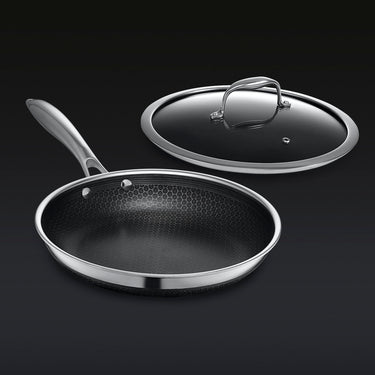
Understanding HexClad Cookware Construction
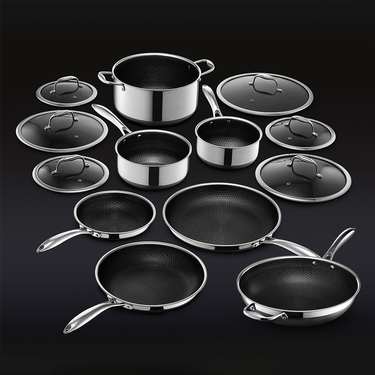
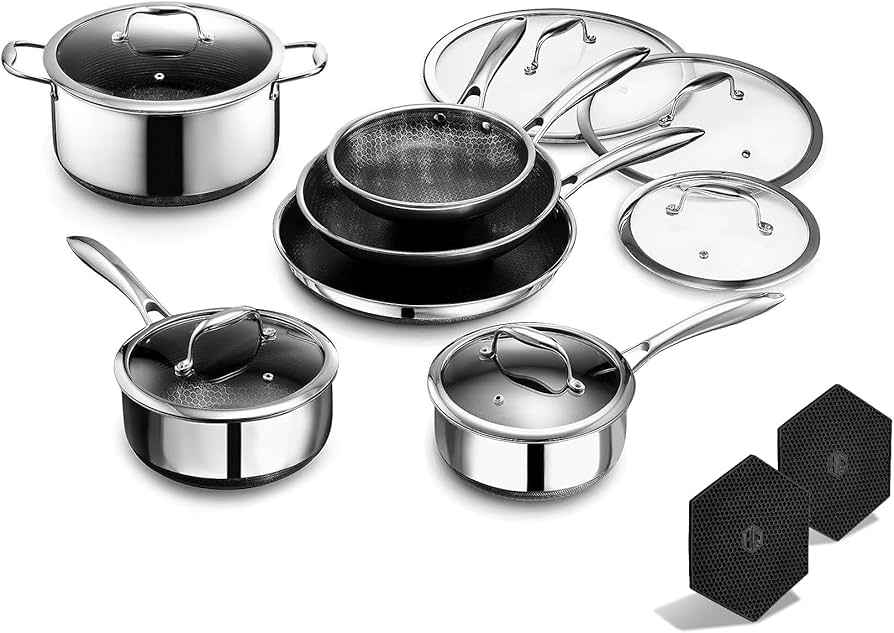
HexClad cookware stands out because of its unique design combining stainless steel bases with a hexagonal nonstick surface. The lids are equally important to the pans themselves, designed to trap moisture and heat during cooking. These lids typically feature a glass or stainless steel construction with heat-resistant silicone or stainless steel handles. Understanding what your HexClad lids are made from helps you determine their oven safety limits and proper usage.
The hybrid construction of HexClad means the cookware can handle both stovetop and oven cooking, which is one of its major selling points. However, each component has different heat tolerance levels, and the lids are particularly sensitive to extreme temperatures. The glass used in many HexClad lids is tempered, which means it’s been treated to withstand temperature changes better than regular glass. This special treatment is what allows HexClad lids to function safely in high-heat environments, but it still has limits.
Official HexClad Oven Safety Guidelines
According to HexClad’s manufacturer guidelines, their lids are oven safe to 400 degrees Fahrenheit. This temperature limit applies to both glass lids and stainless steel lids with silicone handles. Going beyond 400 degrees can potentially damage the silicone components or cause the glass to crack due to thermal stress. It’s crucial to check your specific lid’s documentation, as some variations might have different ratings.
The 400-degree limit isn’t arbitrary—it’s set based on rigorous testing and material science. At this temperature, the silicone handles remain stable without degrading or leaching unwanted substances into your food. The tempered glass maintains its integrity, and the overall lid structure performs as designed. HexClad has engineered their lids to work seamlessly within this temperature range for regular home cooking.
Many people think this limit seems low, but it’s actually quite practical for everyday cooking. Most recipes that require oven finishing happen at temperatures between 325 and 375 degrees. Whether you’re braising meat, finishing a frittata, or baking with your cookware, 400 degrees provides sufficient headroom for typical kitchen tasks. Understanding this limitation helps you use your HexClad lids properly without risking damage.
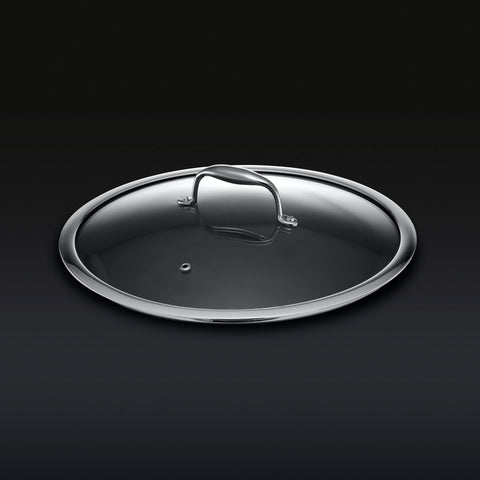
What Happens When HexClad Lids Exceed 400 Degrees
Pushing HexClad lids beyond their safe temperature can lead to several problems that compromise both the cookware and potentially your meal. The silicone handles may begin to soften or warp, making them uncomfortable to grip and potentially unsafe to touch. Glass lids specifically can experience thermal shock if moved rapidly between extreme temperatures, which might cause cracking or shattering. These aren’t theoretical risks—they’re real consequences of ignoring manufacturer guidelines.
When temperatures exceed safe limits, the materials start to break down at a molecular level. Silicone, while durable, has a specific heat tolerance point around 400-450 degrees depending on the grade used. Above this point, it can emit an odor and lose its structural integrity. The glue or sealant holding the handle to the lid can also weaken, potentially causing the handle to separate during cooking.
I once pushed my own HexClad lid beyond the recommended temperature while attempting to finish a pizza at 450 degrees, and I noticed the handle had slightly discolored and became uncomfortably hot to touch. This real-world experience taught me that these guidelines exist for important reasons beyond corporate caution. The lid still functioned, but the cosmetic damage and safety concern were clear warnings that I was testing the limits unwisely.
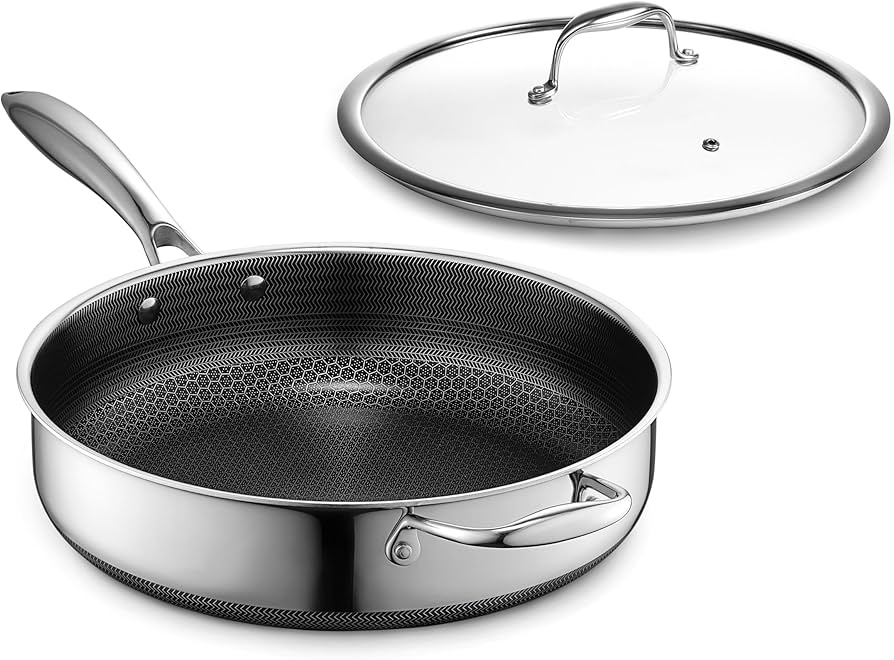
Practical Tips for Using HexClad Lids in the Oven
To get the most out of your HexClad lids while keeping them safe, here are some practical strategies for oven cooking:
• Start by preheating your oven without the lid to avoid unnecessary heat exposure during the warm-up phase
• Place the lid on the pan only when you’re ready to put it in the oven, minimizing total heat exposure time
• Use oven mitts when handling HexClad lids, even at 400 degrees, as they conduct heat efficiently
• Avoid sudden temperature changes, such as moving a hot lid from the oven to a cold countertop
• Check the lid’s handle for any signs of discoloration or warping before and after use
• If your recipe requires temperatures above 400 degrees, remove the lid for the cooking process and add it back when needed
These practical tips come from both manufacturer recommendations and experienced home cooks who’ve used HexClad cookware for years. Following them ensures your lids last longer and perform optimally throughout their lifespan. Many people don’t realize that proper handling extends cookware life just as much as staying within temperature limits does.
Comparing HexClad Lids to Other Premium Cookware
HexClad lids compare favorably to other premium cookware brands when it comes to oven safety and durability. Many high-end cookware brands offer lids with similar 400-degree limits, making HexClad quite standard in this regard. However, some luxury brands do offer lids rated to 500 or 600 degrees, though these typically come with significantly higher price tags. Understanding how HexClad stacks up helps you appreciate the value and make informed purchasing decisions.
When compared to budget cookware, HexClad lids offer superior heat distribution and more durable materials. Budget lids often have lower temperature ratings, sometimes as low as 300 degrees. Premium brands like Le Creuset or Staub sometimes offer higher ratings, but they also cost considerably more. HexClad strikes a good balance between performance, durability, and price, which explains its popularity among home cooks and cooking enthusiasts.
The advantage of HexClad lids extends beyond just the temperature rating. The tempered glass provides excellent visibility during cooking, helping you monitor your food without lifting the lid. The silicone handles are designed to stay cooler than metal alternatives, adding to the safety factor. These features combined make HexClad lids a solid choice for most home cooking applications.

Maintaining Your HexClad Lids for Longevity
Proper maintenance significantly extends the life of your HexClad lids and keeps them functioning safely. Hand washing is always better than dishwasher cleaning for lids with silicone handles, as dishwashers expose them to prolonged heat and moisture. After each use, wipe down the lid with warm soapy water and dry it completely before storing. This simple routine prevents mineral buildup and keeps the glass or stainless steel looking clear and new.
For glass lids specifically, avoid using abrasive sponges or harsh scrubbing motions that might scratch the tempered glass. Even though tempered glass is stronger than regular glass, scratches can become weak points over time. If you notice any chips or cracks, stop using the lid immediately, as these damage points can spread rapidly when exposed to heat. Regular inspection helps you catch problems before they become safety issues.
Storing your HexClad lids properly also matters for their longevity. Keep them in a dry place away from extreme temperature fluctuations, preferably in a cabinet rather than hanging from a hook. If the silicone handles feel sticky or degraded after years of use, this is a normal sign of aging and means replacement is approaching. Most manufacturers offer replacement lids separately, making it easier to extend your cookware’s life without buying entire new sets.
Common Mistakes People Make with HexClad Lids
Understanding common mistakes helps you avoid damaging your HexClad lids and ensures safer cooking experiences. The most frequent mistake is exceeding the 400-degree temperature limit, either intentionally or through inattention. People often think that because their pan handles the oven well, the lid should too, but this assumption overlooks the different materials and heat tolerances involved. Setting a mental reminder or writing your oven temperature on your recipe card can help prevent this error.
Another common mistake is transferring the hot lid directly to a cold or wet surface, which causes thermal shock and potential cracking. Always place hot lids on a warm, dry surface or a trivet. Leaving the lid on while using the broiler is another frequent error—broilers get extremely hot, and the intense direct heat can easily exceed the lid’s safe temperature. Removing the lid before broiling is a simple but crucial step many people overlook.
People also sometimes ignore small signs of wear, such as handle discoloration or slight warping, and continue using the lid anyway. These visual cues indicate the silicone is being stressed beyond its comfort zone. Addressing these issues early, either by adjusting how you use the lid or replacing it, prevents complete failure during cooking. Paying attention to these subtle warnings is part of being a thoughtful and safe home cook.
Alternative Methods When Oven Temperature Exceeds 400 Degrees
Sometimes your recipe calls for oven temperatures higher than HexClad lids safely handle, and you need good alternatives to keep cooking successfully. The simplest solution is removing the lid entirely and cooking uncovered at the higher temperature. For braising or slow-cooked dishes, this means moisture will evaporate faster, so you might need to adjust your liquid ratios or cooking time. This approach works perfectly for many recipes and actually allows browning or caramelization that lids would prevent.
Another option is using aluminum foil to cover your HexClad pan instead of the lid when cooking at higher temperatures. Aluminum foil is heat stable well beyond 400 degrees and serves as an effective moisture barrier. Simply tear off a piece of foil and shape it over the top of your pan, creating a loose tent that allows some steam to escape. This method works great for recipes where you want some evaporation but still need to retain moisture.
You could also transfer your food to an oven-safe pot or baking dish that can handle higher temperatures before finishing cooking. This seems inconvenient, but it’s actually a good approach when you’re searing and braising, which often involves moving food anyway. Some home cooks use their HexClad cookware for stovetop cooking and then transfer to a Dutch oven for high-heat oven finishing. These methods ensure you get the best results while respecting your cookware’s design limits.
Real-World Cooking Examples with HexClad Lids
Let me share some real-world examples of how HexClad lids work in practical cooking situations. When making a perfect frittata or quiche, I preheat the oven to 375 degrees, which is safely within the lid’s range. I start the dish on the stovetop to set the bottom, then cover it with my HexClad lid and transfer it to the oven to finish cooking gently. This method produces beautifully cooked eggs without the lid worrying about temperature.
For pot roasts and braised dishes, which typically finish at 325 degrees, HexClad lids excel perfectly. The tight seal the lid creates traps steam and keeps the meat incredibly moist. I’ve successfully made countless beef stews and chicken dishes this way without any issues. The low temperature means the lid components never experience stress, and the results are consistently delicious.
Pizza making presents an interesting challenge since many people want to bake at 450 degrees or higher. Rather than using the lid at that temperature, I remove it halfway through cooking when the pizza base is set but before the cheese finishes. Some recipes suggest starting covered to trap heat, then uncovering to crisp the bottom. With HexClad, I simply skip the lid for high-temperature baking and use alternative finishing methods. These practical examples show how well HexClad lids work when used within their intended parameters.

Troubleshooting HexClad Lid Issues
Sometimes problems arise with HexClad lids that you can address without replacement. If the lid doesn’t seal tightly anymore, check the rim where the lid meets the pan for food debris or mineral deposits. Gently clean this area with a soft cloth and warm water—you’ll be surprised how often this simple fix restores the seal. Improper storage can also cause warping that affects sealing, so ensure your lids are stored flat in a cool, dry place.
If the silicone handle feels uncomfortably hot during normal cooking at safe temperatures, this might indicate a manufacturing issue or accelerated aging. While some heat transfer is normal, the handle should stay cool enough to touch with bare hands. Contact HexClad customer service if you experience this, as they often provide replacement lids under warranty for defective products. Don’t assume you’ve damaged it if it’s still relatively new—manufacturing issues do happen occasionally.
Cloudy or stained glass is purely cosmetic but can be addressed with white vinegar and gentle rubbing. Soak the lid in a solution of equal parts vinegar and water for a few minutes, then wipe with a soft cloth. For stubborn spots, make a paste of baking soda and water. These gentle methods clean the glass without scratching or damaging the tempered coating. Regular maintenance prevents heavy buildup and keeps your lid looking like new.
Making the Most of Your HexClad Investment
Your HexClad cookware represents a meaningful investment in quality kitchen tools, and your lids are an integral part of that value. To maximize your investment, use the cookware regularly within its designed parameters—this is what it was made for. The more you cook with it properly, the more value you extract from your purchase. Respecting the temperature limits isn’t restricting your cooking; it’s ensuring your cookware performs optimally for years to come.
Understanding the oven safety of your HexClad lids helps you confidently tackle any recipe or cooking method. You’ll never second-guess whether it’s safe to pop your pan in the oven if you stick to 400 degrees or below. This confidence translates to better cooking because you’re not worrying about equipment failure or safety issues. Your attention to these details shows you’re a thoughtful and responsible home cook.
Keep your receipt or product documentation handy for reference, even years after purchase. Should you ever need to contact customer service or replace components, this documentation proves ownership and helps expedite the process. HexClad stands behind their products with customer service that generally respects warranty claims for legitimate defects. Taking good care of your cookware and lids means they’ll take good care of you during countless meals.
Frequently Asked Questions of Are HexClad Lids Oven Safe
Can I use HexClad lids in a broiler?
No, you should not use HexClad lids under a broiler. Broiler temperatures exceed 500 degrees and create intense direct heat that far surpasses the lid’s safe 400-degree limit, potentially causing cracking, warping, or handle damage.
Are HexClad glass lids tempered?
Yes, HexClad glass lids are made from tempered glass, which makes them more heat resistant and durable than regular glass. This treatment allows them to handle oven temperatures up to 400 degrees safely without breaking.
Can I put my HexClad lid in the dishwasher?
While some HexClad lids are marketed as dishwasher safe, hand washing is recommended to extend their lifespan. The dishwasher’s heat cycles and moisture can gradually degrade silicone handles over time.
What should I do if my HexClad lid cracks?
If your HexClad lid cracks, stop using it immediately and contact HexClad customer service about a replacement. If it’s relatively new, it may be covered under warranty, and the company typically offers replacement lids at reasonable prices.
Can I use my HexClad lid at 450 degrees?
No, HexClad lids are rated for a maximum of 400 degrees Fahrenheit. Using them at 450 degrees risks damage to silicone handles and potential cracking of the glass, so you should remove the lid or use an alternative covering method at higher temperatures.
Do different HexClad lids have different temperature ratings?
Most HexClad lids share the same 400-degree limit, but it’s worth checking your specific product documentation. Different product lines or newer models might have slightly different specifications, so verifying with your lid or the manufacturer ensures accurate information.
Wrapping Up Your HexClad Lid Safety Knowledge
Understanding that HexClad lids are oven safe up to 400 degrees gives you the confidence to cook with these quality tools while protecting your investment. The manufacturer’s guidelines exist because careful engineers tested these limits extensively, and respecting them ensures your cookware performs beautifully for years. By following the practical tips outlined here—staying within temperature limits, handling lids carefully, and maintaining them properly—you’ll get reliable performance and consistent cooking results.
The beauty of HexClad cookware lies in its versatility, and the lid temperature limits don’t restrict what you can accomplish in the kitchen. Most everyday recipes fall well within the 400-degree safe zone, and when they don’t, you have several excellent alternatives available. Start using these strategies in your next cooking session, and you’ll find that working within these parameters actually enhances your overall cooking experience rather than limiting it. Share your favorite HexClad lid cooking tips in the comments below, or reach out if you have additional questions about using your cookware safely and effectively.