Cremation ovens, also called retorts, typically reach temperatures between 1400°F and 1800°F (760°C and 982°C). Understanding the precise temperatures and processes involved in cremation offers valuable insight into this increasingly common practice.
This article will explore the science behind cremation oven temperatures, the factors that influence them, and what these temperatures mean for the cremation process. We'll delve into the different stages of cremation, the equipment used, and address common questions surrounding this topic. Whether you're a professional in the funeral industry, someone considering cremation for yourself or a loved one, or simply curious about the process, this guide will provide a comprehensive overview of how hot cremation ovens truly are.
The Science Behind Cremation Oven Temperatures
The high temperatures within a cremation oven are critical to ensuring complete and efficient reduction of the body to its basic elements, primarily bone fragments. The intense heat accelerates oxidation, breaking down organic matter. The specific temperature range, generally between 1400°F and 1800°F (760°C and 982°C), is carefully controlled to optimize this process.
Maintaining this temperature range is a delicate balancing act. Too low, and the cremation will be incomplete, leaving behind uncombusted remains. Too high, and it could damage the equipment or create excessive emissions. Therefore, modern cremation ovens are equipped with sophisticated control systems that constantly monitor and adjust the temperature based on factors like the size of the body and the type of container used. These systems also help ensure compliance with environmental regulations regarding emissions.

Factors Influencing Cremation Temperatures
Several factors can influence the specific temperature required for a cremation. These variables are carefully considered by cremation operators to ensure a complete and respectful process.
- Body Size and Composition: Larger bodies naturally require higher temperatures and longer cremation times due to the increased mass of organic material to be reduced. Similarly, bodies with higher fat content may require careful temperature management to prevent excessive smoke or flare-ups.
- Container Type: The material of the cremation container significantly impacts the temperature and airflow within the chamber. Cardboard or wooden containers combust readily, contributing to the overall heat, while metal containers may reflect heat and require higher initial temperatures.
- Oven Design and Efficiency: Different cremation oven designs have varying levels of efficiency in heat distribution and retention. Modern, computer-controlled ovens are more precise in maintaining optimal temperatures compared to older models.
- Environmental Regulations: Increasingly stringent environmental regulations dictate the permissible emission levels during cremation. This often necessitates the use of afterburners, which require additional fuel and temperature control to ensure complete combustion of gases and particulate matter.
The Cremation Process: A Step-by-Step Overview
Understanding the cremation process helps contextualize the importance of high temperatures. Here’s a breakdown:
- Preparation: The body is prepared according to legal and ethical guidelines. Any medical devices, like pacemakers, are removed to prevent explosions during cremation.
- Container Placement: The body is placed in a suitable cremation container.
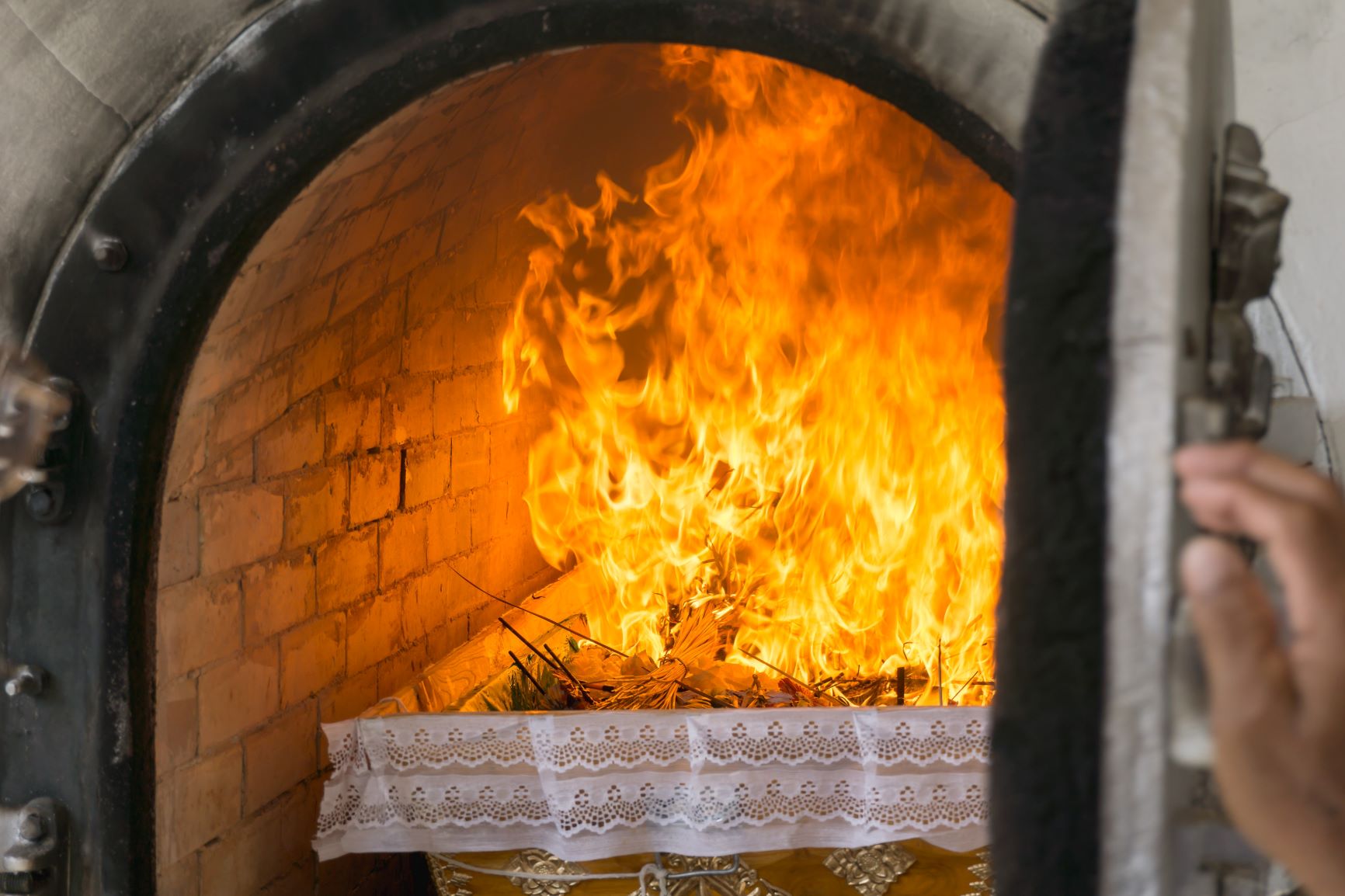
- Cremation Cycle: The container is placed inside the cremation chamber, where temperatures are gradually increased to the optimal range (1400°F to 1800°F). This process typically lasts between one to three hours, depending on the factors mentioned above.
- Cooling Period: After the cremation cycle, the remains are allowed to cool inside the chamber.
- Processing of Remains: Once cooled, any remaining metal fragments are removed, and the bone fragments (cremains) are processed into a uniform consistency.
- Return to Family: The cremains are then placed in an urn or other container chosen by the family.
Equipment Used in Cremation
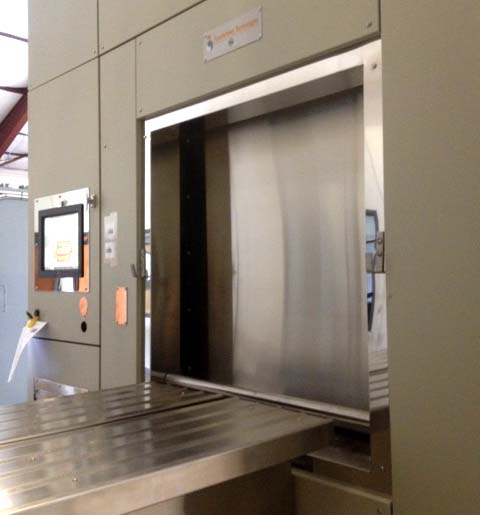
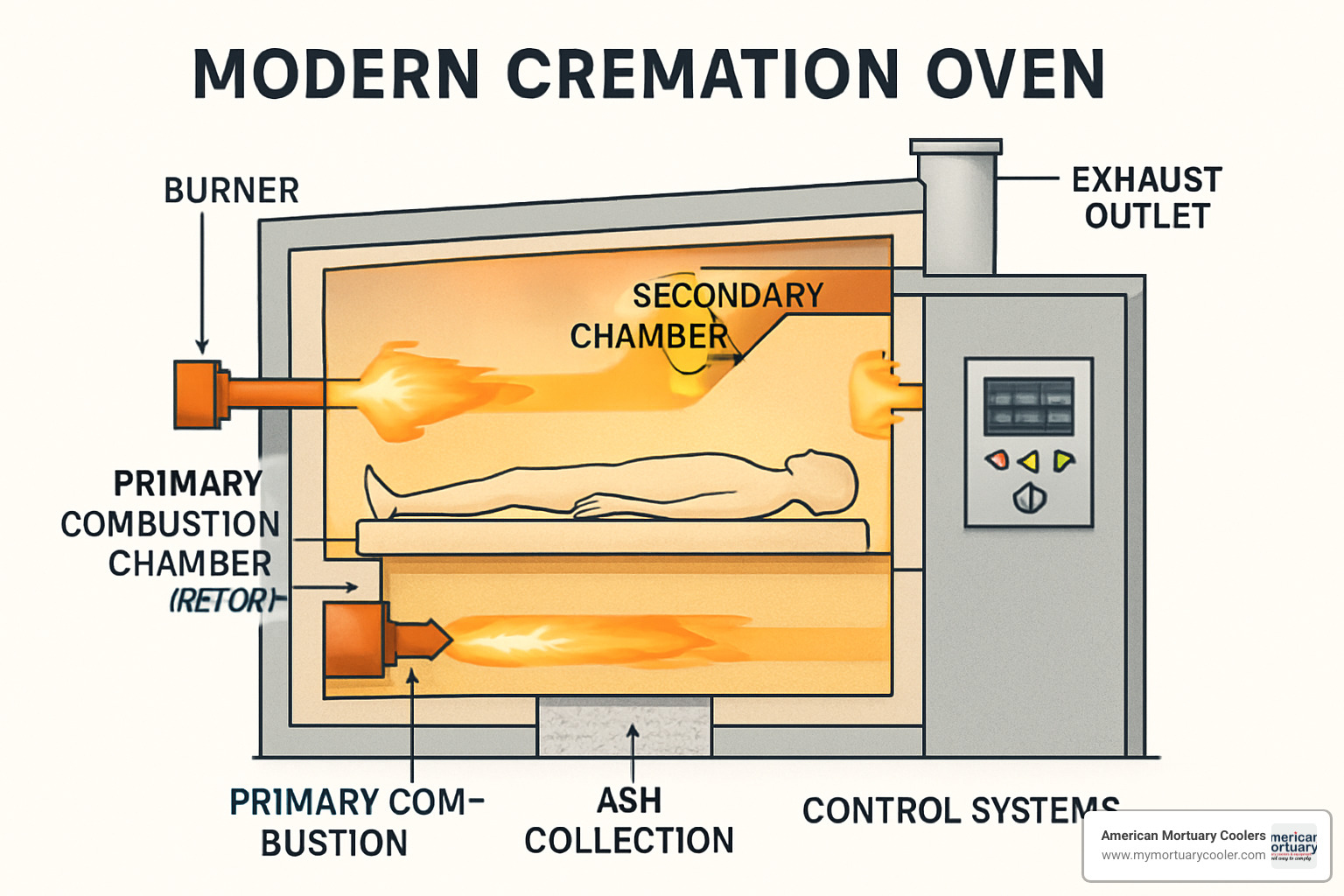
Cremation equipment is specifically designed to withstand extremely high temperatures and provide efficient, controlled combustion. Key components include:
- Cremation Chamber (Retort): This is the primary chamber where the cremation takes place. It's constructed from refractory materials capable of withstanding extreme heat.
- Burners: These provide the heat source, typically using natural gas or propane. Multiple burners may be used to ensure even heat distribution.
- Control System: Modern cremation ovens use sophisticated computer control systems to monitor and adjust temperature, airflow, and other parameters.
- Afterburner (Secondary Combustion Chamber): This chamber is designed to incinerate any gases and particulate matter produced during the primary cremation process, reducing emissions.
- Emissions Monitoring System: These systems continuously monitor the exhaust gases to ensure compliance with environmental regulations.

Frequently Asked Questions of how hot are cremation ovens
What happens if the cremation oven isn't hot enough?
If the cremation oven doesn't reach the proper temperature, the cremation process will be incomplete. This means that not all of the organic matter will be fully combusted, leaving behind larger bone fragments and potentially other unidentifiable remains. This is why temperature control is crucial for a thorough and respectful process.
Are cremation ovens different for humans and pets?
Yes, cremation ovens for humans and pets can differ in size and design. While the fundamental principles of cremation remain the same, pet cremation ovens are often smaller and may have different temperature settings to accommodate the specific needs of animal remains.
How is the temperature monitored inside a cremation oven?
The temperature inside a cremation oven is typically monitored using thermocouples. These sensors are placed strategically within the cremation chamber to provide accurate temperature readings to the control system, allowing for real-time adjustments and ensuring optimal cremation conditions.
What safety measures are in place when operating cremation ovens?
Safety measures are paramount in cremation operations. Cremation technicians undergo extensive training to operate the equipment safely. Safety measures include wearing protective gear, following strict protocols for handling remains, and implementing lockout/tagout procedures for maintenance.
How long does it take for a cremation oven to cool down?
The cooldown period for a cremation oven can vary depending on the oven's size, design, and insulation. Typically, it takes several hours, often overnight, for the chamber to cool down sufficiently to allow for the safe removal of cremated remains.

Conclusion
As we've explored, cremation ovens operate at very high temperatures, typically between 1400°F and 1800°F, to efficiently and respectfully reduce human remains. This process relies on precise temperature control, advanced equipment, and a thorough understanding of the factors that influence cremation.
Whether you are pre-planning your own arrangements or making decisions for a loved one, understanding the science behind cremation provides valuable insight and can help you navigate this important process with confidence. Take the time to explore your options, ask questions, and ensure that your chosen provider adheres to the highest standards of ethical and environmental responsibility. Consider exploring additional resources on cremation services or discussing your wishes with a funeral professional.