
Most metal frying pans are recyclable, while many nonstick-coated pans face limits or special rules.
I’ve spent years working with kitchens, recycling programs, and household waste systems, so I know the real answer to are frying pans recyclable. This guide breaks down materials, municipal rules, and easy steps you can take. Read on to learn which pans you can recycle, how to prepare them, and smart alternatives when recycling isn’t an option.
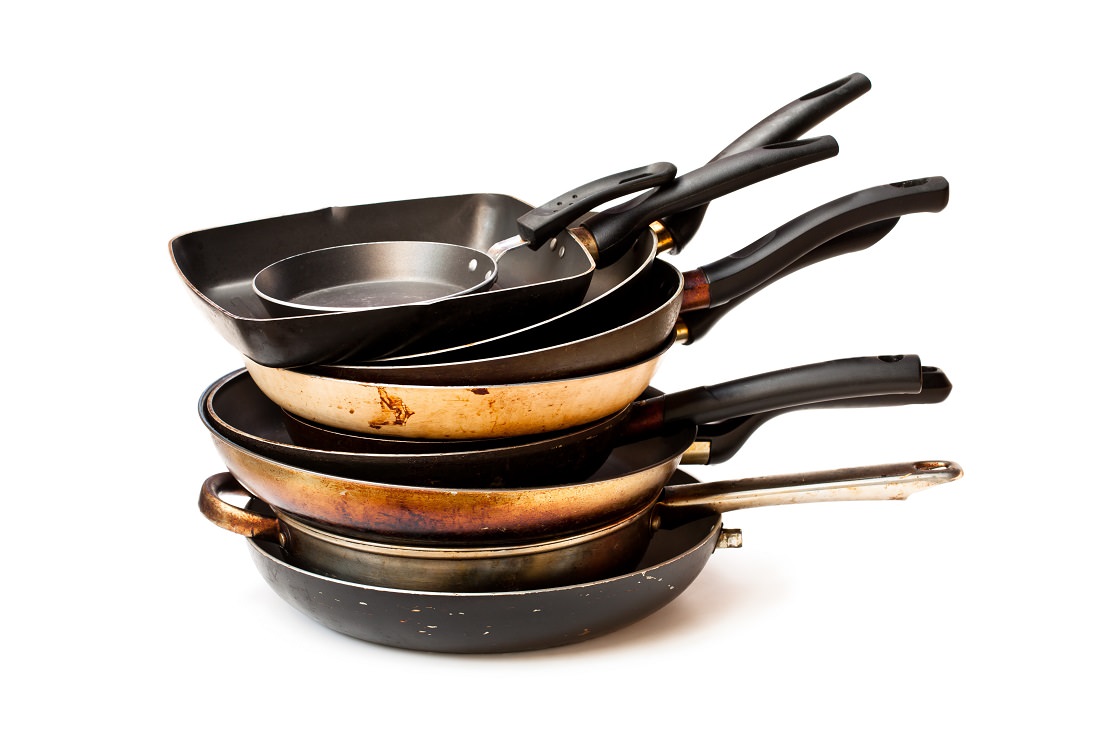
Understanding frying pan materials
When asking are frying pans recyclable, the first step is to look at what the pan is made of. Common materials include stainless steel, cast iron, aluminum, copper, and pans with nonstick or ceramic coatings. Each material behaves differently in recycling streams, so one blanket rule does not fit all.
Stainless steel and cast iron are metal-heavy. They are usually accepted by metal recyclers and scrap yards. Aluminum pans are often valuable to recyclers, but acceptance may depend on local rules and whether the pan has other materials attached.
Nonstick pans often carry a PTFE coating. This coating can complicate recycling because it can’t be separated easily from the metal. Ceramic-coated pans also create challenges if the coating won’t separate cleanly.
When you wonder are frying pans recyclable, think: material, coating, and local rules. Those three things decide the outcome.

Which frying pans are recyclable?
Here’s a clear breakdown to help answer are frying pans recyclable for each type.
- Stainless steel pans
- Usually recyclable at metal recycling centers or curbside scrap metal programs.
- Remove plastic handles or lids if possible to improve acceptance.
- Cast iron pans
- Highly recyclable and often accepted by scrap yards due to strong demand.
- Heavier and often worth dropping off at a metal recycler rather than leaving at curbside.
- Aluminum pans
- Generally recyclable, especially if uncoated. Some programs accept small aluminum cookware.
- Anodized or mixed-material pieces may need special handling.
- Copper pans
- Valuable and recyclable, but many programs ask you to remove non-copper parts first.
- Nonstick PTFE-coated pans
- Many recyclers will not accept them because the coating complicates processing.
- Some specialty programs or take-back schemes accept them under special conditions.
- Ceramic-coated pans
- Often not accepted in standard metal recycling because the coating cannot be separated easily.
If you want a quick tip when thinking are frying pans recyclable, remove non-metal attachments and check with a local scrap yard. Many recyclers give clear guidance.
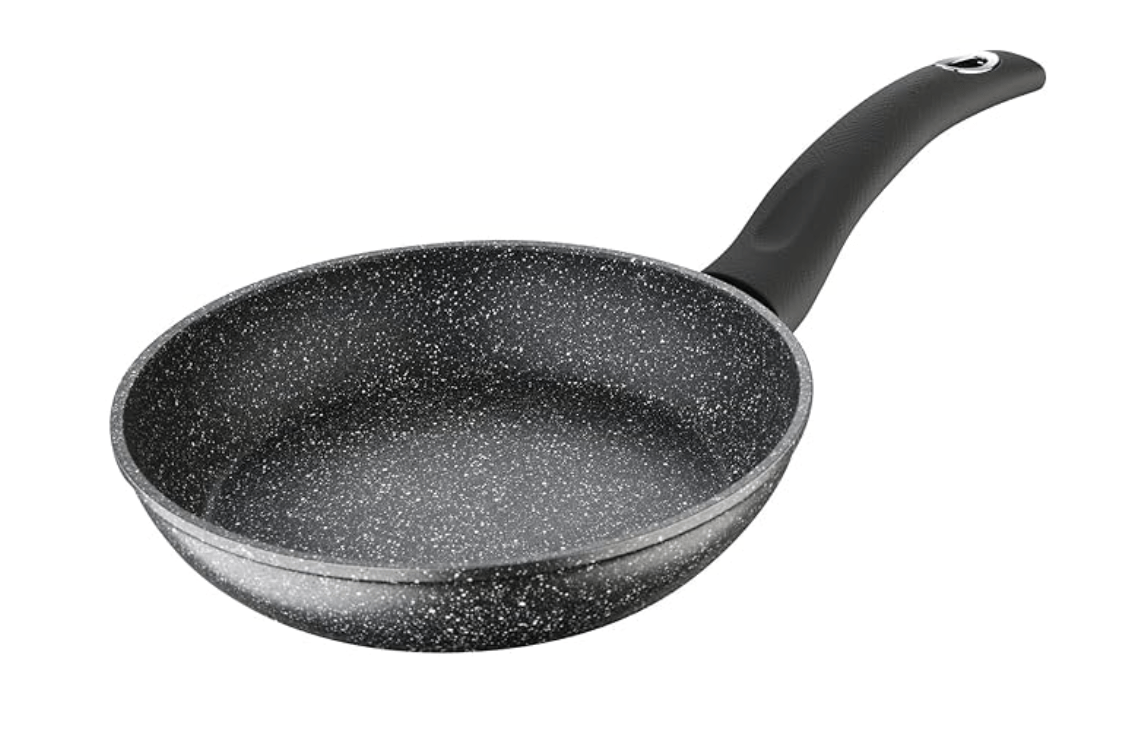
How to prepare frying pans for recycling
Proper prep helps get pans accepted and speeds up recycling. Follow these steps to improve your chances:
- Clean the pan lightly
- Remove loose food and grease. It does not need to be spotless.
- Remove non-metal parts
- Detach wooden, plastic, or rubber handles when possible. Screws can be removed with basic tools.
- Separate mixed materials when you can
- Lids with glass and metal can be separated so each part goes to the right stream.
- Check for local size rules
- Some curbside programs have limits on small metal items. Larger scrap yards welcome whole pans.
- Label or bundle
- If dropping at a scrap yard, bundle small pieces together so they are easier to process.
Following these steps makes it easier for your recycler to accept your pans and avoids contamination. Remember that when people ask are frying pans recyclable, recyclability often depends on this prep.

Where to recycle frying pans
Knowing where to take pans matters more than you might think. Here are the common options:
- Local curbside metal pickup
- Some cities include small metal cookware in bulk metal pickup days. Check your municipal schedule.
- Scrap metal yards
- A reliable option for stainless steel, cast iron, aluminum, and copper. They often pay for larger quantities.
- Household hazardous waste or special collection days
- Some nonstick or mixed-material pans are accepted during special collection events rather than regular recycling.
- Retail take-back programs
- A few brands and stores offer recycling or trade-in programs for cookware.
- Community workshops and reuse centers
- If the pan is in usable condition, donation or resale may be a better environmental choice.
When someone asks are frying pans recyclable in a specific town, the best answer is to call the local recycling office or search the municipal website. Rules vary widely.

Alternatives: repair, reuse, and repurpose
If a pan is not recyclable in your area, there are many useful options. These options extend life and reduce waste.
- Repair
- Replace handles, re-season cast iron, or resurface warped metal when possible.
- Donate or sell
- Usable pans can find a second life at thrift stores, shelters, or online marketplaces.
- Repurpose around the home
- Use old pans as planters, pet dishes, or garden trays.
- Upcycling projects
- Turn a cracked pan into art, a wall planter, or a bird feeder.
- Manufacturer take-back
- Contact the brand to see if they offer programs for end-of-life cookware.
These options often have a lower environmental cost than disposal. When deciding are frying pans recyclable or reusable, consider reuse first.
Environmental and health considerations
Recycling cookware reduces landfill waste and saves materials. But there are caveats you should know.
- Coatings and chemicals
- PTFE and other nonstick chemicals may create problems if burned or mishandled. Avoid disposing of coated pans in open burning.
- Energy and resource savings
- Recycling metal saves significant energy compared with mining and refining new metal.
- Contamination risks
- Food residue and mixed materials can reduce recyclability. Clean and separate parts to help.
- Local regulations
- Rules exist to prevent hazardous coatings from entering standard recycling streams. Follow local guidance to avoid fines or rejections.
When you ask are frying pans recyclable, weigh both environmental benefits and the challenges posed by coatings and local policies.

My experience and practical tips
I once collected old pans from a community kitchen renovation. Many looked worthless but turned out to be scrap metal gold. Here are lessons I learned.
- Ask before you toss
- A quick call to a scrap yard saved dozens of pans from the landfill.
- Keep a small tool kit
- Removing handles takes minutes and often makes a pan acceptable for recycling.
- Test for reuse
- A dented pan can still be a planter or workshop tray. Creativity goes far.
- Beware of over-cleaning
- You only need to remove loose food and grease; soaking in hot water works well.
- Document local rules
- I keep notes from my town’s recycling office. It saves time when I need answers fast.
These tips helped me keep more metal out of landfills. When wondering are frying pans recyclable, small steps can make a big difference.

Frequently Asked Questions of are frying pans recyclable
Are stainless steel frying pans recyclable?
Yes. Stainless steel pans are commonly accepted at metal recyclers and many curbside programs, especially if handles and lids are removed.
Can I recycle a nonstick frying pan?
Often no. Most nonstick pans with PTFE coatings are not accepted in standard metal recycling and may need special programs or disposal routes.
Are cast iron frying pans recyclable?
Yes. Cast iron is highly recyclable and widely accepted at scrap yards, recycling centers, and metal collection events.
Do I need to remove the handle before recycling a pan?
You should remove non-metal handles when possible. Removing mixed materials makes the pan more likely to be accepted.
Where can I find a place to recycle old frying pans?
Check your city’s recycling website, local scrap metal yards, community reuse centers, or retailer take-back programs for guidance.
Conclusion
Recycling frying pans is possible for many metal types, but coatings and mixed materials often complicate the process. Learn what your local programs accept, prepare pans by removing non-metal parts, and consider reuse or donation first. Small actions—like removing a handle or dropping a pan at a scrap yard—can keep metal out of landfills and save energy. Try one practical step today: sort your old pans, call your recycler, and give your cookware a second life. Leave a comment with your local tips or share a recycling win.