
It depends! Some pots are specifically designed to be oven safe, while others are not and can be damaged by the heat.
Navigating the kitchen can feel like a high-stakes game sometimes, especially when you're trying to figure out which cookware can handle the oven's heat. The question of whether your pots are oven safe is crucial for both your cooking success and the longevity of your kitchenware. In this article, we'll dive deep into the world of oven-safe pots, exploring materials, safety tips, and everything you need to know to confidently use your cookware.
Understanding Oven-Safe Materials
The first step in determining whether your pots are oven safe is understanding the materials they're made from. Different materials react differently to high temperatures, and using the wrong pot in the oven can lead to damage or even hazardous situations.
-
Cast Iron: Generally, cast iron pots are oven safe. They can withstand extremely high temperatures, making them ideal for searing, braising, and baking. However, make sure the handles are also oven safe.
-
Stainless Steel: Many stainless steel pots are oven safe, but it's important to check the manufacturer's instructions. Look for pots with stainless steel handles, as plastic or rubber handles will melt.
-
Ceramic: Ceramic pots can be oven safe, but it depends on the temperature rating and the specific construction of the pot. Always check the manufacturer's guidelines before using a ceramic pot in the oven.
-
Glass: Some glass pots, especially those made from tempered glass, are oven safe. However, sudden temperature changes can cause glass to shatter, so it's essential to follow the manufacturer's recommendations.
-
Enameled Cast Iron: Enameled cast iron pots are typically oven safe up to a certain temperature, usually around 400-500°F (200-260°C). Be sure to check the manufacturer's instructions to avoid damaging the enamel coating.
-
Copper: While copper pots conduct heat exceptionally well on the stovetop, they are generally not oven safe, especially if they have handles made of other materials.
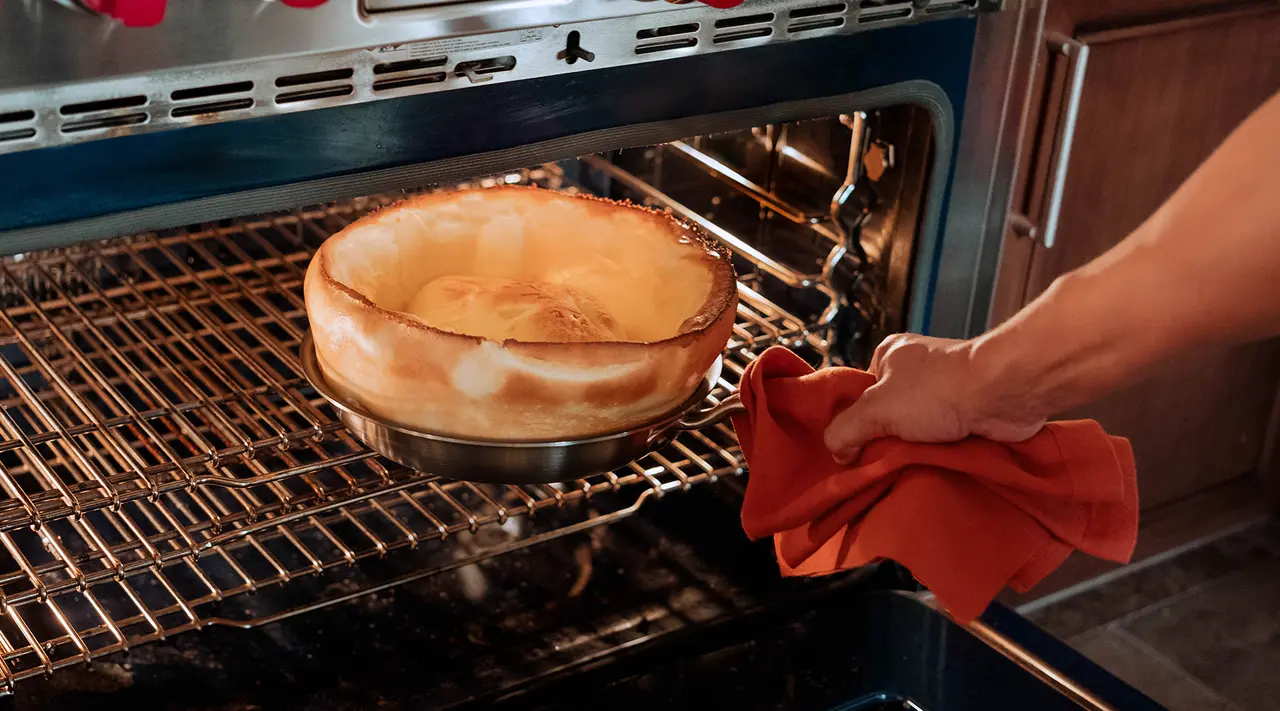
Identifying Oven-Safe Pots
Besides knowing the material, there are a few ways to identify whether a pot is oven safe.
-
Check the Bottom: Many pots have markings on the bottom indicating whether they are oven safe. Look for symbols or phrases like "oven safe" or a temperature rating.
-
Read the Manufacturer's Instructions: The most reliable way to determine if a pot is oven safe is to consult the manufacturer's instructions. These instructions will provide specific information about temperature limits and usage guidelines.
-
Examine the Handles: Handles made of metal, like stainless steel or cast iron, are usually oven safe. However, handles made of plastic, rubber, or wood are not oven safe and should be removed or covered before placing the pot in the oven.

Safety Tips for Using Pots in the Oven
Using pots in the oven requires a bit of caution to ensure both your safety and the longevity of your cookware.
-
Avoid Thermal Shock: Thermal shock occurs when a pot is exposed to a sudden temperature change, which can cause it to crack or shatter. To avoid thermal shock, preheat the pot gradually and avoid placing a cold pot in a hot oven.
-
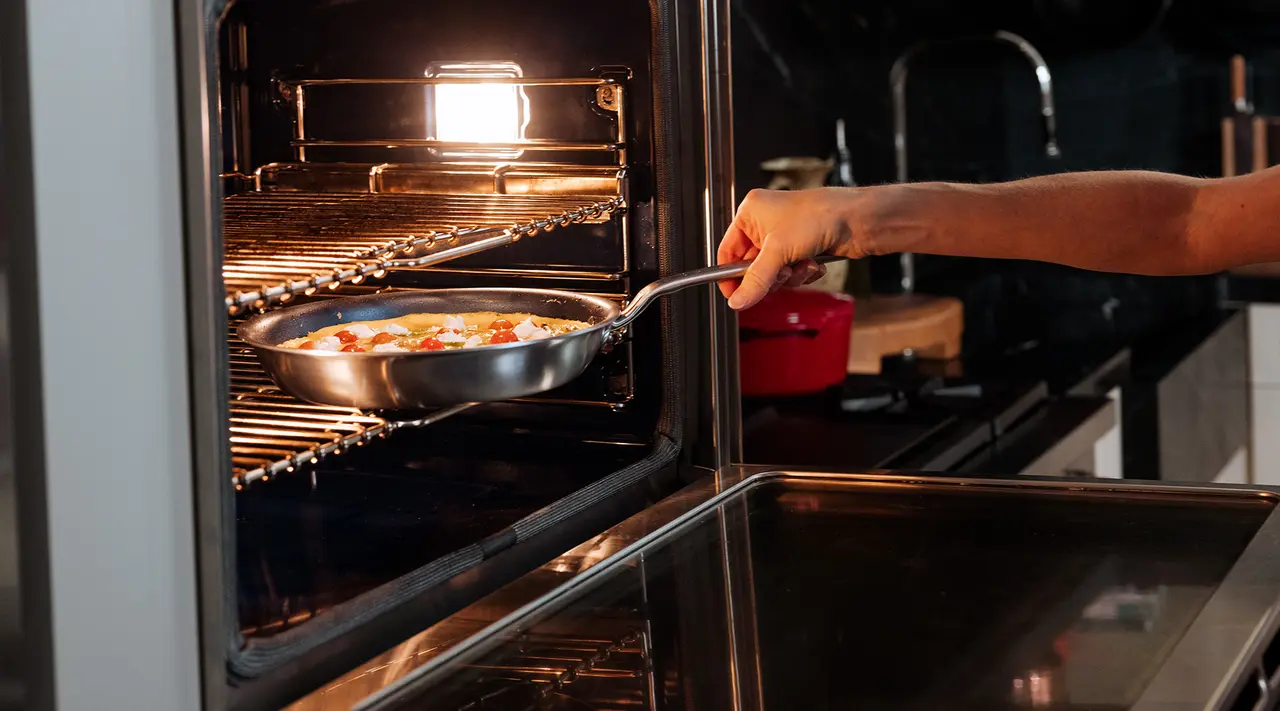
Use Oven Mitts: Always use oven mitts or heat-resistant gloves when handling hot pots. Metal handles can get extremely hot in the oven, and it's easy to burn yourself if you're not careful.
-
Monitor Temperature Limits: Never exceed the maximum temperature limit specified by the manufacturer. Exceeding the temperature limit can damage the pot and potentially release harmful chemicals.
-
Consider the Lid: If you're using a lid, make sure it's also oven safe. Glass lids can shatter if exposed to high temperatures, and plastic lids will melt.
:strip_icc()/BHG-oven-safe-skillet-hero-2680_1rrwNcHR424Ar7XISRl75a-404a2bf75be940169e049eebed3ba417.jpg)
The Importance of Proper Ventilation
Proper ventilation is essential when using pots in the oven, especially at high temperatures.
-
Ensure Adequate Airflow: Make sure there is adequate airflow around the pot in the oven. This helps to distribute heat evenly and prevent hotspots that could damage the pot.
-
Avoid Overcrowding: Don't overcrowd the oven with too many pots or dishes. Overcrowding can restrict airflow and lead to uneven cooking.
-
Use the Right Rack: Place the pot on the appropriate rack in the oven. The middle rack is generally the best option for even cooking.
Caring for Your Oven-Safe Pots
Proper care and maintenance will extend the life of your oven-safe pots and keep them in good condition.
-
Clean Gently: Clean your pots gently with warm, soapy water and a non-abrasive sponge. Avoid using harsh chemicals or abrasive cleaners, as these can damage the surface of the pot.
-
Dry Thoroughly: After washing, dry your pots thoroughly with a soft towel. Moisture can cause rust or corrosion, especially in cast iron pots.
-
Store Properly: Store your pots in a dry, well-ventilated area. Avoid stacking pots on top of each other, as this can scratch or damage the surface.

Frequently Asked Questions of are pots oven safe
Are all stainless steel pots oven safe?
Not all stainless steel pots are oven safe. It depends on the handle material and the manufacturer's specifications. Always check the manufacturer's instructions before using a stainless steel pot in the oven.
Can I put a pot with a plastic handle in the oven if I wrap it in foil?
No, you should not put a pot with a plastic handle in the oven, even if you wrap it in foil. Plastic can melt at high temperatures, and the foil may not provide adequate protection. It's best to remove the handle or use a different pot.
What happens if I put a non-oven-safe pot in the oven?
If you put a non-oven-safe pot in the oven, it can be damaged or even cause a fire. The pot may crack, melt, or release harmful chemicals. Always use pots that are specifically designed for oven use.
Can I use my enameled cast iron pot under the broiler?
While enameled cast iron pots are oven safe, using them under the broiler is generally not recommended. The high, direct heat of the broiler can damage the enamel coating and cause it to crack or chip.
How do I know the temperature limit of my oven-safe pot?
The temperature limit of your oven-safe pot is usually indicated on the bottom of the pot or in the manufacturer's instructions. Always check these sources before using the pot in the oven to avoid damaging it.
Conclusion
Understanding whether your pots are oven safe is a crucial part of being a confident and safe cook. By considering the material, checking for markings, and following safety guidelines, you can use your cookware effectively and avoid potential hazards. Equip yourself with the right knowledge and practices, and you'll be ready to tackle any oven-baked recipe with ease. Now, go forth and confidently create delicious meals, knowing your cookware is up to the task!