
Most food processor bowls and lids are safe on the dishwasher’s top rack, but blades often need handwashing.
I’ve used and tested many food processors over the years, and I’ll walk you through clear, practical advice about are food processor parts dishwasher safe. This guide explains which parts you can safely toss in the dishwasher, which parts to hand wash, how to read manufacturer markings, and simple steps to protect your appliance. Read on for tested tips, quick checks, and common mistakes to avoid so your food processor lasts longer.

Which food processor parts are usually dishwasher safe?
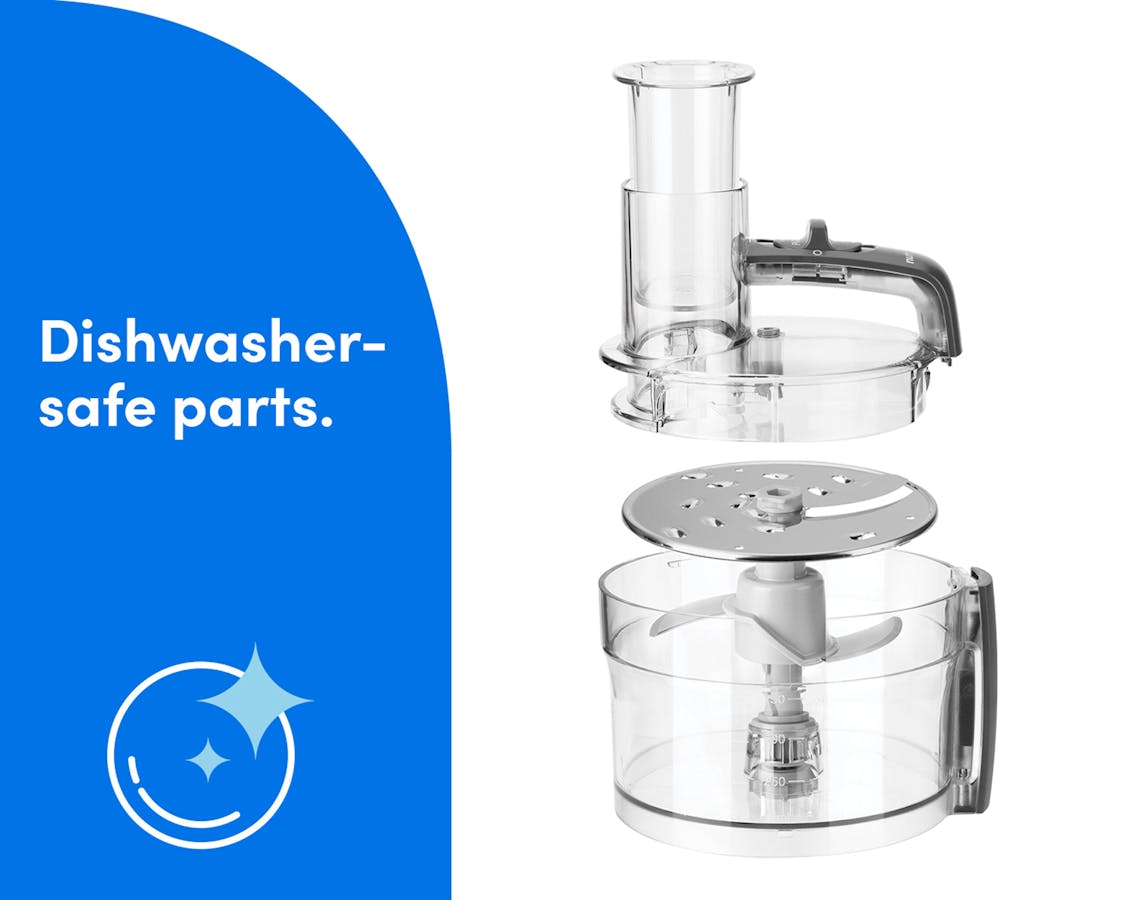
Many plastic bowls, lids, and feeding chutes are labeled dishwasher safe. Place these items on the top rack away from heating elements to reduce warping. Small plastic pushers and some removable rings also survive normal dishwasher cycles.
Blades and metal discs are often made of stainless steel and can tolerate dishwashers. However, repeated dishwasher cycles may dull edges and speed corrosion if they have welded joins. Rubber seals, gaskets, and bearings are usually not dishwasher safe. Heat, strong detergents, and spray can damage them.
When asking are food processor parts dishwasher safe, check each piece. The answer often varies by brand and part material.

Manufacturer guidelines and how to check the symbols
Always consult your manual first. Manufacturer guidance beats general rules. Look for the dishwasher-safe symbol on parts. A small plate with water drops or the words “dishwasher safe” tell you it’s tested for that use.
If a part says “top rack only,” follow that instruction. If the manual is lost, check the brand’s website or parts page. When in doubt, hand wash to stay safe.

How to load your dishwasher and wash food processor parts safely
Follow these steps to reduce damage and keep parts sanitary:
- Remove food scraps and rinse parts before loading. This prevents clogging and reduces detergent abrasion.
- Place bowls, lids, and plastic pieces on the top rack only. Top-rack placement keeps parts away from the heating element.
- Secure small parts in a dishwasher basket so they don’t fall or spin.
- Do not place blades or sharp discs in a loose position. If you must use the dishwasher, secure them flat so they don’t contact other items.
- Use a mild, low-alkaline detergent. Avoid high-heat sanitize cycles for plastic parts.
These steps answer common concerns about are food processor parts dishwasher safe and help prevent damage.

When to hand wash: blades, motors, seals, and bearings
Never put the motor base in the dishwasher. That part contains electronics and should only be wiped with a damp cloth. Hand wash sharp blades when possible. I hand-wash blades to keep them sharp and to avoid accidental dulling from dishwasher chemicals.
Gaskets, rubber seals, and bearings should be hand washed and air-dried. Heat and harsh detergents can shrink or deform them. This preserves a proper seal and prevents leaks.
Common mistakes and how to avoid damaging parts
Avoid these frequent errors:
- Washing the motor base in the dishwasher. This will ruin the electronics.
- Placing plastic parts on the bottom rack. Heat can warp them.
- Leaving food or acidic residue on metal parts before dishwasher cycles. Acid speeds corrosion.
- Using very hot sanitize cycles for non-heat-rated plastics. This causes cracks and clouding.
- Storing damp parts. Trapped moisture leads to odors and mold.
Following simple steps stops damage and keeps parts functioning well.

Maintenance tips to prolong life of parts
Routine care extends lifespan:
- Rinse parts promptly after use to prevent food from sticking and causing stains.
- Hand dry rubber seals and metal pieces to stop rust and mold.
- Inspect seals and blades every few months and replace worn parts as needed.
- Rotate dishwasher and hand-wash cleaning. Occasional hand washing reduces wear.
- Store blades with guards or in a safe drawer to keep edges sharp and safe.
Small habits make a big difference in how long parts last and how often you need replacements.

Personal experience and practical tips from testing
I once put every removable piece of a mid-range processor in the dishwasher. The bowl survived, but a plastic pusher warped over time. Since then I only use the top rack for plastic parts. I also found that hand washing blades twice a month kept them sharper and reduced my need to replace them.
A tip I learned: dry seals on a towel and reassemble only when fully dry. This stopped leaks I had from reassembling damp parts. These small fixes are easy and save money.
Frequently Asked Questions of are food processor parts dishwasher safe
Are all food processor parts dishwasher safe?
Not all parts are dishwasher safe. Many bowls and lids are safe on the top rack, but motors, seals, and some blades should be hand washed.
Can dishwasher use dull blades faster?
Yes. Harsh detergent, hard water, and aggressive cycles can dull blades faster than hand washing and careful drying.
Is it safe to run metal discs in the dishwasher?
Often yes, but repeated cycles can cause corrosion or pitting over time. Hand washing helps preserve the finish.
Will heat warp plastic parts in the dishwasher?
High heat and bottom-rack placement can warp plastic parts. Use the top rack and avoid sanitize cycles for plastic components.
How can I tell if a part is dishwasher safe?
Check the manual or look for a dishwasher-safe symbol on the part. If unsure, hand wash to be safe.
Can dishwasher detergent damage rubber seals?
Strong detergents and hot water can degrade rubber seals. Hand wash seals with mild soap and air dry to extend life.
Conclusion
Most plastic bowls and lids are dishwasher safe on the top rack, but blades, gaskets, and the motor base often need hand care. Follow manufacturer guidance, rinse parts, and dry seals to avoid damage. Take simple steps like placing parts on the top rack and hand-washing sharp blades to keep your food processor working well for years.
Try a mix of dishwasher cleaning for safe pieces and hand washing for delicate ones. Share your experience or ask a question below, and consider subscribing for more appliance care tips.