Most food processors come with a multipurpose S-blade, slicing disc, shredding disc, and a dough blade.
I’ve used dozens of models and tested every blade type, so I’ll walk you through exactly what are the different blades for a food processor, when to use each one, and how to get the best results. This guide mixes hands-on tips, clear examples, and simple rules so you can choose and use blades with confidence.

Common blades and what they do
To start, here are the core parts that answer what are the different blades for a food processor and their basic roles. Each blade or disc is made for a task. Knowing them saves time and gives better results.
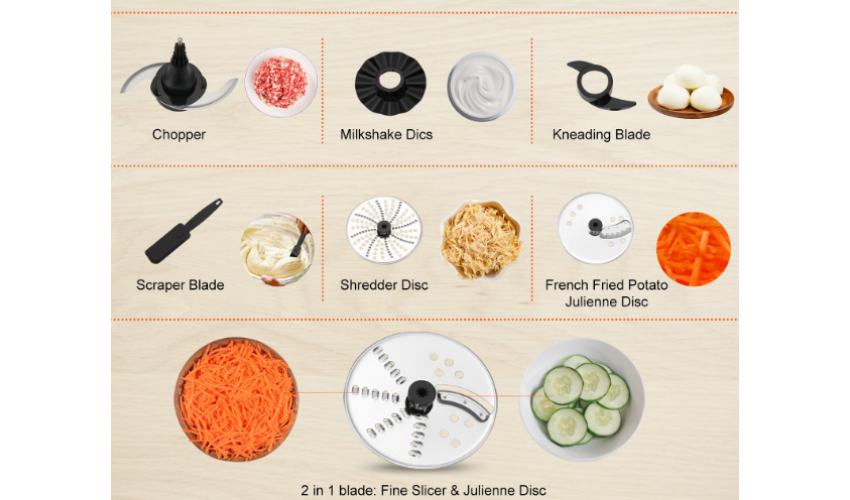
- S-blade — The all-purpose chopping and pureeing blade for soups, sauces, and chopping veggies.
- Serrated or dough blade — A thicker plastic or metal blade that mixes and kneads dough without cutting.
- Slicing disc — A flat disc with a single blade edge that creates uniform slices for vegetables and fruits.
- Shredding or grating disc — A disc with raised holes or teeth that shreds cheese, carrots, and cabbage.
- Julienne disc — Cuts vegetables into thin matchstick strips for salads and garnishes.
- French fry disc — A specialized disc that cuts potatoes into fry shapes.
- Emulsifying or whisk blade — A small whisk-like disk for whipping cream or emulsifying dressings.
- Citrus reamer attachment — For extracting juice from citrus without cutting rinds.
Knowing what are the different blades for a food processor helps you pick the right one for each recipe. I use the S-blade daily for sauces and the slicing disc when prepping salads.
Specialty blades and discs explained
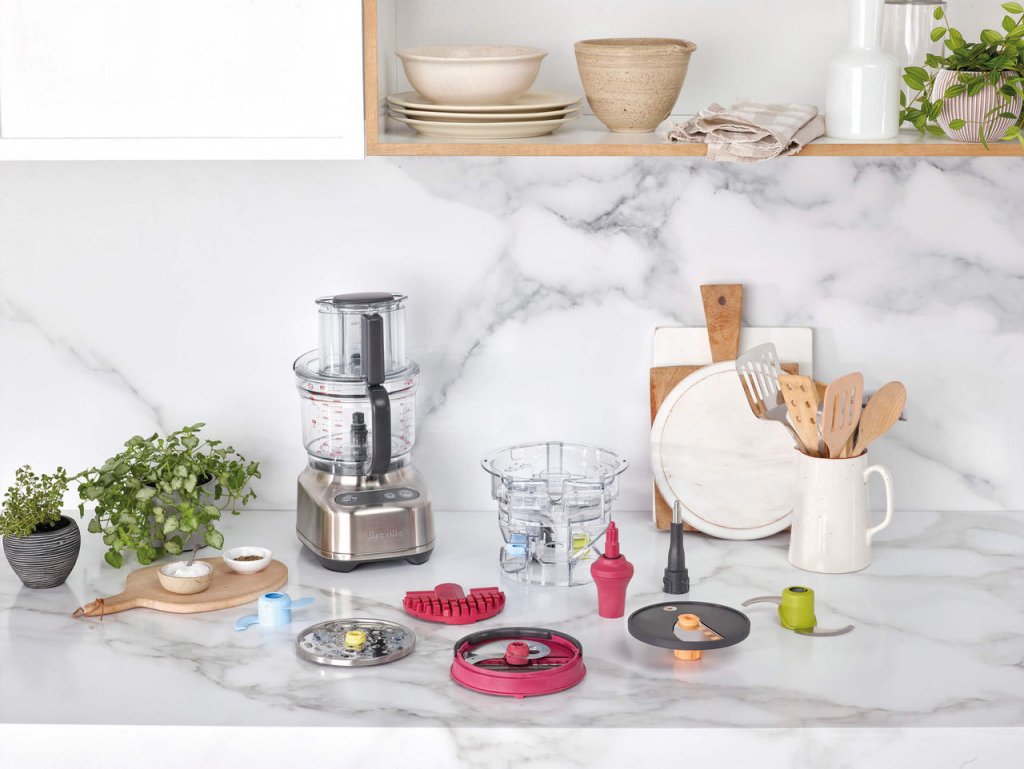
High-end processors often include specialty blades. These expand what are the different blades for a food processor beyond basic chopping and slicing.
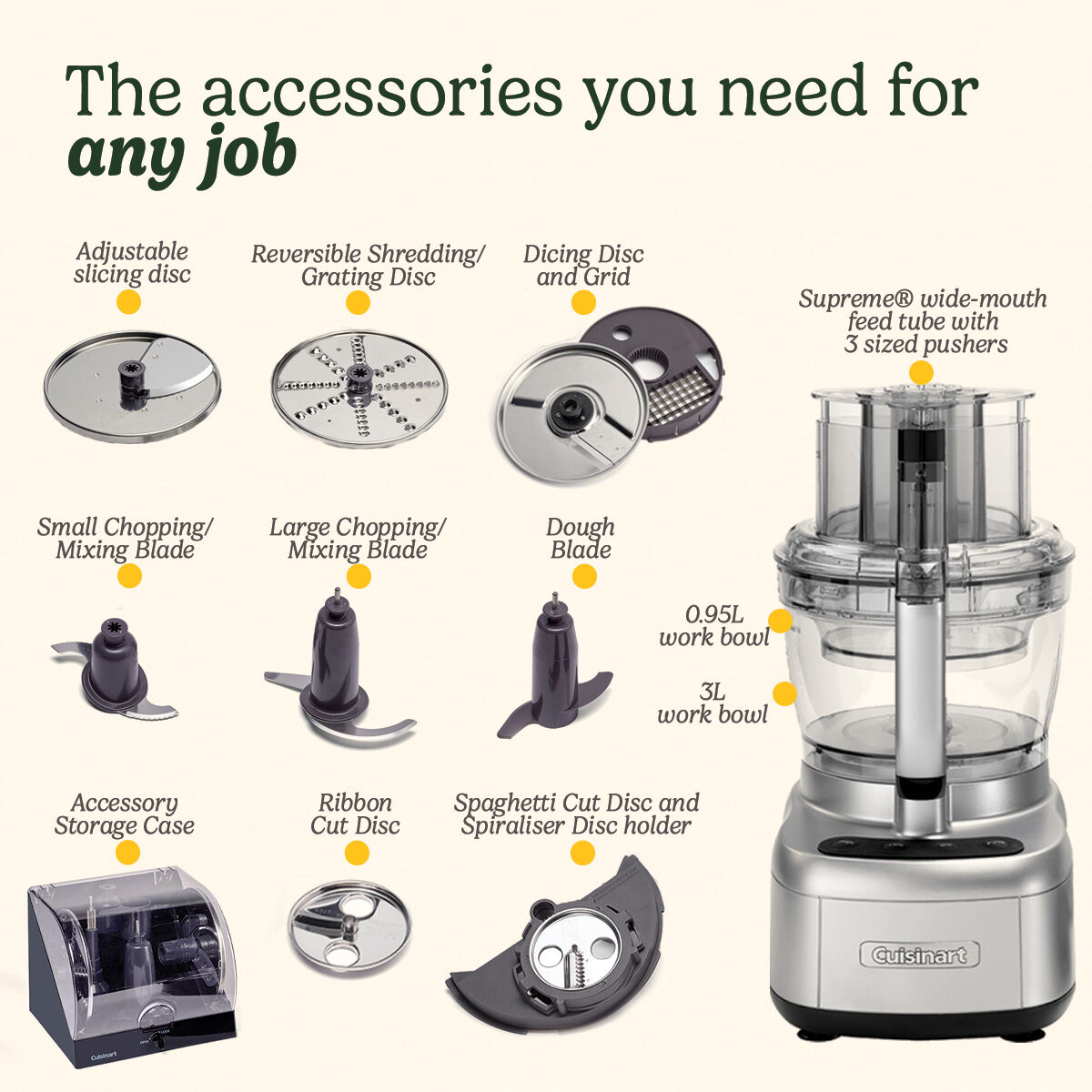
- Fine grating disc — Ideal for hard cheeses, nut fines, and zesting.
- Coarse grating disc — Best for shredding potatoes for latkes or cabbage for slaw.
- Adjustable slicing disc — Lets you choose slice thickness for consistent cuts.
- Spiralizing or ribboning disc — Creates ribbons or spirals for veggie noodles.
- Pasta cutter set — A modular set that rolls and cuts dough into noodles on some models.
Use specialty blades when you want a specific texture or uniformity. They save time and create professional-looking results.
How to choose the right blade for the job
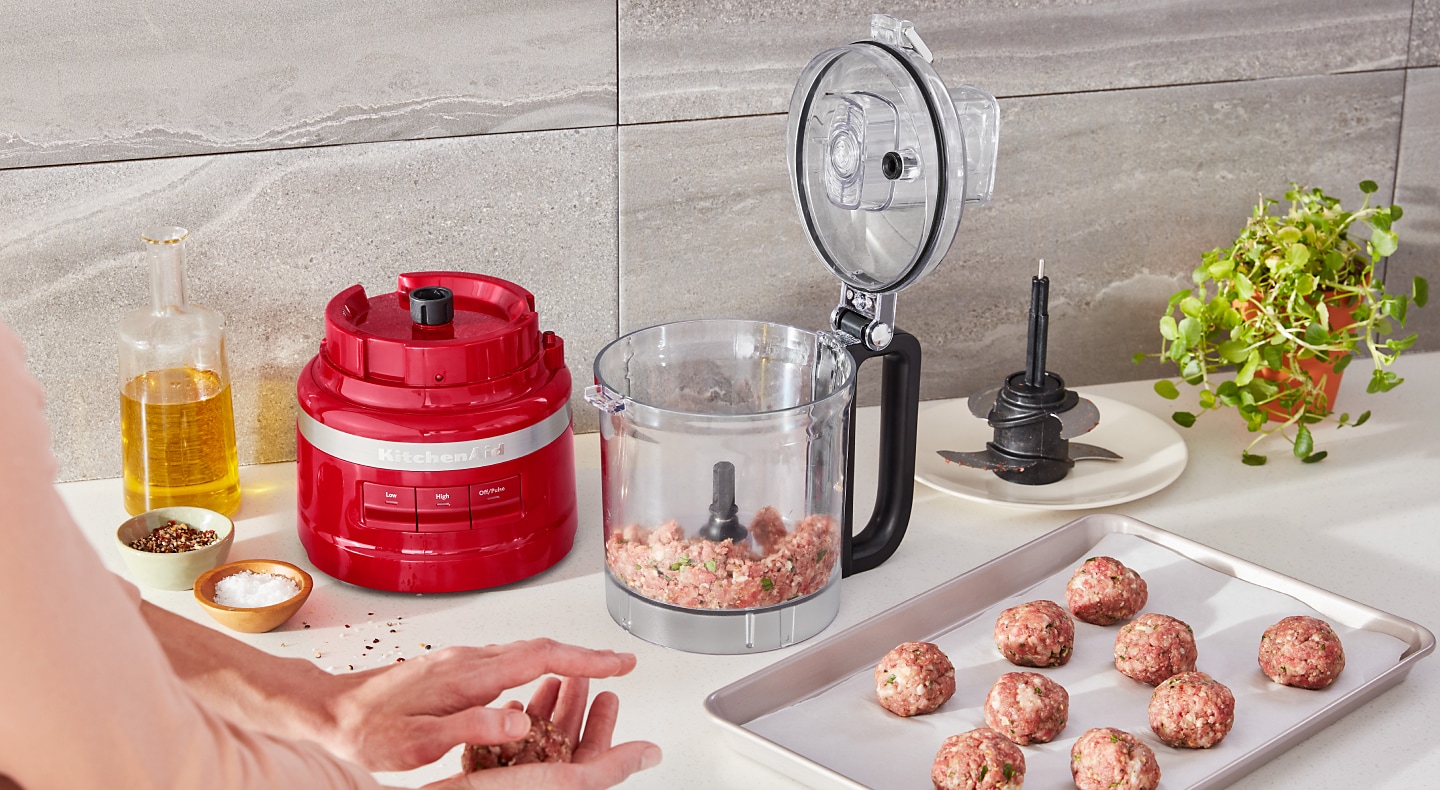
Choosing the correct blade is the key answer when someone asks what are the different blades for a food processor and how to use them correctly. Match the blade to the task, not the food.
- For chopping, dicing, or making pesto — use the S-blade.
- For slicing or making gratings — choose the slicing or shredding discs.
- For bread or pizza dough — pick the dough blade.
- For whipping or emulsifying — use the whisk/emulsifier.
From my experience, beginners try to process dough with the S-blade and end up with overworked dough. Using the dough blade or mixing by hand fixes texture. Pick blades that match capacity and motor strength for best results.
How to use blades safely and effectively
Using blades correctly prevents accidents and yields better food. Safety matters with sharp metal discs.
- Always unplug or disconnect power before inserting or removing blades.
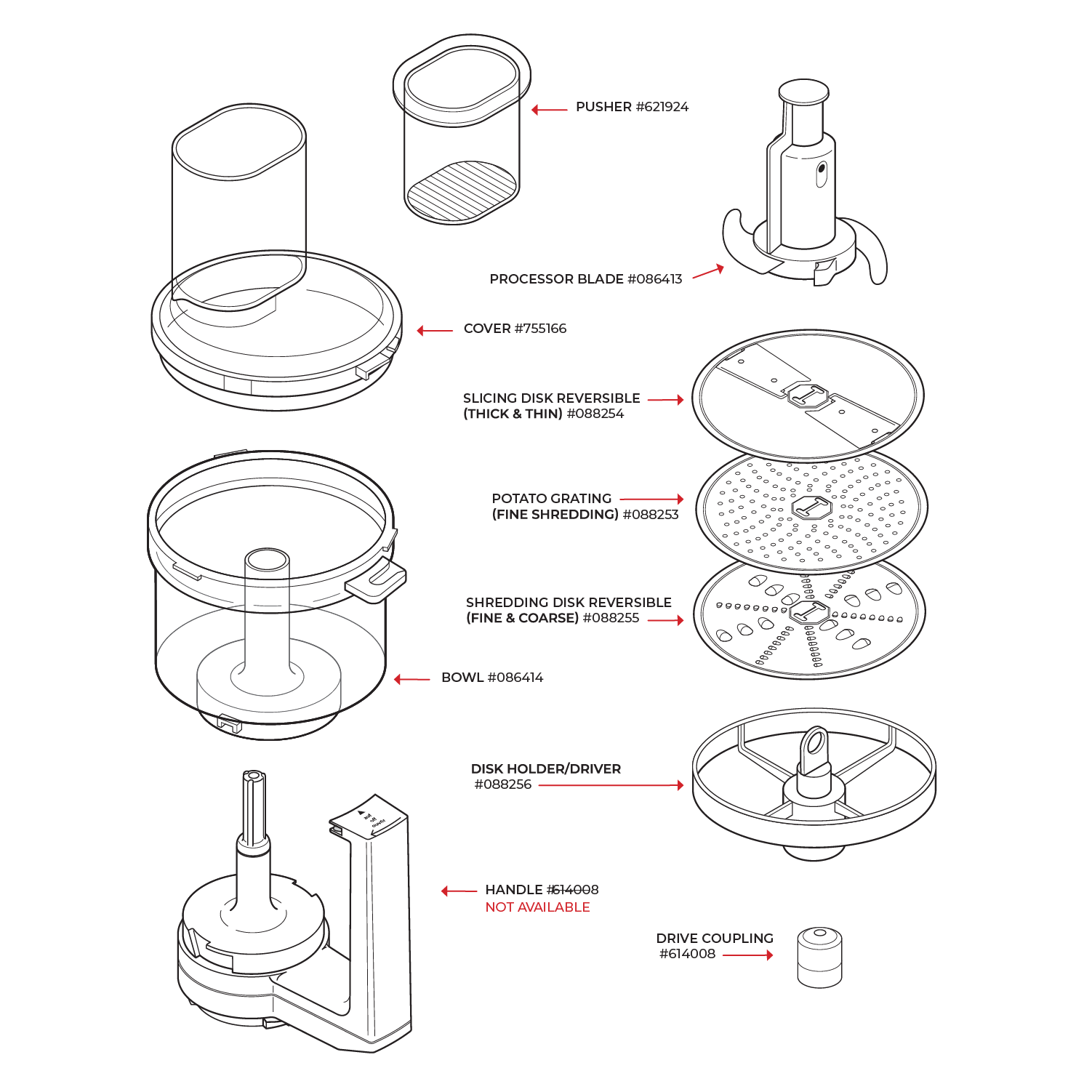
- Fix the bowl and lid securely so the processor locks in place.
- Feed food through the feed tube and use the pusher — don’t use fingers.
- Pulse rather than run continuously for coarse textures or to avoid overprocessing.
If you’re asking what are the different blades for a food processor and how to avoid mistakes, remember: short pulses give control. I once shredded an onion too long and ended up with puree — pulse control would have saved the dish.
Cleaning and maintenance tips
Caring for blades extends their life and keeps food safe. Good care answers long-term questions about what are the different blades for a food processor.
- Rinse blades right after use to prevent food from drying on them.
- Wash discs and blades by hand or place them on top rack of dishwasher if manufacturer allows.
- Dry thoroughly and store blades upright or in their original case to prevent dulling.
- Check seals and shafts for wear and replace worn parts as needed.
I learned to store discs between two cloths to avoid clanking and nicks. That small habit keeps blades sharper longer.
Troubleshooting common blade problems
When something goes wrong, these fixes help and clarify what are the different blades for a food processor in practice.
- Processor won’t cut well — Check for dull blades or jammed food. Sharpen or replace if dull.
- Uneven slices — Confirm the disc is seated correctly and the food is centered on the feed tube.
- Dough too wet or dry — Adjust water or flour and avoid overprocessing with the S-blade.
- Strong motor noise or stalling — Reduce load size and use pulse mode or let the motor rest.
If your machine struggles with a task, try a smaller batch or a different blade. That simple swap often solves the problem.
Frequently Asked Questions of what are the different blades for a food processor
What is the S-blade used for?
The S-blade is for chopping, mixing, and pureeing. It handles most day-to-day tasks like making sauces and chopping vegetables.
Can I use the slicing disc for soft fruits?
Yes. The slicing disc works well on firm and soft fruits, but very soft fruit may crush instead of slice. Chill soft fruit first for cleaner slices.
Do all food processors include a dough blade?
Not all models include a dough blade; many consumer models have it while compact models may not. Check the parts list before buying if you plan to knead dough.
How do I prevent a shredding disc from clogging?
Cut food into smaller pieces and feed evenly through the feed tube. Pulse gently and clean the disc between batches to avoid build-up.
Are blades dishwasher safe?
Some blades and discs are dishwasher safe, but metal blades may dull faster in dishwashers. Refer to the manual and hand-wash when in doubt.
Is it safe to sharpen food processor blades?
You can sharpen some blades, but discs are hard to sharpen uniformly at home. Consider professional sharpening or replacing discs if performance drops.
Conclusion
You now know what are the different blades for a food processor, how each one works, and when to use them. Pick the blade to match the task, use short pulses for control, and care for blades to keep them sharp. Try one new blade the next time you cook and notice how it changes the result. Share your favorite blade tip below or subscribe to get more hands-on kitchen guides.