
Arrange containers by size, nest lids with bases, and use clear bins for quick access.
I have spent years refining how to organize plastic food storage containers in real kitchens. I test ideas, fix mistakes, and teach simple systems that last. Read on for a step-by-step, practical guide that makes your containers easy to find, use, and store.
:strip_icc()/plastic-bins-in-cupboard-for-storage-container-organization-c532e2a5-db746fa3bbeb4c3abb005eeca27adeb9.jpg)
Why organized containers change your kitchen life
An organized set of plastic food storage containers saves time, cuts waste, and frees up space. When you know how to organize plastic food storage containers, you stop digging, reduce spills, and keep food fresher. I learned this after fighting drawer chaos for months. Small wins make daily cooking calm and fast.
Prep: clear, clean, and set simple rules
Start by emptying the drawer or cupboard. Wash all containers and lids. Toss warped or stained pieces that no longer seal. Keep only what you use.
Create a simple rule. I keep one rule in my kitchen: if it leaks or lacks a lid, it goes. This rule makes it easy to decide fast.
When you prep, sort by shape and use. Group lunch boxes, meal prep, and baking storage in separate piles. This step is the backbone of how to organize plastic food storage containers.
:strip_icc()/BHG_10_Genius_Solutions_for_Storing_and_Organizing_Food_Storage_Containers_Alicia_Long_V1_01-4e996abc1159410e9202b3e9b73be7eb.jpg)
Sort by size, shape, and frequency of use
Sort containers into clear groups. Use these categories:
- Small square or round containers for snacks.
- Medium sets for lunches and leftovers.
- Large containers for bulk meals.
- Specialty shapes for baking or produce.
Stack the same size together and nest similar shapes. Keep the lids in one place for each group. This makes it simple to find the match and shows you exactly what you own.
Knowing how to organize plastic food storage containers by frequency helps. Put daily-use containers at eye level. Store occasional items higher or lower.
Smart storage systems to try
Choose a storage method that fits your kitchen. Here are reliable systems I recommend:
- Drawer dividers — use them to create columns for nested containers and a column for lids.
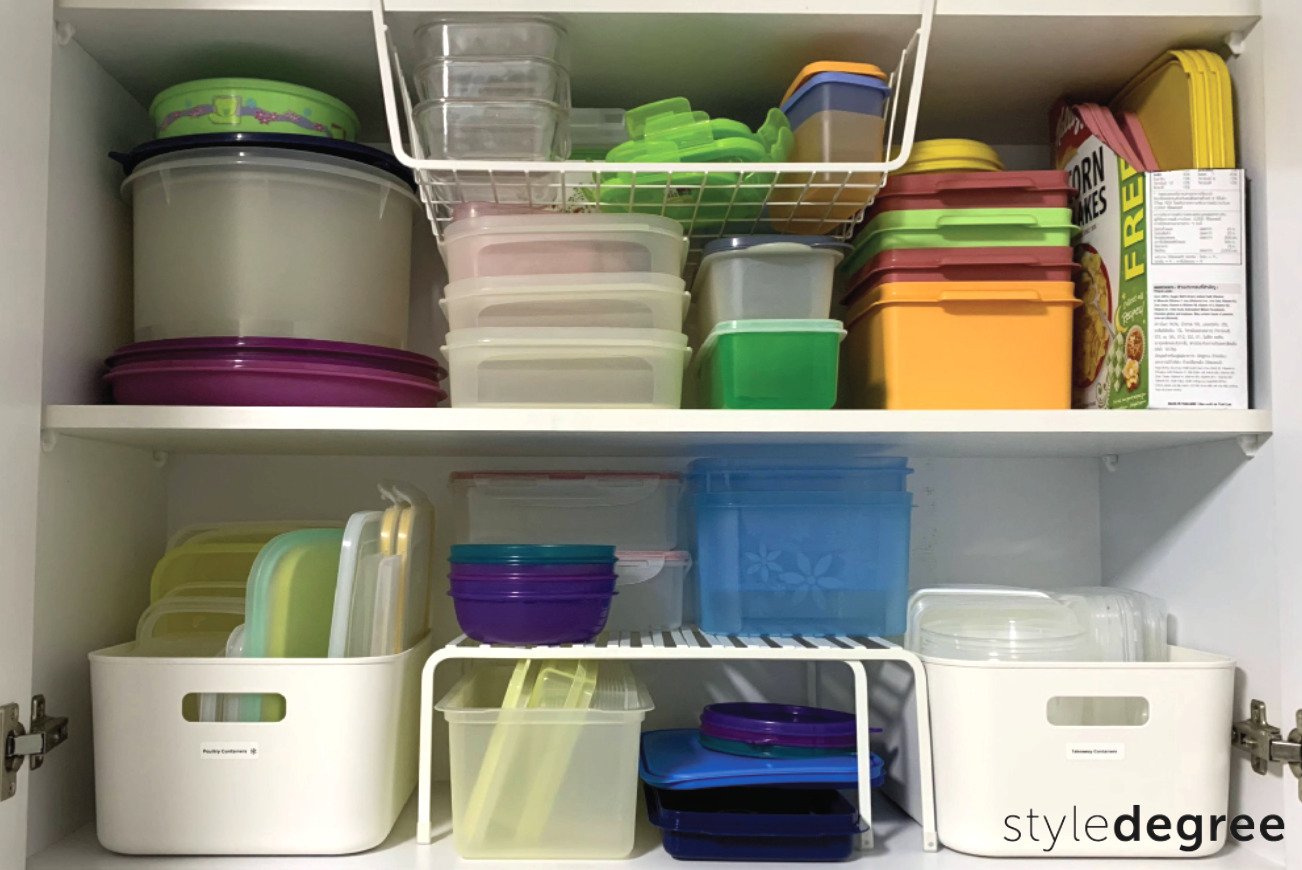
- Wire racks or shelf risers — double vertical space inside cupboards.
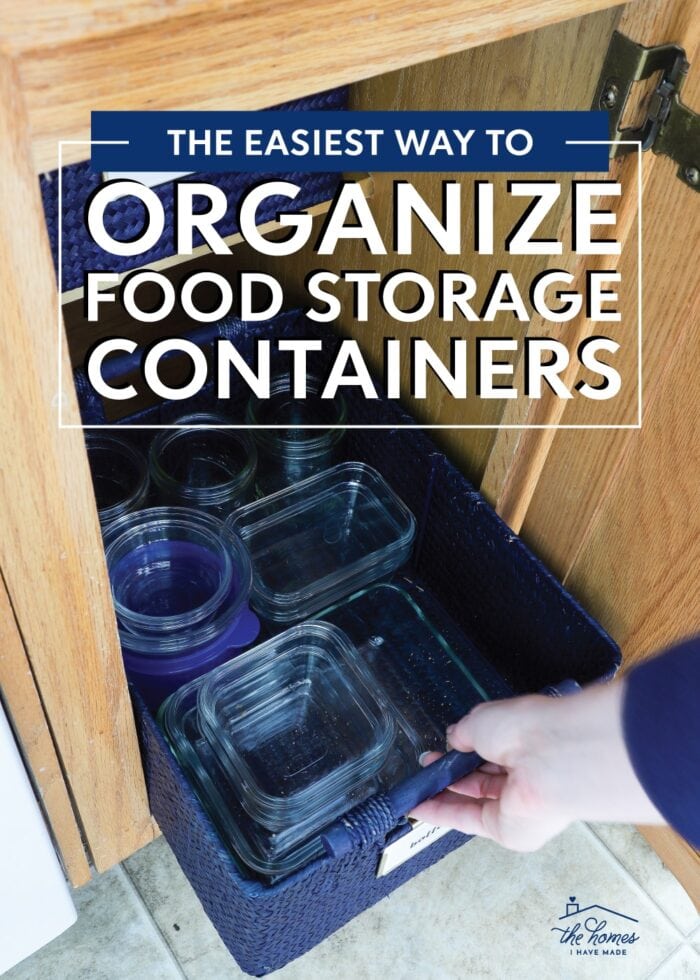
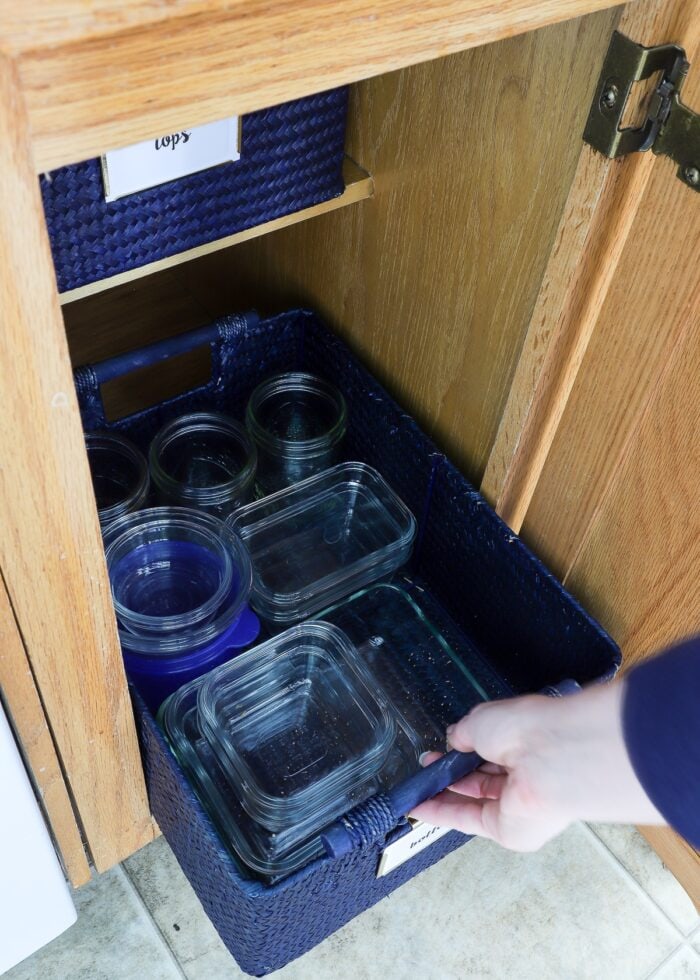
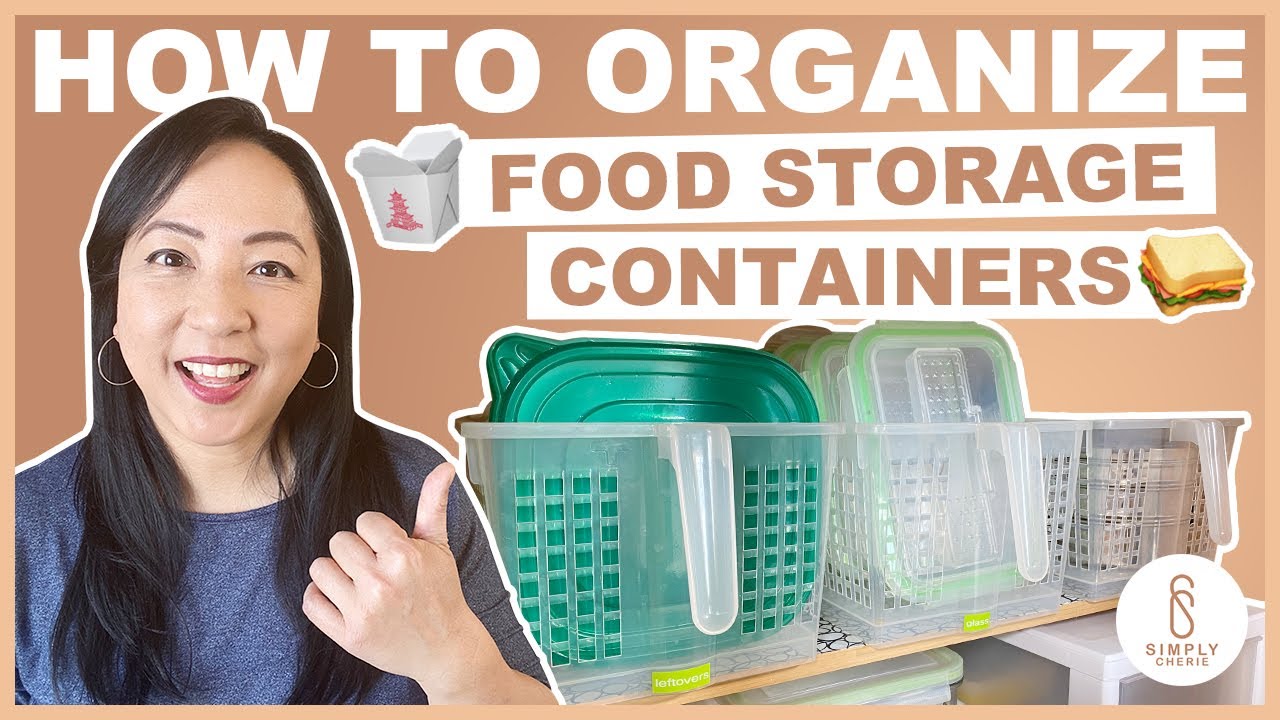
- Clear bins or baskets — hold sets and keep them from toppling.
- Vertical lid organizers — store lids upright like files for quick access.
- Pegboard with hooks — hang handled or clip-top containers.
I used clear bins for years. They keep sets tidy and move easily between shelves. Pick one system and stick with it for a month to see how it works.
Match lids and bases efficiently
Matching lids drives organization success. Try these tips:
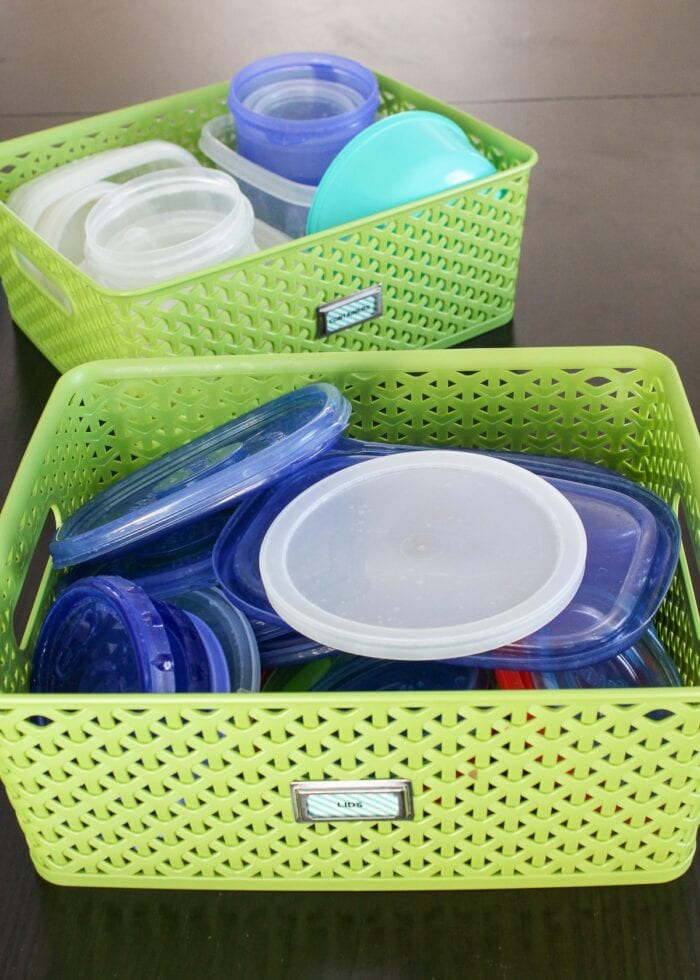
- Stack bases nested and store lids inside an open bin near the stacks.
- Use a mesh produce bag or small basket to hold lids by size.
- If lids and bases still mix, use a plastic tray with labeled slots.
When you know how to organize plastic food storage containers, matching becomes a quick task. I once labeled lids with masking tape until I trained my eye to the sizes.
Labeling, color-coding, and visibility
Labels save time and cut waste. Use simple labels for:
- Container groups (snack, meal, bulk).
- Lids-only or bases-only bins.
- Special uses (freezer-safe, microwave-only).
Color-coding works too. Reserve one shelf color or bin color for glass, and another for plastic. Clear containers help you see contents. Keep labels short and clear.

Daily habits and simple maintenance
Tiny habits keep things tidy. Use these routines:
- Match lids and put them back after every use.
- Wipe the storage area weekly.
- Donate or toss containers that lose their seal or smell.
I clean and re-stack containers on Sundays. This five-minute habit cuts chaos all week and shows how to organize plastic food storage containers can become routine.
Small kitchen hacks and space savers
Small kitchens need clever tricks. Try these hacks:
- Hang an over-the-door shoe organizer inside a pantry for lids and small sets.
- Use under-shelf baskets to add storage without drilling.
- Nest collapsible containers to save a lot of room.
- Store lids vertically in a file sorter to reduce drawer jams.
I used a file sorter for lids in a tiny apartment. It saved two drawers and made lunch packing faster.

Common mistakes and how to avoid them
Avoid these pitfalls:
- Keeping mismatched lids and bases. It creates clutter.
- Hoarding single-use or stained containers. Let them go.
- Storing lids randomly. This wastes time daily.
Fixing one mistake at a time keeps the work small. That is how to organize plastic food storage containers and keep it that way.
When to replace containers
Know when a container has reached the end:
- Cracks or warping that prevent a seal.
- Persistent stains or odors.
- Non-food-safe plastics shown by wear.
Rotate replacements gradually. Buy a few matching sets over time instead of a big one-day haul. Matching sets make organizing easier.
Frequently Asked Questions of how to organize plastic food storage containers
How should I start if my container drawer is a mess?
Empty the drawer and sort into bases and lids. Toss damaged pieces, wash the rest, and create simple groups by size.
What is the best way to store lids?
Store lids vertically in a file sorter or in a shallow bin. This saves space and makes it easy to see each lid.
Can I store containers nested with lids on?
You can, but nests take more room. Nest bases and keep lids in a nearby bin to save space and time.
How often should I declutter my containers?
Do a quick check every three months and a full sort twice a year. Frequent checks stop build-up and broken lids.
Are collapsible containers worth it for small kitchens?
Yes. Collapsible containers save space and are easy to store. They work well for meal prep and travel.
How do I keep containers from smelling?
Wash immediately after use and air dry. Use baking soda or lemon water for stubborn odors and replace if smells persist.
Conclusion
Organizing your containers starts with clear choices: purge, sort, and pick a storage system that fits your space. Small habits and simple rules keep things tidy long term. Try one change this week—nest bases, corral lids, or add a clear bin—and notice the time you save. Share your favorite trick below or subscribe for more easy kitchen tips.