
Organize bulk items by zoning, using sturdy shelving, clear labels, and FIFO rotation for easy access.
I have spent years designing and running storage areas for small businesses and home pantries. I know how to organize a storage area for bulk items so you can find things fast, reduce waste, and keep costs down. This guide mixes real-world tips, simple systems, and easy steps so you can set up a smart bulk storage area today.
Assess space and plan layout
Start by measuring your space. Sketch the floor and note doors, windows, columns, and vents. Mark any areas that get wet or too warm. Good planning saves time and money when you learn how to organize a storage area for bulk items.
Think about how often you access items. Put fast-moving goods near the door. Reserve deep shelves or pallets for slow-moving bulk. Decide on zones like receiving, storage, packing, and returns.
Practical planning checklist:
- Measure length, width, and height of the room.
- Note load-bearing limits and floor type.
- Track sunlight and humidity spots.
- List top 20 items you store most often.
- Decide a clear aisle width for safe movement.
My experience: I once set up a garage bulk area without measuring. I bought too-tall shelves. I lost time and had to move everything. Measure first. It avoids headaches.
:strip_icc()/organized-storage-garage-space-69aa3a26-6188a4c55b08417192742d4f31e77e13.jpg)
Create zones and logical flow
Divide the space into zones. Label them with tape or signs. Typical zones work well when you learn how to organize a storage area for bulk items.
Common zones:
- Receiving and inspection — near an entrance.
- Active pick zone — for fast-moving bulk items.
- Long-term storage — for overflow and seasonal bulk.
- Packing and prep — a small table or bench.
- Returns and quarantine — for damaged or suspect stock.
Design flow so items move from receiving to storage to pick to packing. Keep aisles clear. Use arrows and simple signs. This prevents mix-ups and saves time.

Choose shelving, racks, and containers
Pick storage systems based on weight, volume, and access needs. Heavy bulk works best on pallet racks. Small bulk fits on adjustable shelving. Durable bins help keep loose items tidy. Choosing the right gear is a core part of how to organize a storage area for bulk items.
Shelving options:
- Pallet racking — for heavy cases on pallets.
- Industrial shelving — adjustable and strong for mixed loads.
- Wire shelving — good for airflow and visibility.
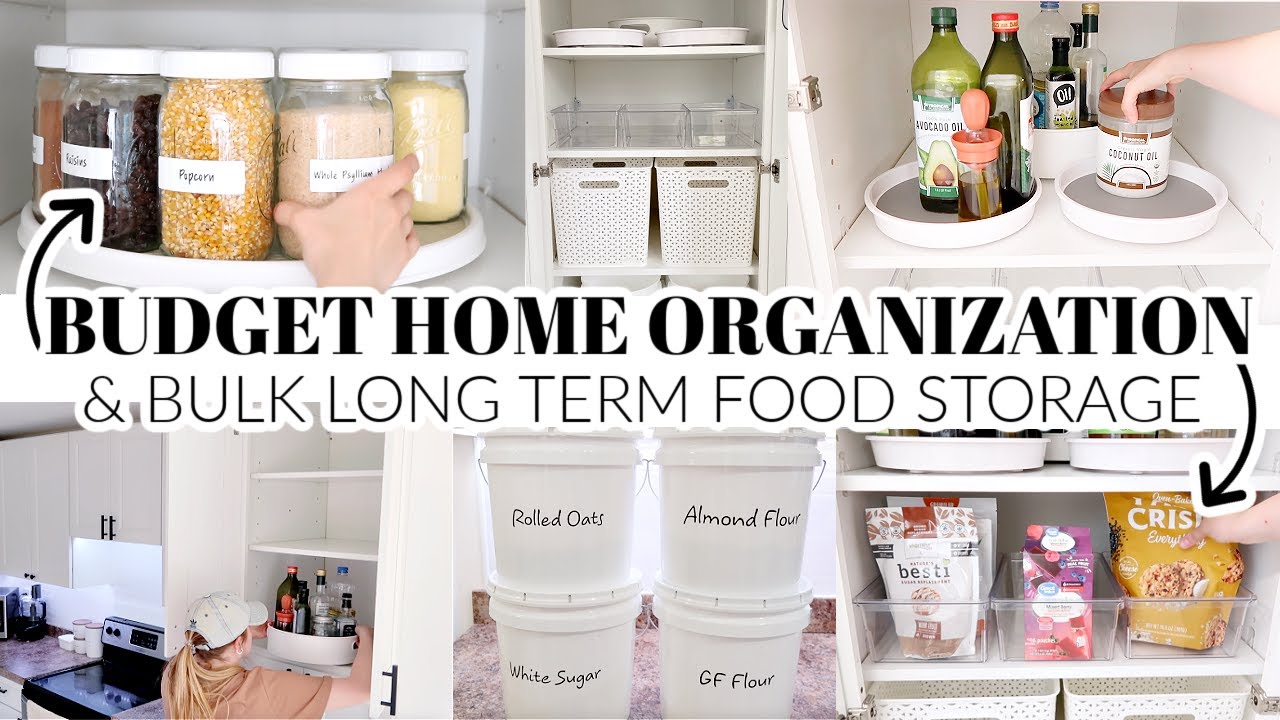
- Stackable bins — neat for small parts or food.
- Plastic pallets — resist moisture and are easy to clean.
Container tips:
- Use clear bins when possible for quick sight checks.
- Standardize bin sizes to simplify stacking.
- Add lids for dusty or pest-prone areas.
- Use reusable totes for frequent picks.
From my work, adjustable shelves saved the day. I changed shelf heights as inventory shifted. Flexibility matters when you learn how to organize a storage area for bulk items.
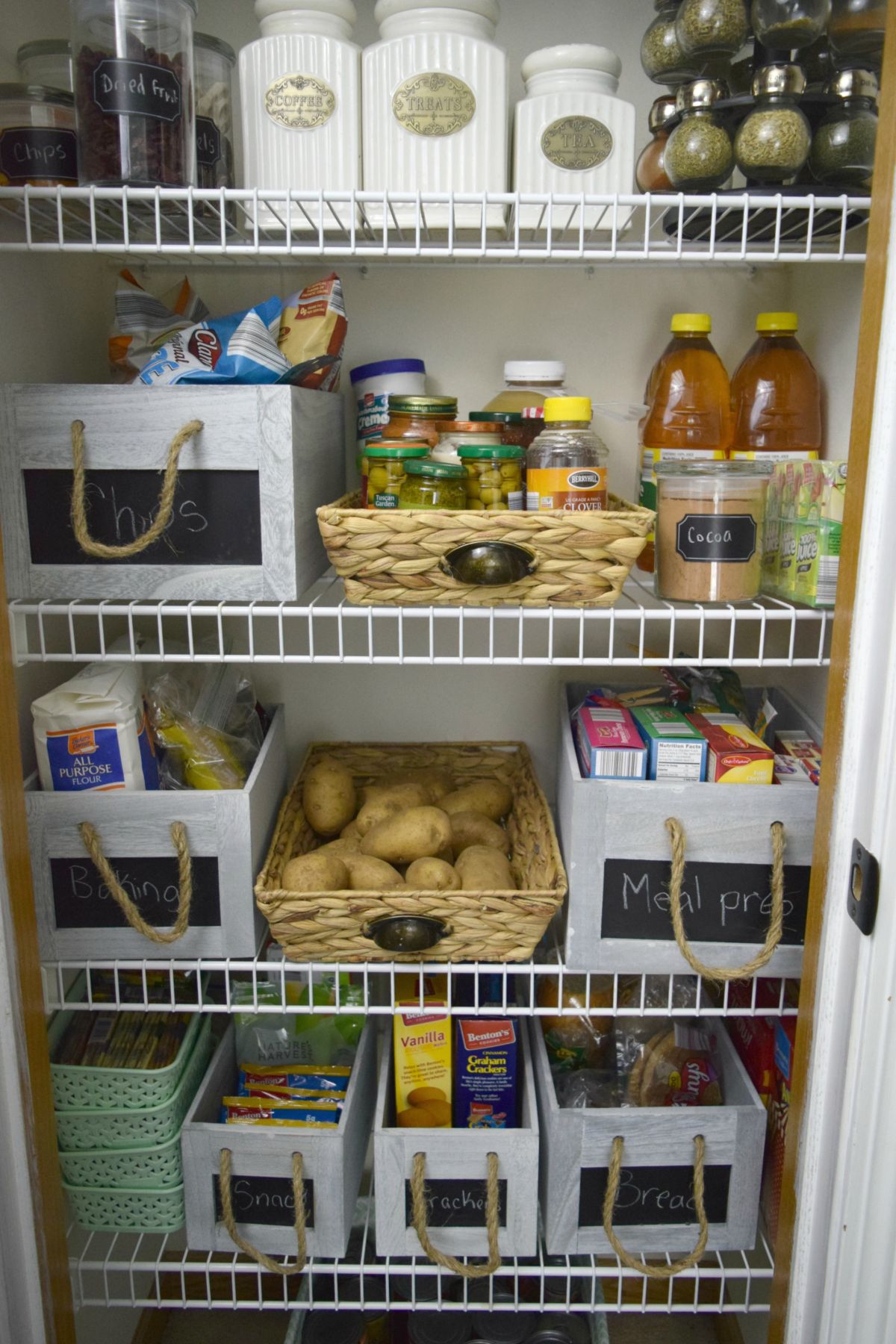
:strip_icc()/bhg-pantry-storage-organization-01fdcf3237af4eccbb32820c600ecf49.jpg)
Labeling, inventory, and simple systems
Labels are the backbone of any bulk storage area. Use big, legible labels and keep them consistent. A clear system helps when you teach staff or family how to organize a storage area for bulk items.
Labeling best practices:
- Use large fonts and contrasting colors.
- Include item name, SKU, and date received when useful.
- Add shelf location codes for larger systems.
- Use barcode or QR labels if you track digitally.
Inventory methods:
- FIFO (first in, first out) for perishable or date-sensitive goods.
- Periodic cycle counts for accuracy without full audits.
- Simple paper logs for small setups or a basic spreadsheet.
- Inventory apps for teams that need mobile access.
I once ran a small shop that switched to weekly cycle counts. Shrinkage dropped. Staff felt more in control. Small habits make big results.
Safety, pest control, and maintenance
Safety must come first. Keep heavy bulk low on shelves. Anchor tall racks to walls. Maintain clear exits and fire lanes. Safety ties directly into how to organize a storage area for bulk items.
Safety checklist:
- Secure shelving to floor or wall where possible.
- Keep aisles at least 30 inches wide for single-person access.
- Store heavy items at waist to knee height.
- Use proper lifting aids and train staff on safe lifting.
Pest and cleanliness tips:
- Keep food items in sealed containers.
- Clean spills immediately and sweep regularly.
- Inspect incoming bulk for signs of pests.
- Schedule routine pest control checks.
Maintenance routine:
- Monthly shelf checks for wear and stability.
- Replace damaged bins or pallets promptly.
- Review layout quarterly to adjust for changing inventory.
My lesson: a small leak ruined a stack of bulk bags. Now I inspect the roof and HVAC monthly. Prevention saves stock and trust.

Space-saving and cost-saving strategies
Saving space saves money. Stack smart. Use vertical space. Repurpose items. These tricks help when you learn how to organize a storage area for bulk items.
Space and cost tips:
- Use pallet flow racks for dense storage and quick picks.
- Nest empty bins to save space.
- Buy standard shelving to match container sizes.
- Rotate stock to avoid spoilage and discounting.
- Negotiate bulk-buy discounts based on storage capacity.
- Buy only what you can store safely.
- Consider vendor-managed inventory for steady supplies.
- Track carrying costs to avoid overbuying.
I reduced a client’s carrying cost by 20% simply by tightening ordering windows and improving layout. Smart buying plus good storage equals profit.

Implementation checklist and first-week plan
Take action with a simple plan you can follow. A clear first-week plan helps you test the system and make quick improvements. This is an essential step when practicing how to organize a storage area for bulk items.
7-day setup plan:
- Day 1: Measure space and sketch layout.
- Day 2: Clear space and clean surfaces.
- Day 3: Install shelving and anchors.
- Day 4: Label zones and set signs.
- Day 5: Place bulk items by zone and record locations.
- Day 6: Run a mock pick and pack test.
- Day 7: Review feedback and tweak layout.
Tips for quick wins:
- Start small and scale up.
- Train everyone on one clear process.
- Keep a log of issues and improvements.
Frequently Asked Questions of How to organize a storage area for bulk items
How large should aisles be for bulk storage?
Aisles should be wide enough for safe movement and equipment. For hand-pick areas, aim for at least 30 inches; for pallet jacks or forklifts, allow 60–80 inches.
What shelving works best for heavy bulk items?
Pallet racks and industrial steel shelving are best for heavy loads. Choose shelves rated above the weight you expect and anchor them for safety.
How often should I do inventory counts?
Do cycle counts weekly or monthly depending on volume. High-turnover items benefit from more frequent checks to catch errors early.
How do I prevent pests in bulk storage?
Use sealed containers, keep the area clean, and inspect deliveries. Schedule routine pest inspections and act quickly if you see signs.
Can I store food and non-food items together?
It’s best to separate them. Store food in sealed bins away from chemicals or cleaning supplies to avoid contamination.
How do I label items for fast picking?
Use large, clear labels with names, SKUs, and dates. Add location codes and consider barcodes or QR codes for digital tracking.
Conclusion
Organizing a storage area for bulk items is practical and achievable. Start with a good plan, pick the right shelving, set clear zones, and keep labels simple. Small steps now will save time, money, and frustration later. Take one zone today, set it up, and test it for a week. Share your results or questions below, subscribe for more guides, or try the first-week plan this weekend.