
Most meat thermometers last about 3–10 years with proper care and timely battery changes.
I’ve tested many thermometers over the years, from cheap instant-read probes to fancy wireless units. This guide explains how long does a meat thermometer last, why lifespans vary, and practical tips to keep yours accurate and working longer. You’ll get clear, hands-on advice on batteries, calibration, probe wear, and buying smart so your next roast or grill isn’t ruined by a faulty read.
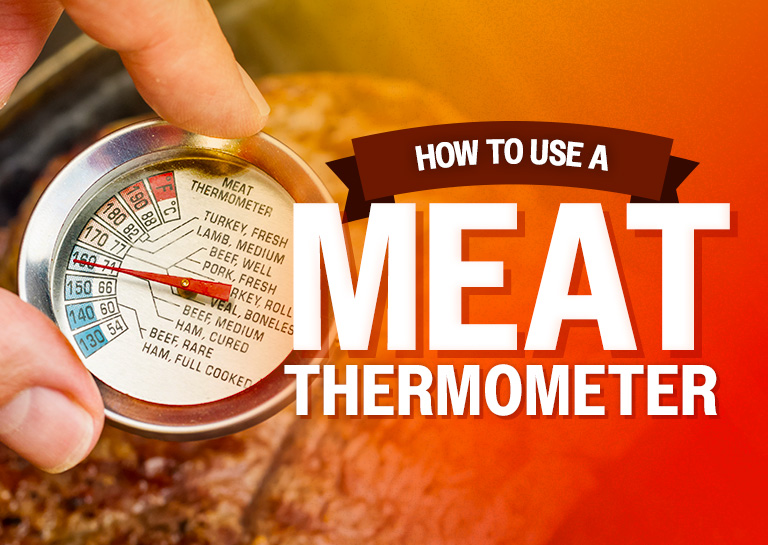
Why the lifespan can vary
How long does a meat thermometer last depends on the type, build, and how you use it. Some models show wear fast. Others keep working for years. The key drivers are battery life, probe corrosion, sensor drift, and physical damage.
Common lifespan patterns
- Digital instant-read probes often last 3–5 years with normal use.
- Oven probe thermometers and leave-in probes can last 4–10 years if not abused.
- Wireless or Bluetooth thermometers last 2–7 years depending on transmitter and app support.
My test note: I had a basic instant-read last five years. The probe tip got bent once but the readouts stayed spot on after recalibration. That taught me to treat probes gently and store them well.
:max_bytes(150000):strip_icc()/__opt__aboutcom__coeus__resources__content_migration__serious_eats__seriouseats.com__images__2016__10__20161008-meat-temp-5-e10885b8363b44bf825df1d9ae43a702.jpg)
Typical lifespans by thermometer type
How long does a meat thermometer last varies by design and use. Below are typical ranges and why they differ.
Digital instant-read
- Typical life: 3–5 years.
- Why: Frequent battery swaps and exposure to heat and moisture can wear internal parts.
Leave-in oven probes
- Typical life: 4–10 years.
- Why: They sit in the meat and see steady temps. Fewer battery cycles but more constant heat stress.
Wireless/Bluetooth units
- Typical life: 2–7 years.
- Why: Electronics and battery pack wear out. App support and firmware updates also matter.
Dial (analog) thermometers
- Typical life: 5–15 years.
- Why: Simpler mechanics and no batteries, but springs and seals can fail.
Probe-only units vs. full systems
- Simple probes last longer if handled well.
- Complex systems with radios or displays often fail first because of electronics.
Each type has weak points. Knowing them helps predict how long does a meat thermometer last for your use.

Key factors that shorten or extend life
How long does a meat thermometer last depends heavily on care. Here are the main factors that cut life short or extend it.
Factors that shorten life
- Submerging electronics in water.
- Leaving a probe in extremely high heat above its rating.
- Dropping or bending probe tips.
- Using wrong cleaning agents that corrode metal.
- Ignoring battery replacement and letting cells leak.
Factors that extend life
- Regular cleaning and drying after use.
- Proper storage in a protective case.
- Replacing batteries on schedule.
- Calibrating yearly or when you suspect drift.
- Buying a thermometer rated for the temperatures you need.
A simple habit like wiping and drying the probe right after use can add years to the tool. Personal tip: I keep a small pouch for probes and store all thermometers in a cool, dry drawer.
 accuracy and recalibrate”
style=”max-width: 100%; height: auto; border: 2px solid black; border-radius: 10px; display: block; margin: 0 auto;”
loading=”lazy”
/>
How to test accuracy and recalibrate
Knowing how long does a meat thermometer last is only part of it. You must check accuracy often to trust readings.
Two quick tests
- Ice water test: Place probe in crushed ice and water mix. It should read 32°F (0°C) within ±1–2°F.
- Boil test: Place probe in rolling water. It should read near 212°F (100°C), adjusted for altitude. Allow a small margin for probe type.
Calibration methods
- Some digital thermometers have a calibration button or screw. Follow the manual.
- For non-adjustable units, note the offset and mentally compensate or replace the unit if error is large.
When to replace for accuracy
- If readings are off by more than 2–3°F after calibration and tests.
- If the probe tip is pitted or corroded and can’t be cleaned.
- If electronics are flaky, show random spikes, or lose connection.
I recalibrate mine once a year and after any hard fall. That practice helped me catch a slow drift before it wrecked a holiday turkey.

Maintenance, storage, and buying tips
How long does a meat thermometer last often comes down to small daily choices. Follow this checklist to extend life.
Maintenance checklist
- Clean probe with warm, soapy water and dry immediately.
- Never submerge a non-waterproof display unit.
- Replace batteries before they die completely.
- Avoid high-heat exposure beyond the device rating.
- Inspect cables and connectors for wear.
Storage tips
- Store probes in a padded pouch.
- Keep electronics in a cool, dry place away from direct sun.
- Remove batteries during long storage to prevent leaks.
Buying tips
- Choose stainless-steel probes to reduce corrosion.
- Look for IP ratings if you need waterproof models.
- Buy units with replaceable batteries and easy calibration.
- Consider warranty length; a longer warranty often signals confidence in durability.
Personal buying rule: spend a bit more for a good probe. Cheap thermometers often need replacing quicker and cost more over time.
Frequently Asked Questions of How long does a meat thermometer last
How often should I replace a meat thermometer?
Replace when accuracy is unreliable or the unit shows signs of damage. For many, replacement comes after 3–10 years depending on type and care.
Can I recalibrate any meat thermometer?
Many digital thermometers allow calibration, but not all. If yours lacks a calibration feature, test it and note any consistent offset or replace if error is large.
Do probe tips wear out?
Yes. Probe tips can pit, bend, or corrode over time. Replace the probe or the whole unit when damage affects accuracy.
How does battery type affect lifespan?
Rechargeable or replaceable batteries extend life by allowing cell swaps. Built-in nonreplaceable batteries may degrade the unit faster once they fail.
Are wireless thermometers less durable?
Wireless units have more failure points due to electronics and wireless modules. Proper care helps, but they may need replacement sooner than simple dial models.
How do I know if my thermometer is accurate after years of use?
Use the ice water and boil tests. If readings fall outside acceptable tolerance after testing and calibration, it’s time to fix or replace the thermometer.
Conclusion
A reliable thermometer saves meals and worry. By understanding how long does a meat thermometer last, testing accuracy, and following simple care steps, you can keep a unit working for years. Start with yearly calibration, battery care, and safe storage to extend life and trust your readings. Try the ice water test today, replace worn probes, and pick a model with a solid warranty to get the most value. Leave a comment with your thermometer stories or subscribe for more kitchen gear tips.