
Expect $3,000–$15,000 for a simple to mid-range outdoor kitchen; luxury builds often exceed $50,000.
I’ve designed and managed outdoor kitchen projects for years, so I know the real factors that drive cost and value. This guide explains how much does it cost to build an outdoor kitchen, breaks down each expense, and gives practical tips to plan a budget you’ll stick to. Read on for clear price ranges, real-world examples, and smart ways to save without sacrificing quality.

How much does it cost to build an outdoor kitchen — cost overview
How much does it cost to build an outdoor kitchen depends on scale, materials, appliances, and labor. You can spend a few thousand dollars for a compact setup or tens of thousands for a full luxury kitchen.
Common cost tiers
- Basic: $3,000–$8,000 for a grill pallet, small counter, and minimal plumbing or electrical.
- Mid-range: $8,000–$25,000 for built-in grill, fridge, sink, cabinets, and nicer countertops.
- High-end: $25,000–$75,000+ for premium appliances, stonework, pizza oven, and custom hardscaping.
Why prices vary
- Appliances can be cheap or premium.
- Materials like granite or fired clay cost more than concrete or tile.
- Labor and site prep add big costs when demo, grading, or gas lines are needed.
This section sets the stage for detailed, line-item costs below so you can estimate your own project with confidence.
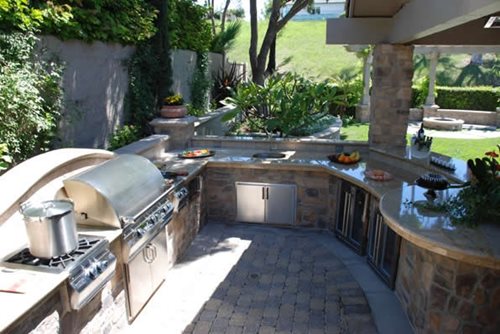
Itemized cost breakdown: what you’ll pay for
Breaking the total down helps you see where money goes. Below are typical line items and realistic ranges.
Appliances and fixtures
- Built-in grill: $700–$5,000 for quality stainless models.
- Refrigerator: $800–$2,500 for outdoor-rated units.
- Side burner: $200–$1,200.
- Pizza oven or smoker: $1,500–$10,000 depending on brand and fuel.
- Sink and faucet: $300–$1,200.
Countertops and surfaces
- Concrete: $40–$100 per sq ft installed.
- Granite: $50–$200 per sq ft.
- Tile or stucco: $30–$75 per sq ft.
Cabinetry and framing
- Prefab stainless cabinets: $800–$4,000.
- Custom masonry or stone base: $1,000–$10,000 depending on finish.
Utilities and infrastructure
- Gas line extension: $500–$2,000.
- Electrical work: $500–$2,500.
- Plumbing and drainage: $300–$1,500.
- Lighting and outlets: $200–$1,200.
Site work and hardscaping
- Patio or pad: $1,000–$8,000 depending on material and size.
- Demolition/grade prep: $300–$2,000.
- Roof or pergola: $1,500–$12,000.
Labor and permits
- Labor typically makes up 20–50% of total cost.
- Permits: $50–$500 depending on local rules.
Totals add up quickly. For example, a mid-range setup with a built-in grill, fridge, sink, granite counter, and prefab cabinets on a concrete pad often lands near $12,000–$20,000.
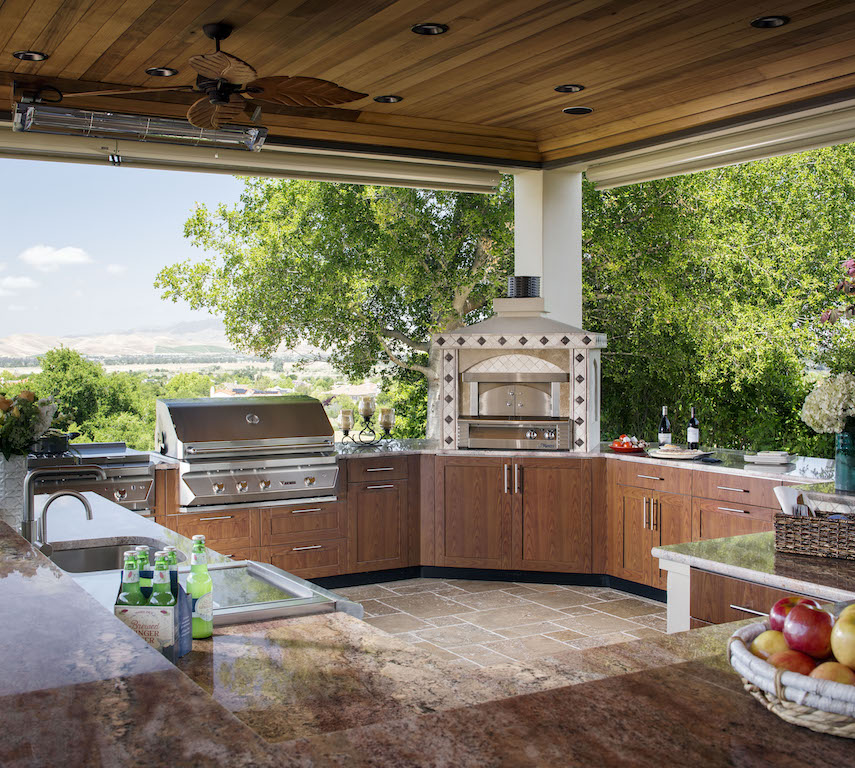
Typical project types and sample budgets
Here are concrete scenarios to make planning easier. Each example answers how much does it cost to build an outdoor kitchen for that type.
Small and simple
- Features: Portable grill, small prep table, minimal counter.
- Cost: $3,000–$6,000.
- Best if you want quick outdoor cooking and low maintenance.
Starter built-in
- Features: Built-in grill, small fridge, sink, laminate or tile counters, prefab cabinets.
- Cost: $8,000–$15,000.
- Good value for regular outdoor entertaining.
Full mid-range
- Features: Mid-grade grill, outdoor fridge, sink, granite counters, stone veneer, side burner.
- Cost: $15,000–$30,000.
- Balanced performance and aesthetics.
Luxury chef’s kitchen
- Features: Top-tier grill and appliances, pizza oven, custom masonry, pergola, high-end countertops, smart lighting.
- Cost: $30,000–$100,000+.
- For serious hosts and high resale impact.
These examples show how choices change final price. Knowing which tier fits your needs answers how much does it cost to build an outdoor kitchen for you.

Materials and appliance choices that drive cost
Material and appliance selection is the biggest lever you control.
Materials impact
- Concrete and stucco keep costs lower and look modern.
- Stone veneer and natural stone add cost but last long and photograph well.
- Stainless steel cabinets resist weather but are pricier.
Appliance levels
- Economy grills are fine for casual use.
- Commercial-grade grills and pizza ovens cost more but last longer.
- Outdoor-rated appliances (fridges, TVs) cost more than indoor versions.
Longevity vs upfront cost
- Higher-quality materials and appliances raise initial cost but reduce replacements and repairs. This matters when you ask how much does it cost to build an outdoor kitchen that lasts 10+ years.

DIY versus hiring a contractor
Deciding who builds it changes both cost and risk.
DIY pros and cons
- Pros: Lower labor cost, satisfaction, control.
- Cons: Time, permits, and skill limits. Mistakes can be expensive.
Hiring pros and cons
- Pros: Faster, code-compliant, safer gas/electrical work, warranty options.
- Cons: Higher upfront cost; good contractors have higher bids.
Cost comparison
- DIY can reduce total by 25–50% if you already have skills and time.
- Expect to pay professionals $50–$125+ per hour for specialized trades.
If you lack experience with gas or electrical systems, hiring a pro is safer and often required by code.

Permits, codes, safety, and insurance
Permits and code compliance are often overlooked but essential.
Permits and inspections
- Local permit costs vary. Expect $50–$500.
- Inspections may be required for gas, plumbing, and electrical.
Safety standards
- Outdoor gas appliances must follow clearance rules.
- Electrical outlets need GFCI and proper outdoor-rated fixtures.
Insurance and liability
- Notify your homeowner’s insurance about major additions.
- Some insurers require professional installation for gas lines and electrical work.
Ignoring codes increases risk and can increase costs later when corrections are mandated. Always check local rules before you start so you know how much does it cost to build an outdoor kitchen legally.

Maintenance and ongoing costs
A realistic budget includes future upkeep.
Routine maintenance
- Clean and cover appliances annually: $50–$200 for supplies.
- Seal countertops and grout every few years: $100–$400.
Utility costs
- Gas and electricity use depends on appliance type and frequency.
- Expect small increases in utility bills unless you use high-energy equipment frequently.
Repairs and replacements
- Grills may need parts or rebuilds after 5–10 years.
- Outdoor fridges and electronics often have shorter lifespans than indoor models.
Plan for 1–3% of initial build cost annually for maintenance and repairs to avoid surprises.
Ways to save money without sacrificing value
If budget concerns dominate, try these strategies.
Smart savings
- Start with a modular or phase-based plan. Add items later.
- Choose a high-quality grill but budget counter and stone upgrades later.
- Use prefab cabinets and concrete counters to cut cost.
- Buy last-season appliances or open-box units.
Avoid costly mistakes
- Don’t skip planning for utilities; moving gas or electrical later is expensive.
- Consider placement for shade and wind to protect appliances and lower wear.
These moves help control how much does it cost to build an outdoor kitchen while still delivering a great experience.
Project timeline and steps
Knowing the schedule helps set a realistic budget and expectations.
Typical timeline
- Planning and design: 1–4 weeks.
- Permits: 1–6 weeks depending on locality.
- Site prep and foundation: 1–2 weeks.
- Utilities and rough-ins: 1 week.
- Cabinets, counters, appliances: 1–3 weeks.
- Finishing: 1 week.
Total build time usually runs 4–12 weeks. Complexity and weather can extend that. This affects labor cost and thus influences how much does it cost to build an outdoor kitchen overall.
Personal experience, lessons learned, and tips
I’ve overseen several outdoor kitchen projects. Here are honest lessons.
What I learned on real projects
- Plan utility locations early. Moving a gas line mid-build cost one client over $1,200.
- Weatherproofing matters. We once saw premature rust on cheap hardware within a year.
- Phase builds work well. Start with a grill and prep area, then add features later.
Practical tips
- Choose appliances with outdoor ratings.
- Pick easy-to-clean finishes near the grill.
- Invest in a good cover or a small roof to extend life.
These hands-on lessons show how much does it cost to build an outdoor kitchen can be controlled with foresight and sensible choices.
PAA-style quick questions
What affects the final cost most?
- Appliance quality and site work. Heavy stone or complex utilities raise costs most.
Can I add to an outdoor kitchen later?
- Yes. Design with future hookups and space to expand. Phasing lowers initial cost.
Is a permit always needed?
- Not always, but gas, electrical, and structural changes often do require permits. Check local rules.
Frequently Asked Questions of how much does it cost to build an outdoor kitchen
How much does it cost to build an outdoor kitchen on a tight budget?
A basic setup with a portable grill, minimal counters, and a concrete pad can cost $3,000–$6,000. Do most work yourself and buy economy appliances to keep costs down.
How much does a mid-range outdoor kitchen cost?
A mid-range kitchen with a built-in grill, fridge, sink, and quality counters usually runs $8,000–$25,000. Labor, materials, and appliance brand affect the final price.
How much does it cost to build a luxury outdoor kitchen?
Luxury builds with custom masonry, high-end appliances, pizza ovens, and pergolas often exceed $30,000 and can hit $100,000. Expect premium finishes and specialized labor.
Will adding an outdoor kitchen increase my home value?
A well-executed outdoor kitchen can raise resale appeal and value, especially in markets where outdoor living is prized. Return on investment varies by region and quality.
How much should I budget for utilities and installation?
Set aside 10–30% of your total project for utilities and installation, including gas, electrical, plumbing, and labor. Complex runs or long distances raise that proportion.
Conclusion
You can realistically build an outdoor kitchen for as little as $3,000 or invest more than $50,000 for a luxury setup. How much does it cost to build an outdoor kitchen depends on appliances, materials, labor, and local codes. Plan in phases, prioritize durable appliances, and get quotes for utilities early to control costs.
Take action: sketch a simple layout, decide your must-have appliances, and get three estimates to compare. If this guide helped, subscribe or leave a comment with your project ideas — I’ll share tailored tips.