
The best pots for home cooking offer even heat, strong handles, useful sizes, and easy cleanup.
After a long day, few things feel worse than a pot that scorches sauce, spills pasta, or leaves food stuck to the base. I have found that the right cooking pot can make simple meals feel calm and easy. Stainless steel stock pots suit soups, pasta, and meal prep, while nonstick pots help with gentle cooking and quick cleanup. Below, I compare useful options for small meals, family dinners, steaming, boiling, and large-batch cooking so you can choose with confidence.
Chefbee 3.2-Quart Stainless Steel Steamer

The Chefbee 3.2-quart steamer is a smart pick for cooks who want one compact pot for more than boiling. Its stainless steel build gives it a clean look and a sturdy feel. The included basket lets you steam vegetables, dumplings, seafood, and more above simmering water. I like this format for small kitchens because it adds a useful cooking method without taking much cabinet space.
The moderate size works well for two or three servings. Stainless steel does not absorb food smells, and it can handle the high heat used for steaming. The basket also makes it easier to lift food away from hot water without using a separate colander. As with any stainless steel pot, drying it after washing can help reduce water spots.
Pros:
- Includes a practical steamer basket
- Compact size for small kitchens
- Useful for vegetables, seafood, and dumplings
- Stainless steel resists food odors
- Basket lifts food above boiling water
- Good choice for light, healthy meals
Cons:
- Too small for large family meals
- Stainless steel may need oil for delicate foods
- Steam can escape if the lid does not fit tightly
My Recommendation
I recommend the Chefbee to apartment cooks, health-focused shoppers, and anyone who often steams small portions. It is one of the best pots for home cooking when you need a simple steamer without buying a large appliance. Its strongest benefit is versatility in a small footprint. It also offers good value for cooks who prepare vegetables, fish, rice, or dumplings several times each week.
| Best for | Why |
|---|---|
| Small households | The 3.2-quart size suits modest portions. |
| Steamed vegetables | The basket keeps food above hot water. |
| Compact kitchens | It combines a pot and steamer in one piece. |
Okllen Korean Ramen Pot Set

The Okllen set includes three Korean-style ramen pots in different sizes. These pots have a light, simple design that works well for noodles, soup, pasta, and quick one-pot meals. The side handles make each pot easy to move from the stove to the table. I see this set as a fun option for cooks who like personal servings instead of one large shared pot.
The smaller sizes can help with portion control and fast weeknight meals. Their shape gives noodles room to move while the tall sides help reduce splashes. You can also use them outdoors when the cooking surface supports the pot and matches the manufacturer’s directions. Because these are lightweight everyday pots, they may not feel as heavy or heat-stable as premium clad cookware.
Pros:
- Three sizes support different serving needs
- Useful for ramen, soup, pasta, and rice
- Side handles make serving convenient
- Light design is easy to lift
- Personal pots create less dish waste
- Suitable for casual home or outdoor cooking
Cons:
- Not ideal for very large batches
- Light metal may cool faster than heavy cookware
- Handles can become hot during long cooking
My Recommendation
I suggest the Okllen set for students, couples, ramen fans, and families who enjoy individual bowls. It ranks among the best pots for home cooking when speed, portion size, and easy serving matter more than heavy construction. The three sizes make the set more flexible than a single ramen pot. Check the exact stovetop guidance before buying, especially if you use induction or an outdoor burner.
| Best for | Why |
|---|---|
| Ramen lovers | The shape suits noodles and broth. |
| Personal meals | Three sizes help match the serving. |
| Students and campers | Light pots are simple to carry and use. |
Cook N Home Basics 8-Quart Stock Pot

The Cook N Home Basics 8-quart stock pot gives home cooks a roomy vessel for soup, pasta, chili, and boiling. Its stainless steel body offers the clean, neutral surface many cooks prefer for everyday meals. The lid helps hold heat and moisture while the sturdy handles make the pot easier to carry. An 8-quart capacity sits in a useful middle ground for families.
I find this size practical for meal prep because it can make several servings without feeling like a restaurant pot. It also gives pasta enough water to cook with less crowding. The pot is designed for oven and dishwasher use, but always confirm temperature limits and handle instructions before placing it in the oven. Stainless steel can show stains, yet a gentle cleaner and prompt drying usually keep it looking bright.
Pros:
- Useful 8-quart capacity for family meals
- Stainless steel handles everyday cooking
- Lid helps retain heat and moisture
- Works for soup, pasta, boiling, and canning tasks
- Sturdy handles improve lifting control
- Oven and dishwasher use adds convenience
Cons:
- May feel heavy when completely full
- Stainless steel is not naturally nonstick
- Large size needs generous storage space
My Recommendation
This is one of the best pots for home cooking for families that want one dependable stock pot. I would choose it for soup nights, pasta dinners, corn on the cob, and weekend meal prep. It offers more room than a saucepan while staying easier to manage than a 12-quart model. Its broad use and simple care make it a strong value for a first large pot.
| Best for | Why |
|---|---|
| Family soup | Eight quarts provide useful batch capacity. |
| Pasta dinners | The roomy body allows pasta to move. |
| New kitchens | It covers many basic cooking tasks. |
Cook N Home Professional 12-Quart Stock Pot

The Cook N Home Professional 12-quart stock pot is built for large cooking jobs. It gives you the space needed for big batches of broth, soup, pasta, seafood, or vegetables. The stainless steel design feels suited to cooks who prefer durable, low-fuss cookware. A matching lid helps manage simmering and keeps heat inside the pot.
This capacity can save time when you cook for a crowd or freeze meals for later. It is also useful during holidays, when a small pot can quickly become a bottleneck. The trade-off is weight: a full 12-quart pot can be difficult to lift safely, so I recommend using two hands and leaving room below the rim. Measure your cabinet and sink before ordering because large stock pots need real storage and washing space.
Pros:
- Large 12-quart capacity
- Good for parties and meal prep
- Stainless steel resists food flavor transfer
- Lid supports simmering and boiling
- Useful for broth, pasta, soup, and seafood
- Strong choice for high-volume cooking
Cons:
- Heavy when filled
- Needs a large burner and storage area
- May be excessive for one or two people
My Recommendation
I recommend this pot to large families, home entertainers, and anyone who freezes soups or stock. It belongs on a best pots for home cooking list because it handles the jobs that smaller cookware cannot. Its greatest advantage is volume, not compact convenience. If you cook only small meals, the 8-quart option will likely feel easier each day.
| Best for | Why |
|---|---|
| Large families | The 12-quart body supports generous batches. |
| Holiday cooking | It handles crowd-size soups and pasta. |
| Meal prep | One cooking session can fill many containers. |
Cook N Home 10.5-Quart Nonstick Stock Pot

The Cook N Home 10.5-quart nonstick stock pot combines a generous size with a surface designed for easier release. It suits chili, stews, pasta, sauces, and other foods that can cling to bare metal. The lid helps keep moisture in, while the wide interior gives you room to stir. For cooks who dislike scrubbing, this design can feel like a small daily victory.
Nonstick cookware needs thoughtful care, so I would use silicone, wood, or nylon tools rather than metal utensils. Low to medium heat is usually a better match than extreme heat, and hand washing can help preserve the coating even when the label allows dishwasher use. The large capacity works well for families, but the pot may take more shelf space than a standard saucepan. It is a practical choice when easy cleanup matters as much as volume.
Pros:
- Nonstick surface helps food release
- Large 10.5-quart cooking area
- Good for chili, stew, soup, and sauce
- Simple cleanup after sticky recipes
- Lid helps retain moisture
- Roomy shape makes stirring easier
Cons:
- Requires care to protect the coating
- Metal tools may damage the cooking surface
- Not the best choice for very high heat
My Recommendation
I would choose this model for busy families and cooks who make large, sticky recipes. It is among the best pots for home cooking if your top goal is a large pot with easier food release. The nonstick surface can make cleanup less tiring after a long meal. Buy it if you are willing to use gentle tools and follow the care instructions.
| Best for | Why |
|---|---|
| Chili and stew | Nonstick cooking helps reduce stuck food. |
| Busy cooks | Cleanup can take less effort. |
| Family batch meals | The 10.5-quart size offers ample room. |
Cook N Home 12-Quart Pasta Pot

The Cook N Home 12-quart pasta pot uses a three-in-one design with a stainless steel pot, lid, and strainer insert. That insert is the main attraction because it can lift pasta from boiling water without requiring a separate colander. It also makes the pot useful for blanching vegetables and cooking some seafood. I like this setup for cooks who value speed and fewer dishes.
The tall shape helps hold a large amount of water while leaving space for long noodles. The strainer can also make draining safer than carrying a full pot to the sink, though it may still be heavy when loaded. Keep oven and stovetop limits in mind, and check that the pot fits your burner. For pasta lovers, this is a focused tool that can earn its space quickly.
Pros:
- Three-in-one pasta cooking design
- Strainer insert simplifies draining
- Large 12-quart capacity
- Useful for pasta, vegetables, and seafood
- Reduces the need for a separate colander
- Stainless steel is easy to inspect and clean
Cons:
- Heavy when filled with water and pasta
- Takes more storage space than a basic pot
- Insert may need careful alignment
My Recommendation
This is one of the best pots for home cooking for pasta fans and families who cook noodles often. The strainer insert saves a step and can reduce spills during draining. I also see value for people with limited kitchen storage who want a pot and colander in one system. If you rarely cook pasta, a standard stock pot may offer better overall flexibility.
| Best for | Why |
|---|---|
| Pasta night | The insert lifts and drains noodles. |
| Large servings | Twelve quarts give pasta room to cook. |
| Fewer dishes | The pot replaces a separate colander. |
Cook N Home 8-Quart Nonstick Stock Pot

The Cook N Home 8-quart nonstick stock pot is a balanced option for everyday family cooking. It offers enough room for soup, pasta, oatmeal, curry, and stew without the oversized feel of a 12-quart pot. The nonstick interior helps food slide free and makes stirring feel smooth. A lid adds useful control when you simmer or reduce a dish.
This pot can be a good bridge between a saucepan and a large stockpot. It is large enough for leftovers but still manageable for regular use. I recommend using soft utensils and avoiding sudden temperature changes, which can stress cookware materials. If you want low-effort cooking and do not need a stainless steel surface for browning, this pot deserves a close look.
Pros:
- Useful middle-size 8-quart capacity
- Nonstick interior supports easy food release
- Good for soup, curry, oatmeal, and pasta
- Simple size for routine family meals
- Lid supports covered cooking
- Often easier to clean than bare stainless steel
Cons:
- Needs nonmetal cooking tools
- Coating can wear with rough use
- May not brown food like uncoated stainless steel
My Recommendation
I recommend this model to families that want a practical, easy-clean pot for daily meals. It is one of the best pots for home cooking when you need a useful size and a forgiving nonstick interior. The 8-quart capacity handles most weeknight recipes without feeling extreme. It offers strong value for cooks who treat nonstick cookware with care.
| Best for | Why |
|---|---|
| Weeknight meals | The size suits common family recipes. |
| Easy cleanup | The nonstick surface helps food release. |
| Soup and curry | The deep body supports simmering and stirring. |
SENSARTE 13-Piece Ceramic Cookware Set

The SENSARTE 13-piece ceramic cookware set is designed for shoppers who need more than one pot. A set can cover small sauces, vegetables, rice, eggs, and larger meals in one purchase. Its ceramic nonstick cooking surfaces aim to provide smooth food release with less oil. The range of pieces also helps a new cook build a complete kitchen without matching items one by one.
I see this set as a convenience choice rather than a single specialist pot. It can make a small apartment kitchen feel more prepared for daily cooking. Ceramic-style coatings still need gentle tools, moderate heat, and sensible cleaning to stay in good shape. Before buying, check the included piece sizes and the exact care and stovetop directions, since those details matter more than a high piece count.
Pros:
- Provides several cookware pieces in one set
- Ceramic nonstick surface supports easy release
- Useful for new kitchens and apartments
- Handles many basic recipes
- Can reduce the need to shop for separate cookware
- Coordinated pieces create a neat kitchen look
Cons:
- Coatings need careful use
- Piece count may include lids or accessories
- Not every item may suit large-batch cooking
My Recommendation
I recommend this set for first apartments, wedding gifts, and cooks replacing mismatched cookware. It may be among the best pots for home cooking for someone who wants a broad starter collection. The main benefit is coverage: you can handle many recipes without buying several separate pieces. Review the included dimensions before purchase to make sure the set meets your actual cooking needs.
| Best for | Why |
|---|---|
| First kitchen | Several pieces cover basic cooking tasks. |
| Small homes | A coordinated set can simplify shopping. |
| Low-oil cooking | The ceramic surface supports easy release. |
Bottom of the Pot Persian Cookbook
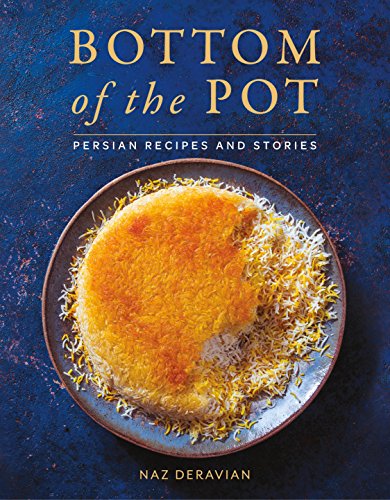
Bottom of the Pot is not a cooking pot, but it fits naturally into a guide for home cooks who want to use their cookware with more purpose. The book shares Persian recipes and the stories behind them. Many dishes rely on rice, herbs, stews, and careful simmering, all of which reward a good pot with steady heat. It can turn a basic cookware purchase into a reason to explore a new food tradition.
I especially like cookbooks that teach more than a list of steps. Persian cooking often shows how patience, texture, and aroma shape a meal. A heavy or even-heating pot can help with long simmers and rice dishes, though the recipe and cookware instructions should guide your method. This book makes a thoughtful add-on for someone comparing the best pots for home cooking and looking for fresh ideas.
Pros:
- Offers Persian recipes and food stories
- Encourages wider use of everyday cookware
- Useful for cooks who enjoy cultural meals
- Supports slow cooking and rice inspiration
- Makes a thoughtful cooking gift
- Adds variety beyond common weeknight recipes
Cons:
- It is a cookbook, not cookware
- Some recipes may need special ingredients
- New cooks may need extra time for unfamiliar methods
My Recommendation
I recommend this book for curious home cooks, Persian food fans, and gift shoppers. It does not replace a pot, but it can help you get more from the best pots for home cooking. The recipes may inspire you to use a stock pot, saucepan, or Dutch oven in new ways. Its value depends on your interest in Persian food, yet it is a warm and useful companion to a cookware purchase.
| Best for | Why |
|---|---|
| Recipe explorers | It introduces new dishes and methods. |
| Food lovers | Stories add meaning to the recipes. |
| Cooking gifts | It pairs well with quality cookware. |
CAROTE 8-Quart Tri-Ply Stock Pot

The CAROTE 8-quart full-clad tri-ply stock pot targets cooks who care about heat control and stainless steel durability. Tri-ply construction generally uses layers of metal to spread heat through the base and sides. That design can reduce hot spots compared with thin, basic cookware, although your burner and cooking method still matter. The 8-quart size works well for soup, pasta, beans, stock, and family meals.
Stainless steel gives you a durable surface that does not depend on a coating for everyday use. It is also useful when you want to build flavor by browning ingredients before adding liquid. I recommend preheating gently, adding oil, and allowing food to release naturally instead of forcing it with a sharp tool. Always check the product instructions for induction, oven temperature, lid limits, and cleaning guidance before use.
Pros:
- Full-clad tri-ply design supports even heating
- Durable stainless steel cooking surface
- Useful 8-quart family size
- Good for soup, beans, pasta, and stock
- Supports browning before simmering
- Strong long-term alternative to coated cookware
Cons:
- Stainless steel needs proper heat control
- May show water spots or discoloration
- Can be heavier than thin cookware
My Recommendation
For cooks who want durable construction and better heat control, the CAROTE is one of the best pots for home cooking. I would choose it for regular meal prep, soups, sauces, beans, and recipes that begin with browning. It suits people who plan to keep one pot for many years instead of replacing a worn coating. Its value is strongest when you appreciate stainless steel technique and solid construction.
| Best for | Why |
|---|---|
| Even heating | Tri-ply layers help spread heat. |
| Long-term use | Stainless steel avoids a fragile nonstick coating. |
| Flavor building | The surface supports browning before simmering. |
How to Choose the Best Pots for Home Cooking
Choosing a pot starts with the meals you make most. A person who cooks soup for a family needs a different size from someone who makes oatmeal for one. I always look at capacity, material, handle design, lid fit, and cleaning needs before I judge a pot. A low price matters, but a pot that works well and lasts longer often saves money over time.
Choose the Right Pot Size
Small pots work well for sauces, grains, eggs, and one or two servings. Medium pots in the 3- to 6-quart range suit rice, vegetables, small soups, and daily side dishes. An 8-quart pot is a useful family size for many homes. A 10- or 12-quart model makes sense for large batches, holiday meals, pasta, stock, and meal prep.
Do not fill a pot to the rim. Liquid needs space to boil without spilling, and food needs room for stirring. A larger pot can also require more energy and storage space than you expect. The best pots for home cooking match your usual batch size rather than your rarest recipe.
Stainless Steel Versus Nonstick
Stainless steel is tough and useful for browning meat, sautéing aromatics, boiling, and simmering. It does not naturally release delicate foods as easily as nonstick cookware. With proper preheating and enough oil, however, stainless steel can perform very well. It also avoids the need to protect a surface coating from metal tools.
Nonstick pots make eggs, oatmeal, sauces, and sticky foods easier to release. They often need less oil and less scrubbing. The coating can wear faster when exposed to high heat, rough sponges, or metal utensils. I recommend choosing nonstick when comfort and cleanup lead your priorities, and stainless steel when durability and browning matter more.
Why Tri-Ply Construction Matters
Tri-ply cookware uses multiple metal layers. A common design places a heat-spreading metal between stainless steel layers. This can improve heat distribution across the base and, in full-clad cookware, the side walls. It does not make a pot immune to scorching, but it may give you a wider margin for error.
Good technique still matters. Use the burner size that matches the pot base. Start with moderate heat instead of turning the dial to maximum. Stir thick foods often, especially sauces, oatmeal, beans, and dairy-based recipes.
Lids and Handles
A lid should sit securely and help control steam. A loose lid can let liquid escape too fast, while a very tight lid may cause bubbling if you do not lower the heat. Glass lids let you check food without lifting the cover, but stainless lids can feel more durable. Either style can work well when the fit is good.
Handles should feel stable and give your hand enough room. Remember that metal handles can get hot, even if they feel cool at first. Use a dry mitt when needed. Never carry a full pot with one hand if the load feels unstable.
Stovetop and Oven Compatibility
Before buying, check whether the pot suits your stove. Gas and electric burners work with many materials, while induction requires a magnetic base. Some cookware is oven safe, but the safe temperature may change when the lid or handle uses another material. Product labels and manufacturer instructions remain the best guide.
Do not assume that a dishwasher-safe claim means every part can handle every wash cycle forever. Repeated harsh cleaning may dull stainless steel or shorten the life of a coating. Hand washing often gives cookware a gentler life, especially when the pot is easy to rinse.
Care Tips to Make a Cooking Pot Last
I let a hot pot cool a little before washing it. A sudden cold-water shock can stress some cookware and may warp a thin base. For stainless steel, I soak stuck food with warm water and mild dish soap before using a soft scrubber. For nonstick cookware, I avoid abrasive pads and sharp tools.
Salt can leave marks on stainless steel if you add it to cold water and let it sit. Add salt after the water begins to warm or boil, and rinse the pot soon after use. For mineral spots, a mild vinegar solution can help, but follow the care guide first. Drying the pot also helps keep the finish clean.
Never heat an empty nonstick pot for a long time. Avoid using high heat when medium heat will do the job. Store pots with care so metal edges do not scratch coated surfaces. These small habits protect your investment and help the best pots for home cooking perform well year after year.
Cooking Safety Tips for Large Pots
Large pots become heavy very quickly. Water alone weighs more than many new cooks expect, and hot soup adds another risk. Fill the pot on the stove when possible instead of carrying it across the kitchen. If you must move it, use both hands and keep children and pets away from the path.
Leave headspace when boiling pasta, soup, or milk-based food. Stir thick recipes from the bottom so they do not settle and burn. Use a stable burner and keep handles turned away from the edge of the stove. These habits matter as much as the material or brand.
Food safety also starts with correct storage. Refrigerate leftovers in shallow containers rather than leaving a deep stock pot to cool for hours. The USDA advises prompt refrigeration of perishable food and safe reheating. A good pot helps cook food, but it cannot replace safe handling.
FAQs Of best pots for home cooking
What is the best pot size for a family of four?
An 8-quart pot is a practical choice for many families of four. It can handle soup, chili, pasta, and meal prep without taking as much space as a 12-quart pot.
Are stainless steel pots better than nonstick pots?
Neither is best for every task. Stainless steel lasts well and supports browning, while nonstick cookware releases food easily and simplifies cleanup. Many kitchens benefit from owning one of each type.
Can I use these pots on an induction stove?
Check each product listing and manufacturer instructions. Induction stoves need cookware with a magnetic base. A magnet test can offer a clue, but the product specifications are more reliable.
How do I stop food from sticking to stainless steel?
Preheat the pot on moderate heat, add oil, and let the food form a crust before moving it. Avoid overcrowding and lower the heat if the food browns too fast.
What is the best pot for pasta?
A 12-quart pasta pot with a strainer insert is convenient for large servings. An 8-quart stock pot also works well if you already own a separate colander.
Final Verdict: Which Should You Buy?
For most families, the CAROTE 8-quart tri-ply pot is my top pick because it balances size, durability, and heat control. The Cook N Home 8-quart nonstick pot is better for easy cleanup.
Choose the pot that fits your meals, stove, and storage. The best pots for home cooking make daily food simpler, safer, and more enjoyable.