
The best pots for everyday cooking balance steady heat, useful sizes, safe materials, easy care, and lasting value.
After a long day, I want one pot that can handle soup, rice, pasta, or a quick family meal without making cooking feel like work. The wrong pot heats unevenly, sticks badly, or feels too heavy to lift when full. I reviewed these Amazon options with those daily tasks in mind. I looked at size, construction, lid design, cooktop use, cleaning, and practical comfort. Some picks suit small portions, while others help with batch cooking. One is a cookbook rather than cookware, but it can still improve how you use the pots already in your kitchen.
Kirecoo 8-Quart Stainless Steel Stock Pot
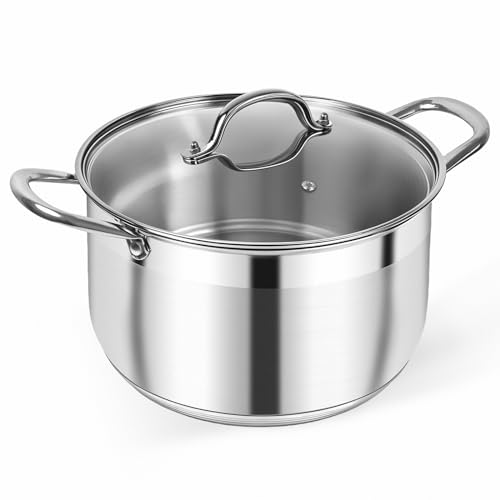
The Kirecoo 8-quart stock pot gives everyday cooks a roomy stainless steel option for soups, pasta, chili, corn, and family-size meals. Its large capacity helps prevent crowded food, which can make boiling and simmering less even. The visible lid lets me check the food without lifting the cover and losing as much heat. Stainless steel also gives this pot a clean, classic look that fits most kitchens.
This size works well for meal prep and weekend cooking. It is especially useful when I want leftovers for the next day. The tall shape can save stovetop space compared with using two smaller pots. As with most stainless steel cookware, I would preheat it, add enough oil when needed, and avoid turning the burner too high to reduce sticking.
Pros:
- Generous 8-quart size for families and batch meals
- Stainless steel construction resists many common kitchen stains
- Visible lid makes checking food simple
- Useful for pasta, soup, stew, and boiling vegetables
- Induction-ready design suits many modern cooktops
- Easy-to-match finish works with other cookware
Cons:
- Large size may feel bulky in a small sink
- Stainless steel may need proper heat control to limit sticking
- A full pot can be heavy to carry
My Recommendation
I recommend the Kirecoo for families, meal preppers, and anyone who often cooks large batches. It is one of the best pots for everyday cooking when capacity matters more than compact storage. The clear lid adds convenience, while the induction-friendly build makes it flexible for many homes. It offers strong value if you need one large pot for regular soups, pasta, beans, and leftovers.
| Best for | Why |
|---|---|
| Family meals | The 8-quart capacity handles generous portions. |
| Meal prep | The roomy body supports soups, chili, and leftovers. |
| Induction users | The design works with compatible induction cooktops. |
Astercook 18-Piece Ceramic Cookware Set

The Astercook set targets cooks who want several pans and pots at once. An 18-piece set can cover many basic tasks, from heating sauce to cooking grains and making a one-pan dinner. Its ceramic nonstick surface may help food release with less oil when the coating is cared for correctly. The set also gives a new apartment, first kitchen, or replacement kitchen a fast start.
I like this style of set for cooks who value easy cleanup and a coordinated look. I would use low to medium heat, wooden or silicone tools, and gentle cleaning to help protect the cooking surface. No nonstick coating lasts forever, so I would not use metal utensils or stack the pieces without protection. Always check the listing and care guide for the exact dishwasher, oven, and cooktop limits.
Pros:
- Many pieces cover common daily cooking jobs
- Ceramic nonstick surface can simplify food release
- Helpful choice for a first apartment or new kitchen
- Coordinated design creates a neat cookware set
- May reduce the oil needed for some recipes
- Several sizes make portion control easier
Cons:
- Nonstick performance can decline with harsh use
- Metal utensils may damage the coating
- A large set needs more cabinet space
- Exact oven and dishwasher limits should be checked before use
My Recommendation
The Astercook set suits beginners, renters, and cooks who want a full cookware refresh. It can be among the best pots for everyday cooking when easy release matters more than the long-term toughness of bare stainless steel. I would choose it for eggs, rice, vegetables, sauces, and normal weekday meals. It offers good convenience, but careful heat and tool choices are essential for the best value.
| Best for | Why |
|---|---|
| New kitchens | The broad piece count covers many basic tasks. |
| Easy cleanup | The ceramic surface may release food with less effort. |
| Beginner cooks | Several pan sizes make it easier to follow recipes. |
Okllen Korean Ramen Pot Set

The Okllen set includes three smaller stainless steel pots in different sizes. These pots are designed with ramen and quick meals in mind, but they can also heat soup, cook noodles, warm leftovers, and prepare small servings. Their handles make serving easier than lifting a deep pot with side grips. The gold finish adds a bright style for kitchens that want something different from plain silver cookware.
The three sizes are useful when portion needs change from one meal to the next. I would use the smaller pot for one serving and the larger size for a quick meal for two. Their compact bodies suit dorm rooms, small kitchens, outdoor cooking, and lunch portions. Since lightweight pots can heat quickly, I would watch the burner and stir food during cooking.
Pros:
- Three sizes support single and small-portion meals
- Handles make carrying and serving more direct
- Useful for ramen, noodles, soup, and leftovers
- Compact shape fits small kitchens and limited storage
- Stainless steel offers a familiar, non-coated cooking surface
- Dishwasher-safe claim adds cleaning convenience
Cons:
- Small sizes are not ideal for large family meals
- Metal handles may become hot during use
- Thin cookware can react quickly to high heat
- Decorative finish may need gentle care to stay attractive
My Recommendation
I recommend Okllen for students, singles, couples, ramen fans, and outdoor cooks. It is one of the best pots for everyday cooking if your meals are quick and your portions are modest. The size range gives more flexibility than one small pot alone. I would not choose this set as the only cookware for a large family, but it offers practical value for fast, personal meals.
| Best for | Why |
|---|---|
| Ramen and noodles | The compact sizes match quick noodle portions. |
| Dorm kitchens | Small pots need less storage space. |
| Small servings | Three capacities help avoid using an oversized pot. |
Idymere Tri-Ply Stainless Steel Pots

The Idymere set pairs a 1.5-quart pot with a 2.5-quart pot and matching lids. This pairing covers many small kitchen tasks, such as heating milk, making oatmeal, cooking rice, preparing sauce, and reheating soup. Tri-ply construction usually means multiple bonded metal layers, which can help spread heat more evenly than a very thin single layer. The two sizes also give a useful balance for daily portions.
I see this set as a focused choice rather than a complete cookware collection. The smaller pot helps with careful tasks, while the larger one handles a side dish or a meal for one or two people. Stainless steel does require a small learning curve, especially with eggs and delicate foods. I would warm the pot gradually and clean it soon after use to keep the finish bright.
Pros:
- Two practical sizes cover small cooking jobs
- Tri-ply construction may improve heat distribution
- Matching lids help retain heat and moisture
- Stainless steel has no traditional nonstick coating to wear away
- Compact set suits kitchens with limited cabinet space
- Useful for sauces, grains, oatmeal, and reheating
Cons:
- Capacity is too limited for big family batches
- Stainless steel needs good heat control
- Small handles may feel less comfortable with full pots
- Users should confirm compatibility with their cooktop
My Recommendation
The Idymere set is best for singles, couples, students, and cooks who already own a large stock pot. These are among the best pots for everyday cooking when you need compact stainless steel for sauces, breakfast, and side dishes. The tri-ply build is appealing for cooks who want steadier heating without a coated surface. Its value is strongest in a small kitchen where every pot must earn its shelf space.
| Best for | Why |
|---|---|
| Sauces and grains | The 1.5-quart size gives better control for small recipes. |
| Couples | The 2.5-quart pot suits modest portions. |
| Small cabinets | The two-pot design avoids a large, bulky set. |
6.5-Quart Tri-Ply Stainless Steel Stock Pot
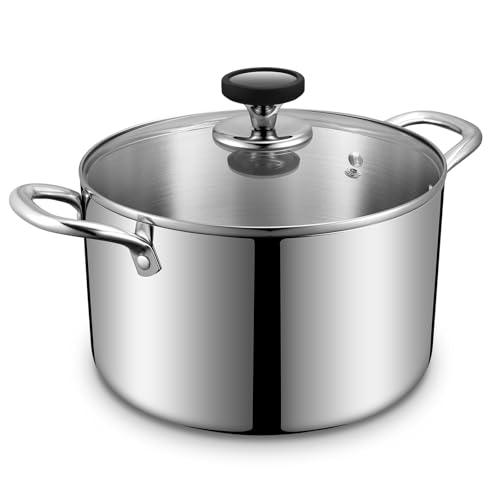
This 6.5-quart tri-ply stock pot sits in a useful middle ground. It has enough room for pasta, spaghetti, soup, and stew, but it may feel easier to manage than an extra-large 8- or 16-quart pot. The double handles can help with lifting and moving the pot, especially when it is not filled to the rim. A visible lid also lets me watch simmering food without opening the pot again and again.
The stainless steel body suits cooks who want a durable everyday workhorse. Tri-ply construction can help reduce hot spots, although burner size and heat level still matter. I would leave room for bubbling liquids and use oven mitts when handling the lid or side handles. The dishwasher-safe design may save time, but hand drying can help reduce water marks on stainless steel.
Pros:
- 6.5-quart size suits many family recipes
- Tri-ply build supports more even heating
- Double handles improve lifting control
- Visible lid helps monitor cooking
- Good capacity for pasta, soup, and spaghetti
- Dishwasher-safe design supports simple cleanup
Cons:
- May still feel heavy when filled with liquid
- Stainless steel can show water spots
- Food may stick if the pot is overheated
- It takes more storage space than a saucepan
My Recommendation
I recommend this pot for families that want one flexible stock pot for regular meals. It may be the best pots for everyday cooking choice for someone who wants a medium-large size without jumping to commercial capacity. The handles and clear lid add useful comfort during real cooking. It gives a strong mix of volume, heat control, and cleaning ease for a busy home kitchen.
| Best for | Why |
|---|---|
| Pasta night | The 6.5-quart body gives noodles room to move. |
| Family soups | The size supports several servings without being extreme. |
| Daily stock pot use | Tri-ply steel and sturdy handles suit repeat cooking. |
CAROTE 8-Quart Full-Clad Stock Pot

The CAROTE 8-quart stock pot is built for cooks who make large meals often. Its full-clad tri-ply construction extends the layered design through the sides, which can support more consistent heating around the pot. That matters when I simmer a thick soup or cook a large batch of sauce. The lid helps hold steam and warmth during longer cooking.
This pot is a sensible fit for a family kitchen, holiday cooking, or planned leftovers. Its 8-quart capacity can handle pasta, beans, broth, stew, and vegetables in useful amounts. The trade-off is size: a full stock pot takes strength and care to move safely. I always keep the handles dry, avoid overfilling, and follow the manufacturer’s guidance for the oven and dishwasher.
Pros:
- Large 8-quart capacity supports batch cooking
- Full-clad tri-ply design may spread heat along the sides
- Stainless steel offers a durable cooking surface
- Useful for broth, beans, soup, pasta, and stew
- Matching lid helps retain moisture
- Suitable for cooks who want a long-term workhorse
Cons:
- Full size can be difficult to wash in a small sink
- A full pot may be too heavy for some users
- Stainless steel takes practice with delicate foods
- Higher capacity may be wasteful for one-person meals
My Recommendation
CAROTE is best for families, serious meal preppers, and cooks who value full-clad construction. It belongs in the conversation about the best pots for everyday cooking when large-volume meals are part of your routine. The design should appeal to anyone who wants even heating across more of the pot body. Choose it if you have enough storage and often cook more than one meal at a time.
| Best for | Why |
|---|---|
| Batch cooking | The 8-quart capacity makes larger recipes practical. |
| Beans and broth | The tall, roomy body supports long simmering tasks. |
| Experienced cooks | Full-clad stainless steel rewards careful heat control. |
Step-by-Step Instant Pot Cookbook
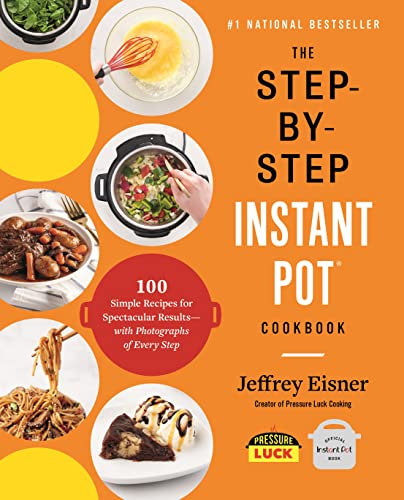
This item is a cookbook, not a cooking pot, so it serves a different purpose in this review. The Step-by-Step Instant Pot Cookbook includes recipes with photographs that show the process from start to finish. That format can help new pressure-cooker users understand prep, layering, timing, and serving. It may also give experienced cooks fresh ideas for beans, soups, grains, meat, and one-pot meals.
I included it because good cookware becomes more useful when you have clear recipes to guide it. The book is designed for electric pressure cookers, so it will not replace a stock pot or saucepan. Still, its step photos can reduce guesswork and make weeknight cooking feel less intimidating. Check the instructions for your exact Instant Pot model, since settings and safety steps can vary.
Pros:
- Step photos make recipes easier to follow
- Useful support for new pressure-cooker owners
- Encourages efficient one-pot meal planning
- Can add variety to a regular dinner routine
- Helpful reference for timing and preparation
- May reduce the stress of trying new recipes
Cons:
- It is not cookware and cannot replace a pot
- Recipes focus on electric pressure cookers
- Some recipes may need ingredient adjustments
- Users must follow current appliance safety directions
My Recommendation
I recommend this cookbook for Instant Pot owners who want clear, visual help. It is not one of the best pots for everyday cooking, but it can make an electric pressure cooker more useful beside your regular cookware. Beginners may gain the most from the step images and simple flow. Its value depends on whether you enjoy pressure-cooker meals and want more structure in the kitchen.
| Best for | Why |
|---|---|
| Instant Pot beginners | Photos show the steps in a clear order. |
| Fast dinners | One-pot recipes can simplify meal planning. |
| Recipe variety | The book offers new ways to use a pressure cooker. |
Universal 6.3-Quart Caldero

The Universal Caldero brings traditional cast-aluminum cookware into a useful 6.3-quart format. It is shaped for rice, beans, soup, stew, and family meals, with a listed capacity that can support generous portions. Aluminum usually heats faster than thick cast iron, so this pot may respond quickly when I adjust the burner. The lid helps keep moisture in while food cooks.
This type of pot has a broad appeal in kitchens that make rice and beans often. It can also work for braises, vegetables, and one-pot comfort food. I would confirm the exact cooktop compatibility before buying, since aluminum cookware may not work on every induction surface without a magnetic base. I would also follow the care instructions closely and avoid harsh tools if the interior has a coating.
Pros:
- 6.3-quart capacity suits family cooking
- Useful for rice, beans, soup, and stew
- Aluminum can heat up quickly
- Traditional design supports many home-style recipes
- Lid helps retain moisture during cooking
- Roomy shape works well for one-pot meals
Cons:
- Cooktop compatibility must be checked carefully
- Aluminum may discolor or react with some foods
- Large meals can make the pot heavy to move
- Care needs may differ from stainless steel cookware
My Recommendation
The Universal Caldero is best for home cooks who prepare rice, beans, stews, and generous family dishes. It can be one of the best pots for everyday cooking if you prefer the fast response and familiar feel of aluminum. I especially like it for cooks who want a traditional pot shape with useful capacity. Check the care and cooktop rules first so its value matches your kitchen.
| Best for | Why |
|---|---|
| Rice and beans | The deep body gives these staples room to cook. |
| Family recipes | The 6.3-quart size supports several servings. |
| Fast heating | Aluminum can respond quickly to burner changes. |
CALLARON Six-Piece Cookware Set

The CALLARON six-piece set is aimed at everyday home use. It combines pots, pans, lids, and cooking utensils in one coordinated package, making it useful for a kitchen that needs several basics. A set like this can handle simple tasks such as boiling, simmering, sautéing, and warming. The gold finish also gives it a more decorative look than standard stainless steel.
I would consider this set for a first home, guest kitchen, or practical cookware upgrade. The number of pieces stays more manageable than a very large cookware bundle. Since the listing uses both stainless steel and nonstick language, I would verify which surfaces apply to each piece before using high heat or metal tools. Careful cleaning and storage should help protect the finish and keep the set looking neat.
Pros:
- Six pieces cover key cooking tasks
- Includes pots, pans, lids, and utensils
- Useful for a first apartment or starter kitchen
- Coordinated gold finish adds visual appeal
- Smaller set needs less storage than an 18-piece collection
- Supports boiling, simmering, sautéing, and warming
Cons:
- Exact surface type may vary by individual piece
- Users should confirm care instructions before using metal tools
- May not include a very large stock pot
- Decorative finish may show wear with rough cleaning
My Recommendation
CALLARON suits renters, newly married couples, students, and anyone who wants a modest starter set. It is a candidate for the best pots for everyday cooking when you prefer a few useful pieces instead of a crowded cabinet. The included utensils add convenience, especially when setting up a kitchen from scratch. I would buy it after confirming the exact materials, coating care, and cooktop limits on the current listing.
| Best for | Why |
|---|---|
| Starter kitchens | The set supplies several basic pieces at once. |
| Small homes | Six pieces are easier to store than a large set. |
| Gift giving | The coordinated look makes a useful kitchen gift. |
IMUSA 16-Quart Stainless Steel Stock Pot

The IMUSA 16-quart stock pot is the largest option in this review. It is made for big jobs such as large batches of soup, seafood boils, pasta, corn, stock, and party food. Riveted handles can provide a firm connection between the pot and the grip points. The stainless steel body is practical for cooks who want a spacious pot without a traditional nonstick surface.
This pot makes sense for large households, holidays, community meals, and serious batch cooking. It is not the pot I would reach for to heat one bowl of soup. A 16-quart pot needs a large burner, enough cabinet room, and a safe plan for lifting it when full. For safety, I would fill it below the rim, use both handles, and ask for help when the contents are too heavy.
Pros:
- Very large 16-quart capacity for big batches
- Useful for soup, stock, pasta, seafood, and corn
- Riveted handles support secure handling
- Stainless steel resists many everyday kitchen odors
- Good choice for parties and holiday cooking
- Can reduce the need to split a recipe between pots
Cons:
- Too large for most single-serving meals
- Very heavy when filled with liquid or food
- Needs substantial storage space
- May not fit smaller sinks or stovetops comfortably
My Recommendation
I recommend the IMUSA for large families, event cooks, gardeners preserving food, and anyone who regularly makes stock or soup in bulk. It is not the most versatile pick for a small kitchen, but it ranks among the best pots for everyday cooking for high-volume work. Its strength is capacity, not compact convenience. Buy it when you have a clear need for very large batches and a safe place to store it.
| Best for | Why |
|---|---|
| Large families | The 16-quart body handles high-volume recipes. |
| Parties | It can cook food for many guests in one batch. |
| Stock and soup | The deep capacity allows long, generous cooks. |
How I Choose the Best Pots for Everyday Cooking
I do not judge a pot by appearance alone. A good daily pot should match the meals you cook most, the size of your household, and the cooktop in your home. I also look at how safe and comfortable it feels when full. These simple checks help separate a useful kitchen tool from a pot that stays in the back of the cabinet.
Choose the Right Size
Small pots are good for sauces, oatmeal, grains, and one or two servings. A 6- to 8-quart pot is more useful for family soup, pasta, chili, and leftovers. A 16-quart pot is best for events and very large batches. I suggest buying the size you will use at least once a week, not the largest size that looks impressive.
Compare Common Materials
Stainless steel is durable and does not rely on a coating for food release. It can last for years, but it rewards steady heat and proper preheating. Aluminum heats fast and often feels lighter, though it may have cooktop or food-reactivity limits. Ceramic nonstick can make cleanup easy, but gentle tools and moderate heat are key to protecting the surface.
Check Your Cooktop
Gas and electric burners work with many types of pots. Induction cooktops need magnetic cookware or a magnetic base. A pot can look heavy and still fail the induction test if its base is not magnetic. Before buying, I check the listing for induction wording and, when needed, test stainless steel with a small magnet.
Think About the Lid
A lid should sit firmly without wobbling. A glass or visible lid lets me check the food without opening the pot. Stainless lids can be more durable, but I must lift them to see the cooking progress. Either type can work well if the handle stays secure and the lid fits the rim.
Do Not Ignore the Handles
Handles matter most when a pot contains hot liquid. Side handles should feel solid, and a long helper handle can improve balance on larger cookware. Riveted handles often feel strong, but they may need extra cleaning around the fasteners. I always use dry oven mitts and keep handles turned away from the front edge of the stove.
Use the Right Heat and Tools
High heat is not always better. It can scorch food, stain stainless steel, and shorten the life of a nonstick surface. For coated pots, I use wood, silicone, or other approved tools. The FDA and other food-safety authorities stress safe food temperatures and clean handling, but cookware care also matters because damaged surfaces and burnt residue make cooking harder.
Cleaning and Storage Tips
I let a hot pot cool before washing it unless the care guide says otherwise. Sudden temperature changes may stress some materials. For stainless steel, warm water and a soft sponge remove most daily residue; baking soda can help with stubborn marks. For nonstick or ceramic surfaces, I avoid abrasive pads and harsh cleaners.
Which Pot Material Is Best for Daily Meals?
There is no single material that wins for every cook. Stainless steel is the safest broad recommendation for durability and repeated use, especially when you cook acidic foods and want a surface that does not depend on a coating. Ceramic nonstick is easier for delicate foods, but it needs more care. Aluminum is appealing for fast heating and traditional dishes, yet compatibility must come first.
For most households, I like a mixed setup. A medium stainless steel pot can cook pasta and soup. A small nonstick saucepan can handle oatmeal, eggs, or sauce. A larger stock pot can cover batch cooking. This approach often gives better value than forcing one pot to perform every task.
Best Pots for Everyday Cooking: Quick Buying Guide
| Need | Best style |
|---|---|
| Small meals and sauces | 1.5- to 3-quart saucepan |
| Soup and pasta for a family | 6- to 8-quart stock pot |
| Very large batches | 12- to 16-quart stock pot |
| Easy release | Ceramic or other quality nonstick pot |
| Long service life | Well-made stainless steel pot |
FAQs Of best pots for everyday cooking
What size pot is best for everyday cooking?
A 6- to 8-quart pot works well for many families. It has room for soup, pasta, chili, rice, and leftovers without taking up the space of a commercial stock pot. Smaller homes may prefer a 2- to 3-quart pot for daily portions.
Are stainless steel pots good for daily use?
Yes. Stainless steel is durable and works well for boiling, simmering, and batch cooking. Use moderate heat, preheat carefully, and add oil when needed to reduce sticking.
Are ceramic nonstick pots safe?
Quality ceramic nonstick cookware can be useful when used as directed. Avoid overheating, metal tools, and abrasive cleaning. Check the current product instructions for temperature and dishwasher limits.
Can I use aluminum pots on induction?
Plain aluminum usually does not work on induction because induction needs a magnetic base. Some aluminum pots include a magnetic plate. Always confirm induction compatibility before purchase.
How do I stop food from sticking to stainless steel?
Start with a clean, dry pot. Warm it over medium heat, add oil, and let the food form a light crust before moving it. Very high heat and early stirring often increase sticking.
Final Verdict: Which Should You Buy?
For most families, I would choose the 6.5-quart tri-ply stainless steel stock pot. It offers a useful size, sturdy handles, a visible lid, and flexible performance for everyday meals.
For bigger batches, choose CAROTE or IMUSA. For small kitchens, choose Idymere or Okllen. The best pots for everyday cooking are the ones that fit your meals, cooktop, storage, and care habits.