Most bowls are oven safe only if the material and maker say they are.
Curious about are bowls oven safe? You’re in the right place. I test cookware for a living and have burned my share of casseroles learning what works. In this guide, I’ll explain how to tell if your bowls can go in the oven, which materials are safe, and how to avoid cracks and shatters. If you’ve ever wondered are bowls oven safe for baking, broiling, or reheating, keep reading.

What Makes a Bowl Oven Safe
A bowl is oven safe when it can handle high, steady heat without breaking or leaching chemicals. This comes down to material, design, and how it was made. It also depends on temperature limits from the maker.
Key factors I check every time:
- Material type and quality. Borosilicate glass, many ceramics, and metal bowls are often safe.
- Thickness and shape. Thick rims and even walls spread heat and lower stress.
- Glaze and coatings. Food-safe, lead-free glazes fare better in heat.
- Thermal shock resistance. Items that tolerate big swings in temperature are safer.
- Maker rating. If a company says 450°F, I never push past it.
If you ask are bowls oven safe at any time, start with these checks. They are simple and can prevent a mess and a hazard.
Material-by-Material Guide: Are These Bowls Oven Safe?
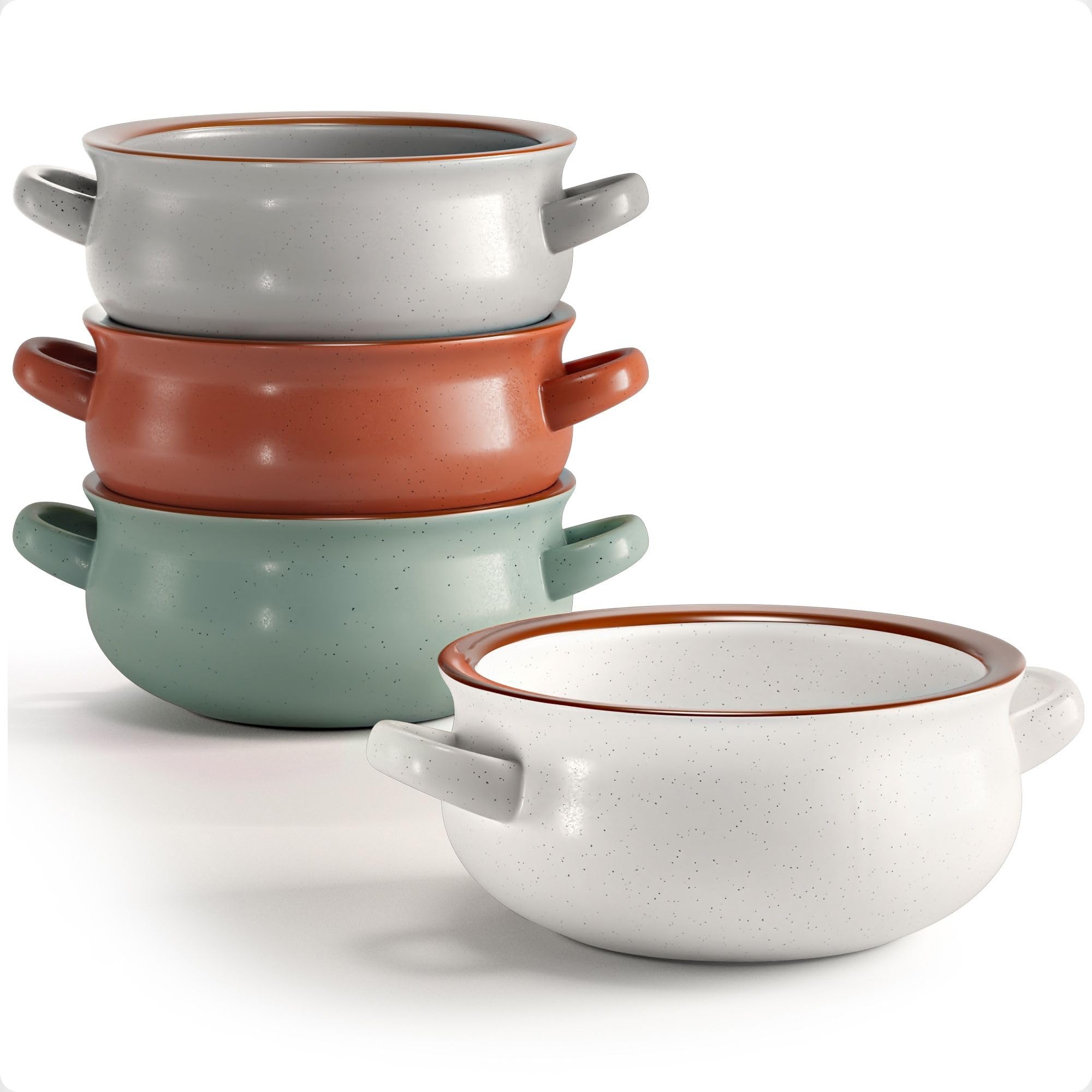
Use this section as your quick map. It answers the question are bowls oven safe for each common material and explains the why behind it.
Borosilicate glass
Borosilicate glass (common in lab glass) handles heat and sudden changes well. It is often oven safe when the maker says so. Avoid broilers and direct flame.
Soda‑lime glass
Most everyday glass is soda‑lime. It can be oven safe if rated, but it is more prone to thermal shock. Let it come to room temp before baking.
Pyrex and brand notes
In many regions, modern consumer Pyrex is soda‑lime, not borosilicate. It can be oven safe within limits but hates sudden temperature shocks. Always read the current label for your country.
Ceramic and stoneware
High‑fired ceramic and stoneware bowls are often oven safe. They need even heat and slow transitions. Unglazed or crackled glazes can absorb water and may craze or crack.
Porcelain and bone china
These can be very strong and often oven safe if labeled. Many fine pieces are for serving, not baking. Check the stamp and avoid sudden temperature jumps.
Stainless steel
Stainless steel bowls are usually oven safe and great for double duty. Beware handles, rims, or coatings that may not be rated. Do not use under a broiler unless stated.
Cast iron and enameled iron
These are oven beasts. They are safe at high heat, but enamel can chip with shocks. Watch for plastic knobs or silicone grips.
Aluminum
Bare or anodized aluminum bowls can be oven safe. Thin, cheap bowls can warp. Acidic foods may react with bare aluminum.
Silicone
Most pure silicone is oven safe to 428°F (220°C), sometimes a bit higher. Check the rating. Fill it on a tray for stability.
Plastic and melamine
These are not oven safe. They can melt, warp, or leach. If you ask are bowls oven safe for plastic, the answer is no.
Wood, bamboo, and paper
None are oven safe for baking. They can scorch or catch fire. Use them for serving only.
If you still wonder are bowls oven safe for your exact piece, treat the maker’s stamp as your rulebook. When in doubt, do not bake.
How To Check If Your Bowl Is Oven Safe At Home
Before you slide a bowl into a hot oven, confirm its rating. Here is my safe checklist.
- Look for marks. Oven safe, a temperature number, or a small oven icon means go ahead.
- Read the guide. A quick brand search with the model can confirm limits.
- Check parts. Lids, rims, rubber rings, and paints may not be oven safe.
- Inspect for damage. Chips or hairlines can grow into cracks under heat.
- Practice gentle heating. Move from fridge to counter for 30 minutes before baking.
- Start modest. First use should be under 350°F to see how it behaves.
If you are asking are bowls oven safe with no label, assume they are not. Use a sheet pan or a rated dish instead.

Safe Use Rules To Prevent Cracks And Shatters
Even oven-safe bowls can fail if used wrong. These rules have saved me time and stress.
- Avoid thermal shock. Do not go from cold fridge to a hot oven. Let the bowl warm up.
- Preheat smart. Preheat the oven, but do not preheat empty glass or ceramic bowls.
- Place on a rack. Use the middle rack with space around the bowl for airflow.
- Skip the broiler. Most glass and ceramic bowls are not broiler safe.
- Watch liquids. A thin liquid layer reduces hot spots and helps even heating.
- Use trivets. After baking, set the bowl on wood or silicone, not stone or steel.
Follow these steps, and when friends ask are bowls oven safe, you can say yes—with care.

Common Mistakes I See (And What To Do Instead)
Years of testing taught me where things go wrong. Here are the top errors and fixes.
- Using a cold glass bowl in a 425°F oven. Fix: Rest the bowl at room temp first.
- Putting a ceramic bowl under a broiler. Fix: Use metal for broiling.
- Ignoring tiny chips. Fix: Retire chipped bowls from the oven; keep for cold use.
- Covering with plastic wrap. Fix: Use foil or an oven-rated lid.
- Overfilling a thin aluminum bowl. Fix: Use a thicker, oven-rated pan for heavy foods.
If your goal is safe baking and you still wonder are bowls oven safe for your dish, choose a rated metal pan and sleep easy.

Care And Cleaning After Oven Use
Good care keeps bowls safe for the next bake.
- Cool gently. Let hot bowls rest on a trivet before washing.
- No cold water shock. Rinse warm, not cold, to avoid stress cracks.
- Use soft tools. Nylon brushes protect glazes and coatings.
- Check after each use. Look for dull spots, crazing, or warps.
Handled this way, you can answer are bowls oven safe for repeat use with more confidence.

Frequently Asked Questions of are bowls oven safe
Are bowls oven safe if they say microwave safe?
Not always. Microwave safe only means it will not spark or melt in a microwave. Look for an oven-safe mark or a temperature limit.
Are bowls oven safe for broiling?
Most glass and ceramic bowls are not broiler safe. Use stainless steel or cast iron under a broiler for safety.
Are bowls oven safe if they are ceramic?
Many are, but only if labeled oven safe. Check the stamp, avoid thermal shock, and stay under the maker’s max temperature.
Are bowls oven safe when they have a crack?
No. Heat will make the crack spread and can cause a break. Retire cracked bowls from oven use.
Are bowls oven safe if they are silicone?
Most pure silicone bowls are oven safe to about 428°F. Always confirm the specific rating on the product.
Are bowls oven safe if there is no label?
Assume no. Use a known oven-safe dish or contact the maker for guidance.
Are bowls oven safe for reheating leftovers?
Yes, if they are rated oven safe and you heat gently. Bring the bowl to room temp first and avoid the broiler.
Conclusion
Most people ask are bowls oven safe because they want a simple yes or no. The real answer is simple once you know your material, the maker’s rating, and the rules for gentle heat. Choose the right bowl, avoid thermal shock, and your bake will be smooth and safe.
Put this to work today. Check your favorite bowls, note their limits, and mark the keepers. Want more practical kitchen tips? Subscribe, share your questions in the comments, and tell me what you want tested next.