
If you've ever wondered whether you can pop your ceramic bowls straight into the oven, you're asking the right question. Many of us grab whatever dish is handy without thinking twice, but when it comes to ceramic bowls and oven safety, the answer isn't always a simple yes or no. The truth is that whether ceramic bowls are oven safe depends on several important factors, including how they were made, what temperature you're planning to use, and whether they have any decorative coatings or glazes. In this guide, I'll walk you through everything you need to know to use your ceramic bowls confidently in the oven without worrying about cracks, damage, or safety hazards.

Understanding Ceramic Bowl Construction
Ceramic bowls are crafted through a fascinating process that significantly impacts their ability to withstand oven heat. The base material, firing temperature during manufacturing, and the glaze applied all play crucial roles in determining whether your ceramic bowl can safely handle oven use. When manufacturers create ceramic bowls, they typically fire them at extremely high temperatures, sometimes exceeding 2,000 degrees Fahrenheit, which transforms raw clay into the durable material we know and love.
The quality of your ceramic bowl largely depends on how it was made and what clay body was used. Stoneware and porcelain, which are more densely fired ceramics, tend to be more oven safe than earthenware, which is more porous and fragile. The firing process essentially locks in the strength of the ceramic, making it more resistant to thermal shock, which is when rapid temperature changes cause materials to crack or shatter.
Think of ceramic as having different density levels depending on how it's fired. A well-made ceramic bowl that's been properly glazed and fired will handle oven temperatures much better than a low-quality alternative. This is why checking the manufacturer's specifications is absolutely essential before placing any ceramic bowl in your oven.

What Makes a Ceramic Bowl Oven Safe
When determining if ceramic bowls are oven safe, manufacturers look at several key characteristics that ensure the piece can handle heat without failing. First, the ceramic must be glazed completely, meaning the entire surface, including the bottom, should have a protective glaze coating. Unglazed ceramic is porous and absorbs moisture, which can cause it to crack when heated because the trapped moisture turns to steam.
The second factor is whether the glaze itself is food-safe and can withstand high temperatures. Quality ceramic bowls undergo testing to verify they won't leach harmful chemicals into food when heated. Reputable manufacturers ensure their glazes are lead-free and cadmium-free, which is especially important for oven-safe products. Temperature ratings also matter tremendously, as different ceramic bowls have different maximum safe temperatures, typically ranging from 300 to 500 degrees Fahrenheit.
A truly oven safe ceramic bowl will have clear labeling from the manufacturer indicating its maximum temperature capability. This labeling represents extensive testing and quality assurance processes. If your ceramic bowl doesn't have this label, it's safer to assume it may not be suitable for oven use, or at least limit its use to lower temperatures.
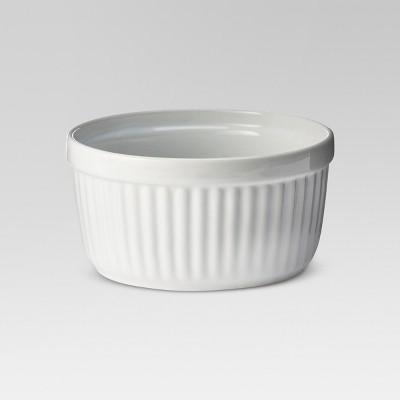
The Risks of Using Non-Oven-Safe Ceramic Bowls
Using ceramic bowls that aren't specifically designated as oven safe can lead to several problems, some more serious than others. The most immediate risk is thermal shock, where rapid temperature changes cause the ceramic to expand and contract unevenly, leading to cracks or complete shattering. This is particularly dangerous because hot ceramic shards can scatter, potentially causing burns or injuries.
Beyond physical damage, non-oven-safe ceramic bowls may contain glazes with harmful substances like lead or cadmium. When these bowls are heated, especially at higher temperatures, these toxins can migrate into your food. While regulatory standards exist to prevent this, imported ceramics or vintage pieces may not meet current safety standards. Some decorative elements, like metallic paints or certain hand-painted designs, can also release harmful fumes when heated.
Another concern is moisture absorption. Ceramic bowls that aren't properly glazed or fired will absorb water molecules into their porous structure. When you place these bowls in the oven, that moisture heats rapidly and creates steam pressure inside the ceramic, which can cause explosive cracking. This isn't just a food waste issue; it poses genuine safety risks to anyone nearby when the bowl fails.

How to Identify Oven-Safe Ceramic Bowls
The easiest way to determine if ceramic bowls are oven safe is to check the bottom of the bowl for manufacturer markings. Most reputable brands clearly stamp their products with temperature ratings and oven-safe symbols. Look for markings like an oven symbol, a temperature range like "oven safe to 350°F," or specific certifications from testing organizations. These markings are your guarantee that the product has been tested and deemed safe for oven use.
If you can't find any markings on your ceramic bowl, you can try contacting the manufacturer directly through their website or customer service. Many companies maintain records of their products and can tell you whether a specific bowl is oven safe. Having a photo of the bowl and any identifying marks will help speed up this process.
Here's a practical checklist to assess your ceramic bowls:
- Look for an oven-safe symbol or temperature rating on the bottom
- Check if the bowl is completely glazed with no visible unglazed clay
- Examine decorative elements to ensure they don't contain metallic paints
- Research the brand's reputation for quality and safety standards
- Verify that the glaze appears smooth and uniform with no cracks or chips
- Feel the bowl's weight; heavier ceramics are typically higher quality and better suited for oven use
For vintage or handmade ceramic bowls, be especially cautious. Many older pieces weren't manufactured with food safety in mind, and their glazes may contain harmful materials by modern standards.

Temperature Guidelines for Ceramic Bowls
Understanding temperature limits is critical when using ceramic bowls in the oven. Most oven-safe ceramic bowls have maximum temperatures ranging from 300 to 500 degrees Fahrenheit, though some premium pieces may handle higher heat. The manufacturer's stated temperature is the absolute ceiling, and pushing beyond it significantly increases the risk of thermal shock and cracking.
A good rule of thumb is to avoid sudden temperature changes with ceramic bowls. If you're taking a ceramic bowl directly from the refrigerator into a hot oven, you're creating the exact conditions for thermal shock. Instead, try bringing the bowl to room temperature first, or preheating it gradually in the oven as it heats up. This slow transition gives the ceramic time to expand evenly without stress.
When cooking with ceramic bowls, consider the specific recipe requirements. If a recipe calls for 450 degrees but your ceramic bowl is only rated to 350, use a different dish rather than risk damaging both your bowl and your meal. It's not worth the potential hazard. Additionally, avoid placing ceramic bowls directly on the oven rack where they'll receive direct heat from below; instead, place them on a baking sheet to distribute heat more evenly.
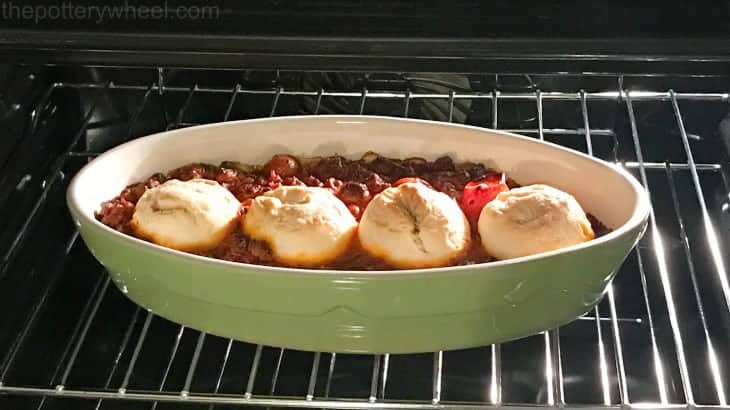
Common Mistakes When Using Ceramic Bowls in the Oven
Through my experience working with kitchen equipment and talking to countless home cooks, I've noticed several common mistakes that put ceramic bowls at risk. The most frequent error is assuming all ceramic dishes are oven safe simply because they're ceramic. This misconception has led many people to damage their favorite bowls or worse, experience safety incidents.
Another common mistake is moving ceramic bowls too quickly between temperature extremes. Taking a cold bowl straight from the refrigerator and placing it in a preheated oven is one of the fastest ways to cause cracking. Similarly, removing a hot ceramic bowl from the oven and immediately placing it on a cold countertop or putting cold water in it creates dramatic temperature differences that stress the material.
People often overlook the issue of moisture as well. Some ceramic bowls, particularly those that are more porous or have decorative hand-painted glazes, can trap moisture that expands when heated. I've seen countless instances where someone's beautiful ceramic bowl cracked seemingly for no reason, when actually the damage was caused by trapped moisture turning to steam.
Here are mistakes to avoid:
- Never assume a ceramic bowl is oven safe without checking the label
- Don't move ceramic bowls rapidly between hot and cold environments
- Avoid placing ceramic bowls directly over heating elements or on oven racks
- Don't fill ceramic bowls with cold liquid immediately after removing from the oven
- Never use ceramic bowls that have visible cracks or chips
- Don't ignore discoloration or staining, as these can indicate glaze issues
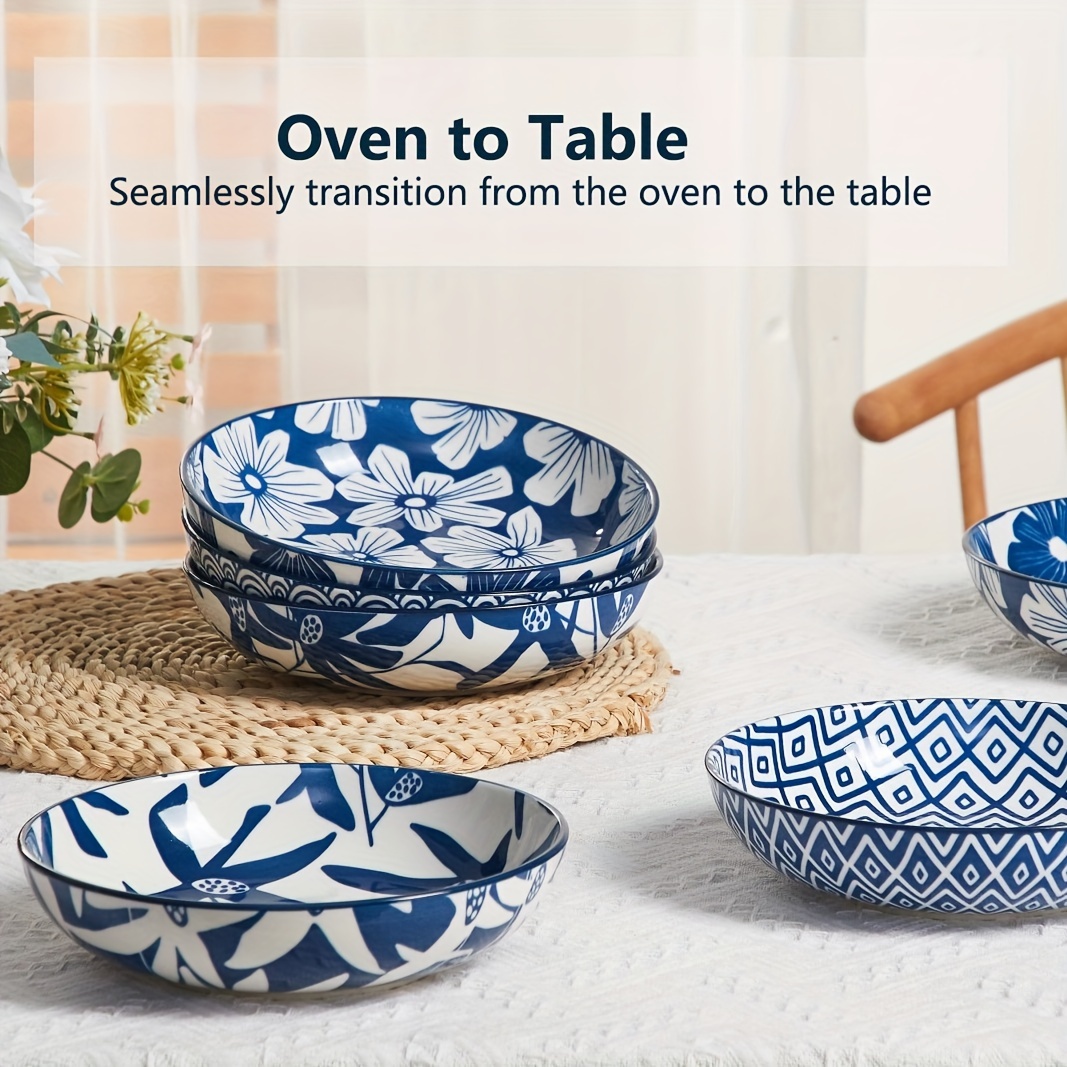
Best Practices for Using Ceramic Bowls Safely
To get the most out of your ceramic bowls while keeping them safe, follow these evidence-based practices that balance functionality with protection. Start by always reading the manufacturer's instructions before first use, as these guidelines are specifically designed for that product. Keep your ceramic bowls in a stable environment, avoiding extreme temperature fluctuations even when they're not in the oven.
When preparing to use a ceramic bowl in the oven, allow it to acclimate to room temperature first. If the bowl has been in a cool cabinet, let it sit out for a few minutes before placing it in the oven. This simple step can prevent unnecessary thermal stress. Similarly, when removing a hot ceramic bowl from the oven, place it on a heat-safe surface and let it cool gradually rather than running cold water over it immediately.
Always use oven mitts or potholders when handling ceramic bowls that have been in the oven, as they retain heat for quite a while. Ceramic is an excellent insulator, which means the interior might cool faster than the exterior, creating uneven stress. Additionally, inspect your ceramic bowls regularly for signs of wear, including small cracks, chips, or areas where the glaze seems compromised. Damaged ceramic bowls should be retired from oven use immediately.
Consider these additional safety measures:
- Place ceramic bowls on a baking sheet rather than directly on oven racks
- Preheat your ceramic bowl with the oven for even heat distribution
- Keep ceramic bowls away from direct flame or high-heat elements
- Store ceramic bowls in a stable location to prevent accidental thermal stress
- Clean ceramic bowls gently to avoid damaging the glaze
- Use lower oven temperatures when possible to minimize thermal stress
- Never use ceramic bowls designed for decorative purposes in the oven
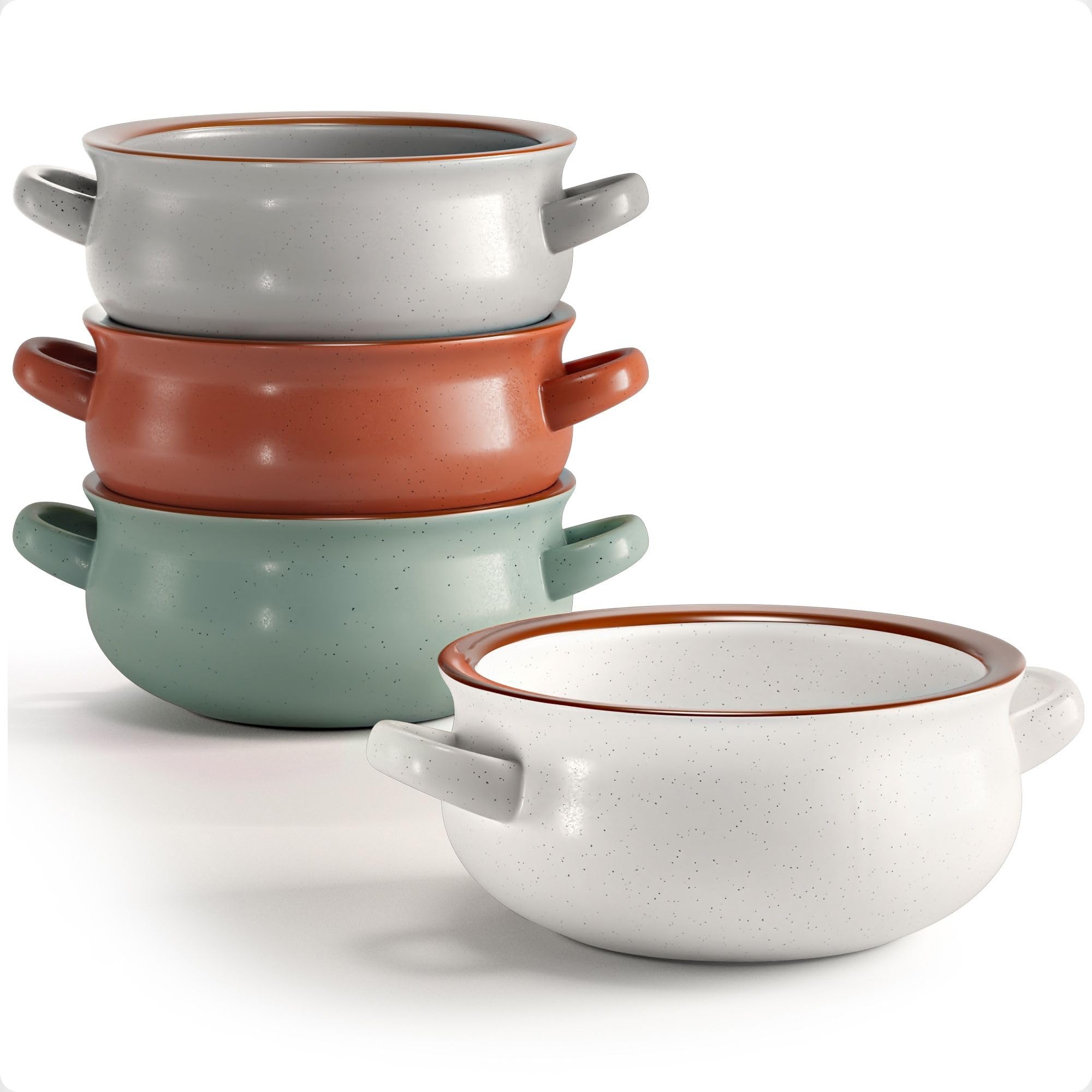
Special Considerations for Different Types of Ceramic
Not all ceramic is created equal, and different types have varying levels of oven safety. Porcelain ceramic bowls are typically the most oven safe because they're fired at the highest temperatures and are extremely dense. Porcelain is less porous than other ceramic types and resists thermal shock better, making it ideal for regular oven use at moderate to high temperatures.
Stoneware ceramic bowls occupy the middle ground. They're more durable than earthenware and can handle oven use reasonably well, though generally not at temperatures as high as porcelain. Stoneware is fired at moderately high temperatures, creating a reasonably strong material that's less likely to crack than earthenware. Many home cooks prefer stoneware for everyday use because it offers good durability at a reasonable price point.
Earthenware ceramic bowls are the most fragile option and should be approached with caution. These bowls are fired at lower temperatures, making them more porous and prone to cracking. While some earthenware pieces may be labeled as oven safe, they typically have lower temperature ratings and are better suited for serving rather than cooking. Many beautiful Mediterranean and rustic-style ceramic bowls are earthenware, so always check the label before assuming they can go in the oven.
Here's a comparison of ceramic types:
- Porcelain: highest fire temperature, densest material, safest for oven use up to 500°F
- Stoneware: moderate fire temperature, good durability, typically safe to 350-400°F
- Earthenware: lowest fire temperature, most porous, best for serving, safest at temperatures under 350°F
- Hand-painted ceramics: variable safety depending on glazes used, generally more caution needed
Real-World Examples and Experiences
Throughout my years of using and testing various kitchen equipment, I've learned valuable lessons about ceramic bowl safety that go beyond manufacturer specifications. I once owned a beautiful handmade ceramic bowl purchased from a local artist. It wasn't marked as oven safe, but I assumed that because it was high-quality craftsmanship, it would be fine for baking. I was wrong. When I preheated it in a 375-degree oven, it cracked spectacularly, ruining both the bowl and my dinner plans. This taught me that even beautiful, well-crafted ceramics need proper labeling and testing for oven safety.
In contrast, I've used simple, mass-produced ceramic bowls marked as oven safe for years without any issues. These bowls have been through countless heating cycles and remain pristine. The difference wasn't quality or aesthetics; it was the manufacturer's commitment to proper firing processes and quality control. This experience reinforced that oven-safe designation matters far more than perceived quality.
I've also learned about the importance of gradual temperature changes through observing professional kitchens. Pastry chefs and bakers who work with ceramic constantly emphasize bringing ingredients and dishes to similar temperatures before combining them. They treat ceramic bowls with respect, allowing them to reach room temperature before oven use. This professional approach to ceramic bowl handling has influenced how I personally use these items in my kitchen.
Another valuable lesson came from a friend who unknowingly used a decorative ceramic bowl for serving soup. She reheated it in the microwave, and the metallic paint on the rim started to discolor and emit a slight smell. We later learned that metallic glazes can be problematic when heated, even in microwaves. This experience reminded me that decorative intent sometimes conflicts with functional safety in ceramic products.

Frequently Asked Questions
Are all ceramic bowls oven safe?
No, not all ceramic bowls are oven safe. While ceramic as a material can withstand heat, whether a specific ceramic bowl is oven safe depends on how it was manufactured, what temperature it was fired at, the type of glaze used, and whether it has any decorative elements that might be problematic. Always check the manufacturer's label or contact the maker before using any ceramic bowl in the oven. Some ceramic bowls are designed purely for serving or decoration and should never be placed in the oven. The only reliable way to know if a ceramic bowl is oven safe is through proper labeling or verification from the manufacturer.
What temperature can ceramic bowls handle in the oven?
Most ceramic bowls that are labeled as oven safe can handle temperatures between 300 and 500 degrees Fahrenheit, though this varies by product. Always refer to the specific temperature rating provided by the manufacturer, as this represents the maximum safe temperature for that particular bowl. Using ceramic bowls beyond their rated temperature can cause thermal shock and cracking. If you're unsure about your ceramic bowl's temperature rating, it's safer to use it at lower temperatures or avoid oven use altogether. Premium porcelain bowls may handle higher temperatures than earthenware or basic stoneware options.
Can ceramic bowls go from refrigerator to oven?
Taking ceramic bowls directly from the refrigerator to a preheated oven is risky and can cause thermal shock leading to cracking. It's better to allow ceramic bowls to reach room temperature first before placing them in the oven. If you need to use a cold bowl, preheat it in the oven as the temperature gradually rises, or simply let it sit out for ten to fifteen minutes before oven use. This gradual temperature transition gives the ceramic time to adjust evenly without stress. The same principle applies in reverse; don't place a hot ceramic bowl on a cold surface immediately after removing it from the oven.
How can you tell if a ceramic bowl is oven safe?
Look for an oven-safe symbol or temperature rating printed or stamped on the bottom of the ceramic bowl. Manufacturer markings will typically indicate whether the bowl is oven safe and up to what temperature. If you can't find any markings, try contacting the manufacturer directly with a photo of the bowl and any identifying information. Check that the bowl is completely glazed with no visible cracks, chips, or unglazed areas. Be cautious with vintage, handmade, or decorative ceramic bowls, as these often weren't manufactured with oven use in mind and may not meet modern food safety standards.
What happens if you use a non-oven-safe ceramic bowl in the oven?
Using a ceramic bowl that isn't designed for oven use can result in several problems. The most immediate risk is thermal shock, which causes the ceramic to expand and contract unevenly, leading to cracks or shattering. Non-oven-safe ceramic may also contain glazes with harmful substances like lead or cadmium that can leach into food when heated. Porous ceramic that isn't properly glazed can absorb moisture, which turns to steam in the oven and creates pressure that cracks the bowl. Additionally, decorative elements like metallic paints may release harmful fumes when heated, creating potential health hazards for you and your family.
Are ceramic bowls better for the oven than glass or metal?
Ceramic has both advantages and disadvantages compared to glass and metal in the oven. Ceramic heats more evenly than metal and doesn't conduct heat as aggressively, making it gentler on certain foods. Glass is also relatively safe for oven use but can shatter more dramatically if thermal shock occurs. Metal conducts heat quickly but isn't suitable for microwave use and can interfere with some cooking processes. Each material has its strengths, and choosing between ceramic, glass, and metal depends on your specific cooking needs. Ceramic bowls that are properly labeled as oven safe offer a good middle ground for many cooking applications.
Wrapping Things Up
Understanding whether ceramic bowls are oven safe comes down to checking manufacturer specifications, understanding the material composition, and following proper heating practices. The vast majority of safety issues with ceramic bowls stem from assumptions rather than actual product limitations. By taking time to verify that your ceramic bowl has proper oven-safe labeling and respecting its temperature limits, you can safely enjoy using these beautiful and functional pieces in your kitchen for years to come.
The key takeaway is this: never assume any ceramic bowl is oven safe without verification. Take thirty seconds to check the bottom of your bowl, look for clear labeling, and feel confident in your decision. When you do use ceramic bowls in the oven, allow them to reach room temperature before placing them in heat, use them at temperatures below their maximum rating, and let them cool gradually after cooking. These simple practices will protect your bowls from damage and keep your kitchen experience safe and enjoyable.
Start implementing these guidelines today with the ceramic bowls currently in your kitchen. Check their labels, verify their specifications, and make informed decisions about which ones are suitable for oven use. Share what you learn with family and friends who might be making assumptions about their own ceramic bowls. If you have questions about specific ceramic bowls or want to share your own experiences with oven-safe ceramics, leave a comment below. Your insights can help others make safer choices in their kitchens.