
Chafing dishes are essential equipment in catering, restaurants, and home entertaining. These warming vessels keep food at safe, appetizing temperatures during events. But a critical question haunts many hosts and professional caterers: are chafing dishes oven safe?
The short answer is: it depends. Most traditional chafing dishes aren’t designed for direct oven use, but many modern versions can tolerate oven temperatures. This comprehensive guide explores the truth about chafing dishes and oven safety, helping you make informed decisions for your next event.
Whether you’re planning an elegant dinner party, managing a corporate catering event, or running a professional kitchen, understanding your equipment matters tremendously. The last thing you need is damaged cookware or, worse, a food safety incident during an important gathering.

What Are Chafing Dishes Anyway?
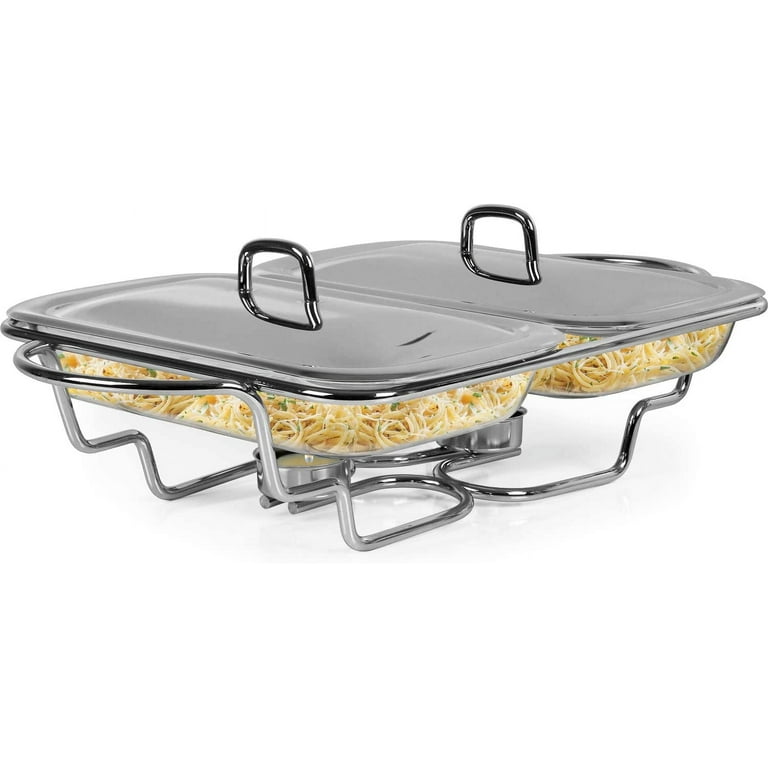
Chafing dishes are warming trays designed to maintain food temperature without cooking it further. The traditional setup includes three main components: a water pan (bottom), a food pan (top), and a heating source (typically fuel or hot water beneath).
The basic concept dates back centuries. European hotels and upscale dining establishments adopted these devices to serve multiple courses while maintaining optimal food temperatures. Today, chafing dishes remain the gold standard for buffet service, catering events, and restaurant food displays.
The typical chafing dish features:
- A stainless steel or silver-plated frame
- A water jacket system that holds hot water
- A removable food pan for easy cleaning
- Fuel holders designed for solid fuel tablets or gel fuel
- Handles for safe transport
These practical design features make chafing dishes invaluable for events. But they also create limitations regarding oven use.
The Basic Answer: Traditional Chafing Dishes Aren’t Oven Safe
Let’s address this directly. Most traditional chafing dishes should never go into an oven. Here’s why:
Heat Distribution Issues
Chafing dishes heat from beneath using an indirect water bath method. Oven heat comes from multiple directions simultaneously. This creates uneven heating patterns that can damage the equipment and potentially harm food safety protocols.
Material Vulnerabilities
Standard chafing dish components include:
- Stainless steel frames: Can withstand oven temperatures, but handles often can’t
- Plastic handles: Melt at temperatures above 160-180°F
- Felt or cork bottoms: Deteriorate rapidly in ovens
- Fuel holders: Not designed for consistent oven heat
The plastic handles found on many affordable chafing dishes represent the biggest concern. Most standard plastics soften around 160°F and melt between 200-250°F. Even low oven settings can reach these temperatures within minutes.
Manufacturers’ Specifications
Check the bottom of your chafing dish. Most legitimate manufacturers explicitly state: “Not oven safe.” This isn’t arbitrary caution—it reflects genuine safety concerns and liability issues.
Ignoring manufacturer guidelines can void warranties and create liability problems if damage or injury occurs.
Modern Chafing Dishes: Oven-Safe Options Exist
The good news? Technology has advanced. Some contemporary chafing dishes DO accommodate oven use. Understanding these differences can expand your catering capabilities.
All-Stainless Steel Models
Premium chafing dishes constructed entirely from stainless steel (including handles) can tolerate oven temperatures up to 400°F in many cases. These professional-grade options:
- Feature reinforced stainless steel handles
- Include removable rubber feet instead of cork
- Use durable hardware throughout
- Cost significantly more than standard models
These pieces qualify as investment equipment for serious caterers and restaurants.
Hybrid Designs
Some manufacturers now produce hybrid chafing dishes with removable plastic components. These allow users to:
- Remove handles for oven use
- Take off plastic feet
- Transfer food pans directly to ovens
This innovative approach provides flexibility without requiring entirely new equipment purchases.
Ceramic Insert Chafing Dishes
A newer category features ceramic or porcelain food pans compatible with ovens. The ceramic pan can handle oven temperatures independently, making these systems remarkably versatile for professional kitchens.
Why Oven Safety Matters: Temperature and Food Safety Considerations
This isn’t merely about equipment durability. Oven safety directly impacts food quality and guest safety.
Temperature Control Precision
Chafing dishes maintain consistent temperatures through water bath methods. This gentle heat preserves food quality—preventing overcooking, moisture loss, and texture degradation.
Ovens, conversely, can cause:
- Uneven reheating
- Moisture loss in delicate foods
- Scorching or burning on edges
- Accelerated cooling cycles
Food service professionals recognize these distinctions instinctively. The method you choose affects the final product your guests experience.
Health Code Compliance
Professional catering must follow strict health department guidelines. Most regulations specify:
- Food must reach specific temperatures within defined timeframes
- Temperature maintenance requirements
- Proper equipment usage according to manufacturer specifications
Using chafing dishes outside their intended parameters can create compliance violations. Health inspectors take this seriously—non-compliance can result in citations or temporary closure.
Liability and Insurance Issues
Professional caterers carry liability insurance. Most policies include clauses requiring equipment use according to manufacturer specifications. Using a chafing dish in the oven contrary to those guidelines might invalidate coverage if problems arise.
This legal reality shouldn’t be dismissed casually.

Step-by-Step Guide: How to Check Your Chafing Dish
Before attempting any oven use, follow this verification process:
Step 1: Locate the Manufacturer Information
Flip your chafing dish over. Locate the manufacturer label, typically affixed to the bottom. Read all safety warnings carefully.
Step 2: Identify Component Materials
Examine each element:
- Handles: Are they plastic or stainless steel?
- Bottom feet: Cork, rubber, or metal?
- Food pan material: Stainless steel, aluminum, or ceramic?
- Hardware: Plastic rivets or metal fasteners?
Document these findings.
Step 3: Check for “Oven Safe” Certification
Look for explicit oven-safe markings. Legitimate certifications include:
- “Oven safe to 400°F”
- “Oven safe to 500°F”
- “All oven-safe components”
- Temperature-specific markings
Absence of these statements typically means oven use is prohibited.
Step 4: Contact the Manufacturer
When uncertainty exists, email or call the manufacturer. Provide your model number and ask directly about oven compatibility. Most manufacturers respond quickly to such inquiries.
Professional companies appreciate customers who ask before attempting potentially damaging uses.
Step 5: Test Small Components First
If the manufacturer confirms oven safety, test with individual components before full use. Place just the food pan (without the frame) in a 250°F oven for 15 minutes. Inspect for damage or concerning changes.
Only proceed to full-assembly oven use after successful component testing.
Safe Alternatives to Oven-Based Chafing Dishes
If your chafing dish isn’t oven safe, several excellent alternatives exist:
Option 1: Use the Oven, Transfer to Chafing Dishes
This is the most common professional approach:
- Prepare and reheat food in the oven
- Transfer heated food to chafing dishes
- Use chafing dishes for temperature maintenance only
This separation of duties keeps equipment in appropriate applications.
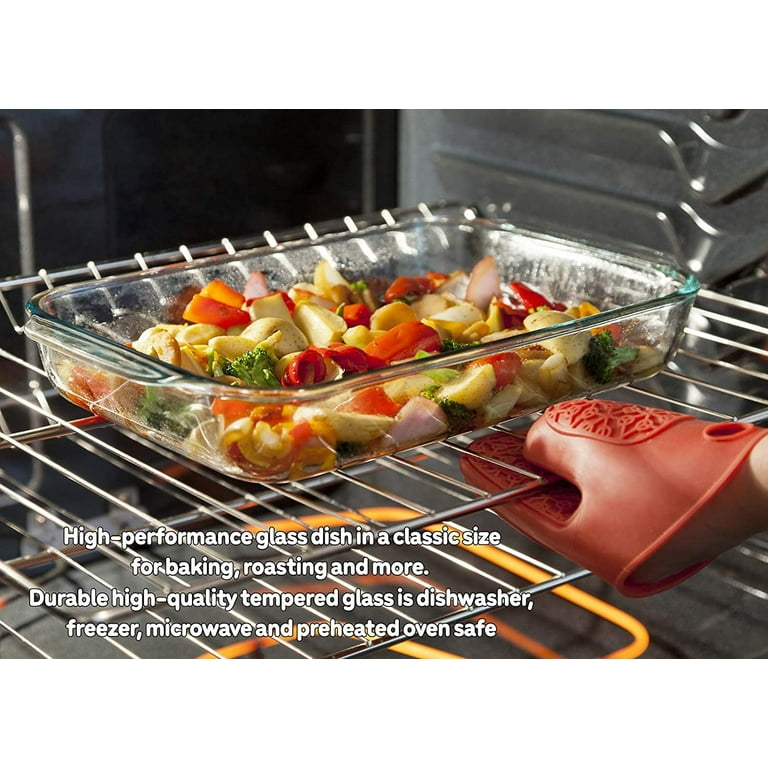
Option 2: Invest in Oven-Safe Baking Dishes
Professional-grade baking dishes handle extreme temperatures. Use these for oven work, then transfer to chafing dishes for service.
Option 3: Buy Oven-Safe Chafing Dishes
If oven compatibility is essential to your operation, purchase equipment designed for this purpose. The premium investment pays dividends through increased flexibility and durability.
Option 4: Use Warming Drawers and Holding Cabinets
Commercial kitchens increasingly use specialized warming equipment:
- Warming drawers: Control temperatures precisely
- Holding cabinets: Maintain food temperatures efficiently
- Heated shelving units: Maintain multiple pans simultaneously
These alternatives provide superior temperature control and equipment longevity.
Best Practices for Chafing Dish Use and Maintenance
Regardless of oven safety, these practices extend equipment life and ensure optimal performance:
Fill Properly
The water pan should contain enough water to create steam without overflowing. Typically, this means filling approximately three-quarters full.
Use Appropriate Fuel
Use only manufacturer-recommended fuel. Most chafing dishes accept:
- Gel fuel in cans
- Solid fuel tablets (Sterno brand)
- Hot water (if fuel-less operation)
Never experiment with alternative fuels.
Monitor Water Levels
During service, water evaporates. Check periodically and top up with hot water from a kettle. This maintains consistent temperatures throughout your event.
Allow Cooling Time
Never move a chafing dish from active service to storage immediately. Allow it to cool for 30 minutes minimum. This prevents warping and extends equipment life.
Clean Promptly After Use
Food residue becomes stubborn when it hardens. Clean water pans and food pans within two hours of use. Use warm soapy water and soft sponges—avoid abrasive scrubbers that damage finishes.
Inspect Regularly
Before each use, examine:
- Handles for cracks or looseness
- Fuel holders for corrosion
- Felt or rubber bottoms for deterioration
- Food pans for dents or damage
Address issues immediately.
Professional Insights: What Caterers Know About Chafing Dishes
Experienced catering professionals have developed battle-tested approaches:
The Dual-Equipment Strategy
Most professional caterers maintain two separate workflows:
- Oven-safe cookware for initial heating and cooking
- Chafing dishes exclusively for temperature maintenance and service
This separation eliminates equipment stress and extends lifespan.
Temperature Pre-Planning
Professionals calculate food temperatures before service. They know exactly how long food maintains optimal temperature in chafing dishes. This planning prevents both overcooking and dangerous temperature drops.
Fuel Management
Experienced caterers never run short on fuel during events. They calculate fuel requirements, then add 25% extra. A chafing dish that cools during service disappoints guests and creates liability.
Backup Equipment
Serious catering operations maintain backup chafing dishes. If one fails during an event, service continues uninterrupted.
Detailed Event Logistics
Professional caterers create detailed food timeline documents specifying:
- Oven preparation times
- Transfer times to chafing dishes
- Temperature checks at 30-minute intervals
- Backup heating plans
This documentation proves invaluable for quality control and liability management.

Common Myths Debunked
Myth 1: “Stainless Steel Means Oven Safe”
Reality: Stainless steel frames can handle ovens, but plastic handles can’t. You can’t use equipment safely with components that melt.
Myth 2: “If It Doesn’t Explicitly Say ‘Not Oven Safe,’ It’s Okay”
Reality: Absence of a warning doesn’t constitute permission. Manufacturers assume responsible use. Always seek affirmative confirmation, not just absence of prohibition.
Myth 3: “Low Oven Temperature Makes It Safe”
Reality: Even 250°F ovens can melt plastic handles within 15-20 minutes. “Low” doesn’t mean safe if equipment isn’t designed for that application.
Myth 4: “Professional Caterers Always Put Chafing Dishes in Ovens”
Reality: Professional caterers avoid this specifically because they understand equipment limitations. They separate heating and holding functions.
Myth 5: “It’s Fine If Nothing Went Wrong Before”
Reality: Past success doesn’t guarantee future safety. Repeated thermal stress eventually causes failure. Just because something hasn’t broken yet doesn’t mean it’s safe.
The Bottom Line: What You Should Do
Here’s your action plan:
For home entertaining:
- Don’t put chafing dishes in ovens
- Use your oven for initial heating
- Transfer hot food to chafing dishes
- Use chafing dishes only for maintaining temperature during service
For professional catering:
- Follow manufacturer specifications precisely
- If oven use is essential, purchase equipment certified oven-safe
- Maintain separate heating and holding equipment
- Document your procedures for insurance and compliance purposes
- Train staff on proper equipment usage
For uncertainty:
Contact the manufacturer. This takes five minutes and eliminates guesswork.
Investing in Quality Equipment: Long-Term Value
Premium chafing dishes cost more initially, but they’re investments:
- Last 10+ years with proper care
- Maintain temperatures more efficiently
- Provide professional appearance at events
- Often include oven-safe certifications
- Reduce maintenance and replacement costs
Cheap chafing dishes often:
- Fail within 2-3 years
- Heat inconsistently
- Look unprofessional
- Generate higher total ownership costs
Consider this a quality investment rather than an expense.

FAQ Section: Are Chafing Dishes Oven Safe
Q: Can I put my chafing dish food pan in the oven separately?
A: Maybe. Check the pan specifically. Many food pans are oven-safe independently even if the complete unit isn’t. Verify before attempting.
Q: What temperature would damage a typical chafing dish?
A: Most standard plastic components fail between 200-250°F. Ovens reach 350°F quickly, creating potential damage.
Q: How can I reheat food safely if my chafing dish isn’t oven-safe?
A: Use a standard baking dish in the oven. Transfer food to the chafing dish once heated.
Q: Are all-stainless steel chafing dishes worth the extra cost?
A: For professional use or frequent entertaining, yes. The flexibility justifies the investment.
Q: What’s the maximum temperature most chafing dishes can handle?
A: Traditional models handle temperatures up to 160-180°F safely. Premium models might handle 300-400°F.
Q: If my chafing dish has a ceramic insert, is it oven-safe?
A: The ceramic may be; the frame likely isn’t. Separate the components and verify each independently.
Q: Can I use my chafing dish’s food pan as a regular baking dish?
A: Only if the manufacturer explicitly states it’s oven-safe. Most aren’t designed for this purpose.
Q: What fuel should I use if I’m unsure about my chafing dish?
A: Gel fuel or Sterno tablets are safest. Follow the manufacturer’s recommendations exactly.
Q: How long can food stay in a chafing dish safely?
A: Food should remain above 140°F. Most chafing dishes maintain this for 2-4 hours depending on initial temperature and ambient conditions.
Q: What’s the best way to transport a hot chafing dish?
A: Use both hands firmly gripping the handles. Ensure handles are secure and cool enough to grip comfortably.
Conclusion: Making the Right Choice
The question “are chafing dishes oven safe?” doesn’t have a universal answer. It depends entirely on your specific equipment.
The safe approach: Assume your chafing dish isn’t oven safe unless the manufacturer explicitly certifies otherwise. This conservative stance prevents equipment damage, maintains food safety, and protects your liability position.
The professional approach: Separate your heating and holding functions. Use ovens and stovetops for initial cooking and reheating. Reserve chafing dishes exclusively for maintaining temperature during service.
The investment approach: If oven compatibility is essential, purchase premium equipment designed for this purpose.
Chafing dishes serve an essential function in food service. Respecting their intended use ensures they serve reliably for years. Take 10 minutes to verify your equipment specifications today, and you’ll enjoy worry-free entertaining tomorrow.
Your guests care about one thing: delicious food at proper temperature. Using equipment correctly ensures you deliver exactly that.
[Insert YouTube Video Here]