
When you're standing in front of your stove with a sizzling Calphalon frying pan, the question of whether you can pop it into the oven might cross your mind. Maybe you're finishing off a one-pan meal or searing meat that needs a final touch of oven heat. The answer matters more than you'd think, because using the wrong cookware at high temperatures can ruin your pan, waste your meal, or worse, create a safety hazard in your kitchen. So are Calphalon frying pans oven safe? The short answer is yes, but with important conditions that depend on which Calphalon frying pan you own and how you use it.
Throughout my years of cooking and testing various cookware brands, I've learned that understanding your pan's limitations is just as important as knowing its strengths. Calphalon makes several different lines of frying pans, and not all of them handle oven temperatures the same way. Some can handle moderate heat, while others are built for serious oven action. This guide will walk you through everything you need to know about Calphalon frying pan oven safety, so you can cook with confidence without worrying about damaging your cookware or your meal.

Understanding Calphalon Frying Pans and Their Construction
Calphalon has been around since the 1960s, and they've built their reputation on making durable, affordable cookware that performs well in most home kitchens. When you pick up a Calphalon frying pan, you're holding decades of manufacturing experience and refinement. The brand offers multiple collections, each with different materials and construction methods that affect their oven safety ratings.
The most common Calphalon frying pans you'll find in stores include non-stick models made with hard anodized aluminum, traditional non-stick versions, and stainless steel options. Each type has its own temperature tolerance, which is the key to understanding whether your specific Calphalon frying pan is oven safe. Hard anodized aluminum is much tougher than regular aluminum, and it typically handles higher temperatures better than standard non-stick surfaces.
Calphalon also makes their Contemporary and Classic lines, which have different specifications than their premium Contemporary or Signature collections. The handles on these pans vary significantly too. Some have heat-resistant silicone handles, while others have metal or stainless steel handles. These handle materials directly impact the maximum oven temperature your Calphalon frying pan can safely reach. I've made the mistake of assuming all Calphalon pans have the same oven rating, and it cost me a ruined meal when the handle gave out at a temperature I thought was safe.

Oven Temperature Limits for Calphalon Frying Pans
When asking if Calphalon frying pans are oven safe, the temperature matters everything. Most Calphalon frying pans have an oven-safe rating between 350 and 500 degrees Fahrenheit, but this varies by specific product line. Understanding your particular pan's temperature limit is absolutely essential before you ever put it in the oven.
The majority of standard Calphalon non-stick frying pans are oven safe up to 350 degrees Fahrenheit. This is a common ceiling for non-stick coatings because higher temperatures can degrade the non-stick surface over time. If you push your Calphalon frying pan beyond this temperature, you might start to see the non-stick coating breakdown, which means your next cooking experience won't be as smooth. Some Calphalon Contemporary or Premium lines push this higher to 400 or 450 degrees, and the hard-anodized versions can sometimes handle up to 500 degrees.
The handles are often the limiting factor when it comes to oven safety. Even if your Calphalon frying pan's base could theoretically handle higher temperatures, silicone or plastic components on the handle usually max out around 350 to 400 degrees Fahrenheit. I learned this the hard way when I attempted to use a Calphalon frying pan at 425 degrees, and the silicone handle started to soften. The handle didn't fail completely, but it was close enough to make me nervous, and I quickly removed the pan from the oven.
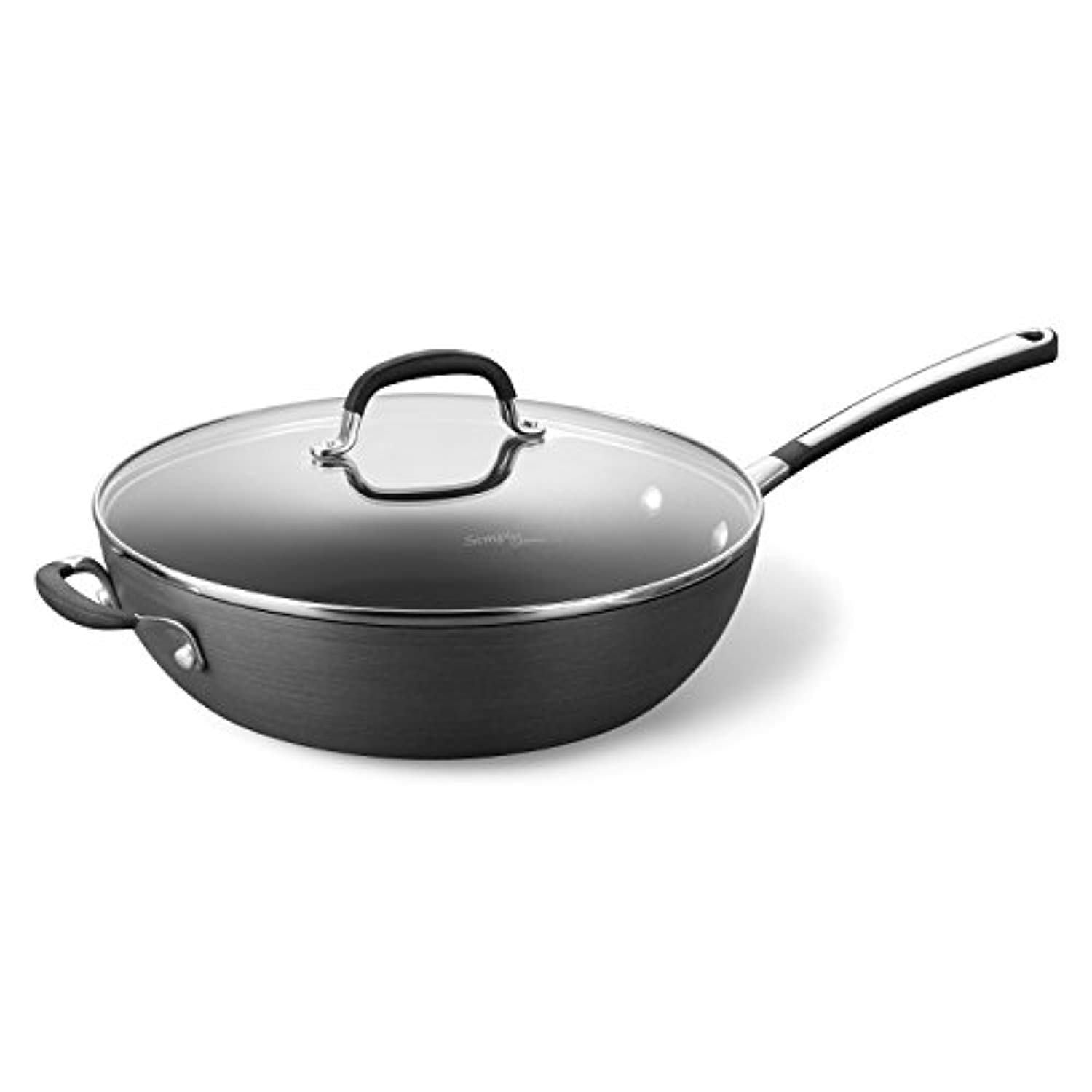
Different Calphalon Frying Pan Collections and Their Oven Safety
Calphalon makes several distinct product lines, and knowing which one you have is the first step to determining if your Calphalon frying pans are oven safe and to what temperature. Let's break down the main collections so you can identify your specific pan.
The Calphalon Classic line represents the budget-friendly option. These Calphalon frying pans are typically oven safe to around 350 degrees Fahrenheit. They're made with a non-stick surface that works well for everyday cooking, but they're not designed for extreme heat. The Contemporary collection offers a step up, usually oven safe to 400 degrees Fahrenheit, with improved non-stick performance and more durable construction. If you own a Calphalon frying pan from this line, you have a bit more flexibility with oven temperatures.
Calphalon's Premium and Signature collections represent their higher-end offerings. These Calphalon frying pans often feature hard-anodized construction and are typically oven safe to 500 degrees Fahrenheit. The hard-anodized process creates a surface that's three times harder than traditional aluminum, which makes these Calphalon frying pans much more heat resistant. If you have one of these premium Calphalon frying pans, you're in luck because you can use them for nearly any oven cooking scenario.
Calphalon also makes stainless steel frying pans, which are generally oven safe to higher temperatures than non-stick versions. Stainless steel can handle temperatures up to 500 or even 600 degrees Fahrenheit in some cases, though you still need to check the specific product information for your Calphalon frying pan. The non-stick coating isn't the issue with stainless steel—the handle and any other components are what limit the temperature rating.

How to Identify Your Calphalon Frying Pan's Oven Safety Rating
Finding your Calphalon frying pan's exact oven-safe temperature is simpler than you might think, though it requires a bit of detective work. The best place to start is checking for markings directly on the pan or handle. Many Calphalon frying pans have the temperature rating printed right on the bottom or the handle itself, often in small text that's easy to miss.
If you can't find markings on your Calphalon frying pan, look for the product manual or original packaging. Calphalon includes detailed specifications about oven safety in these materials. You can also check the Calphalon website by searching for your specific model number, which is usually printed on the bottom of your Calphalon frying pan. The model number makes it easy to find exact specifications for whether your Calphalon frying pans are oven safe and to what temperature.
Another approach is to examine your Calphalon frying pan's construction closely. If it has a metal handle, it can likely handle higher oven temperatures than a silicone or plastic handle. Hard-anodized pans look darker and feel smoother than regular non-stick pans. If your Calphalon frying pan has this darker surface, you can probably safely use it at higher temperatures. When in doubt, start with a lower temperature and work your way up. I always recommend erring on the side of caution with cookware—it's better to cook a bit longer at a lower temperature than to risk damaging your Calphalon frying pan or your food.
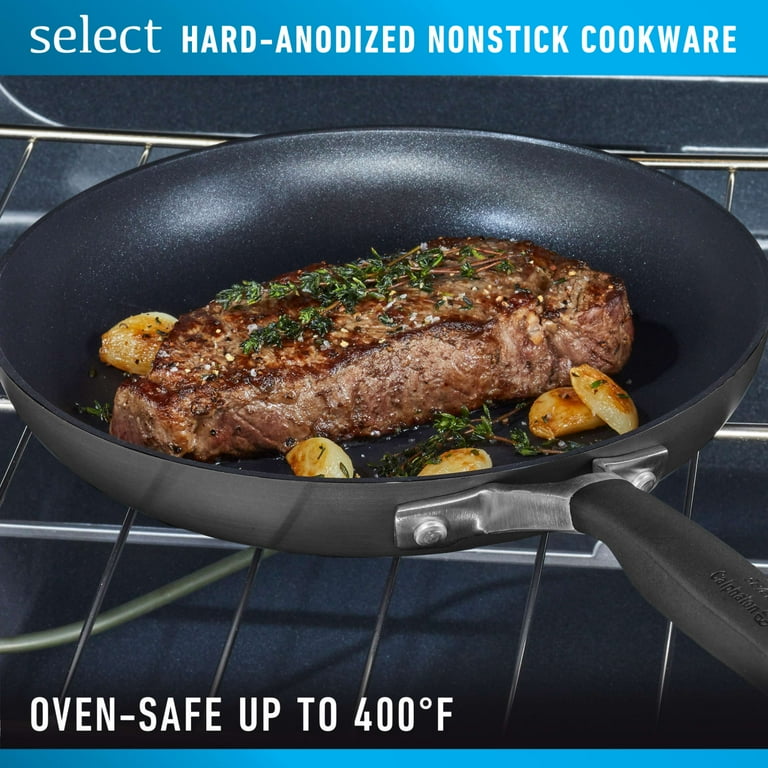
Safe Practices for Using Calphalon Frying Pans in the Oven
Knowing that your Calphalon frying pans are oven safe is just half the battle. Actually using them correctly in the oven is what keeps your cookware in great condition and your meals delicious. There are several best practices that will extend the life of your Calphalon frying pan and ensure safe cooking.
Always preheat your Calphalon frying pan gradually if you're moving it from the stovetop to the oven. Sudden temperature changes can warp the bottom of the pan or damage the non-stick coating. If you're starting fresh in the oven, place your Calphalon frying pan on a middle rack rather than directly under a broiler or near intense heat sources. This gives you more control over the temperature and reduces the risk of overheating.
Use an oven mitt when handling your Calphalon frying pan, even if the handle doesn't look hot. Metal handles especially can conduct heat rapidly, and you can easily burn yourself. If your Calphalon frying pan has a silicone handle, remember that it can still get extremely hot in the oven. I've grabbed a Calphalon frying pan handle at 375 degrees thinking the silicone would protect me, and I was wrong. That silicone transfers heat beautifully, which is why an oven mitt is non-negotiable.
Never put a hot Calphalon frying pan directly into cold water. The thermal shock can damage the non-stick coating and warp the pan. Instead, let it cool on the stovetop first, or at minimum run cool water over it gradually while it's still warm. This simple habit will keep your Calphalon frying pans in excellent condition for years to come.

Common Mistakes People Make with Calphalon Frying Pans in the Oven
After working with countless home cooks and cookware enthusiasts, I've noticed patterns in how people misuse their Calphalon frying pans in the oven. Learning from these mistakes will save you from frustration and wasted food.
The most common error is exceeding the temperature limit listed on your Calphalon frying pan. People often assume that if a pan works on the stovetop at high heat, it can handle the same heat in the oven. This isn't true because non-stick coatings have specific temperature thresholds. When you push your Calphalon frying pans beyond their rated temperature, the non-stick surface begins to break down. The coating doesn't disappear overnight, but repeated exposure to excessive heat gradually reduces the non-stick properties.
Another frequent mistake is not reading the care instructions specific to your Calphalon frying pan. Different product lines have different recommendations, and assuming all Calphalon frying pans are oven safe to the same temperature is a dangerous assumption. I've seen people ruin beautiful Calphalon frying pans by ignoring the manual, thinking they were being careful when they were actually ignoring critical safety information.
Some people also make the mistake of using metal utensils on non-stick Calphalon frying pans, especially when they're worried about the oven-safe temperature. If you scratch the non-stick coating, it won't perform well even at safe temperatures. Stick with silicone or wooden utensils to protect your Calphalon frying pans.
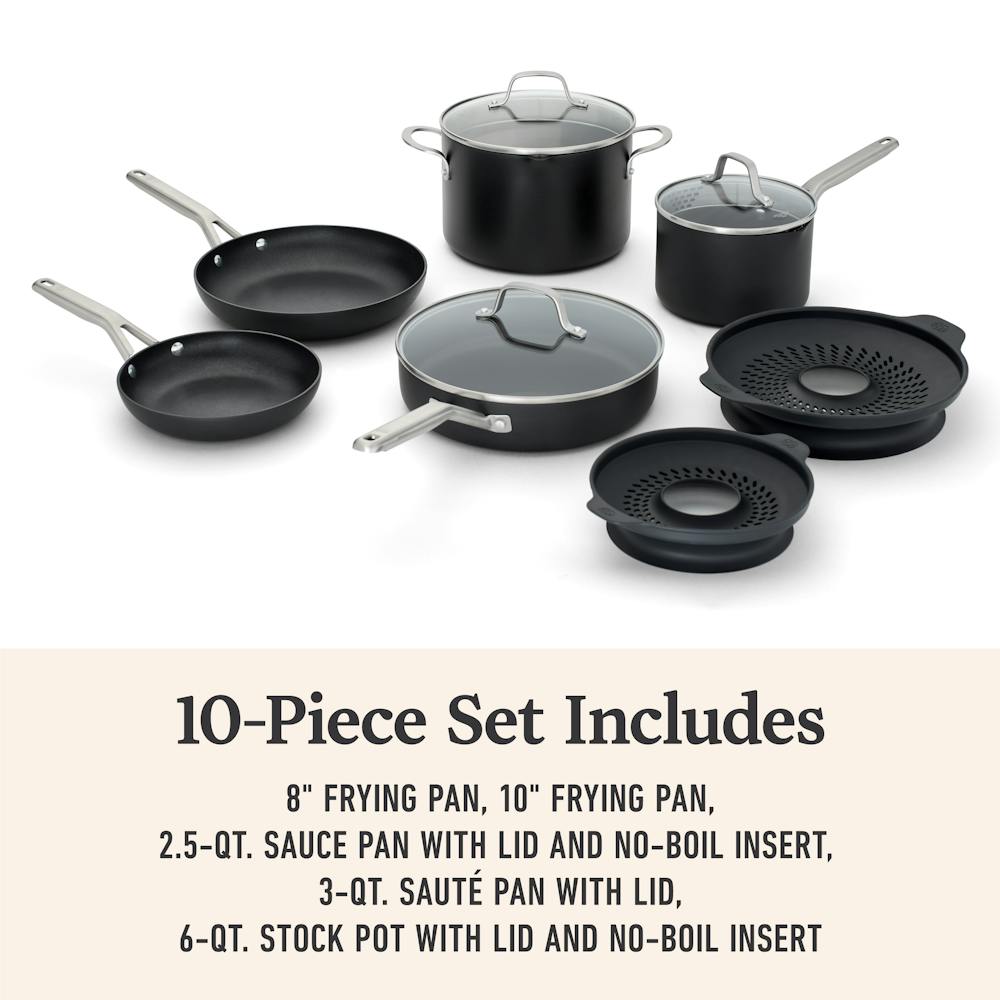
Comparing Calphalon Frying Pans to Other Brands
When evaluating whether Calphalon frying pans are oven safe, it's helpful to understand how they compare to competitor brands. This context helps you understand what you're working with and whether your Calphalon frying pan is performing as expected.
Most mainstream cookware brands fall into similar categories as Calphalon. T-fal and Cuisinart non-stick frying pans typically have oven-safe ratings between 350 and 400 degrees Fahrenheit, which is right in line with standard Calphalon frying pans. These brands all use similar non-stick coating technologies, so their temperature limitations are comparable. If you're considering switching to a different brand, you won't find dramatically different oven-safe temperatures with most mass-market cookware.
Premium brands like All-Clad and Le Creuset offer higher oven-safe temperatures, sometimes reaching 500 to 600 degrees Fahrenheit or even higher. However, these come with significantly higher price tags than Calphalon frying pans. For home cooks, the Calphalon frying pan's oven-safe ratings are typically more than sufficient for most recipes. You're unlikely to need to cook at temperatures higher than what your Calphalon frying pan can handle unless you're doing specialized cooking or professional-level work.
Cast iron and stainless steel options often have higher oven-safe temperatures than non-stick Calphalon frying pans, but they have different cooking properties and maintenance requirements. Non-stick Calphalon frying pans offer convenience and ease of cleaning that cast iron can't match, making them a practical choice for most home kitchens.

Real-World Scenarios for Using Calphalon Frying Pans in the Oven
Understanding when and how to use your Calphalon frying pans in the oven opens up new cooking possibilities. Let me share some practical scenarios where oven-safe Calphalon frying pans really shine.
Searing and finishing is probably the most common use case. You might sear a steak or chicken breast on the stovetop, then transfer the Calphalon frying pan to a preheated oven to finish cooking. This technique works beautifully when your Calphalon frying pans are oven safe to at least 400 degrees Fahrenheit. The residual heat and even cooking environment of the oven completes the cooking process perfectly while keeping the outside nice and caramelized.
Frittatas and shakshuka are wonderful oven dishes that benefit from a Calphalon frying pan. You start the dish on the stovetop, then slide your oven-safe Calphalon frying pan into the oven to finish. The eggs cook gently and evenly without the risk of burning the bottom. This is one of my favorite weeknight dinners because it comes together quickly when I have an oven-safe Calphalon frying pan ready to go.
Roasting vegetables and proteins works excellently in a Calphalon frying pan. Since Calphalon frying pans are oven safe, you can use them for roasting at 375 to 425 degrees Fahrenheit, depending on your specific pan's rating. The non-stick surface means less sticking and easier cleanup compared to regular baking sheets. I often roast chicken thighs with vegetables in my oven-safe Calphalon frying pan, and the results are consistently delicious.
Some recipes call for starting a dish on the stovetop and finishing it in the oven, and this is where oven-safe Calphalon frying pans become invaluable. Dutch oven-style cooking, bread baking on cast iron, and many braise-style dishes all benefit from the ability to transition from stovetop to oven seamlessly.
When Not to Use Your Calphalon Frying Pan in the Oven
Just because Calphalon frying pans are oven safe doesn't mean you should use them in every oven scenario. There are situations where your Calphalon frying pan isn't the best choice, and recognizing these situations prevents damage and ensures better cooking results.
Never use your Calphalon frying pans under a broiler, even if the temperature seems like it should be fine. Broilers create intense, direct heat that can exceed your pan's rated temperature in localized spots. The non-stick coating on your Calphalon frying pans isn't designed to handle broiler heat, and you risk damaging the pan irreversibly. Broiler cooking requires cast iron, stainless steel, or specifically broiler-rated cookware.
Avoid using your Calphalon frying pans for extended cooking at the maximum temperature. If your Calphalon frying pan is rated oven safe to 400 degrees, cooking at 400 degrees for an hour is riskier than cooking at 350 degrees for the same time. The non-stick coating degrades faster at higher temperatures, so reserving the maximum temperature for shorter cooking times is wise.
Don't use your Calphalon frying pans if the handle shows signs of damage or wear. If the silicone looks cracked or the metal handle is loose, the oven-safe rating no longer applies. Damaged handles can fail in the oven, potentially leading to spills or burns.

Maintaining Your Oven-Safe Calphalon Frying Pans
Proper care extends the life of your oven-safe Calphalon frying pans and keeps them performing beautifully through years of use. The maintenance habits you develop today directly impact whether your Calphalon frying pans will remain oven safe and functional years from now.
Always hand wash your Calphalon frying pans after oven use, even if they're labeled as dishwasher safe. The intense heat from the oven combined with the additional stress of the dishwasher can accelerate wear on the non-stick coating. Gentle hand washing with warm soapy water and a soft sponge is the best approach. I've noticed that my Calphalon frying pans stay in better condition when I skip the dishwasher, even though it takes a couple of extra minutes.
Dry your Calphalon frying pans immediately after washing. Leaving them wet can lead to spotting and water marks, and over time, moisture can affect the integrity of the non-stick coating. A simple kitchen towel does the job perfectly and takes just a few seconds.
Store your Calphalon frying pans carefully to avoid scratching the non-stick surface. If you stack them, place a paper towel or thin cloth between the pan and whatever's sitting on top of it. This prevents scratches that can compromise the non-stick surface and potentially reduce the pan's oven-safe performance.
Periodically check the handle and base of your Calphalon frying pan for any signs of damage. If you notice loose rivets, cracks in the handle, or warping on the bottom, the pan's oven-safe rating may be compromised. Minor issues can sometimes be addressed, but it's often better to replace the pan than to risk damage in the oven.
Frequently Asked Questions
What is the maximum oven temperature for Calphalon frying pans?
The maximum oven temperature depends on which Calphalon frying pan collection you own. Standard non-stick Calphalon frying pans typically reach 350 degrees Fahrenheit, Contemporary models often go to 400 degrees, and hard-anodized Premium or Signature lines can reach 500 degrees Fahrenheit. Always check your specific product manual or the markings on your Calphalon frying pan to confirm the exact rating, as exceeding this temperature can damage the non-stick coating and compromise the integrity of your pan.
Can I use my Calphalon frying pan under the broiler?
No, you should not use your Calphalon frying pans under a broiler. Broilers create extremely intense, concentrated heat that can exceed your Calphalon frying pan's rated temperature in specific areas and damage the non-stick coating irreversibly. Even if the broiler temperature seems within your pan's range, the localized heat under a broiler is simply too intense for non-stick cookware. Stick to regular oven cooking for your oven-safe Calphalon frying pans.
Are all Calphalon frying pans oven safe?
Most Calphalon frying pans are oven safe, but the temperature rating varies significantly between product lines. Nearly all Calphalon frying pans are oven safe to at least 350 degrees Fahrenheit, but some older models or specialty lines might have lower ratings. Always verify your specific Calphalon frying pan's oven-safe temperature by checking the product information or contacting customer service if you're unsure.
How do I know if my Calphalon frying pan is oven safe?
Look for temperature markings on the bottom of your pan or on the handle—most Calphalon frying pans have this information printed directly on the cookware. Check your product manual or original packaging, which should include detailed specifications about whether your Calphalon frying pans are oven safe and to what temperature. You can also visit the Calphalon website and search for your model number, which is usually stamped on the bottom of the pan. This will give you definitive information about your specific Calphalon frying pan.
What happens if I exceed my Calphalon frying pan's oven-safe temperature?
Exceeding your Calphalon frying pan's oven-safe temperature can cause several problems. The non-stick coating may begin to break down, reducing its effectiveness on future cooking sessions. The handle could soften or become unstable if it has silicone or plastic components. The pan itself might warp slightly from the heat stress. Repeated exposure to temperatures above the rating accelerates these issues significantly. In extreme cases, you might damage the pan permanently, making it unsafe for any future use.
Can I put my Calphalon frying pan with food directly into a preheated oven?
Yes, you can put your oven-safe Calphalon frying pan with food directly into a preheated oven, but add it carefully to avoid splashing. However, if you're starting with a cold pan and cold food, preheating the oven first and then adding the Calphalon frying pan can cause thermal stress. The best practice is to preheat your oven and allow your Calphalon frying pan a few minutes to adjust to the oven temperature before adding food, or start with room-temperature food to minimize temperature shock on the cookware.
Wrapping It All Up
Your Calphalon frying pans have tremendous potential beyond stovetop cooking, and understanding their oven-safe capabilities opens up countless delicious possibilities. Most Calphalon frying pans are oven safe within specific temperature ranges, typically between 350 and 500 degrees Fahrenheit depending on the model you own. The key to success is identifying your exact pan's rating and respecting that limitation while enjoying all the benefits of oven cooking.
The investment you make in understanding your cookware pays dividends through years of reliable cooking. When you know your Calphalon frying pans are oven safe and use them properly, you get years of performance with minimal maintenance. Every time you successfully finish a meal in the oven using your oven-safe Calphalon frying pan, you're not just cooking—you're building confidence in your kitchen skills and taking better care of your cookware.
Start today by checking your Calphalon frying pan's specifications if you haven't already. Take five minutes to locate the temperature rating, write it down, and keep that information handy. Then try one of those cooking scenarios I mentioned—a frittata, seared protein, or roasted vegetables. Experience firsthand how your oven-safe Calphalon frying pan can transform your cooking process. Your meals will be better, your cleanup will be easier, and your Calphalon frying pans will reward you with years of excellent service. Share your Calphalon frying pan success stories in the comments below, and let me know which cooking techniques you're most excited to try.