
Most KitchenAid food processor parts are top-rack dishwasher safe, but always check your manual first.
I’ve used KitchenAid food processors for years and I know the common worry: are kitchenaid food processor dishwasher safe? This guide breaks down which parts you can wash in the dishwasher, which parts need hand washing, and best steps to keep your machine working for years. Read on for clear, tested advice and quick tips you can use after every meal.
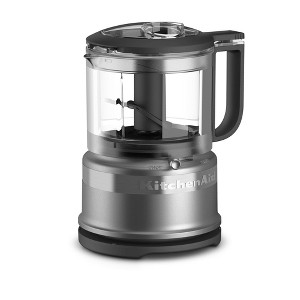
Are KitchenAid food processor components dishwasher safe?
Many KitchenAid parts are made to handle dishwasher cycles. The bowl, lid, and some discs often say they are dishwasher safe. Still, heat and harsh detergents can shorten plastic life and dull blades.
When people ask, are kitchenaid food processor dishwasher safe, the short truth is parts are usually safe on the top rack. The motor base is never dishwasher safe. Always remove metal blades and wash them carefully or place them on the top rack in a cutlery basket.
- Parts usually dishwasher safe: plastic bowl, lid, pusher, and some discs on top rack.
- Parts to hand wash: sharp steel blades, sealed gaskets, and the motor base.
- Motor base care: wipe with a damp cloth only. Never submerge or run through the dishwasher.

How to clean KitchenAid food processor safely
Use a simple routine. Rinse parts right away to avoid dried-on food. Place safe parts on the top rack only and use a gentle cycle.
When people ask are kitchenaid food processor dishwasher safe, I tell them to pick the low-heat setting. Skip heated dry. This lowers the risk of warping and keeps seals intact. For blades, soak briefly and scrub with a brush, not the dishwasher. Dry all parts before reassembly to prevent mold.
- Rinse parts right after use to stop food from sticking.
- Use the top rack and a gentle cycle only.
- Hand wash blades and gaskets to protect sharp edges and seals.
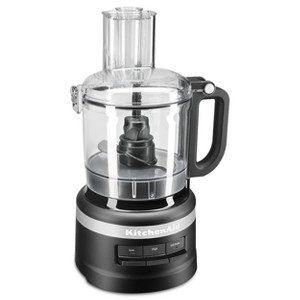
Which KitchenAid models and parts are dishwasher safe
KitchenAid makes many models. Most entry-level and mid-range bowls are dishwasher safe. Higher-end parts may use glass or stronger plastics that handle dishwasher water better.
If you search are kitchenaid food processor dishwasher safe by model, check the user guide or the label on the part. Older bowls can discolor in the dishwasher. Metal accessories like dough blades may be dishwasher safe but can tarnish or blunt faster when washed in a machine.
- Check the part label or manual for a dishwasher-safe icon.
- Top-rack placement is recommended even for parts labeled dishwasher safe.
- When in doubt, hand wash to extend life.

Common mistakes and how to avoid damage
Putting every part in the dishwasher is a common mistake. Heat can warp plastic. Strong detergent can cloud surfaces and eat at seals.
When users ask are kitchenaid food processor dishwasher safe, they often forget the gasket and blades. These parts can fail if treated badly. Avoid the heated dry cycle and do not place parts near heating elements. Replace gaskets and seals when they show wear to keep the unit leak-free.
- Never put the motor base in the dishwasher.
- Avoid heated dry or sanitize cycles.
- Replace worn gaskets to prevent leaks and motor strain.

My personal experience and practical tips
I owned a KitchenAid food processor for five years. I used the dishwasher for bowls and lids on the top rack. I always hand-washed blades and the seal. This routine cut cleaning time and kept my machine working strong.
I learned a few things the hard way. One time I used heated dry and watched a plastic lid warp. Since then I run cold rinse and air dry. When people ask are kitchenaid food processor dishwasher safe, I share this tip: treat parts gently, and they will last longer.
- Place parts on top rack and use cool or normal wash, not heated dry.
- Hand wash blades and seal to avoid wear.
- Inspect parts for warping, clouding, or cracks after a few uses.

Frequently Asked Questions of are kitchenaid food processor dishwasher safe
Are the blades dishwasher safe?
Most blades can go in the dishwasher, but hand washing is safer to keep them sharp and rust-free. Use a brush and mild soap if you wash by hand.
Can I put the bowl and lid in the dishwasher?
Yes, the bowl and lid are often top-rack dishwasher safe. Check your model’s manual to confirm.
Is the motor base dishwasher safe?
No. The motor base must never go in the dishwasher. Wipe it with a damp cloth only.
Will dishwasher detergent damage parts?
Strong detergents and high heat can cause clouding or warping over time. Use gentle detergent and avoid heated dry cycles.
How do I dry parts after the dishwasher?
Air dry or towel dry immediately to prevent water spots and to protect gaskets. Make sure all parts are fully dry before reassembly.
Can I run small discs in the dishwasher?
Small discs can usually go on the top rack in a secure spot. Washing them by hand reduces the risk of bending or losing them.
Conclusion
Knowing which parts are safe helps you clean fast and keep your KitchenAid working well. Most bowls and lids are top-rack dishwasher safe, but blades, gaskets, and the motor base need gentle care. Use low heat, skip heated dry, and inspect parts often to avoid surprises. Try the simple routine here and protect your investment—wash smart, not just fast. If this helped, leave a comment about your model or cleaning tip, or subscribe for more hands-on appliance advice.