
Not all meat thermometers are oven safe, and using the wrong type can damage your thermometer or create safety hazards. Understanding which meat thermometers can withstand oven temperatures is crucial for anyone who loves to cook. Whether you're roasting a chicken, baking a turkey, or grilling a steak, knowing the answer to "are meat thermometers oven safe" can save you from costly mistakes and ensure accurate temperature readings every time. I've spent years in the kitchen testing various thermometers, and I've learned firsthand which ones truly perform under heat and which ones fall short. Let me walk you through everything you need to know about oven-safe meat thermometers so you can make the right choice for your cooking needs.

Understanding Meat Thermometer Types
When you're shopping for a meat thermometer, you'll encounter several different types, and not all of them are created equal when it comes to oven safety. The main categories include analog dial thermometers, digital instant-read thermometers, wireless remote thermometers, and smart thermometers. Each type has its own temperature tolerance and design considerations. Understanding these differences is the first step in figuring out which meat thermometers are oven safe and which ones should stay out of the heat.
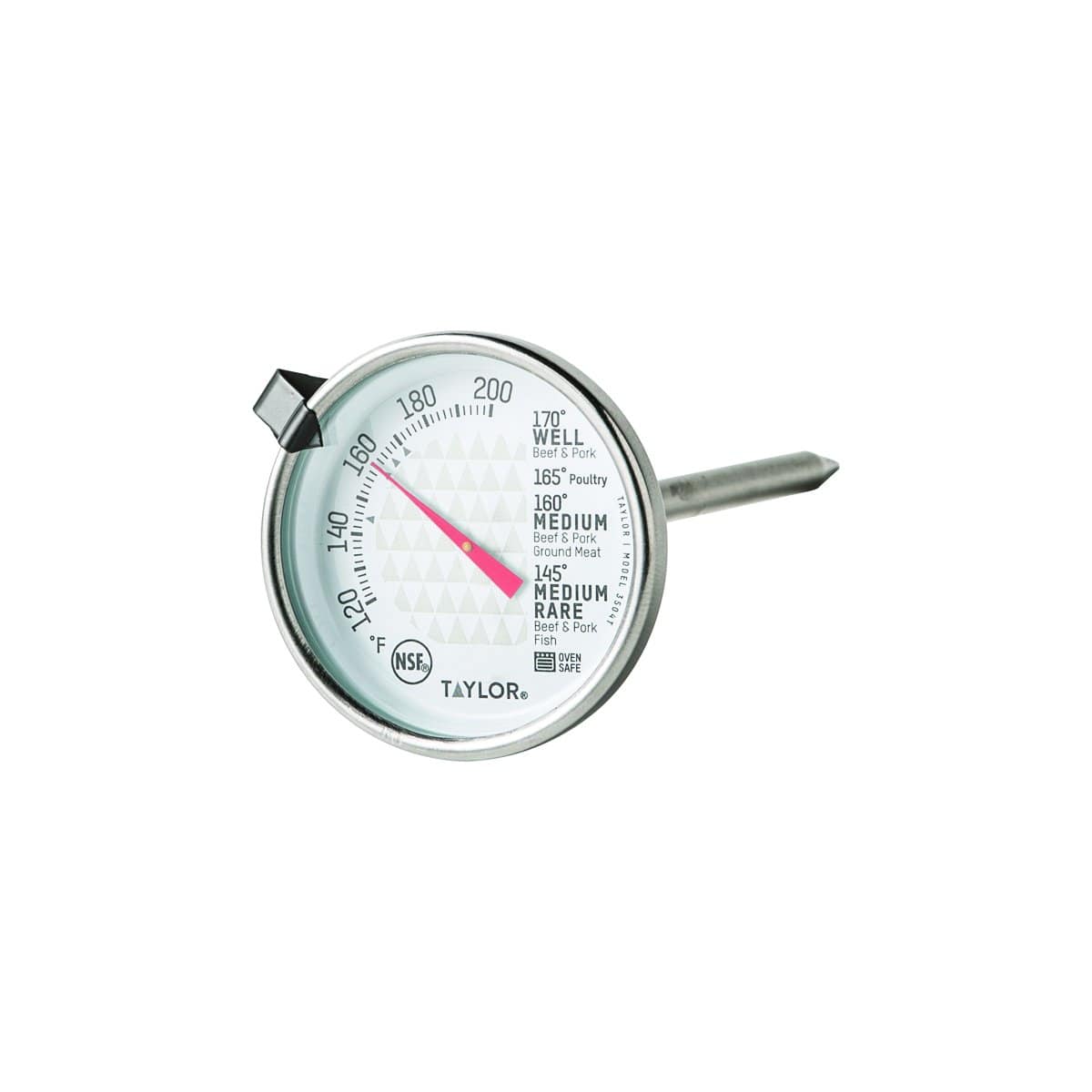
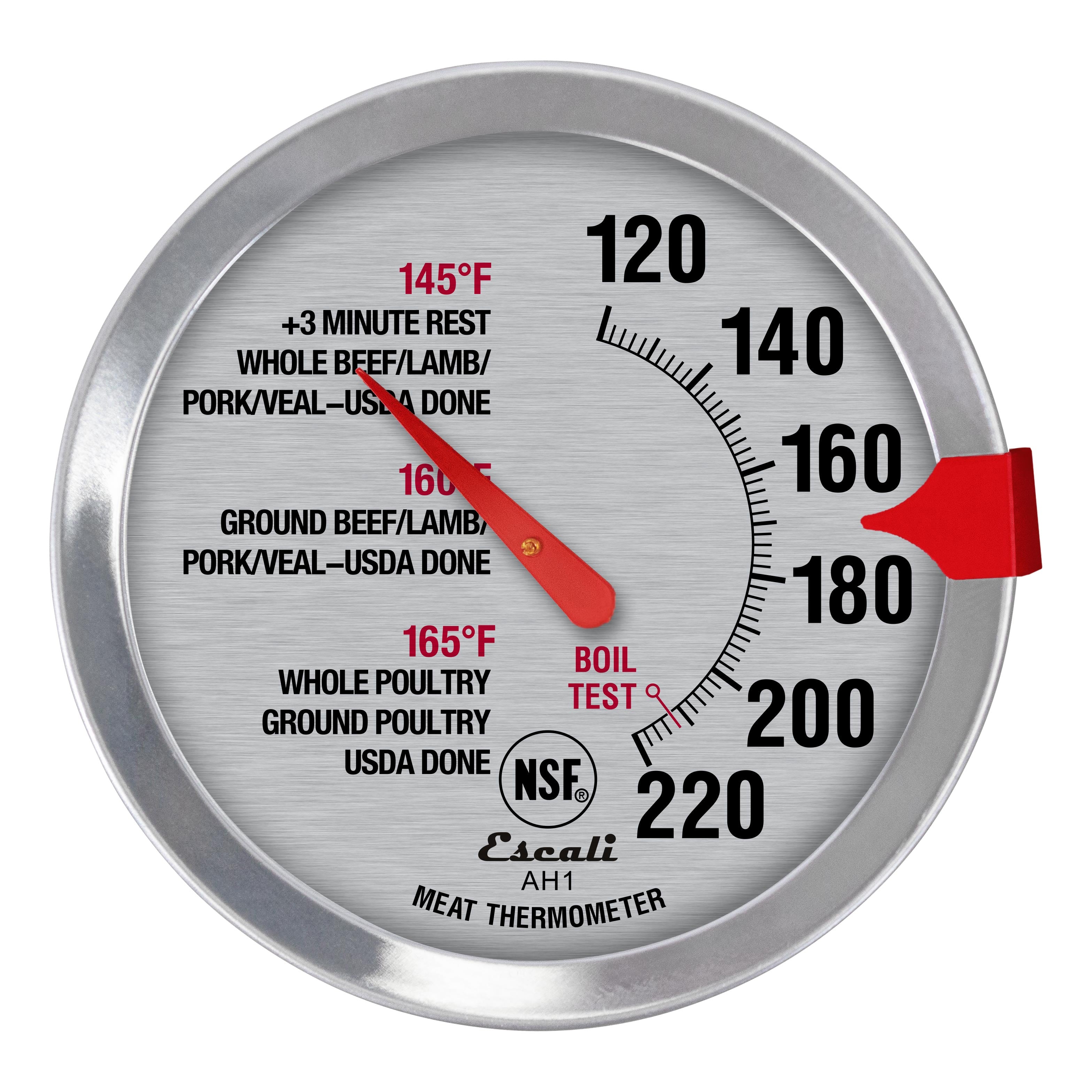
Analog dial thermometers are the traditional metal stick thermometers you've probably seen in your grandmother's kitchen. These typically feature a metal probe with a dial face that shows the temperature. Many analog thermometers can handle oven temperatures up to 400 degrees Fahrenheit or higher, making them genuinely oven safe. However, the quality varies between brands, so you'll want to check the manufacturer's specifications before leaving one in your oven for extended periods.
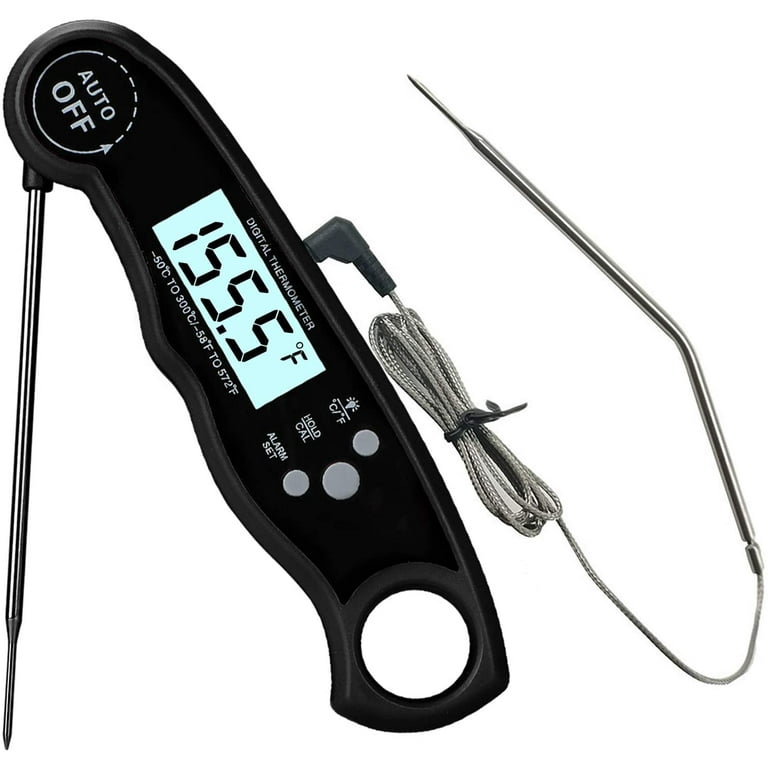
Digital instant-read thermometers are the modern convenience pick that many home cooks love. These handheld devices give you a quick temperature reading within seconds. Most digital instant-read thermometers are not designed to stay in the oven during cooking, as the digital display and battery can be damaged by high heat. The general rule is that these meat thermometers are not oven safe, and you should only use them to check temperatures briefly after removing food from the heat.
Wireless remote thermometers represent the next level of cooking technology. These consist of a probe that stays in the food and a receiver unit that transmits temperature data wirelessly. The probe itself might be oven safe, but you need to keep the receiver unit away from direct heat. Always check your specific model's instructions to see if the probe on your meat thermometers is oven safe for the entire cooking duration.
Smart thermometers and app-connected devices are the newest trend in cooking technology. Many of these are designed with oven-safe probes that can remain in the meat throughout the cooking process. These sophisticated meat thermometers often offer Bluetooth or Wi-Fi connectivity to send temperature updates to your phone. Before purchasing, verify that your chosen smart thermometer's probe is truly oven safe and can withstand the temperatures you plan to use.
What Makes a Meat Thermometer Oven Safe
The key to understanding whether meat thermometers are oven safe lies in their construction materials and design specifications. A truly oven-safe meat thermometer must be built with heat-resistant materials that won't melt, warp, or malfunction when exposed to prolonged oven temperatures. The probe is typically the most heat-resistant part, usually made from stainless steel or similar durable metals that can handle sustained heat exposure.
The display mechanism is where most meat thermometers run into trouble with oven safety. If your meat thermometers have a digital display with a battery compartment, that electronic component cannot be submerged in water or exposed to extreme heat for extended periods. The plastic casing around these components will begin to degrade at around 140 to 150 degrees Fahrenheit, which is well below typical oven temperatures. This is why most digital meat thermometers are not oven safe, despite having heat-resistant probes.
Heat tolerance varies significantly among different meat thermometers on the market. Some oven-safe options can handle temperatures up to 500 degrees Fahrenheit or beyond, while others max out at around 350 degrees. The thermometer's ability to maintain accuracy at these high temperatures is equally important. A meat thermometer that becomes inaccurate above 400 degrees might technically be heat resistant, but it won't give you reliable readings for your cooking needs.
Material quality directly impacts whether meat thermometers are oven safe for the long term. Premium meat thermometers often feature reinforced stainless steel probes and waterproof seals that protect the internal components. Budget-friendly options might have plastic components that deteriorate quickly or seals that fail when exposed to heat. Investing in a quality oven-safe meat thermometer often means better durability and more consistent performance over time.

Oven-Safe Meat Thermometer Options
If you're specifically looking for meat thermometers that are oven safe, you have several proven options to consider. Analog dial thermometers remain the most reliably oven-safe option available. These traditional meat thermometers can typically handle any standard oven temperature without issue, and they don't require batteries or digital components that might fail. The main drawback is that you need to read the dial physically, which requires you to open the oven door and check progress.
Oven-going meat thermometers with large stainless steel probes and heat-resistant dials are specifically designed for this purpose. These meat thermometers feature dials that remain readable even after prolonged heat exposure. Many come with removable handles or heat-resistant grips that make them easier to retrieve from the oven. The price point for quality oven-safe analog meat thermometers typically ranges from $10 to $30, making them an affordable investment.
Probe-style meat thermometers designed for ovens combine traditional analog technology with modern convenience. These meat thermometers stay in the food during the entire cooking process, allowing you to monitor the internal temperature without opening the oven. The probe connects to an external dial or digital readout outside the oven, so the sensitive electronics remain in a cooler environment. This design represents an excellent middle ground for home cooks who want accuracy without sacrificing convenience.
Premium oven-safe meat thermometers with wireless or Bluetooth capability have revolutionized how many cooks monitor doneness. These meat thermometers feature oven-safe probes that transmit temperature data to your smartphone or a wireless receiver. The convenience of checking your meat's temperature from another room without opening the oven door is hard to beat. However, these meat thermometers typically cost more than traditional options, ranging from $30 to $100 or more depending on features.
Best Practices for Using Meat Thermometers in the Oven
Using meat thermometers safely in the oven requires more than just knowing which models are oven safe. Proper placement of your meat thermometer is essential for getting accurate temperature readings. The probe should be inserted into the thickest part of the meat, away from bone, fat, or the cooking pan. For poultry, the ideal location is the inner thigh without touching bone. For roasts, aim for the center of the thickest section to ensure the entire piece reaches the target temperature.
Insertion depth matters when determining if your meat thermometers are giving you reliable readings. Most meat thermometers require at least one inch of insertion into the meat for accurate temperature measurement. If the probe isn't inserted deeply enough, it might read the surface temperature rather than the true internal temperature. This common mistake leads many cooks to think their food is done before it actually is, potentially creating food safety issues.
Monitoring temperature progression helps you understand how your meat thermometers perform and when your food will reach doneness. Start checking temperatures about three-quarters of the way through your expected cooking time. If your meat thermometers show the food is already done, you can remove it from the oven immediately. If it's still far from the target temperature, you'll know to adjust your cooking time accordingly for future reference.
Cleaning and maintenance of your meat thermometers ensures they remain oven safe and accurate over time. After each use, wipe the probe with a damp cloth and dry it thoroughly. Avoid submerging the entire thermometer in water unless the manufacturer specifically states that your meat thermometers are waterproof. Store them in a cool, dry place away from direct sunlight or extreme temperature fluctuations. Proper care extends the lifespan of your meat thermometers and maintains their accuracy.

Common Mistakes to Avoid
One of the biggest mistakes home cooks make is assuming all meat thermometers are oven safe because the probe is metal. Just because the probe itself can handle heat doesn't mean the entire thermometer is designed for prolonged oven exposure. The display unit, battery compartment, and connecting components might not share the same heat tolerance as the probe. Always check the manufacturer's specifications before leaving any meat thermometer in your oven for extended cooking periods.
Leaving a digital instant-read thermometer in the oven during cooking is a mistake I see frequently, and it's the quickest way to damage your thermometer. These meat thermometers are designed for quick temperature checks, not sustained oven use. The batteries will drain faster in the heat, the electronic components can malfunction, and the plastic display can warp or crack. Use instant-read thermometers only to briefly check temperatures after pulling food from the oven or using a quick touch method.
Ignoring temperature limits is another common error that can compromise your meat thermometers' accuracy and longevity. Even if your meat thermometers are rated as oven safe, exceeding the manufacturer's recommended maximum temperature will cause problems. High-heat broiling or extremely hot oven settings can damage meat thermometers even if they're normally fine at standard roasting temperatures. Always stay within the specified range to ensure your meat thermometers perform correctly.
Inserting the thermometer too early in the cooking process leads many cooks to misuse their meat thermometers. If you insert a thermometer before the outside of the meat has cooked, it can create a pathway for bacteria to enter the interior. Wait until at least the outside is browned and some cooking time has elapsed before inserting your meat thermometers. This practice ensures food safety while also protecting your thermometer from unnecessary heat exposure.
Safe Temperature Guidelines for Different Meats
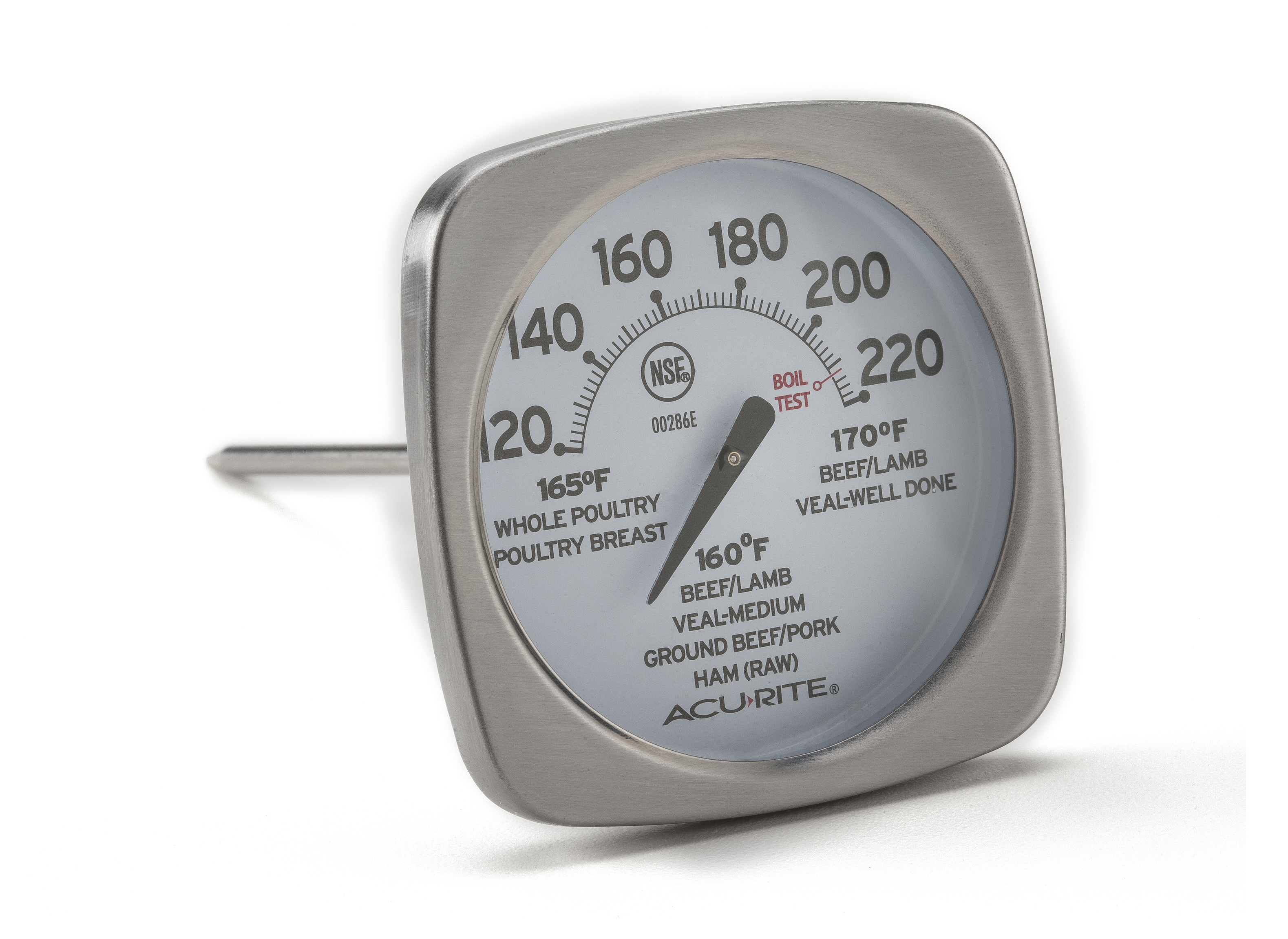
Knowing the correct internal temperatures for different meats helps you use your meat thermometers properly and ensure food safety. Ground meats, including beef, pork, lamb, and veal, should reach an internal temperature of 160 degrees Fahrenheit. Ground poultry should reach 165 degrees Fahrenheit. Using your meat thermometers to verify these temperatures prevents undercooked food and potential foodborne illness.
Whole poultry and parts like chicken breasts, thighs, and turkey should reach 165 degrees Fahrenheit in the thickest part. For poultry, your meat thermometers should be placed in the inner thigh without touching bone for the most accurate reading. Whole turkeys can take several hours to reach this temperature, making oven-safe meat thermometers invaluable for monitoring progress without repeatedly opening the oven door.
Beef and pork have more flexibility in doneness levels depending on how you prefer your meat prepared. Rare beef reaches 125 degrees Fahrenheit, medium-rare reaches 135 degrees, medium reaches 145 degrees, and well-done reaches 160 degrees. Pork should reach a minimum of 145 degrees Fahrenheit, followed by a three-minute rest. Your meat thermometers give you the precision to achieve your preferred doneness level consistently.
Lamb follows similar guidelines to beef, with rare at 125 degrees, medium-rare at 135 degrees, and medium at 145 degrees Fahrenheit. Fish and seafood should reach 145 degrees Fahrenheit, and you can use your meat thermometers to verify this in thicker cuts. Egg dishes should reach 160 degrees Fahrenheit for food safety. Having reliable meat thermometers takes the guesswork out of these varying temperature requirements.

Comparing Oven-Safe vs Non-Oven-Safe Thermometers
Understanding the differences between oven-safe and non-oven-safe meat thermometers helps you make the right purchase for your cooking style. Oven-safe meat thermometers typically feature simpler designs with fewer electronic components. Non-oven-safe digital meat thermometers offer more features like digital displays, wireless connectivity, and app integration. The trade-off is that these advanced features require components that can't withstand sustained oven heat.
Cost considerations play a significant role in choosing between oven-safe and non-oven-safe meat thermometers. Basic oven-safe analog meat thermometers cost very little, often under $15. Non-oven-safe digital meat thermometers with basic features range from $20 to $40. Premium wireless or smart meat thermometers that are oven safe can cost $50 to $150 or more. Your budget and cooking frequency should influence which type of meat thermometer makes sense for your kitchen.
Durability is typically higher with oven-safe meat thermometers due to their simpler construction and lack of electronic components. Oven-safe analog meat thermometers have been used reliably for decades with minimal maintenance. Non-oven-safe digital meat thermometers can experience battery issues, electronic malfunctions, or display problems more frequently. If durability is your priority, traditional oven-safe meat thermometers often prove more reliable over the long term.
Accuracy and responsiveness differ between these two categories of meat thermometers. Oven-safe analog meat thermometers can be accurate to within 1 or 2 degrees but take longer to register temperatures. Non-oven-safe digital meat thermometers respond within seconds and often have accuracy within 1 degree. For many cooking applications, the quick response time of non-oven-safe digital meat thermometers outweighs the accuracy difference of analog options.
Personal Experience with Oven-Safe Meat Thermometers
I've tested numerous meat thermometers over my years of cooking, and I've learned valuable lessons about which ones truly are oven safe and which ones disappoint. My first oven-safe meat thermometer was a simple analog dial model that I still use today after more than a decade. It's survived countless roasts, turkeys, and hams without losing accuracy or reliability. This experience taught me that sometimes the simplest solutions are the best investments.
I made the mistake early in my cooking journey of leaving a digital instant-read thermometer in the oven during a turkey's cooking time. The battery died halfway through cooking, the plastic display warped, and I had to buy a replacement. This costly mistake made me realize the importance of checking whether meat thermometers are oven safe before using them for extended periods. Now I carefully read specifications and test thermometers before relying on them for important meals.
My experience with wireless oven-safe meat thermometers has been overwhelmingly positive. Hosting dinner parties became much less stressful when I could check my roast's temperature without opening the oven every few minutes. The wireless feature of these meat thermometers gives me peace of mind and allows me to focus on side dishes or entertaining guests. However, I learned to keep the receiver unit away from the stove to prevent interference and ensure accurate temperature transmission.
I've also learned that having multiple types of meat thermometers in my kitchen serves different purposes. My oven-safe analog thermometer stays in the oven for long roasts. A digital instant-read thermometer serves as my backup for quick checks. A wireless meat thermometer handles special occasions and larger gatherings. This multi-thermometer approach has eliminated the guesswork from my cooking and improved my results significantly.

Frequently Asked Questions
Can I leave any meat thermometer in the oven while cooking?
No, only thermometers specifically designed as oven safe should be left in the oven during cooking. Most digital instant-read meat thermometers will be damaged by prolonged heat exposure. Always check the manufacturer's specifications to confirm whether your meat thermometer is oven safe before leaving it in the oven for extended periods.
What temperature can oven-safe meat thermometers handle?
Most oven-safe meat thermometers can handle temperatures between 350 and 500 degrees Fahrenheit, though this varies by model. Analog dial meat thermometers generally tolerate higher temperatures than models with electronic components. Check your specific thermometer's manual to determine its maximum temperature rating and ensure you don't exceed these limits.
Is a meat thermometer probe safe in the oven if the display is outside?
Yes, this design is specifically meant to keep oven-safe meat thermometers safe and functional. The probe can withstand oven heat, while the display and electronics remain in a cooler environment outside the oven. This setup protects the sensitive components of meat thermometers while still allowing continuous temperature monitoring during cooking.
How do I know if my meat thermometer is oven safe?
Check the product packaging, user manual, or manufacturer's website for specifications about whether meat thermometers are oven safe. Look for temperature ratings and specific statements about oven compatibility. If you're unsure, contact the manufacturer directly before risking damage to your meat thermometer by putting it in the oven.
Can I use a meat thermometer probe without the digital display in the oven?
This depends on how the meat thermometer is designed and whether the probe can function independently. Some wireless meat thermometers have fully oven-safe probes, while others require connection to the display unit. Most traditional meat thermometers combine the probe and display into one unit, so separating them isn't possible or practical for most meat thermometers.
Wrapping Up Your Meat Thermometer Choices
The question of whether meat thermometers are oven safe doesn't have a one-size-fits-all answer, but now you have the knowledge to make informed decisions for your kitchen. Traditional analog dial meat thermometers remain the most reliable oven-safe option, offering simplicity and durability without requiring batteries or electronic components. Modern wireless and smart meat thermometers provide convenience and precision while maintaining oven-safe probes, though they come at a higher price point. Understanding the differences between oven-safe and non-oven-safe meat thermometers empowers you to choose the right tool for each cooking situation.
Start by assessing your cooking habits and determining which type of oven-safe meat thermometer aligns with your needs. If you frequently roast large cuts of meat or whole poultry, investing in an oven-safe thermometer will eliminate the frustration of repeatedly opening the oven door to check progress. For more casual cooking or grilling, a quality digital instant-read thermometer paired with careful attention to cooking time might serve you better. Remember that combining multiple thermometer types gives you flexibility and backup options for important meals.
Take action today by checking your current meat thermometers against the information you've learned here. Verify whether your meat thermometers are oven safe by consulting the manufacturer's specifications or contacting customer support directly. If you find that your current thermometer isn't suitable for oven use, consider adding an oven-safe option to your kitchen toolkit. Share your meat thermometer experiences in the comments below, and let me know which types have worked best for your cooking adventures.