
Steam ovens are worth it if you prioritize quality results, efficiency, and professional-grade baking.
If you've been curious about whether a steam oven deserves a place in your kitchen or bakery, you're asking the right question. Steam ovens have revolutionized the way bakers and home cooks approach their craft, but they're not a one-size-fits-all solution. Understanding whether steam ovens are worth the investment requires looking at how they perform, what they cost, and how they fit into your cooking style. This guide will walk you through everything you need to know about steam ovens—from their unique benefits to their real limitations—so you can make an informed decision that's right for your needs.

What Exactly Is a Steam Oven?
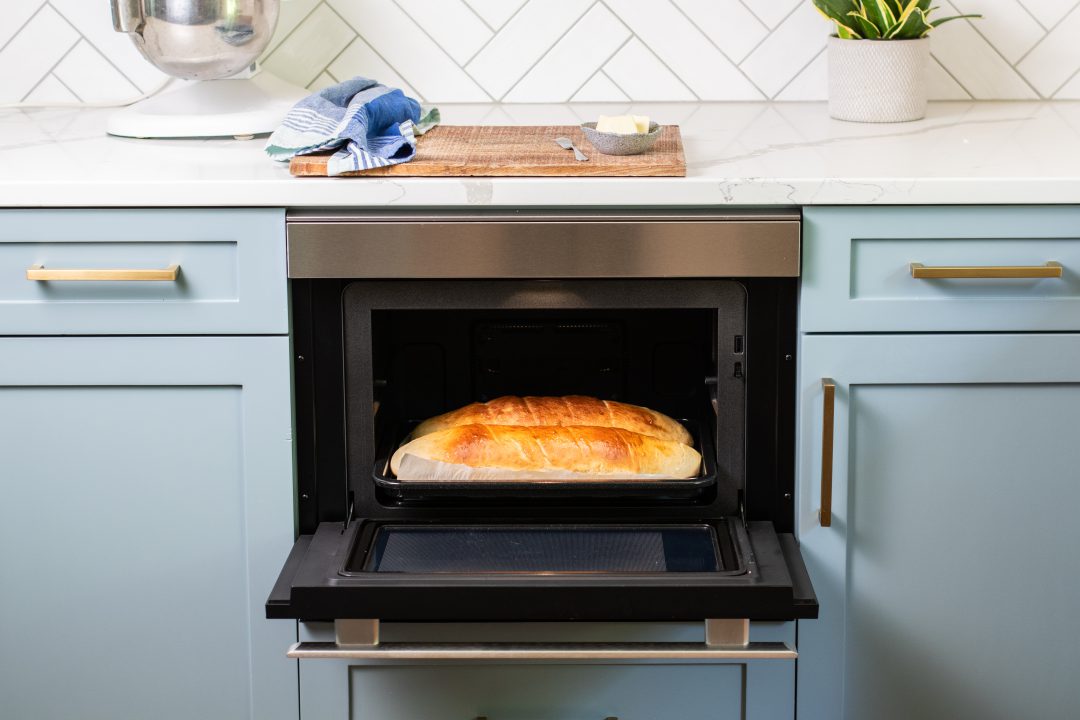
A steam oven is a specialized cooking appliance that injects moisture into the cooking chamber during the baking process. Unlike traditional ovens that rely on dry heat, steam ovens combine heat with controllable steam to create an ideal environment for baking bread, pastries, and other baked goods. The steam helps the crust develop beautifully while keeping the interior moist and fluffy.
Think of it this way: when you bake bread in a regular oven, the dough's surface dries out quickly and sets into a crust. But with a steam oven, the moisture in the air keeps the dough flexible longer, allowing it to expand more fully. This gives you better oven spring—that impressive rise you see in artisan bakery loaves. Professional bakeries have used steam ovens for decades, and now they're becoming increasingly accessible to serious home bakers who want professional-quality results.
Steam ovens come in different styles. Some are dedicated steam ovens that use steam exclusively, while others are combi ovens that can switch between steam and dry heat modes, or use them together. This flexibility makes combi steam ovens particularly attractive for home cooks who want versatility alongside steam functionality.

How Steam Ovens Work
Understanding how steam ovens function helps clarify why they're worth the investment for certain bakers. Steam ovens operate using one of two main methods: injection systems or tank-based systems. Injection systems pull water directly from a water line and convert it into steam on demand, while tank-based systems use a pre-filled water reservoir that heats up to create steam. Both approaches give you precise control over humidity levels throughout your bake.
The magic happens when steam meets dough. During the first phase of baking, steam keeps your bread's crust from setting too quickly. This extended window allows the dough to rise fully and develop that characteristic crackly exterior that artisan breads are famous for. Meanwhile, the interior stays tender and open-crumbed because the moisture prevents premature crust formation.
Most steam ovens allow you to control when steam is applied—some use it during the entire bake, while others let you inject steam only in the first ten to twenty minutes. This level of precision is difficult to achieve in a home convection oven, even with makeshift methods like placing a pan of boiling water inside. Professional bakers rely on this consistency, and that's a key reason why steam ovens are worth it for anyone serious about baking.

The Real Benefits of Steam Ovens
When considering whether steam ovens are worth it, the benefits speak loudly. Let me share what makes them genuinely valuable for bakers who want to level up their game.
The most obvious benefit is superior crust quality. Steam oven bread develops that gorgeous golden-brown exterior with the crispy, shatteringly thin crust that home bakers dream about. You simply cannot achieve this level of crust development in a traditional home oven. If you've ever been disappointed by bread that looks pale or tastes tough, a steam oven changes that equation completely.
Beyond crust quality, steam ovens deliver consistent results. Because you can control humidity and temperature precisely, your bakes become predictable. This is huge if you're baking regularly. You won't have one beautiful loaf followed by a disappointing one—steam ovens remove much of the guesswork that plagues home bakers.
Steam ovens also expand what you can bake successfully. Artisan sourdough, French baguettes, ciabatta, and other traditionally difficult breads become manageable. Croissants and laminated doughs benefit from the steam environment, staying more tender inside while developing flaky layers. Even cookies and pastries often bake more evenly because steam ovens typically offer superior temperature distribution.
Here are other significant benefits:
• Professional-quality results without professional experience—steam oven design compensates for technique gaps
• Faster baking times in many cases since steam allows dough to expand more efficiently
• Better hydration handling so you can work with higher-moisture doughs that create more open crumb structures
• Energy efficiency in some models, particularly combi ovens that optimize heat distribution
• Versatility with combi models that let you switch between steam, dry heat, and combination modes for different applications
If you're someone who's invested time learning to bake and frustrated by inconsistent results, these benefits genuinely make steam ovens worth it. I've seen home bakers transform their output after getting a steam oven, moving from edible but mediocre bread to genuinely impressive loaves.

Investment Cost: Are Steam Ovens Worth the Price?
Let's address the elephant in the room: steam ovens cost money, and often quite a bit. This is where the "are steam ovens worth it" question gets really personal.
Entry-level steam ovens start around two thousand to three thousand dollars for compact residential models. Mid-range options typically fall between four thousand and eight thousand dollars, while commercial-grade steam ovens can exceed fifteen thousand dollars easily. If you're considering a combi oven with both steam and convection capabilities, expect to pay toward the higher end of these ranges.
This is a significant investment, so it's fair to ask yourself whether it fits your situation. For professional bakers, bakery owners, and serious enthusiasts baking several times per week, steam ovens are absolutely worth the investment. The quality of your output directly impacts your business or reputation, so the return justifies the cost. For someone who bakes occasionally, the justification becomes trickier.
Consider your baking frequency and aspirations. If you bake artisan bread weekly and dream of opening a bakery someday, a steam oven makes sense as an investment in your skills and trajectory. If you bake a few times per year and mostly make simple loaves, you might not recover that value. The middle ground—bakers who want excellent results and take their hobby seriously—often find steam ovens worth it because they elevate your output so dramatically.
Installation and operation costs matter too. Some steam ovens require dedicated water and electrical lines, adding installation expenses. Tank-based systems need regular refilling, while injection systems need adequate water pressure and filtration. These ongoing costs are typically modest but shouldn't be ignored when calculating total investment.
One helpful perspective: think of a steam oven purchase like upgrading from a basic camera to a professional one. The camera won't make you a great photographer, but it removes technical limitations that hold back your work. Similarly, a steam oven won't teach you to bake, but it removes the environmental constraints that often frustrate home bakers.

Space and Installation Considerations
Before deciding that steam ovens are worth it for your situation, you need to honestly assess your space. Steam ovens are substantial appliances that require proper placement and ventilation.
These ovens generate significant moisture, so adequate ventilation is essential. They typically need to be vented to the outside, which isn't always feasible in home kitchens. Poor ventilation can cause moisture problems throughout your home, so this isn't something to improvise around. If you're renting or live in an apartment, steam oven installation might be impossible, which immediately answers whether they're worth it for you—they're not if you can't properly set them up.
Counter space and kitchen layout matter considerably. A residential steam oven typically occupies about three feet of counter space and stands around three feet tall. This is substantial real estate that needs to be permanently dedicated. Countertop models work for serious home bakers with dedicated baking spaces, but apartment dwellers and those with tight kitchens face real constraints.
Electrical requirements also factor in. Many steam ovens require dedicated circuits and substantial amperage. Older homes with limited electrical capacity might need upgrades before installation becomes possible. Getting an electrician assessment beforehand prevents expensive surprises.
The good news is that proper installation, while sometimes challenging, sets up your steam oven for years of reliable use. If you can work through these logistics, the hassle becomes a one-time investment that continues paying dividends. That's part of why steam ovens are worth it for committed bakers—the installation hurdle, once cleared, stops being relevant.
Maintenance and Ongoing Care
Steam ovens require regular maintenance, and understanding this responsibility helps determine whether they're worth it for your lifestyle. Unlike traditional ovens, steam ovens have additional components that need attention.
Water quality directly impacts maintenance. Hard water creates mineral buildup inside the steam generation system, reducing efficiency and potentially causing damage. If you have hard water, you'll need to either install a water filtration system or regularly descale your oven. This is an ongoing commitment, though not overly burdensome. Most manufacturers recommend descaling monthly or quarterly, depending on water hardness and usage frequency.
Cleaning steam ovens is generally easier than traditional ovens because steam moisture prevents baked-on residue from sticking as stubbornly. Most spills wipe clean with minimal effort. The main maintenance task involves checking seals and gaskets to ensure steam doesn't escape, which would reduce efficiency and waste energy.
Tank-based steam ovens need water refilling before each use or set of bakes, which adds a minor but regular chore. Injection system ovens are more convenient since they connect to your water line, though they're slightly more complex mechanically. Either way, maintenance is straightforward enough that it shouldn't deter you if everything else makes steam ovens worth it for your needs.
When maintenance is done consistently, steam ovens last many years. I've seen residential models running strong after fifteen years of regular use, which spreads the initial investment across many seasons of baking. That longevity supports the argument that steam ovens are worth it—they're not disposable appliances but long-term kitchen investments.
Comparing Steam Ovens to Alternatives
To fully evaluate whether steam ovens are worth it, let's compare them to other options available to home bakers.
Traditional convection ovens are far more affordable but deliver inconsistent steam-dependent results. You can create makeshift steam environments by placing water-filled pans in your oven, but this is messy, imprecise, and often ineffective. Many bakers try this first and become frustrated with its limitations, which eventually leads them to consider whether steam ovens are worth it.
Dutch ovens are another popular budget-friendly alternative. These cast iron pots trap steam when you bake bread inside them, producing decent crusts for much less money. Dutch ovens work surprisingly well for simple round loaves and have converted many home bakers toward artisan bread making. However, they limit you to specific shapes, can't accommodate larger batches easily, and eventually lead serious bakers back to wondering if steam ovens are worth it for scaling up their practice.
Combi ovens that offer both steam and convection function as a middle ground. They're more expensive than convection-only ovens but offer greater versatility than dedicated steam ovens. If you want to bake everything from bread to roasted vegetables, combi ovens are worth it because they handle multiple cooking methods. However, if bread is your primary interest, a dedicated steam oven gives you better control and often superior results at a lower price point.
Commercial bakery equipment is worth mentioning too. Some ambitious home bakers buy used commercial steam ovens, which can be surprisingly affordable but require serious space, electrical infrastructure, and ventilation. They're overkill for most home situations but worth considering if you're genuinely planning to bake professionally.
When you weigh steam ovens against these alternatives, they represent a genuine upgrade in capability and consistency. Whether that upgrade is worth it depends on your commitment level and available resources.

Real-World Results: What You Can Expect
Understanding realistic outcomes helps determine whether steam ovens are worth it for your actual needs. Let me be honest about what changes and what doesn't.
Steam ovens absolutely improve bread quality. The difference is noticeable immediately. Your first loaf from a new steam oven will likely be significantly better than what you've been producing. The crust will be darker, crispier, and more striking. The interior will be more open and tender. This isn't subtle—friends and family notice immediately.
However, steam ovens don't compensate for poor technique or low-quality ingredients. A steam oven can't rescue over-fermented dough or save you from using bread flour instead of all-purpose flour when recipes require the distinction. The oven is an enabler, not a savior. If your fundamentals are shaky, a steam oven won't fix that—you'll still need to improve your baking knowledge and skills.
The consistency factor is profound. Once you dial in your techniques and understand your oven's quirks, you get remarkably consistent results. This removes a major source of frustration for home bakers. You can reliably produce excellent bread, which is deeply satisfying and makes steam ovens worth it psychologically even before considering quality improvements.
Time investment changes too. You'll spend more time baking because the results become good enough that you want to bake frequently. You're also likely to experiment more, trying different hydrations, fermentation schedules, and techniques because the oven gives you a better platform for testing ideas. For some people this is wonderful, but if you value simplicity, it's something to consider.
Production volume increases naturally. What used to be one mediocre loaf becomes three excellent loaves in the same timeframe. Your freezer will fill up, which is both a blessing and a logistical consideration. Are steam ovens worth it if you end up with more bread than you can reasonably consume or gift? That's a personal question that depends on your situation.
Who Should Buy Steam Ovens?
This is the core question that determines whether steam ovens are worth it for your specific circumstances. Let me break down different baker profiles and honest assessments for each.
Professional bakers and bakery owners should unequivocally invest in steam ovens if they can afford them. The quality improvements directly impact your business, customer satisfaction, and reputation. This is a business tool that pays for itself through product quality and customer loyalty. For professionals, steam ovens are absolutely worth it.
Serious home enthusiasts who bake multiple times weekly should strongly consider steam ovens. You have enough baking volume to justify the investment, and your commitment level suggests you'll use the equipment fully. The quality improvements will genuinely enhance your life and hobby satisfaction. For this group, steam ovens are usually worth it.
Home bakers interested in learning bread making at an advanced level should consider whether investing in a steam oven fits their timeline and resources. If you're committed to improving significantly, a steam oven removes environmental constraints and accelerates your learning. However, consider starting with Dutch ovens or traditional ovens to confirm your commitment before making a large purchase. For learners, steam ovens might be worth it eventually, but not necessarily immediately.
Casual bakers who bake occasionally should honestly assess whether steam ovens are worth it for their situation. The large upfront investment and space requirements might not align with sporadic baking. Focus on mastering fundamentals with simpler equipment first. You can always upgrade later if your baking becomes more frequent or ambitious.
People with kitchen or space constraints probably shouldn't invest in steam ovens. If you're in an apartment, have ventilation challenges, or lack dedicated space, steam ovens aren't worth it regardless of how much you want them. Forcing a steam oven into an unsuitable situation creates problems that eliminate the benefits.
Social media influencers and content creators should consider steam ovens because they help create the visually impressive results that drive engagement. Your audience responds to beautiful bread, and steam ovens reliably deliver it. For content creation, steam ovens are likely worth it as a business investment.

Frequently Asked Questions
How much water does a steam oven use?
Steam ovens use surprisingly little water. A typical bake uses less than one cup of water, which is converted entirely into steam. For tank-based systems, refilling every few bakes is standard. Injection systems pull water on demand from your water line, so you never think about refilling.
Can you use a steam oven for other foods besides bread?
Absolutely. Steam ovens excel at baking pastries, croissants, cookies, and cakes. Some models handle roasted vegetables, proteins, and other non-baking applications when using dry heat modes or reduced steam settings. Combi ovens offer the most versatility for non-bread applications.
Do steam ovens require special installation?
Most steam ovens require dedicated electrical circuits, proper ventilation to the outside, and sometimes a water line connection. Installation complexity varies by model and your home's existing infrastructure. Budget for professional installation rather than DIY to ensure proper setup and safety.
What's the difference between a steam oven and a convection oven with humidity controls?
Dedicated steam ovens inject true steam into the chamber for precise moisture control. Convection ovens with humidity controls attempt to mimic this but typically deliver less dramatic results. Steam ovens offer superior control and more consistent professional-quality outcomes.
How long does a steam oven typically last?
Quality residential steam ovens last fifteen to twenty years or longer with regular maintenance. Commercial models often exceed twenty years of heavy use. Longevity depends on maintenance consistency, water quality, and usage patterns. This lifespan supports the investment value when considering whether steam ovens are worth it.
Can steam ovens be installed outdoors?
Some steam ovens can be installed in covered outdoor kitchens or patios, provided they're protected from weather and receive proper ventilation. However, most residential models are designed for indoor use. Check manufacturer specifications before assuming outdoor installation is possible.
Conclusion
Steam ovens are genuinely worth it for bakers who are committed to consistent, high-quality results and have the space, resources, and infrastructure to support them properly. The investment delivers real improvements in crust quality, consistency, and what you can accomplish as a baker. For professionals and serious enthusiasts, steam ovens represent one of the best kitchen investments you can make.
However, they're not universal solutions. If you bake occasionally, have space constraints, or haven't yet confirmed your commitment to bread baking, steam ovens might be worth waiting on. Start with fundamentals, build your skills with simpler equipment, and revisit the question as your baking practice evolves.
The honest truth is this: steam ovens remove technical limitations that hold back home bakers, but they can't substitute for foundational knowledge and consistent practice. Once you've invested in learning proper techniques and have the dedication to use them frequently, steam ovens transform your baking from good to genuinely impressive.
Evaluate your situation against the factors discussed—space, budget, baking frequency, and technical feasibility. If most of these factors align favorably, steam ovens are definitely worth it. Take your time with this decision, research specific models that fit your needs, and connect with bakers who own steam ovens to hear about their real-world experiences. Your baking future will thank you for making a thoughtful choice.