Most Tefal pans are oven safe up to 160-180°C, depending on the specific model and handle type. If you're a home cook who loves using pans both on the stovetop and in the oven, you've probably wondered whether your Tefal cookware can handle the heat. This question is more important than you might think, especially when you're planning to finish off a dish in the oven or need versatile cookware that works for multiple cooking methods. Understanding whether your Tefal pans are oven safe will help you use them confidently and avoid damaging your cookware or ruining your meal.

Understanding Tefal Pan Construction
Tefal has been a trusted name in non-stick cookware for decades, and their pans are engineered with both stovetop and oven use in mind. The brand manufactures pans with different handle materials and designs, which directly affects their oven safety rating. Most Tefal pans feature either silicone, plastic, or metal handles, and each type has different temperature limits. Knowing what your pan is made of is the first step in determining whether it's safe to pop into your oven.
The non-stick coating itself is typically very durable and can handle oven temperatures quite well. The real limitation usually comes down to the handles and any other components attached to the pan. For instance, if your Tefal pan has a removable silicone handle, that will have a lower temperature threshold than the pan body itself. This is why it's crucial to check your specific pan's manual or packaging to see what the manufacturer recommends.
What Temperature Are Most Tefal Pans Oven Safe To?
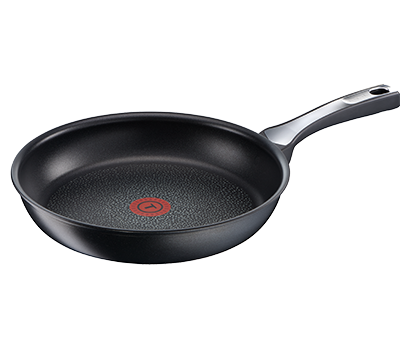
When it comes to oven safety, most Tefal pans can handle temperatures between 160°C and 180°C (320°F to 356°F). Some premium lines from Tefal extend this to 200°C (392°F) or even higher, so you'll want to check your specific model. The temperature rating is usually stamped on the bottom of the pan or mentioned in the product documentation that came with your cookware.
The variation in temperature ratings comes from different handle types and construction methods. Tefal's basic line with silicone handles typically tops out at 160°C, while their professional-grade cookware with metal handles might reach 180°C or higher. If you've lost your manual, you can often find this information on the Tefal website by searching for your pan model number, or you can contact their customer service team for quick clarification.
One thing I've learned from years of cooking is that just because a pan can handle a certain temperature doesn't mean you should always push it to the limit. Using your pans slightly below their maximum temperature rating will extend their lifespan and keep the non-stick coating in better condition for longer.

Types of Tefal Pans and Their Oven Safety Ratings
Not all Tefal pans are created equal, and understanding the different product lines helps you know what to expect. Tefal offers several cookware collections, each designed for different cooking styles and budget levels, and they each have distinct oven safety characteristics.
Tefal Ultimate Hard Anodized Collection
The Ultimate Hard Anodized line represents Tefal's premium cookware option with enhanced durability and heat resistance. These pans are typically oven safe up to 200°C (392°F), making them ideal for recipes that require finishing in the oven. The hard anodized aluminum construction is thicker and more heat-resistant than regular aluminum, which allows for higher temperature ratings. These pans are excellent for both professional and home cooks who want versatility in their cooking methods.
Tefal Ingenio Collection
The Ingenio line features Tefal's innovative detachable handle system, which is both convenient and practical. Most Ingenio pans are oven safe up to 170°C (338°F) when the handle is removed, which is actually a significant advantage. This means you can use the pan on the stovetop and then easily remove the handle before placing it in the oven. The removable handle feature makes these pans particularly practical for cooking tasks that require stovetop-to-oven transitions.
Tefal Non-Stick Everyday Cookware
The everyday cookware line includes Tefal's more basic and affordable options, which are still quality products. These pans typically have an oven safe rating of 160°C (320°F), which is sufficient for most everyday cooking tasks. While they won't handle the highest oven temperatures, they're perfect for casual home cooking and work well for most recipes that don't require extremely hot oven temperatures. The trade-off is lower cost and weight, making them easier to handle for everyday use.
Checking Your Specific Tefal Pan's Oven Safety
Finding out whether your specific Tefal pan is oven safe is straightforward once you know where to look. The easiest method is to check the bottom of your pan, where manufacturers typically stamp important information about the cookware. You might see symbols, temperature ratings, or specific instructions about oven use printed right there on the pan itself.
If the information isn't clearly visible on the bottom, check any paperwork that came with your pan when you purchased it. Most Tefal cookware includes a product guide or instruction manual that contains detailed oven safety information. Look specifically for phrases like "oven safe" followed by a temperature rating, or symbols that indicate maximum heat levels. This manual is your best resource for accurate information about your particular pan.
For pans you've owned for a long time or purchased secondhand, you can find information online using your pan's model number. Visit the official Tefal website and use their product search feature to locate your exact model and its specifications. You can also contact Tefal's customer service directly with your pan's model number, and they'll provide you with definitive information about oven safety. Taking a few minutes to verify this information upfront saves you from potential problems later.
Important Safety Tips for Using Tefal Pans in the Oven
Using your Tefal pans in the oven safely requires more than just knowing the temperature rating. There are several practical precautions you should take to ensure your cookware performs well and lasts for years to come. Following these guidelines will help you cook confidently and avoid damaging your investment.
Always Verify Temperature Ratings Before Use
Never assume your Tefal pan has a certain oven safe temperature without checking first. Different models and product lines have different ratings, and assumptions can lead to damaged cookware or compromised non-stick coating. Make it a habit to verify the temperature rating before attempting any oven cooking, especially if you're using someone else's cookware or a pan you haven't used in the oven before.
Remove Handles When Possible
If your Tefal pan has a removable handle, taking it off before oven cooking is a smart move. This not only protects the handle from heat damage but often allows you to use the pan at higher oven temperatures. The removable handle system was designed specifically to solve this problem, so take advantage of it when your recipe allows. Just remember to use an oven mitt or kitchen towel when handling the pan without its handle, as the metal or exposed edges will be hot.
Use Appropriate Baking Sheets or Trivets
Always place your Tefal pan on a stable baking sheet or trivet before putting it in the oven, especially if it contains liquid or food. This prevents spills and protects your oven's interior from damage. A sturdy baking sheet also helps distribute heat more evenly around the pan, which improves cooking results. Never place a Tefal pan directly on an oven rack without some support underneath.
Avoid Sudden Temperature Changes
Don't take a hot Tefal pan from the oven and immediately place it in cold water or on a cold surface. Rapid temperature changes can damage the non-stick coating and potentially warp the pan over time. Instead, let your pan cool gradually at room temperature before washing it. This simple habit will significantly extend the life of your cookware and keep the non-stick surface in better condition.
Keep the Oven Temperature Consistent
Fluctuating oven temperatures can affect how your food cooks and may put unnecessary stress on your cookware. Make sure your oven is properly preheated to the desired temperature before placing your Tefal pan inside. Check your oven's thermometer occasionally to ensure it's maintaining an accurate temperature, as inaccurate ovens can make you unknowingly exceed your pan's safe temperature limits.

Tefal Pan Handle Materials and Heat Resistance
The handle of your Tefal pan is the most critical component when determining oven safety. Different handle materials have dramatically different heat resistance levels, and understanding these differences helps you use your cookware safely and effectively. The handle type you have largely determines the maximum temperature your pan can handle in the oven.
Silicone Handles
Tefal pans with silicone handles are typically oven safe up to 160°C (320°F). Silicone is heat resistant but has a lower melting point than metal handles, which is why the temperature limit is lower. These handles are comfortable to hold and stay relatively cool during stovetop cooking, but they're the limiting factor when it comes to oven use. Silicone handles are durable and long-lasting if properly maintained, but they do require respecting their temperature limitations.
Plastic Handles
Some Tefal pans feature plastic handles, which generally have the lowest heat tolerance of any handle type. These handles are typically safe only up to 150°C (302°F) in the oven, so you need to be extra careful with these pans. Plastic handles offer excellent grip and comfort but aren't ideal for recipes requiring high oven temperatures. If your pan has a plastic handle, stick to lower temperature cooking methods or consider using the stovetop exclusively.
Metal Handles
Metal handles, particularly stainless steel, offer the highest heat tolerance and are found on premium Tefal cookware lines. These handles can typically handle oven temperatures up to 200°C (392°F) or higher, depending on the specific product line. Metal handles get hotter during cooking than silicone or plastic options, so you'll always need an oven mitt when handling them. The trade-off is superior heat resistance and the ability to use your pans for a wider range of cooking applications.
Removable Handles
The innovative removable handle system found on certain Tefal collections is a game changer for oven cooking. By removing the handle before oven use, you eliminate the handle as a limiting factor for temperature. This allows you to use pans with otherwise lower heat-resistant handles at higher oven temperatures when needed. The removable handle system is particularly useful if you like to sear on the stovetop and finish in a hot oven.

Common Mistakes to Avoid When Using Tefal Pans in the Oven
Throughout my years of cooking with various cookware brands, I've observed several common mistakes people make when using pans in the oven. Learning from these mistakes will help you protect your Tefal cookware and achieve better cooking results. Being aware of these pitfalls is the first step toward using your pans correctly and getting the most value from them.
Exceeding the Maximum Temperature
The most common mistake is simply using your pan at temperatures higher than its oven safe rating. This can damage the non-stick coating, warp the pan, or even damage the handle. Just because your oven goes to 250°C doesn't mean your Tefal pan can handle it. Always respect the manufacturer's temperature guidelines to keep your cookware in optimal condition.
Forgetting About the Handle
Many people forget to check what kind of handle their pan has before oven cooking. A handle that's fine on the stovetop might not be safe in the oven, or it might limit your oven temperature options. Take a moment to identify your handle type and know its heat limits. This simple check prevents accidents and extends your cookware's lifespan.
Using Metal Utensils on Non-Stick Surfaces
While this isn't specifically an oven issue, using metal utensils in your Tefal pan can damage the non-stick coating over time. Always use wooden, plastic, or silicone utensils to preserve the non-stick surface. A well-maintained non-stick coating performs better and lasts longer, giving you years of reliable cooking.
Not Preheating Properly
Failing to preheat your oven or your Tefal pan can lead to uneven cooking and unknown temperature exposure. Preheat your oven to the desired temperature and let it stabilize before placing your pan inside. Proper preheating ensures consistent cooking results and keeps temperature exposure within safe limits.
Washing Hot Pans Immediately
Placing a hot pan directly into cold water after oven use creates thermal stress that can damage the non-stick coating. Let your pan cool naturally after removing it from the oven, then wash it gently with warm water and mild soap. This approach maintains the integrity of the non-stick surface and prevents warping.

Making the Most of Your Tefal Pan's Oven Capabilities
Now that you understand your Tefal pan's oven safety limitations, you can use this knowledge to expand your cooking possibilities. Many delicious recipes benefit from stovetop-to-oven cooking, and your Tefal pan is designed to make this seamless. Learning how to work within your pan's capabilities opens up new cooking techniques and dishes you can confidently prepare.
Stovetop Searing and Oven Finishing
One of the best uses for oven-safe Tefal pans is the popular technique of searing proteins on the stovetop and finishing them in the oven. You can sear a beautiful crust on chicken, steak, or fish using high heat, then transfer the pan directly to the oven to cook through gently. This method produces perfectly cooked, restaurant–quality results that are hard to achieve using just one cooking method. Your Tefal pan's non-stick surface makes this transition smooth and easy.
One-Pan Meals
Tefal pans are perfect for creating one-pan meals that go from stovetop to oven. Sauté vegetables and proteins first, add your sauce or liquid, then finish everything in the oven for a complete, delicious meal. This approach reduces cleanup and makes weeknight cooking easier. The non-stick surface means less oil is needed, making these meals healthier as well.
Baked Pasta and Rice Dishes
Many pasta and rice dishes can be started on the stovetop and finished in the oven for creamy, evenly cooked results. Dishes like risotto, paella, and baked pasta all benefit from this cooking method. Your Tefal pan's heat distribution ensures even cooking throughout the dish. The non-stick surface also means cleanup is quick and easy after these hearty meals.
Frittatas and Egg-Based Dishes
Frittatas and other egg dishes are ideal for oven-safe cookware like Tefal pans. You can start your frittata on the stovetop to set the bottom, then finish it in the oven for fluffy, perfectly cooked eggs. This method gives you more control over the cooking process than attempting to flip a large pan. The result is a beautiful, evenly cooked dish that looks impressive at the table.

Frequently Asked Questions
Can I put my Tefal pan in the oven at 200°C?
It depends on your specific Tefal pan model. Most standard Tefal pans max out at 160-180°C, but premium lines can handle 200°C. Check your pan's manual or the bottom of the pan for temperature ratings before attempting this temperature.
Are Tefal pans with silicone handles oven safe?
Yes, Tefal pans with silicone handles are oven safe, but typically only up to 160°C (320°F). Silicone has a lower heat tolerance than metal, so respect this temperature limit to prevent handle damage.
Can I remove the handle from my Tefal pan for oven cooking?
Yes, if your Tefal pan has a removable handle, you can take it off before oven cooking. This protects the handle and often allows you to use the pan at higher oven temperatures without the handle limiting you.
What should I do if my Tefal pan isn't labeled with an oven safe temperature?
Find your pan's model number and search for it on the official Tefal website, or contact Tefal's customer service with the model number. They can provide you with the exact oven safe specifications for your cookware.
Is it safe to put a Tefal pan directly from the oven into cold water?
No, you should let your Tefal pan cool gradually at room temperature before washing it in water. Rapid temperature changes can damage the non-stick coating and potentially warp the pan over time.
Can Tefal non-stick coating handle oven temperatures safely?
Yes, Tefal's non-stick coating is designed to handle oven temperatures quite well. The coating itself typically isn't the limiting factor for oven safety, the handle and other components usually determine the temperature limits.
Conclusion
Understanding whether your Tefal pans are oven safe is essential for using them confidently and protecting your investment in quality cookware. Most Tefal pans can safely handle oven temperatures between 160°C and 200°C depending on the specific model and handle type, which opens up countless cooking possibilities for delicious stovetop-to-oven dishes. Taking a few minutes to check your pan's specific rating, understanding its handle material, and following proper oven cooking practices ensures your cookware stays in excellent condition for years to come.
The key to successful oven cooking with your Tefal pans is respecting their temperature limitations and handling them with care. Start by checking your pan's manual or the Tefal website to find your specific model's oven safe rating. Then use these guidelines to confidently expand your cooking techniques and try new recipes that benefit from oven finishing. Your Tefal pans are versatile tools ready to help you create restaurant-quality meals at home, so embrace their oven-safe capabilities and enjoy exploring new culinary possibilities with your cookware.