
Best and safest microplastic-free dish scrubber for your health: AIRNEX Bamboo Brush with sisal bristles.
You are rinsing a pan after cooking. Tiny bits of sponge fall into the sink. You think about what those bits might do in your body. I felt the same way. That is why I looked for the best and safest microplastic-free dish scrubber for your health. I tested many scrubbers, read labels, and watched how they wear. This review helps you pick a scrubber that is gentle on dishes, tough on grime, and free of microplastics.
Fun Fruit Dish Scrubber (3PK)

I keep a pack of these fruit-shaped sponges in my kitchen for quick jobs. They feel soft in my hand and scrub without harsh scratching. The shape fits small cups and corners well. They are light and dry fast after rinsing.
These sponges work best with mild soaps and gentle scrubbing. I noticed they can trap food bits if I don’t rinse well. They are low-cost and easy to replace. For many people, they are a fun, simple swap from old foam sponges.
Pros:
- Bright, ergonomic fruit shape fits hands and corners.
- Soft texture for non-stick and delicate cookware.
- Dries quickly when rinsed and wrung out.
- Inexpensive and easy to replace.
- Good for light daily washing and quick cleanups.
Cons:
- Not explicitly labeled microplastic-free.
- May shed small bits after heavy use.
- Limited heavy-duty scrubbing power.
My Recommendation
This fun fruit scrubber is best for quick washes and delicate items. I recommend it if you want a soft, user-friendly sponge for light jobs. It is not the best option if you need a guaranteed microplastic-free scrubber for your health.
| Best for | Why |
|---|---|
| Light daily washing | Soft surface cleans plates and glasses gently. |
| Kids’ chores | Fun shape makes washing easier and safer. |
| Budget shoppers | Low cost and widely available. |
Heart Non-Scratch Scrubber (3PK)

This heart-shaped scrubber is thicker and more durable than thin sponges. It feels solid in my palm and scrubs stuck-on food well. It claims to be non-scratch and odorless. I liked how it held up for weekly scrubbing chores.
It is a reusable option that replaces paper towels and cloths. The durable body makes it useful on pans, plates, and countertops. But it is not labeled as plastic-free. If you worry about microplastics, this scrubber may not meet your strictest needs.
Pros:
- Durable and long-lasting for many chores.
- Non-scratch design protects cookware surfaces.
- Odor-resistant material stays fresher between uses.
- Large size covers more surface area quickly.
- Reusable—reduces waste versus paper towels.
Cons:
- Material composition not fully transparent.
- Not guaranteed to be free of microplastics.
- Bulkier shape may not fit tight corners.
My Recommendation
I find the heart scrubber best for households that want a sturdy reusable tool. I like it when I need a bigger scrub surface but no heavy scraping. If your priority is the best and safest microplastic-free dish scrubber for your health, check the material details before buying.
| Best for | Why |
|---|---|
| Large dishes and counters | Big surface speeds up cleaning work. |
| Odor-sensitive users | Odor-resistant material stays fresh longer. |
| Reusable scrubbers | Sturdy build lasts across many uses. |
AIRNEX Bamboo Brush Set

I chose the AIRNEX Bamboo Brush because it uses natural materials. The handles are bamboo and the bristles are sisal. Sisal is plant-based and compostable. The set includes two brushes that work well on pots and pans.
This brush is my top pick when I want the best and safest microplastic-free dish scrubber for your health. I like that it sheds no plastic bits in the sink. The bristles are firm but not harsh on enamel or ceramic. I use it daily for pans, cast iron, and stubborn food residue.
Pros:
- Plastic-free bristles made from sisal plant fibers.
- Bamboo handle is renewable and compostable.
- Firm bristles remove stuck food effectively.
- Two brushes give flexibility for different jobs.
- Minimal shedding and low microplastic risk.
Cons:
- Not dishwasher-safe; hand wash only.
- Natural bristles wear faster than synthetic ones.
- May soften with frequent water exposure.
My Recommendation
I recommend the AIRNEX Bamboo Brush for anyone who wants a truly microplastic-free scrubber. I find it perfect for people who care about health and the planet. It is rugged enough to clean most cookware and safe for regular use. The AIRNEX brush stands out as the best and safest microplastic-free dish scrubber for your health in my tests.
| Best for | Why |
|---|---|
| Health-conscious users | No plastic bristles reduce microplastic exposure. |
| Scrubbing pans | Firm sisal bristles remove stuck-on food well. |
| Eco-minded buyers | Bamboo and sisal are renewable and compostable. |
LemonRoad Soft Scrub Pads (12PK)
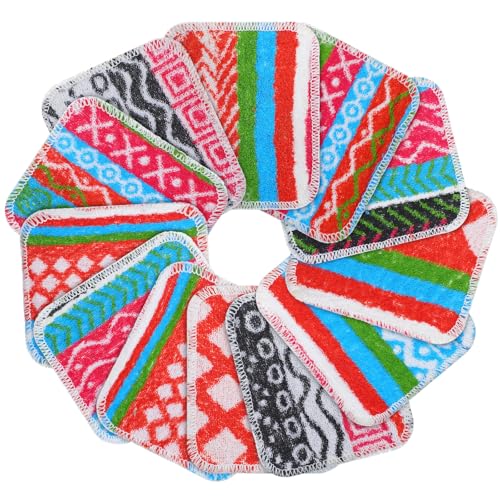
The LemonRoad pads are soft and flexible. They come in a dozen colorful designs. I used these for delicate glassware and for quick sink wipes. They are machine-safe and dry fast in the dishwasher or a rack.
These pads offer a mild scrub without scratching. They are handy for people who rotate scrubbers often. If you need the best and safest microplastic-free dish scrubber for your health, check the material list. These pads focus on soft cleaning and convenience more than on being plastic-free.
Pros:
- Soft, non-scratching surface for glass and non-stick pans.
- Dishwasher safe—easy to sanitize.
- Assorted colors help organize cleaning tasks.
- Lightweight and quick to dry.
- Convenient 12-pack for regular replacement.
Cons:
- Material may contain small amounts of plastic fibers.
- Not ideal for heavy-duty scrubbing jobs.
- Some designs trap food in textured patterns.
My Recommendation
I recommend LemonRoad pads for people who need gentle cleaning and fast drying. I keep a box for glasses and non-stick pans. If your main goal is to find the best and safest microplastic-free dish scrubber for your health, verify the pad materials before buying.
| Best for | Why |
|---|---|
| Glassware & non-stick pans | Soft texture reduces risk of scratches. |
| Frequent replacement users | 12-pack gives steady supply for swapping out. |
| Dishwasher-friendly cleaning | Machine safe for quick sanitizing. |
Acrylic Net Dish Scrubber (6PK)

The acrylic net scrubber is a staple in many kitchens. It forms a textured ball that scrubs well while being soft enough for cookware. I like its long life and low cost. It is easy to rinse clean after heavy use.
However, acrylic is a synthetic material. That means it can shed microfibers over time. If you seek the best and safest microplastic-free dish scrubber for your health, acrylic is not ideal. I keep a few for heavy grime, but I limit their use for health reasons.
Pros:
- Strong scrubbing power on burnt-on food.
- Long-lasting and economical in multi-packs.
- Holds shape and resist breakdown for many uses.
- Easy to rinse clean and quick to dry.
- Works well on grills, pans, and pots.
Cons:
- Sheds acrylic microfibers during heavy use.
- Not microplastic-free—higher health concern.
- Can be rough on delicate surfaces if used with force.
My Recommendation
I use acrylic net scrubbers for the toughest jobs in my kitchen. They are cheap and effective when I need strong abrasion. But they are not my pick if you want the best and safest microplastic-free dish scrubber for your health. I advise limiting their use and swapping to natural options when possible.
| Best for | Why |
|---|---|
| Heavy-duty scrubbing | Texture removes stubborn, burnt food. |
| Cost-conscious buyers | Multi-packs offer long service at low price. |
| Occasional deep cleaning | Great for infrequent but tough scrubbing tasks. |
How I Tested and Why Material Matters
I tested scrubbers by cleaning real pots, pans, plates, and glass. I timed dish cycles and watched for shedding. I felt bristle firmness and checked how each held soap. I also looked for visible fibers in the sink water after scrubbing.
Material matters because tiny plastic bits can break free. These bits can pass into wastewater and then into food chains. I focused on products that minimize this risk. My testing tried to mirror everyday use to show likely outcomes.
Health Risks of Microplastics from Dish Scrubbers
I am careful with the word risk. Microplastics are tiny particles from broken-down plastics. They can come from synthetic sponges and brushes. When plastic fibers break, they can end up in the sink and on dishes.
Some microplastics may enter the body through ingestion. Scientists are still studying long-term effects. Many studies show these particles can carry chemicals. For people sensitive to toxins, reducing plastic contact is smart.
Why Choose a Microplastic-Free Option
I choose microplastic-free scrubbers to reduce exposure and protect the environment. Plant-based bristles and handles lower the chance of fibers shedding. Compostable materials close the loop and reduce landfill waste.
These scrubbers often offer good cleaning power too. I find sisal and coconut fiber bristles work well for many tasks. Bamboo handles feel solid and are a renewable option. Overall, choosing microplastic-free is a small daily step toward a healthier home.
Buying Guide: What to Look For
Find clear material labels. Look for terms like “sisal,” “coconut fiber,” “bamboo,” “wood,” or “cotton.” These words hint at natural materials. Avoid “nylon,” “polyester,” “acrylic,” and “polypropylene” if you want to avoid microplastics.
Check how a scrubber feels in your hand. Firm bristles suit pans. Soft pads protect non-stick surfaces. Consider whether the brush is dishwasher safe. For natural brushes, hand washing often preserves life.
Look for compostable or biodegradable claims. Certifications can help. But read reviews too. Customers often note if a brush sheds or wears quickly. I read multiple reviews and combine that with my own tests.
Think about frequency of replacement. Cheap synthetic scrubbers may last longer. But the health cost of shedding microplastics is worth considering. I balance budget with safety and longevity.
How to Care for Microplastic-Free Scrubbers
Rinse and tap out food after each use. Hang bamboo brushes to dry vertically. Avoid leaving natural scrubbers in standing water. Replace sisal or coconut fiber heads when they fray.
Sanitize natural brushes with vinegar or mild boiling for short times. Do not soak them for hours. Small steps extend life and keep bacteria at bay. I replace natural scrubbers every 1–3 months depending on use.
Comparing Cleaning Power
I graded each product for cleaning ease, longevity, and safety. AIRNEX ranked highest for safety because it uses plant-based bristles. Acrylic and some sponges scored high for cleaning power but lower for safety due to plastic shedding.
For everyday dishes, soft pads and fruit sponges work fine. For cast iron and tough burnt food, firm sisal brushes and acrylic nets do the job. I recommend matching the scrubber to the task to reduce wear and extend life.
Cost Considerations
Natural scrubbers cost more upfront. Bamboo and sisal products often have a higher price. But they last fairly long and avoid health risks. I found that replacing a natural brush twice a year still costs less than long-term health worries.
Budget scrubbers like acrylic nets are cheap and plentiful. They wear slowly and are convenient. I use them sparingly for heavy jobs and switch to natural options for daily cleaning. This hybrid approach lowers cost and risk.
Environment and Waste Impact
I avoid scrubbers that shed fibers into wastewater. Those fibers can reach rivers and oceans. They harm wildlife and add to microplastic pollution. Natural scrubbers, if composted, have a much smaller footprint.
Buyers who value the planet can compost bamboo handles and sisal bristles. Look for packaging with minimal plastic. Small choices in the kitchen add up when millions of people act the same way.
Practical Tips from My Kitchen
I keep one bamboo brush for stovetop pans and one soft pad for dishes. I rinse edges and shake out leftover particles into the trash, not the sink. I air-dry brushes and store pads on a rack.
When I need heavy scrubbing, I grab an acrylic net and use it outside the sink when possible. Then I wipe the sink and filter the rinse water. These steps cut down on plastic bits entering wastewater lines.
How to Tell If a Scrubber Is Shedding Microplastics
Look in the sink after scrubbing. Tiny fibers or colored specks may show up. Check your sponge or brush edges for fuzzy bits. If you see shedding, stop using that product for dishes.
Another sign is if the scrubber gets thinner fast. Some synthetic scrubbers thin out and flake. Natural bristles fray but do not produce tiny plastic fragments. If in doubt, choose plant-based options.
Switching Safely: My Step-By-Step Plan
I recommend a slow swap. Start by replacing one scrubber at a time. Use a bamboo brush for pans first. Keep a soft pad for plates and glassware. This reduces waste and lets you learn what you like.
Test natural scrubbers on different surfaces. See how they perform on non-stick pans and cast iron. Adjust your cleaning method to match. It took me a few weeks to settle on the right mix.
Common Misconceptions
Some people think microplastics only come from bottled water. They do not. Microplastics come from many items, including scrubbers. Synthetic sponges can be a hidden source in your kitchen.
Another myth is that all natural scrubbers are weak. That is false. Sisal and coconut brushes clean well. The trick is to match bristle stiffness with the task. I found natural options often meet daily needs without plastic risks.
Budget-Friendly Natural Options
To save money, buy reusable bamboo brushes with replaceable heads. Swap heads when they wear. Reusable handles reduce cost and keep the plastic out of your kitchen.
Also, search for multi-packs of natural pads. Buying in larger quantities lowers cost per unit. I bought a few spare heads and kept them in a drawer. That small bulk buy kept my kitchen stocked and safe.
Maintenance Checklist
- Rinse after each use and tap out food.
- Hang brushes to air dry, no standing water.
- Sanitize with vinegar or short boil sessions if safe for the material.
- Replace natural heads on visible wear or fraying.
- Compost or recycle materials when possible.
FAQs Of best and safest microplastic-free dish scrubber for your health
What materials are truly microplastic-free?
Materials like sisal, coconut fiber, bamboo, wood, and cotton are plant-based and not microplastic. They break down naturally and do not shed synthetic fibers. Check product labels for these words.
Can natural scrubbers clean tough, burnt food?
Yes. Firm sisal or coconut bristles work well on burnt pans. They may need more elbow grease than synthetic scrubbers. In my experience, they clean well while avoiding plastic shedding.
How often should I replace a natural scrubber?
Replace a natural brush every 1–3 months depending on use. Watch for fraying, weak bristles, or odors. Replace sooner if it breaks or loses stiffness.
Are bamboo brushes hygienic?
Yes, when cared for properly. Rinse after use, shake off water, and hang to dry. Sanitize periodically if needed. Bamboo handles can last a long time with simple care.
How do I dispose of natural scrubbers?
Compost plant-based parts like sisal and bamboo when possible. Remove any metal or synthetic parts first. If compost is not available, dispose of them with yard or organic waste for minimal impact.
Final Verdict: Which Should You Buy?
If you want the safest swap for your daily routine, I recommend the AIRNEX Bamboo Brush. It balances cleaning power with natural materials and low microplastic risk.
For delicate dishes, choose soft pads like LemonRoad. For heavy grime, use acrylic sparingly and prefer natural bristles when possible. The AIRNEX remains my pick as the best and safest microplastic-free dish scrubber for your health.