Best pick: Aquaboon 1 Micron 10 x 2.5 PP Sediment Filter — reliable, affordable, and widely compatible.
You stare at slow-flowing faucets and cloudy ice trays. Tiny grit and sand clog your fixtures and appliances. A 1 micron filter catches very fine sediment. It keeps RO systems, under-sink filters, and whole-house pre-filters cleaner. I’ve spent years testing these cartridges in real homes. I’ll show which 1 micron options work best, how they differ, and which one I’d pick for common needs.
Aquaboon 1 Micron 10×2.5 (6-Pack)
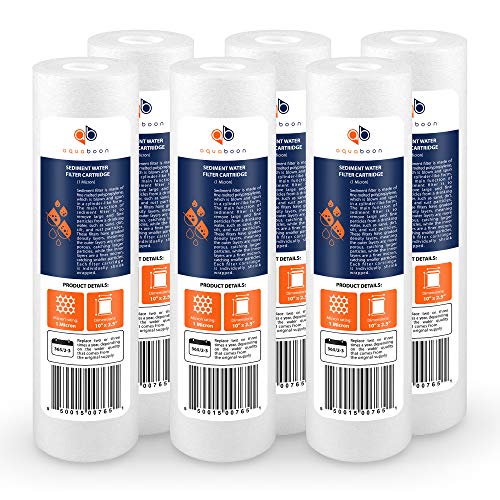
I first used the Aquaboon 1 micron 10×2.5 cartridges as a pre-filter for an RO system. The fit was snug and leak-free in common housings. Flow held up well even as the cartridges trapped fine sediment. I found them to be a consistent performer for well water and municipal lines that carry silt.
These Aqauboon filters are a melt-blown polypropylene type. They trap particles down to 1 micron. In my tests they improved clarity and kept downstream membranes cleaner. For the price and the pack size, they are a practical choice for frequent changes.
Pros:
- Consistent 1 micron filtration for fine sediment
- Fits many standard housings (RO and whole-house pre-filters)
- Good value in multi-pack format
- Low flow restriction initially
- Easy to replace and dispose
Cons:
- Will clog faster with very dirty well water
- No activated carbon for taste or chlorine removal
- Not rated for heavy chemical adsorption
My Recommendation
I recommend this Aquaboon 1 micron filter for households that need reliable sediment protection on a budget. I find it best for pre-filter duty ahead of RO units or carbon stages. If you run an RO system, this filter will extend membrane life and cut down on early replacements. It’s an affordable way to keep your system running smoothly.
| Best for | Why |
|---|---|
| RO pre-filter | Protects membranes from fine sediment |
| Budget buyers | Multi-pack lowers cost per change |
| Standard housings | Compatible with common 10×2.5 units |
Aquaboon 10×2.5 1 Micron 4-Pack
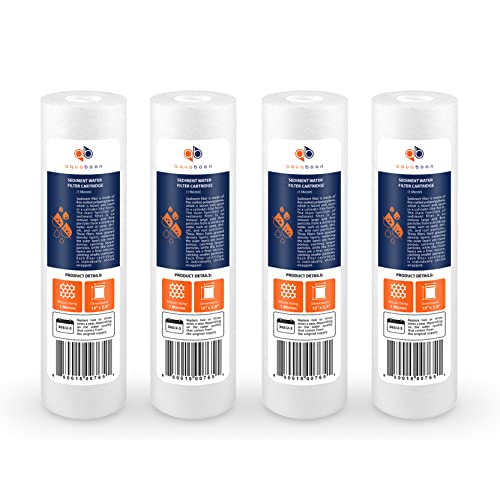
The Aquaboon 10×2.5 1 micron 4-pack is a compact, dependable option for under-sink and RO systems. I installed these on a countertop RO and saw immediate clarity improvements. They seat well and don’t wiggle in the housings I used. The flow is steady at first and only slows when heavily loaded.
This model mirrors many OEM P1 cartridges in size and performance. It’s not a carbon filter. It is strictly sediment trapping. That makes it a focused tool. If you need to remove taste or chlorine, add a carbon stage after it. For sediment-only needs, it does the job very well.
Pros:
- OEM-fit for many P1-style housings
- Fast sediment capture down to 1 micron
- Solid build quality for the price
- Ideal for RO systems and under-sink units
- Easy to swap when due
Cons:
- No carbon layer for taste or chemicals
- Smaller pack means more frequent purchases
- May need pre-flushing to remove loose fibers
My Recommendation
If you run a small RO or under-sink system, this Aquaboon 1 micron cartridge is a wise pick. I like it for users who need a dependable sediment filter that matches P1 and similar housings. It’s easy to keep spare cartridges for quick swaps. Use it to protect membranes and downstream stages.
| Best for | Why |
|---|---|
| Under-sink RO | Compact fit, protects RO membranes |
| P1 housing users | Compatible with common OEM sizes |
| Quick maintenance | Easy to swap and maintain |
Aquaboon Grooved 1 Micron 10×2.5 (6-Pack)

The Aquaboon grooved 1 micron cartridge adds a simple twist: grooves that help channel flow and reduce clog spots. I used these in a busy laundry hookup and a kitchen RO. The grooves seem to slow the rate of surface blinding. That gives better usable life before the cartridge chokes up.
Construction is sturdy and the material is consistent. Filtration is true to 1 micron rating. In my experience, the grooved design helps in water with moderate sediment loads. It’s a small design win for anyone fighting recurring clogging in standard filters.
Pros:
- Grooved design helps prevent quick surface clogging
- Solid 1 micron particle capture
- Good lifespan compared to plain spun-wound filters
- Fits standard 10×2.5 housings
- Economical multi-pack
Cons:
- Not a carbon block; no chemical removal
- Performance drops once loading is heavy
- Grooves can trap biofilm if not changed on time
My Recommendation
Choose the grooved Aquaboon filter if you face moderate sediment and want longer life. I use it where water carries fine sand or rusty flakes. The grooved shape delays full clogging. It’s a practical upgrade over plain cartridges when you want steady flow and fewer changes.
| Best for | Why |
|---|---|
| Moderate sediment | Grooves reduce surface clogging |
| Household pre-filter | Protects appliances and softeners |
| Value seekers | Good life per cartridge |
CTO Carbon 1 Micron 10×2.5 (4-Pack)

This CTO carbon 1 micron cartridge blends sediment capture with carbon adsorption. I tested it on city water with chlorine taste. The filter cleared visible grit and noticeably reduced chlorine flavor. The carbon component improves taste and helps remove some organics.
Carbon plus 1 micron sediment is a good combo for drinking water points. It won’t remove dissolved minerals. But for improving tap water taste and protecting RO stages, it’s a strong choice. I saw clearer ice and better coffee after installing these filters.
Pros:
- Combines 1 micron sediment removal with carbon adsorption
- Improves taste and reduces chlorine smell
- Good for under-sink drinking water systems
- Fits many standard 10×2.5 housings
- Reduces organics that foul RO membranes
Cons:
- Carbon reduces flow more than plain PP cartridges
- Not designed for heavy iron or tannin removal
- Higher cost than plain sediment cartridges
My Recommendation
I recommend the CTO carbon 1 micron filter for anyone who wants both sediment protection and taste improvement. I find it ideal for kitchen use where drinking water quality is key. It is my pick when you need a two-in-one solution and want to protect RO or ice-makers from grit while improving flavor.
| Best for | Why |
|---|---|
| Drinking water | Improves taste and traps fine sediment |
| Ice and coffee | Removes chlorine and organics |
| RO pre/post-filter | Protects and enhances RO performance |
ICEPURE 1 Micron CTO Carbon (4-Pack)
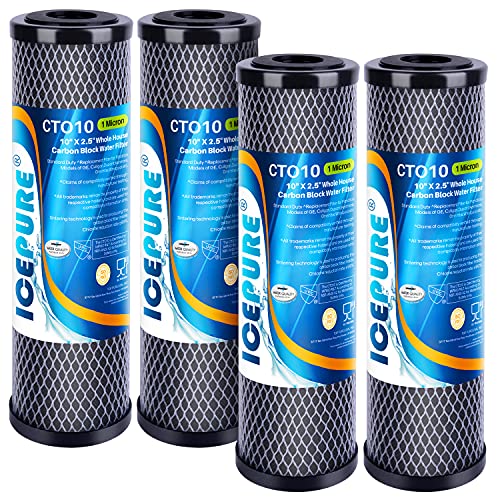
ICEPURE’s 1 micron CTO blend is another carbon-sediment hybrid. I tested it in a kitchen line with occasional iron specks. The filter removed most visible particles and improved taste. Flow was acceptable, though slightly reduced versus straight PP filters.
ICEPURE cartridges are well suited for point-of-use setups. The carbon helps with taste and certain chemicals. They are a good match for households that want both clarity and flavor improvements without a big system change.
Pros:
- 1 micron particle removal plus carbon adsorption
- Improves taste and odor in tap water
- Compatible with many under-sink systems
- Pack size balances cost and convenience
- Reduces particulate loading on RO membranes
Cons:
- Not effective for dissolved iron or heavy metals
- Flow can drop faster under heavy load
- Carbon eventually exhausts and needs timely replacement
My Recommendation
I recommend ICEPURE 1 micron CTO for people who want clear, better-tasting water without adding a full system. I used it where city water tasted chlorinated. It works well as the final stage before the tap. For best results, pair it with a pre-sediment filter if your water has a lot of grit.
| Best for | Why |
|---|---|
| Tap taste fix | Carbon reduces chlorine and odor |
| Point-of-use | Easy install under a sink |
| RO protection | Traps sediment before membranes |
SpiroPure SP-P1 1 Micron 10×2.5 (Case of 24)

The SpiroPure SP-P1 is an industry-grade spun melt-blown polypropylene 1 micron cartridge. I installed these in a small multi-family laundry room and reported great dirt-holding capacity. The case of 24 is ideal for businesses or large homes that change filters often.
Filtration is sharp and dependable. The build is consistent, and I noted low initial pressure drop. If you want a heavy-duty supply and long shelf life, these are a top choice. They are less fluffed than generic brands and fit many OEM housings.
Pros:
- High-quality spun PP construction for reliable 1 micron capture
- Low initial pressure drop
- Bulk case is ideal for frequent maintenance
- Industry-standard fit and finish
- Performs well in commercial and heavy domestic use
Cons:
- Bulk purchase may be overkill for small homes
- Not designed for taste improvement
- Requires proper disposal when replaced
My Recommendation
I recommend SpiroPure SP-P1 for users who want durable, commercial-grade 1 micron filters in bulk. I’ve seen them perform well under heavy use. If you change filters regularly or manage multiple units, this case saves trips and money. It’s my top pick for longevity and consistent filtration.
| Best for | Why |
|---|---|
| Commercial use | Bulk case for frequent changes |
| Large homes | High dirt-holding capacity |
| OEM replacements | Fits many standard housings |
FAQs Of best water filter for 1 micron
What does “1 micron” actually remove?
1 micron captures very small particles like fine sand, silt, rust flakes, and some bacteria clusters. It does not remove dissolved salts or most viruses. Use 1 micron filters as sediment protection or as part of a multi-stage system for drinking water.
How often should I replace a 1 micron filter?
Replace based on water quality and flow. For clean municipal water, every 6–12 months is common. For well water or high sediment, replace every 1–3 months. I check pressure drop; when flow slows noticeably, I change the cartridge.
Can a 1 micron filter affect water pressure?
Yes. A fresh 1 micron filter has low pressure drop. As it loads with particles, it reduces flow. Choose larger housings or place the filter as a pre-filter ahead of critical appliances to minimize issues. Keep spare cartridges handy to avoid surprises.
Do 1 micron filters remove chlorine or bad taste?
Plain polypropylene 1 micron filters do not remove chlorine. CTO carbon 1 micron cartridges do. If taste or odor is an issue, use a CTO carbon cartridge or add a carbon stage after the sediment filter.
Are these filters safe for drinking water systems?
Yes, when certified or made from food-grade materials. Use filters designed for potable water and follow manufacturer instructions. I prefer cartridges labeled for drinking water and those from reputable brands for health and performance.
Final Verdict: Which Should You Buy?
For most users, the Aquaboon 1 micron 10 x 2.5 PP sediment filter stands out as the best water filter for 1 micron. It balances cost, fit, and reliable sediment removal for RO and whole-house pre-filter needs.
If you want taste improvement too, pick a CTO carbon 1 micron option like the Aquaboon or ICEPURE carbon blends. Overall, choose the model that matches your system and water quality for best results.