
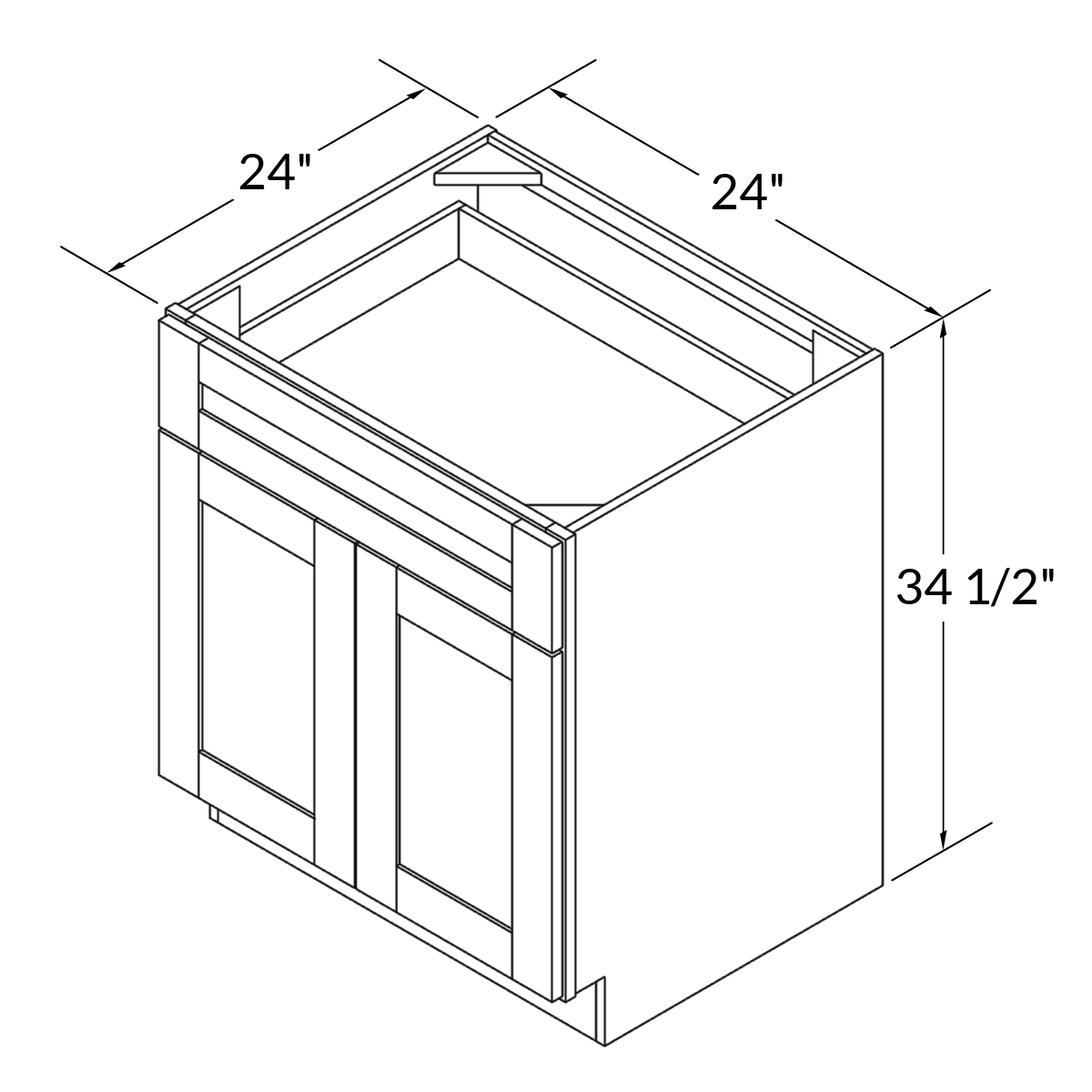
Most base kitchen cabinets are 24 inches deep from wall to door face.
I’ve measured, installed, and designed kitchens for years, so I know what matters when you ask how deep is a base kitchen cabinet. This article breaks down standard measurements, variations, installation tips, storage ideas, and real-world lessons so you can plan a kitchen that fits your room and life.
Standard depths and measurements
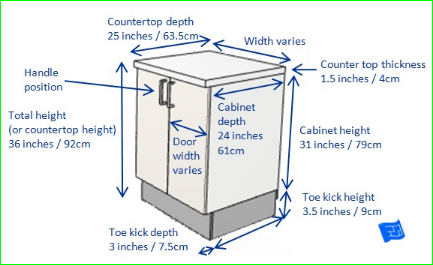
The common answer is simple. A standard base kitchen cabinet box is 24 inches deep. This is the distance from the wall to the front of the cabinet box. With doors and drawer faces, the finished depth is roughly the same. Add a countertop and you end up near 25 to 25.5 inches front-to-back because of a small overhang.
Typical related dimensions:
- Cabinet box depth 24 inches.
- Countertop overhang about 1 inch at the front.
- Internal usable depth roughly 21 to 22.5 inches after accounting for door thickness and back panel.
- Standard base cabinet height 34.5 inches without countertop and 36 inches with countertop and backsplash.
Why these sizes matter:
- Most appliances and sinks fit well with a 24-inch base.
- Countertop work surface is comfortable at the resulting height and depth.
- Standard countertop materials and backsplashes are designed to match this depth.
From my installs, using 24-inch base cabinets keeps layouts simple. It also makes buying off-the-shelf appliances and fittings easier. If you need more or less depth, plan for custom cabinets or specialty shallow units.

Why cabinet depth matters for function and design
Depth affects reach, storage, and traffic flow. Deep cabinets can hide items but create dead space at the back. Shallow cabinets make everything easy to reach but limit storage.
Practical impacts:
- Ergonomics: Standard depth places counters at a comfortable reach for most adults.
- Appliance fit: Dishwashers and sinks are sized to work with 24-inch bases.
- Walkways: Deeper-than-standard cabinets can reduce aisle widths.
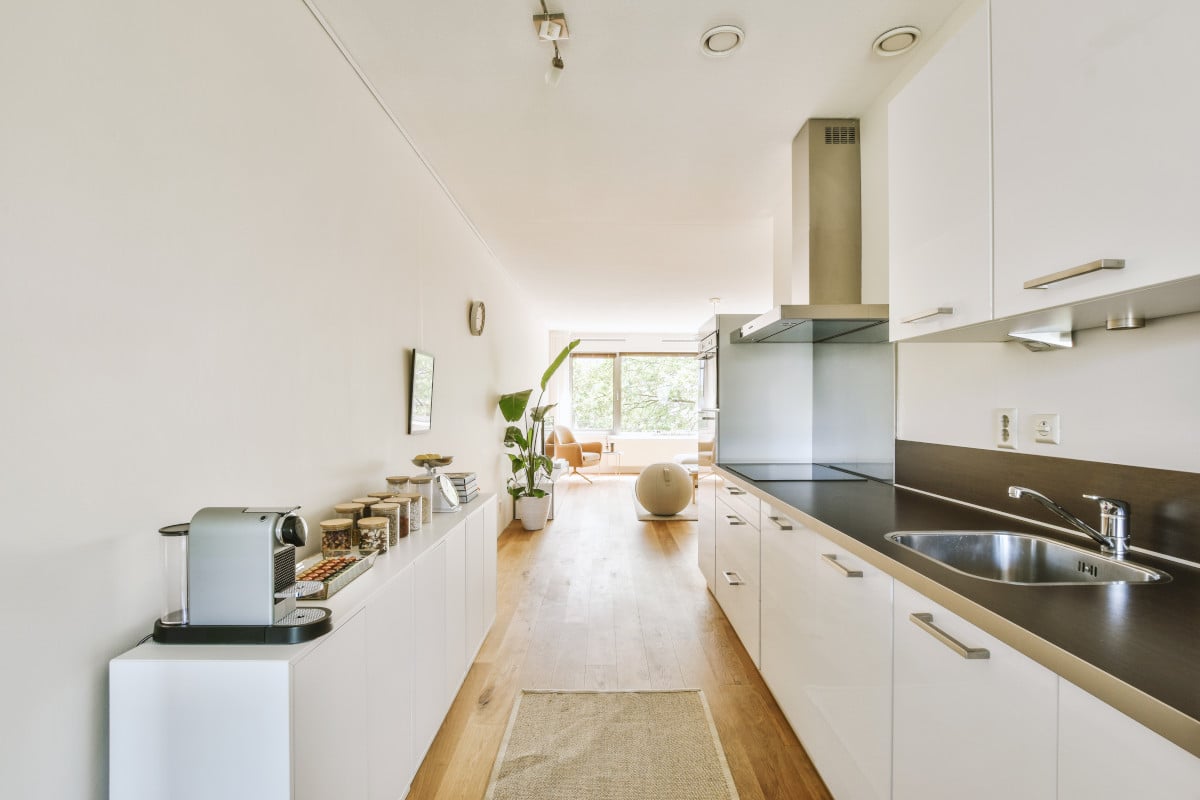
When I designed a small galley kitchen, switching to 18-inch deep base cabinets on one side freed up walking space. The design felt roomier. But I lost some pantry capacity. It was a trade-off that worked for that home.
Common variations and specialized depths
Not every kitchen uses only 24-inch bases. Here are common alternatives and when to use them.
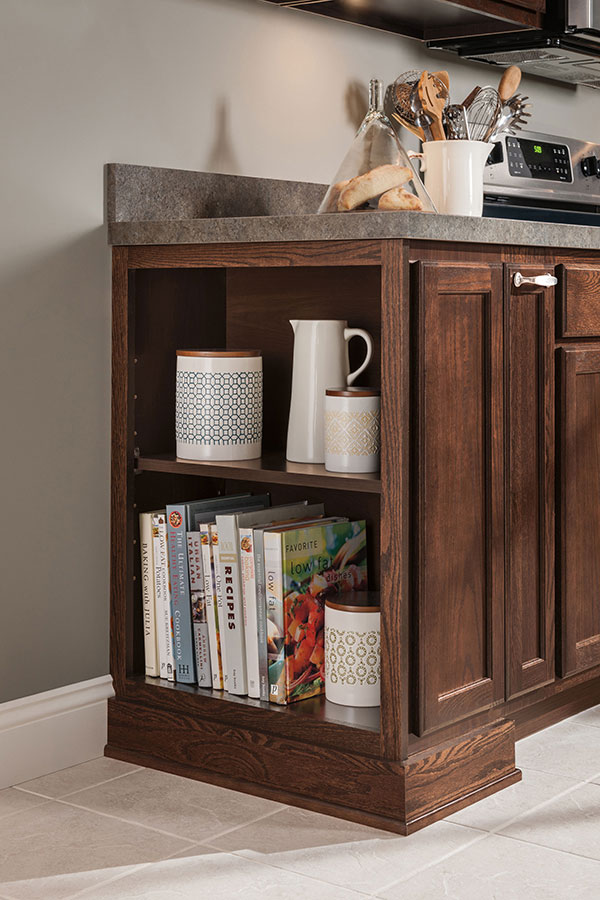
Shallow base cabinets
- 12-inch deep cabinets are used for narrow spaces or to create a shallow counter area.
- 15-inch and 18-inch depths are common for islands, snack counters, or tight kitchens.
Deep cabinets
- Custom or specialty base cabinets up to 30 inches deep exist.
- These are used for deeper storage, pull-out shelves, or built-in functions.
Appliance integration
- Some built-in ovens or cooktops may require adjustments to base depth or cabinet box construction.
- Plumbing and ventilation needs can also affect the depth choice.
I once converted a laundry niche into cabinet storage. Choosing a 20-inch shallow base cabinet gave storage without crowding the doorway. It was a small change that improved daily use.

Measuring and planning for your space
Measure carefully. Small errors make big problems later.
Steps to measure and plan:
- Measure from finished wall to the cabinet front location.
- Account for finished wall coverings like tile or paneling.
- Leave clearance for door swing and appliance doors.
- Ensure aisle width remains at least 36 inches in one-wall or 42 inches in galley and kitchen work triangle layouts when possible.
Tips from the field:
- Always measure twice. I learned this after a countertop overhang clashed with a fridge door the first time I installed cabinets.
- Mock up cabinet depth with cardboard or scrap plywood. Walk the space. It shows reach and flow in real life.
Storage solutions and organization by depth
Depth drives how you store items. Use the right fittings to make space work.
For standard 24-inch depth
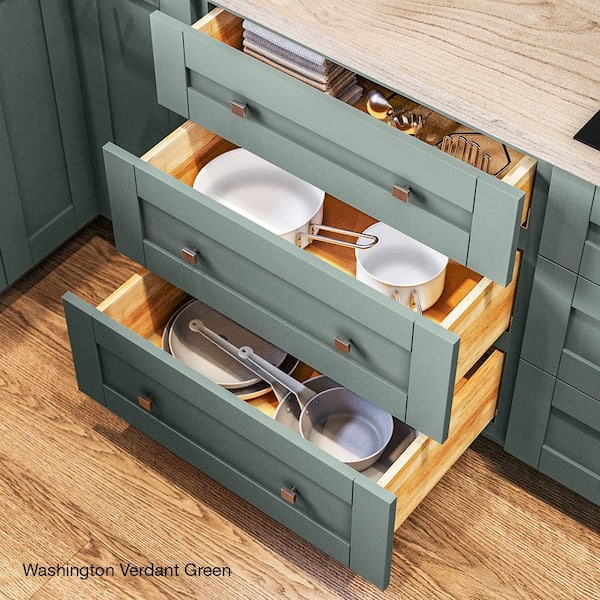
- Use full-extension drawers for pots and pans.
- Install pull-out trays or lazy Susans for corner base cabinets.
- Use tray dividers and vertical storage at the back.
For shallow 12–18-inch depth
- Store plates, cutting boards, and baking sheets vertically.
- Use shallow drawers and spice pull-outs.
- Consider open shelving for frequently used items.
For deep 30-inch cabinets
- Add multiple pull-out shelves to avoid losing items to the back.
- Use tiered organizers so you can see contents at a glance.
Real-life note: Adding one set of full-extension drawers to a 24-inch base turned a cluttered cabinet into a daily win. I could see and reach every pot without kneeling or digging.
Customization, costs, and material impacts
Changing depth often means custom work. That increases cost.
Cost factors to consider
- Stock cabinets in standard depth are inexpensive.
- Custom depths raise labor and material costs.
- Specialty hardware like deep pull-outs and full-extension slides add cost.
Material choice and depth
- Thicker cabinet boxes add strength for deep units.
- Plywood boxes are sturdier for heavy loads than particleboard in deeper cabinets.
When budgeting, compare the cost of added storage fittings versus larger cabinet depth. I’ve seen clients choose clever organizers over deeper boxes to save money and keep a cleaner look.
:max_bytes(150000):strip_icc()/guide-to-common-kitchen-cabinet-sizes-1822029-base-6d525c9a7eac49728640e040d1f90fd1.png)
Common mistakes and how to avoid them
Mistakes are easy to make. Avoid these common errors.
Mistake 1: Not considering door swing
- Doors and appliance openings can clash with cabinet depth choices.
Mistake 2: Ignoring countertop overhang
- Expect a small overhang. It affects finished reach.
Mistake 3: Poor internal planning
- Deep cabinets without pull-outs lead to unused space.
How to avoid them
- Mock up full-size templates.
- Plan hardware early.
- Use professional cabinet measurement services if unsure.
From experience, a single mock-up saved me hours during one renovation. It revealed a conflict between a fridge and an island counter that we fixed before building.
PAA-style quick questions
Do base cabinet depths vary by region?
Yes. The standard 24-inch depth is common in the U.S., but regional preferences and older homes may show different sizes. Always measure your existing space.
Can I mix cabinet depths in one kitchen?
Yes. Mixing 24-inch bases with shallow or deep bases is common and works well for function and style. Keep transitions neat for a cohesive look.
Will changing base depth affect countertop installation?
Yes. Changing depth changes countertop size and overhang. Coordinate with your countertop fabricator to avoid surprises.
Frequently Asked Questions of how deep is a base kitchen cabinet
What is the standard depth of a base kitchen cabinet?
The standard base cabinet depth is 24 inches from wall to the front of the cabinet. This is the most common size for U.S. kitchens and fits most appliances and counters.
How deep is the usable interior of a 24-inch base cabinet?
The interior usable depth is typically about 21 to 22.5 inches after accounting for the cabinet back, door, and drawer box. Exact numbers vary by construction.
Are there shallower base cabinets available?
Yes. Shallow base cabinets are available in 12, 15, and 18 inches. They suit tight spaces and areas where full depth would crowd walkways.
Do deeper base cabinets cost more?
Yes. Deeper bases often require custom build or sturdier materials, which raises cost. They may also need stronger hardware and specialized countertops.
Will I need to modify plumbing for a different cabinet depth?
Sometimes. Moving cabinet depth can change sink placement and plumbing access. Check plumbing clearances before finalizing depth decisions.
Conclusion
Understanding how deep is a base kitchen cabinet helps you plan storage, workflow, and design. Standard cabinets are 24 inches deep, but many good reasons exist to choose shallow or deep alternatives. Measure your space, mock up layouts, and weigh costs versus function before deciding. Start by measuring and walking your kitchen with a cardboard mock-up. If you need more help, ask a pro or leave a comment with your room dimensions and goals.