
Use kitchen organizer storage cabinets by zoning, decluttering, and arranging items for easy reach.
I have spent years optimizing kitchens for busy families and small apartments. This guide explains how to use kitchen organizer storage cabinets to make cooking faster, reduce waste, and keep countertops clear. You will get step-by-step plans, real-life tips I learned on the job, and simple projects you can try today to transform cluttered cabinets into smart storage.

Why choose kitchen organizer storage cabinets?
Kitchen organizer storage cabinets save time and cut stress. They create systems that match how you cook. When you use kitchen organizer storage cabinets, you reach for items quickly. You waste less food and make cleaning easier.
Benefits include:
- Faster meal prep from logical placement.
- Safer storage for heavy and breakable items.
- More visible inventory to avoid duplicates.
- Easier cleaning and maintenance of cabinet interiors.
From my experience, a small reorganization can save minutes each day. Those minutes add up into more meals cooked and less takeout. Using kitchen organizer storage cabinets is an investment that pays off quickly.
:strip_icc()/organizing-a-corner-cabinet-vertical-101221035-586f5419aaca4adc95bcf256369cb67e.jpg)
Types of kitchen organizer storage cabinets
Choose types that fit your habits and space. The right mix makes the kitchen flow.
Common types:
- Pull-out shelves: Slide fully for easy access to the back.
- Lazy Susans: Great for corner cabinets to keep jars visible.
- Vertical dividers: Store baking sheets and cutting boards upright.
- Built-in spice racks: Put spices near the stove.
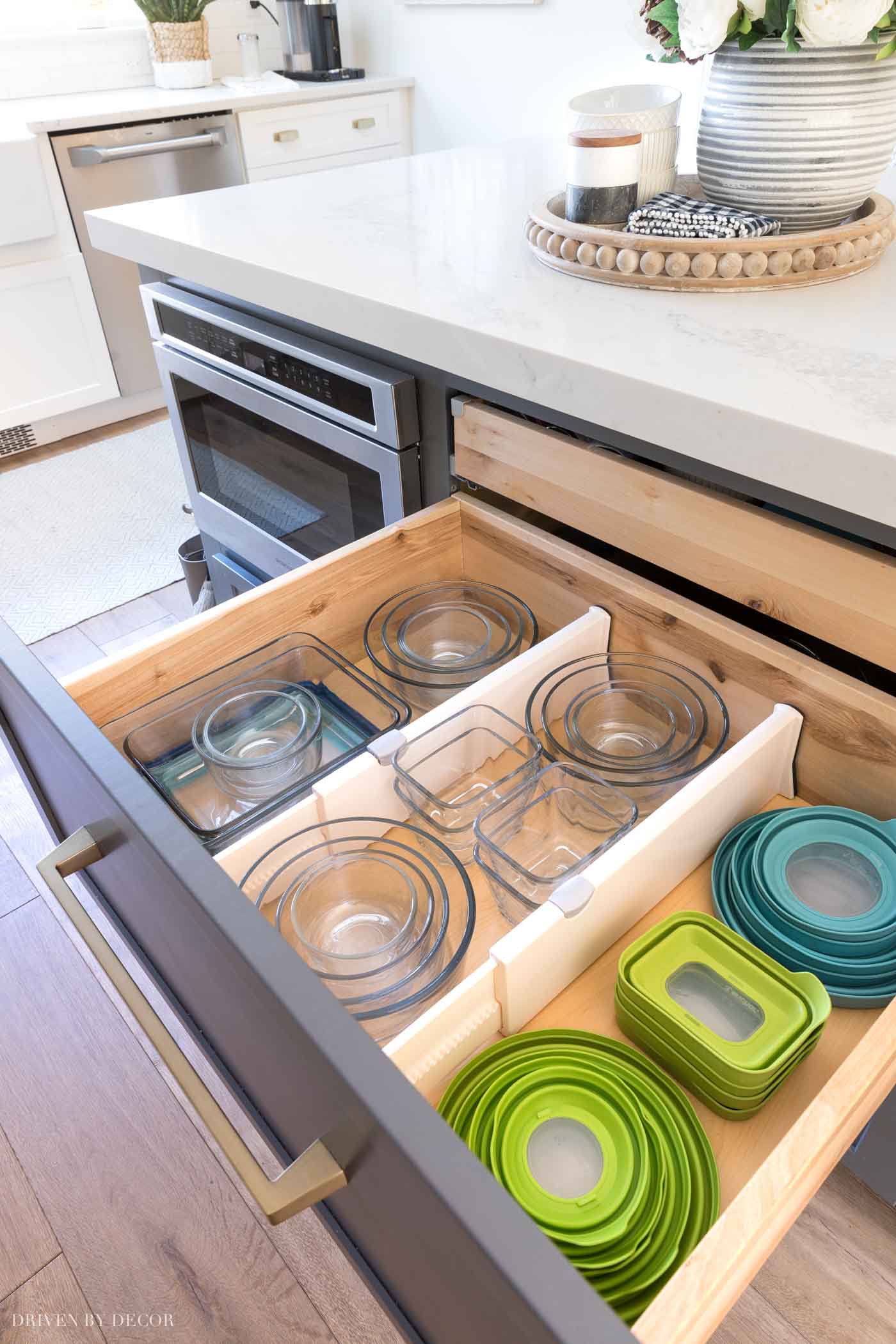
- Deep drawers with inserts: Store pots and pans in layers.
- Tall pantry cabinets: Use adjustable shelves for bulk items.
I once replaced a deep cabinet with two pull-out shelves. It reduced time hunting for pans by half. When selecting types, focus on access first, capacity second, and appearance last.

Plan your cabinet layout before you start
A short plan saves time and money. Follow simple steps to map your space.
Steps to plan:
- Measure cabinet width, depth, and height precisely.
- Note how often you use each item: daily, weekly, rarely.
- Create zones: cooking, prep, baking, cleaning, and snacks.
- Assign cabinet types to each zone based on use and weight.
- Sketch a one-page layout and test it mentally by simulating a meal.
I test layouts by placing boxes or taped outlines on the floor. This low-cost mockup shows reach issues before installation. Planning makes it simple to pick the right kitchen organizer storage cabinets for each spot.

How to use kitchen organizer storage cabinets effectively
Good habits keep systems working. Use these techniques to maintain order.
Practical tips:
- Store heavy items low and light items higher.
- Keep daily tools at arm level near prep areas.
- Keep rarely used items in high or deep cabinets.
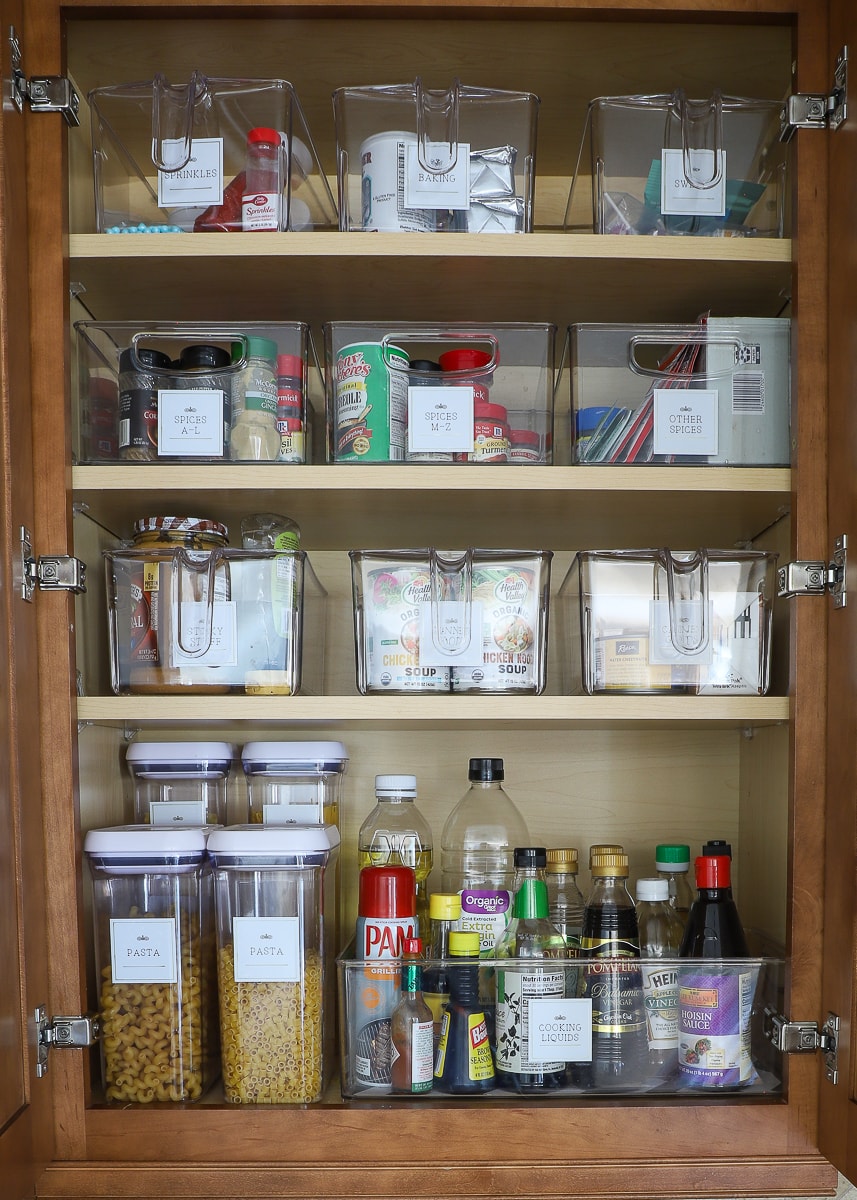
- Group similar items together, such as baking or breakfast supplies.
- Rotate stock: put new items behind older ones to use older first.
Personal tip: Label the underside of shelves or the inside of doors. A small label helps guests and family put things back correctly. Using kitchen organizer storage cabinets works best when everyone follows the same rules.
Installing and maintaining organizer cabinets
Installation can be DIY or done by a pro. Maintenance keeps them working for years.
Installation basics:
- Check cabinet frames and backing for strength.
- Use screws rated for cabinet weight when mounting rails.
- Test sliding mechanisms before loading heavy items.
- Leave some space for ventilation if storing food items.
Maintenance tips:
- Clean shelves and hardware quarterly.
- Tighten screws and adjust soft-close hinges yearly.
- Replace worn liners to protect cabinet surfaces.
- Wipe spills immediately to avoid stains and pests.
I once skipped tightening a slide and it warped after a year. Regular checks avoid that. Proper install and upkeep extend life and performance of kitchen organizer storage cabinets.
Budget-friendly upgrades and DIY hacks
You do not need to spend much to get big gains. Small changes often yield the best return.
Easy upgrades:
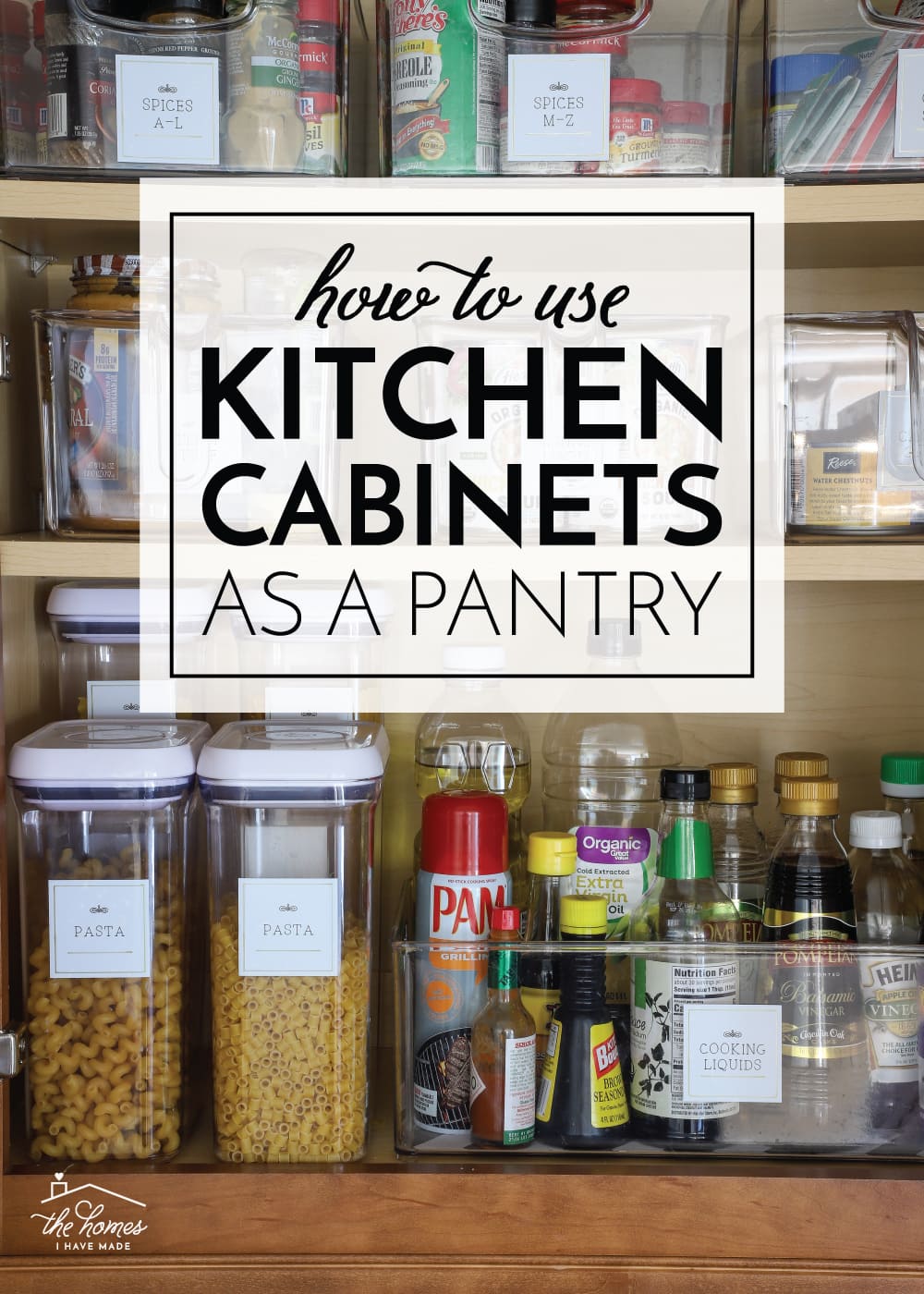
- Add adhesive spice labels and a door-mounted rack.
- Use tension rods to create a baking sheet divider.
- Convert a deep cabinet with cheap rolling baskets.
- Use clear bins to group snacks and keep them visible.
- Mount a pegboard inside a pantry door for utensils.
A simple DIY pull-out using drawer slides and plywood can transform a lower cabinet for under $50. These small fixes make kitchen organizer storage cabinets feel custom without the cost.
Common mistakes to avoid
Knowing what not to do prevents wasted time and money.
Mistakes to avoid:
- Overfilling cabinets so items jam and fall out.
- Putting heavy items on weak shelves.
- Ignoring measurements before buying inserts.
- Forgetting to label or name zones for family use.
- Choosing style over function for busy areas.
I once installed a narrow pull-out for huge pots. It looked smart but failed to fit my cookware. Test-fit before final installs to avoid this.
Frequently Asked Questions of How to use kitchen organizer storage cabinets
What is the best cabinet type for small kitchens?
Pull-out shelves and narrow vertical cabinets work best. They maximize access in tight spaces and reduce wasted depth.
How do I decide what to store in each cabinet?
Create zones by task: cooking, prep, baking, and cleaning. Store items used together in the same zone for faster workflow.
Can I install organizer systems myself?
Yes, many systems are DIY-friendly if you have basic tools and can follow instructions. For heavy or complex installs, hiring a pro is safer.
How often should I reorganize my cabinets?
Aim for a light tidy every month and a full reorganization every six to twelve months. This keeps inventory fresh and systems useful.
Are cabinet liners necessary?
Liners protect surfaces and keep items from slipping. They are inexpensive and extend cabinet life, so they are a smart choice.
How do I store bulky pots and pans efficiently?
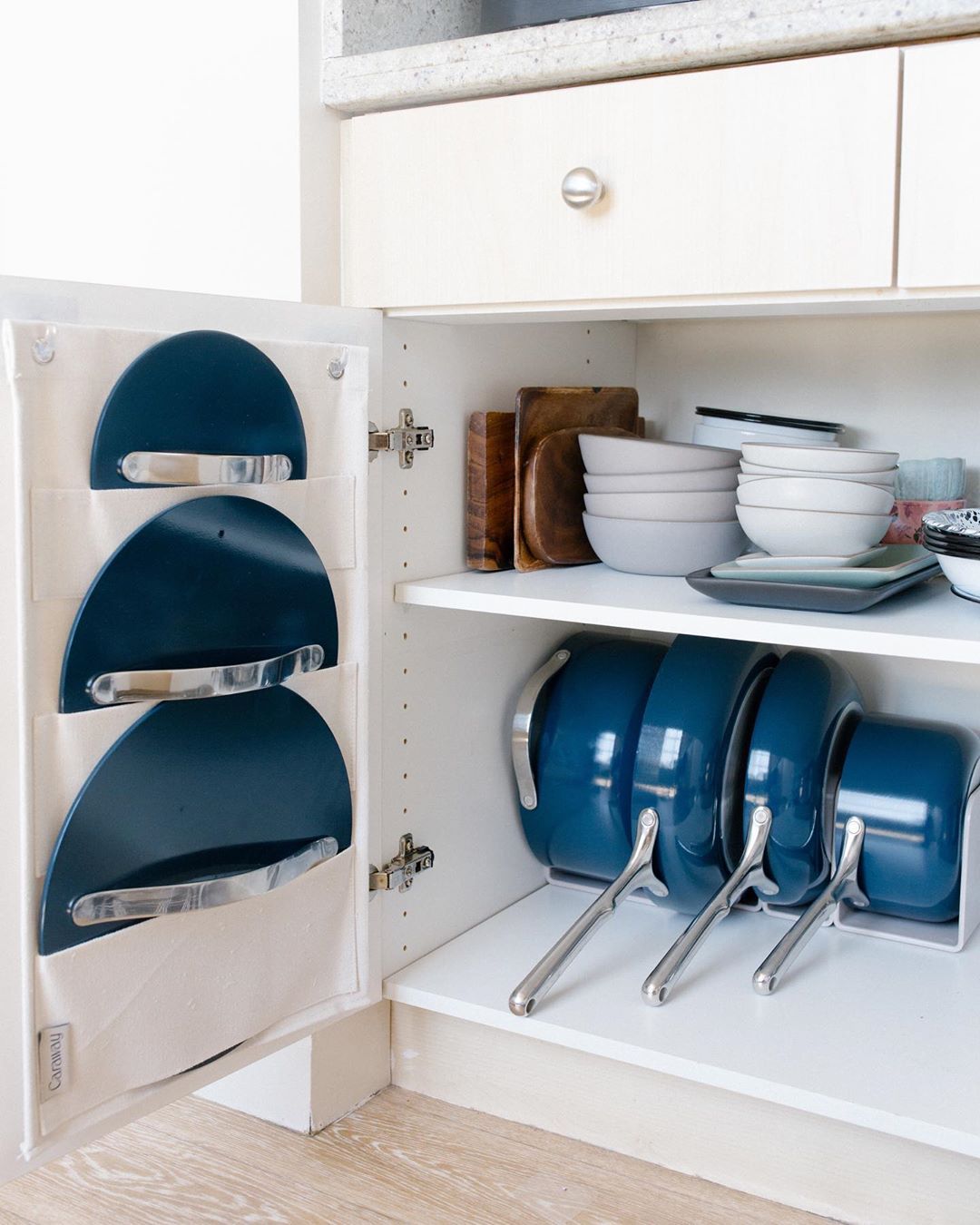
Use deep drawers with inserts or pull-out shelves. Stack with protective liners and place lids vertically in a divider.
Conclusion
Using kitchen organizer storage cabinets turns chaos into calm. Start by planning zones and measuring your space. Choose the right mix of pull-outs, dividers, and racks. Install carefully and keep up with simple maintenance. Small changes create real daily time savings and lower stress.
Try one upgrade this weekend. Measure a cabinet, pick a solution, and test it for a week. Share your results or ask questions below, and subscribe for more simple, practical kitchen tips.