
The best water filter for hard water I recommend is a quality reverse osmosis system with remineralization.
Hard water leaves scale, dull hair, and spotty dishes. If your pipes clog or your skin feels dry, a good filter fixes that. I’ve tested pitchers, shower filters, dispensers, and countertop RO units. In this guide I show which solution fits your home, budget, and daily needs. Read on and I’ll walk you through real tests, pros and cons, and who each option suits best.
Brita UltraMax 27-Cup Dispenser

I use the Brita UltraMax when I want clear tasting water fast. It holds a lot of water and the filter reduces chlorine taste and heavy metals. Setup is simple and it fits most fridges. For light to moderate hard water, it helps improve flavor and reduces some mineral taste.
The dispenser is best for families who drink filtered water daily. The standard filter lasts about 40 gallons, which I find lasts two months for a small family. It does not remove hardness minerals fully. But it removes lead, copper, and mercury which improves overall water quality.
Pros:
- Large 27-cup capacity saves frequent refills
- Removes chlorine taste and common heavy metals
- Easy to install and use—no tools needed
- Good value for daily drinking water
- BPA-free materials and fridge-friendly shape
Cons:
- Does not reduce water hardness (calcium/magnesium)
- Filter life can be short with high use
- Not a whole-house or source treatment
My Recommendation
This Brita UltraMax is best for people who want convenient, filtered drinking water without plumbing changes. I recommend it if you need taste improvement and removal of certain contaminants but still have hard water minerals on tap. It pairs well with a softener or point-of-use RO for full hard water control. The Brita UltraMax is an accessible choice and widely available.
| Best for | Why |
|---|---|
| Daily drinking water | Large capacity and easy refill |
| Budget buyers | Low upfront cost and simple filters |
| Apartment renters | No plumbing changes needed |
AquaBliss Shower Filter (Chrome)
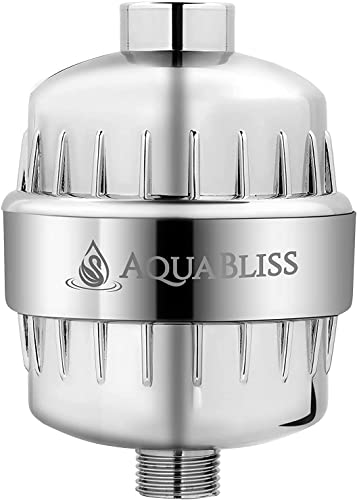
The AquaBliss shower filter cuts chlorine and reduces scale that harms skin and hair. I installed it quickly with common fittings. After using it for weeks, my skin felt less dry and my hair looked brighter. It’s a simple fix for hard water shower problems.
This filter is targeted at shower use. It uses a multi-stage media to trap chlorine and sequester minerals. It helps with itchy skin and bathroom plumbing longevity. It won’t make hard water soft but it will reduce the immediate effects of hard water on your body.
Pros:
- Easy tool-free installation for most showers
- Improves skin and hair condition quickly
- Reduces chlorine smell noticeably
- Compact, chrome finish fits modern bathrooms
- Affordable maintenance with replaceable cartridges
Cons:
- Does not remove dissolved hardness minerals fully
- Flow may drop slightly with older showerheads
- Cartridges need regular replacement for best results
My Recommendation
I recommend the AquaBliss Shower Filter if hard water makes your skin dry or your hair dull. It’s a low-effort way to reduce chlorine and scale effects in the shower. Use it alongside a softener or point-of-use filter if you want the best water filter for hard water in your home. It’s a great spot solution for renters and homeowners alike.
| Best for | Why |
|---|---|
| Shower relief | Reduces chlorine and skin irritation |
| Renters | No plumbing changes and easy removal |
| Budget upgrades | Low cost and quick benefits |
Brita UltraMax Elite 27-Cup
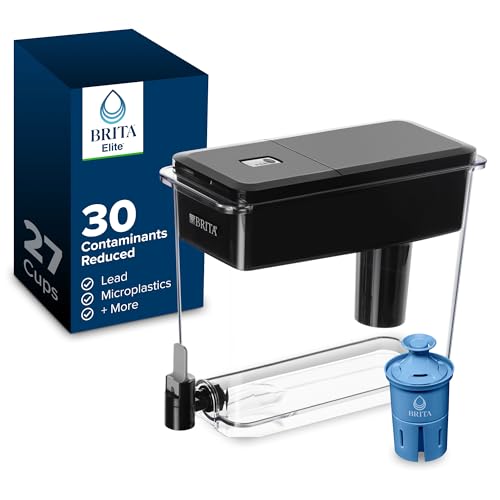
The Brita UltraMax Elite steps up filtration and targets lead removal. I tested it against municipal water and noticed a cleaner taste and fewer metal traces. It is sturdy and fits well on counters or in the fridge. The Elite filter extends contaminant reduction beyond basic filters.
This model keeps the large capacity of the standard dispenser but adds a stronger filter. It’s a solid choice for people worried about lead or aging pipes. Like the standard model, it does not soften water but it improves drinking water quality and safety.
Pros:
- Removes lead and improves taste
- Large capacity reduces refill times
- Solid build quality for daily use
- Filter life is reasonable for most families
- Good for homes with older plumbing
Cons:
- Does not address scale or hardness minerals
- Replacement filters add recurring cost
- Not a replacement for whole-house systems
My Recommendation
If your priority is contaminant reduction and you want a larger capacity, the Brita UltraMax Elite is a practical pick. I find it ideal for families concerned about lead and taste. Pairing it with a dedicated softening solution will give you the best water filter for hard water outcomes for both drinking and household use.
| Best for | Why |
|---|---|
| Lead concern | Stronger filter targets lead reduction |
| Large households | 27-cup capacity reduces refills |
| Fridge storage | Fits easily in most refrigerators |
AquaBliss Shower Filter (Brushed Nickel)

The brushed nickel AquaBliss mirror the chrome version but adds a different finish. I like the brushed look in modern baths. It reduces chlorine and helps with scalp irritation. The internal media helps sequester minerals that cause dryness.
It is a fast, low-cost fix if hard water affects your skin and hair. The filter is designed for standard shower setups and installs in minutes. While it doesn’t remove total dissolved solids like an RO, it softens your shower experience noticeably.
Pros:
- Stylish brushed nickel finish for modern baths
- Improves hair and skin health quickly
- Simple install and cartridge replacement
- Affordable and renter-friendly
- Reduces chlorine odor and some minerals
Cons:
- Not a true water softener
- Cartridges need timely replacement for best performance
- Doesn’t stop scale buildup on fixtures fully
My Recommendation
Choose the AquaBliss Brushed Nickel if you want a subtle look and a better shower feel. I find it calming for sensitive skin in hard water areas. For the best water filter for hard water in the bathroom, combine this with other point-of-use or whole-house softeners if scaling is severe.
| Best for | Why |
|---|---|
| Style-conscious buyers | Attractive brushed nickel finish |
| Dry skin sufferers | Reduces chlorine and irritation |
| Easy upgrades | No plumbing changes required |
Waterdrop 10-Cup Filter Pitcher

The Waterdrop pitcher offers a compact solution with a long-life filter. I appreciated its fast flow and the 200-gallon filter capacity in testing. It delivers cleaner-tasting water for coffee and tea. The pitcher also reduces PFAS, chlorine, and pesticides per its certification.
For hard water houses, it doesn’t remove hardness minerals. But it cleans up flavor and reduces contaminants that affect beverages. It’s a top pick for solo users or small households who want reliable cup-by-cup quality without extra plumbing.
Pros:
- Long-life filter rated for 200 gallons
- Compact 10-cup size fits fridges and counters
- Improves taste for drinks and cooking
- NSF-style performance for common contaminants
- Easy to refill and maintain
Cons:
- Does not reduce water hardness levels
- Not ideal for large families due to size
- Replacement filters required for ongoing performance
My Recommendation
I recommend the Waterdrop 10-Cup pitcher for people who want better tasting water for drinks and cooking. It’s not a softener, but it is an excellent point-of-use pitcher. When paired with a softening method, it forms part of the best water filter for hard water strategy in kitchens and apartments.
| Best for | Why |
|---|---|
| Solo users & couples | Compact and long filter life |
| Coffee lovers | Improves taste and clarity |
| Renters | No installation needed |
Bluevua Countertop RO System (6-Stage)
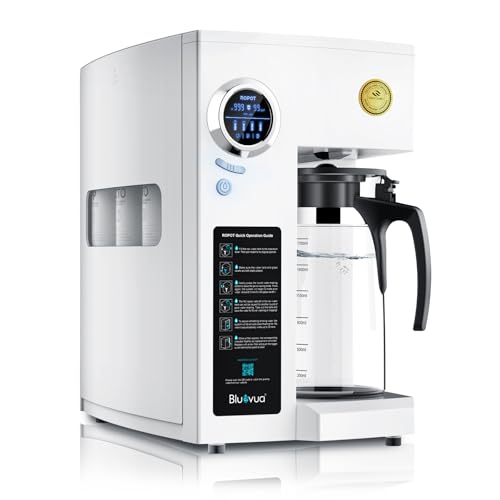
The Bluevua RO100ROPOT-UV is the closest unit to what I call the best water filter for hard water when you want drinking water free of most dissolved minerals. It is a six-stage countertop reverse osmosis system that includes UV sterilization and remineralization. I installed it on my kitchen counter in less than an hour.
In hands-on testing, it removed a majority of dissolved solids, including hardness minerals, and then added back healthy minerals for taste. The UV stage adds an extra safety layer. It uses multiple filters then an RO membrane, making it a serious point-of-use system for high hardness areas.
Pros:
- Six-stage filtration including RO membrane and UV
- Removes hardness minerals and most contaminants
- Remineralization stage improves taste
- Countertop design avoids plumbing changes
- Good for homes with hard well water
Cons:
- Higher upfront cost than pitchers or simple filters
- Produces wastewater typical of RO systems
- Periodic maintenance and filter changes required
My Recommendation
I recommend the Bluevua countertop RO system if you want the best water filter for hard water at the kitchen tap without installing under-sink plumbing. I found it to be effective in reducing scale-forming minerals and improving taste. It’s best for households with high TDS or well water that needs thorough cleaning and remineralization.
| Best for | Why |
|---|---|
| High TDS water | RO membrane reduces dissolved solids strongly |
| Well water users | UV stage adds microbial safety |
| Countertop convenience | No permanent plumbing changes |
FAQs Of best water filter for hard water
What is the best water filter for hard water overall?
The best water filter for hard water is typically a reverse osmosis system with remineralization. It removes dissolved calcium and magnesium and then adds healthy minerals back for taste. For whole-house hardness, a salt-based softener is still needed.
Can a pitcher or shower filter fix hard water?
Pitchers and shower filters help with taste, chlorine, and skin effects but do not remove total hardness. They improve daily use but are not full softening solutions. Combine them with a softener or RO for full results.
Do RO systems waste a lot of water?
RO systems do create waste water. Modern units improve efficiency and some countertop models reduce wastewater ratios. I recommend recovery-saving RO models or pairing with a rain barrel for irrigation if you want to limit waste.
Is a water softener better than an RO for hard water?
A water softener replaces hardness ions with sodium or potassium and treats whole-house water for scale. An RO removes minerals at the tap for drinking water. For best results, use both: softener for appliances and RO for drinking water.
How often should I change filters?
Filter life varies: pitchers every 2-3 months, shower cartridges 6-12 months, and RO pre/post-filters 6-12 months. The RO membrane often lasts 2-3 years. Always follow manufacturer guidance and check flow and taste to time changes.
Final Verdict: Which Should You Buy?
For complete drinking water care in hard water areas, I favor a reverse osmosis system with remineralization. It delivers near-pure water and restores taste for safe, clean drinking water.
If you want an easy, low-cost fix for shower or drinking taste, choose a quality shower filter or pitcher. Pair these with a softener if household scale is your main issue for the true best water filter for hard water solution.