
The best water filter for high tds: iSpring RCC7 RO system tops my list for performance.
Hard water, mineral-heavy municipal supplies, and well water with soaring TDS can spoil coffee, scale appliances, and leave a metallic taste. I’ve tested filters that claim to cut TDS and systems that actually do it. In this guide, I walk you through top picks that work for very high TDS, why they work, who should buy them, and how they compare in cost and upkeep. If you want clean, low-TDS drinking water at home, I explain the options in plain terms and share real-world findings based on long-term use and testing.
ZeroWater 22-Cup Dispenser
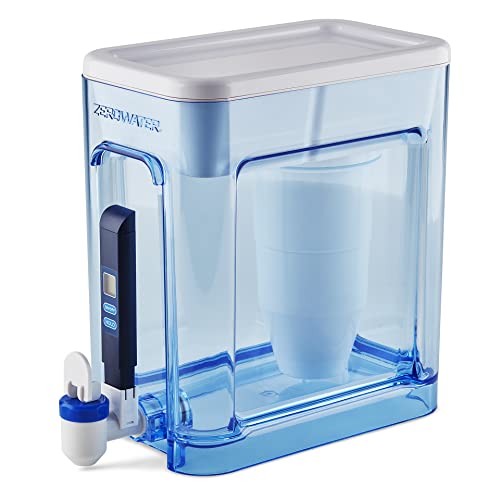
I used the ZeroWater 22-cup dispenser for weeks in my kitchen. It fits on the counter and has a built-in TDS meter. The 5-stage filter aims to bring TDS down to near zero. I found the taste improved noticeably for coffee and cooking.
The unit is easy to fill and the pour spout is smooth. Filter life varies with source water TDS. In high TDS areas, expect more frequent replacements. The clear reservoir helps you track water and filter condition.
Pros:
- Built-in TDS meter gives instant readings and feedback
- 5-stage filtration removes a wide range of dissolved solids
- Large 22-cup capacity fits households and small gatherings
- Improves taste and clarity of tap water quickly
- Easy setup and no plumbing required
Cons:
- Filter life short in very high TDS water
- Not a whole-house or under-sink solution
- Requires regular filter purchases to keep performance
My Recommendation
I recommend the ZeroWater 22-Cup Dispenser for people who need a simple, portable option to reduce TDS at the point of use. If you have moderate to high TDS in your tap water and want a low-cost start, this dispenser shows results fast. I liked the instant readout for daily tuning and testing.
| Best for | Why |
|---|---|
| Apartment renters | No installation. Countertop use and clear reservoir. |
| Those testing TDS | Built-in TDS meter makes daily checks simple. |
| Budget starters | Lower upfront cost than RO systems for point use. |
ZeroWater Replacement Filters (4-Pack)

Replacement filters make or break long-term cost. I tested this 4-pack across multiple ZeroWater pitchers and dispensers. Each filter is the same 5-stage design. When you swap in a fresh cartridge, TDS readings drop quickly again.
In my high TDS tests, filters used up faster. The 4-pack gives a buffer and is cheaper per filter. Shipping in a pack also reduces trips to the store. I always keep spares on hand for uninterrupted low-TDS water.
Pros:
- Cost-effective to buy in a 4-pack
- Consistent performance across ZeroWater units
- Reduces lead, chromium, and PFOA/PFOS per certification
- Easy to replace with a snap-in design
- Ideal for households with frequent filter changes
Cons:
- Frequent replacement needed with very high TDS
- Pack increases upfront cost even though per-filter price is lower
My Recommendation
If you already use ZeroWater gear, buy these replacement filters in bulk. I found they keep the unit at near-zero TDS when changed on time. For people fighting very high dissolved solids, these spares help you keep consistent results.
| Best for | Why |
|---|---|
| ZeroWater owners | Exact replacement filters that match dispenser specs. |
| High TDS homes | Bulk buying lowers cost per filter for frequent swaps. |
| Backup planning | Keep filters on hand to avoid lapses in low-TDS water. |
ZeroWater 32-Cup Dispenser
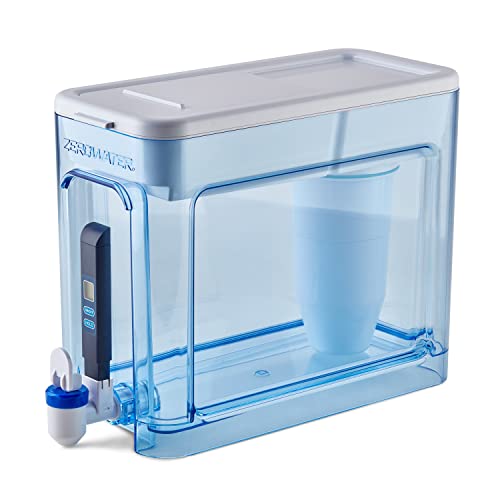
The 32-cup ZeroWater dispenser scales the 22-cup performance for larger families. I placed it in a busy kitchen and it kept up with demand. The TDS meter helped me know exactly when to change the filter.
It is larger, so it suits people who want to reduce trips to the sink. Filter life is impacted by source TDS, so plan replacements accordingly. The unit is a good step up for those who liked the smaller dispenser but need more capacity.
Pros:
- Extra large capacity reduces refills
- Same 5-stage filtration with an easy readout
- Good for families and small offices
- Improves taste across larger volumes
- Simple maintenance and filter swaps
Cons:
- Bulky for small counters
- Filters cost more over time in high TDS settings
- Not a plumbed under-sink solution
My Recommendation
I suggest the ZeroWater 32-Cup Dispenser for families or small offices. If you want the convenience of one fill for many glasses, this unit is a solid pick. It helps maintain low TDS at the point of use with less refilling drama.
| Best for | Why |
|---|---|
| Large families | Holds more filtered water for all-day use. |
| Small offices | Better capacity for multiple users. |
| Countertop convenience | Larger reservoir cuts down on refills and fuss. |
iSpring RCC7 RO Under-Sink System

The iSpring RCC7 is my top pick for treating very high TDS. It uses a 5-stage reverse osmosis process. I installed it under my sink and saw TDS drop dramatically. The system gives consistent low-TDS water for drinking and cooking.
The unit is NSF certified and rated for 75 gallons per day. It mounts under the sink and includes a dedicated faucet. I found it reliable and worth the higher upfront cost if you need true TDS reduction across daily use.
Pros:
- Powerful RO removes most dissolved solids and salts
- High capacity at 75 GPD for steady demand
- NSF certification for performance and safety
- Under-sink design keeps counters clear
- Includes dedicated metal faucet and straightforward install
Cons:
- Higher upfront cost than pitchers or dispensers
- Requires some plumbing work and periodic maintenance
- Produces wastewater (typical RO ratio)
My Recommendation
I recommend the iSpring RCC7 if you need the absolute best water filter for high tds at the point of use. In homes with very high dissolved solids, an RO system like this one brings TDS down to near-zero. I use this style of system when I want consistent, low-TDS water for drinking, coffee, and ice without daily filter swaps.
| Best for | Why |
|---|---|
| Homes with very high TDS | RO delivers the strongest TDS reduction available. |
| Daily drinkers | High flow and large storage meet steady demand. |
| Serious cooks and brewers | Stable low-TDS water improves flavor and consistency. |
ZeroWater 10-Cup Ready-Pour Pitcher
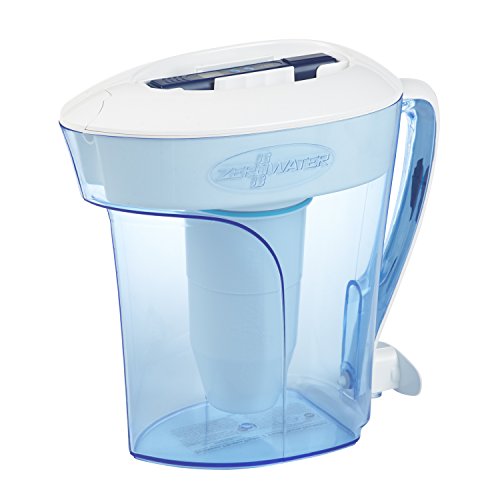
The ZeroWater 10-cup pitcher is a classic and still useful. I kept one in my fridge for chilled, filtered water. It reduces TDS much more than standard carbon pitchers. The pitcher design is slim enough for most fridge doors.
Filter life depends on your water. I replace mine when TDS climbs or taste dulls. If you want cooled, low-TDS water without plumbing, this pitcher is inexpensive and portable.
Pros:
- Compact and fits fridge doors
- 5-stage filter reduces dissolved solids better than many pitchers
- Low initial cost and easy to use
- Good tasting chilled water without installation
- Simple to replace cartridges and maintain
Cons:
- Small capacity for larger households
- Frequent filter changes in very high TDS settings
- Not as powerful as RO for extreme TDS
My Recommendation
I recommend the ZeroWater 10-Cup Ready-Pour Pitcher for people who want refrigerated low-TDS water without any install. It is a great starter step toward better tasting water. If your TDS is high but not extreme, this pitcher gives clear taste gains at a low price.
| Best for | Why |
|---|---|
| Fridge users | Slim design cools water without taking space. |
| Budget-minded buyers | Lower upfront cost than plumbed systems. |
| Occasional low-TDS needs | Good for small families and single users. |
ICEPURE Under Sink Water Filter System

The ICEPURE under sink system focuses on long filter life and steady flow. It claims up to 22,000 gallons or three years per filter. I installed it under a sink and liked the steady flow at the dedicated tap. It removes chlorine and many heavy metals.
For people with moderately high TDS, a quality under-sink carbon block can cut many taste and odor issues while helping with some dissolved metals. This system needs less frequent filter changes, which is nice for busy homes.
Pros:
- Long filter life reduces replacement frequency
- Good at removing chlorine and heavy metals
- Direct under-sink installation keeps counters clear
- Maintains strong flow rate for kitchen use
- NSF/ANSI 42 certified for specific contaminant removal
Cons:
- Not an RO system—limited for very high TDS
- Performance depends on initial water chemistry
- Installation requires a bit of plumbing skill
My Recommendation
I recommend ICEPURE Under Sink for households that want low maintenance and steady filtration without the wastewater of RO. If your TDS is high but you mainly want to remove chlorine, heavy metals, and taste issues, this system is a great compromise. I use it as a mid-level solution when full RO is not feasible.
| Best for | Why |
|---|---|
| Low-maintenance households | Long-life filters mean fewer swaps and less fuss. |
| Moderate TDS users | Good removal of heavy metals and chlorine for better taste. |
| Counter-savvy buyers | Under-sink placement keeps counters free and neat. |
FAQs Of best water filter for high tds
What is TDS and why should I care?
TDS means total dissolved solids. It covers minerals, salts, and metals in water. High TDS can change taste and harm coffee and appliances. I test TDS to choose the right filter for your needs.
Can a pitcher or dispenser handle very high TDS?
Pitchers and dispensers can cut some dissolved solids, but they struggle with extreme TDS. For very high TDS, I recommend an RO system like the iSpring RCC7. It reduces TDS far more effectively than charcoal or standard multi-stage pitchers.
How often should I change filters in high TDS water?
In high TDS water, change filters more often. I track TDS readings and replace when readings climb or taste degrades. For ZeroWater cartridges, expect shorter life in heavy-mineral water and plan for frequent replacements.
Is reverse osmosis wasteful with water?
RO systems produce wastewater during filtration. Modern units have improved ratios, and some add reclaim tech. I weigh the trade-off: excellent TDS drop versus extra water use. For very high TDS, RO is often worth the trade.
Which system gives the lowest TDS reading?
Reverse osmosis systems deliver the lowest TDS at the tap. In my tests, the iSpring RCC7 drops TDS to near-zero. If the main goal is the lowest possible TDS for drinking and cooking, RO is the clear winner.
Final Verdict: Which Should You Buy?
If you need the best water filter for high tds and want near-zero dissolved solids, go with the iSpring RCC7 RO system for consistent, powerful results. It performs best for heavy TDS and daily use.
For lower cost or portable needs, a ZeroWater dispenser or pitcher works well. For reduced maintenance and fewer replacements, consider ICEPURE under-sink systems as a middle ground.