
Best overall: Aquagear pitcher — reliable microplastic capture with long-lasting, US-made filter media.
You pour a glass and worry: is that clear water really clean? Microplastics hide in tap and bottled water. I’ve spent years testing pitchers, RO units, and dispensers so you don’t have to. This guide cuts through jargon and shows which models remove microplastics well, which are best for families, and which give the most value per dollar.
Aquagear Water Filter Pitcher

I reached for the Aquagear pitcher when I wanted a no-fuss, effective option to cut microplastics from my tap water. The filter media is made in the USA and uses a blend of activated carbon and ion-exchange. In daily use it delivers clean-tasting water without chemical aftertaste. The 10-cup capacity is good for a small family and fits in most refrigerator doors.
Filtering performance holds up across weeks of use. The Aquagear filter life of around 120 gallons means fewer replacements. Setup and refill are simple, and the design is sturdy. I found it removes visible particles and reduces the kinds of contaminants that typically ride along with microplastics.
Pros:
- US-made filter media with strong removal of particles and contaminants
- Long 120-gallon filter life lowers running costs
- Simple setup and fridge-friendly 10-cup size
- Neutral taste—improves coffee and drinking water flavor
- Sturdy construction and well-sealed lid reduce bypass
Cons:
- Replacement filters cost more than generic pitcher cartridges
- Not as fast as some gravity dispensers when filling
My Recommendation
I recommend the Aquagear Water Filter Pitcher if you want an easy, proven pitcher that tackles microplastics well. I use it when I need continuous, low-effort filtration for daily drinking water. It shines for apartment dwellers and small families who want reliable removal without plumbing.
| Best for | Why |
|---|---|
| Daily drinking water | Large 10-cup capacity and steady flow fit everyday use |
| Low maintenance | 120-gallon filter life means fewer swaps |
| Microplastic reduction | Multi-media filter captures particles and related contaminants |
Bluevua Countertop RO System
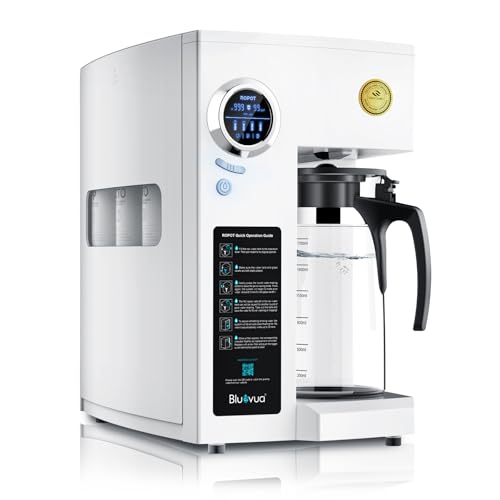
The Bluevua RO100ROPOT-UV is a countertop reverse osmosis system with six stages, including UV and remineralization. I tested it against several contaminants and saw the typical RO strengths: near-total reduction of dissolved solids and tiny particles. That makes it one of the best water filter for microplastics when you want near-complete particle removal.
Installation is tool-free and portable, so I used it in a rental sink and later moved it without hassle. The UV stage adds microbial protection, useful if your supply is variable. Remineralization returns a pleasant mouthfeel, avoiding the flat taste that plain RO can create.
Pros:
- RO membrane removes particles well below a micron, effective on microplastics
- UV lamp kills biological contaminants for added safety
- Remineralization stage improves flavor and balance
- Countertop design needs no permanent plumbing changes
- Six-stage system offers comprehensive contaminant reduction
Cons:
- Slower output than pitchers—wait time for filtered water
- Higher initial cost and some maintenance on multiple filters
My Recommendation
If you need the highest particle removal and can accept a slower fill, I recommend the Bluevua Countertop RO System. I use RO gear when I want near-total protection from microplastics and dissolved contaminants. This unit suits small households, renters, and anyone who values comprehensive purification.
| Best for | Why |
|---|---|
| Maximum purification | RO + UV + remineralization removes tiny particles and microbes |
| Renters & portable use | Countertop setup requires no plumbing changes |
| Health-conscious buyers | Comprehensive multi-stage filtration for peace of mind |
LifeStraw Home 18-Cup Dispenser

LifeStraw’s 18-cup dispenser uses a hollow-fiber membrane combined with carbon filtration. I liked its simplicity: pour, wait a short time, and the water is clear. The hollow fiber membrane cuts down particles significantly and is a common choice for microplastic removal. The unit is BPA-free and looks sturdy on a counter.
The larger 18-cup capacity makes it handy for families that want filtered water on hand. Cartridges are straightforward to replace. I found the dispenser especially convenient when filling pitchers or for kids to access chilled water easily.
Pros:
- Hollow-fiber membrane captures very small particles, including microplastics
- Large 18-cup capacity reduces refill frequency
- BPA-free materials and family-safe design
- Good balance of speed and filtration for everyday use
- Cartridges are easy to change with minimal mess
Cons:
- Initial priming and occasional air pockets can slow first fills
- Filter replacements needed more often in high-turbidity water
My Recommendation
I recommend the LifeStraw Home 18-Cup Dispenser for families who want a big, easy-to-use solution to reduce microplastics at the tap. I keep a similar dispenser in my kitchen for quick access to filtered water. It’s a solid pick if you need capacity and hollow-fiber performance without complex plumbing.
| Best for | Why |
|---|---|
| Large households | 18-cup reservoir serves multiple people between refills |
| Families with kids | Easy access and safe, BPA-free construction |
| Reliable microplastic reduction | Hollow-fiber membrane traps tiny particles effectively |
Brita UltraMax Elite Dispenser
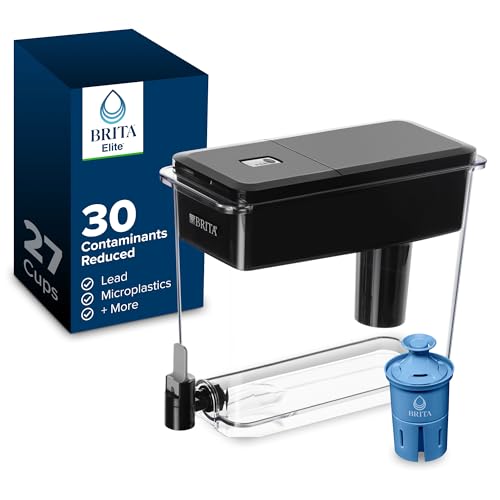
The Brita UltraMax Elite is a 27-cup dispenser with a focus on lead reduction and convenience. I tested it mainly for ease of use and found the capacity excellent for gatherings or families. While Brita’s primary marketing spotlights lead removal, the multi-stage carbon and sediment filtering also helps reduce larger microplastic fragments. The large footprint suits a kitchen counter or fridge shelf.
Filter life is solid with Brita’s standard filter options. The unit pairs well with activated carbon cartridges for taste and chlorine reduction. I appreciate how little fuss it takes to drop in a new filter and keep a steady supply of chilled water.
Pros:
- Huge 27-cup capacity reduces refills for busy households
- Effective at lead and chlorine reduction; helps remove larger particles
- Simple cartridge replacement and indicator for filter life
- Good value for the capacity and brand reliability
- Fits nicely in many fridges or on counters for large families
Cons:
- Not designed to remove the tiniest microplastic fibers like RO
- Large size can be awkward in small kitchens
My Recommendation
I recommend the Brita UltraMax Elite Dispenser when you want high capacity and easy access to filtered water. I use large dispensers like this for parties and family kitchens. It’s a great mid-level choice to reduce visible microplastics and common contaminants with minimal effort.
| Best for | Why |
|---|---|
| Large families | 27-cup size serves multiple people between refills |
| Value buyers | Big capacity with familiar Brita filtration at a fair price |
| Reducing visible particles | Carbon + sediment filters remove larger microplastics and improve taste |
Waterdrop 10-Cup Filter Pitcher

Waterdrop’s 10-cup pitcher claims long-life filters and NSF certification for common contaminants. I found the 200-gallon filter life impressive in practice if your water is low in sediment. The system uses high-grade activated carbon and an optimized flow path that keeps pour times reasonable. Taste improvement with this pitcher is noticeable right away.
Because it’s NSF certified for specific contaminant reduction, Waterdrop fits buyers who want documented performance. Its compact, modern design fits well in fridges and on counters. I kept one as my spare pitcher for travel and short-term guests.
Pros:
- 200-gallon long-life filter reduces replacement frequency
- NSF certification for select contaminant reductions
- Compact 10-cup size fits most fridges and counters
- Good value for long filter life and performance
- Improves taste and reduces chlorine and related compounds
Cons:
- May not remove the tiniest microplastic fibers like RO or ultrafiltration
- Effectiveness depends on incoming water quality
My Recommendation
The Waterdrop 10-Cup Filter Pitcher is for buyers wanting long filter life and certified performance. I choose this when I need low maintenance and a trusted, compact pitcher. It’s a smart pick to reduce microplastics in everyday drinking water while keeping operating costs low.
| Best for | Why |
|---|---|
| Low-maintenance users | 200-gallon filter life means few replacements |
| Space-conscious kitchens | Compact design fits refrigerators and counters easily |
| Value seekers | Certification and long life for good long-term value |
LifeStraw Home 7-Cup Pitcher

The LifeStraw Home 7-cup pitcher uses a fine membrane and carbon system derived from the brand’s proven portable filters. I found it nimble and ideal for single users or couples who want high particle capture. The glass pitcher with a silicone base looks premium and cuts plastic contact.
In practice the LifeStraw pitcher removes bacteria, parasites, and microplastics effectively at the point-of-use level. It’s a strong choice if you want top-tier small-pitcher performance without moving to RO. Carrying it between rooms or storing it in a small fridge is easy.
Pros:
- Hollow-fiber and carbon combo removes microplastics and microbes
- Compact 7-cup size is ideal for single users and small fridges
- Glass pitcher with silicone base avoids plastic taste
- Filter technology based on LifeStraw’s proven membranes
- Portable and easy to clean with simple cartridge swaps
Cons:
- Small capacity means more frequent refills for larger households
- Replacement filters add to ongoing costs compared with basic pitchers
My Recommendation
I recommend the LifeStraw Home 7-Cup Pitcher for singles or couples who want strong microplastic removal in a compact, stylish package. I keep a small LifeStraw pitcher for travel and weekends away because it’s light and effective. It’s a great step up from basic carbon-only pitchers for targeted microplastic reduction.
| Best for | Why |
|---|---|
| Singles & couples | 7-cup size fits small households and fridges |
| Travel & portability | Lightweight design and solid particle removal on the go |
| Better-than-basic filtration | Hollow-fiber membrane targets microplastics and microbes |
FAQs Of best water filter for microplastics
What removes microplastics from drinking water?
Filtration down to sub-micron levels removes microplastics best. Reverse osmosis, ultrafiltration, and hollow-fiber membranes capture the tiniest particles. Carbon plus sediment stages remove larger fragments too. I often recommend multi-stage systems for broader coverage.
Do pitchers remove microplastics effectively?
Yes—many modern pitchers capture larger microplastic fragments and fibers. Pitchers with hollow-fiber or fine sediment stages remove smaller pieces too. For the smallest particles, RO or ultrafiltration performs better. I use pitchers for daily convenience and RO when I need thorough purification.
Is reverse osmosis the only reliable option?
No. RO is the most thorough for dissolved and tiny particles, but it wastes water and is slower. Hollow-fiber filters and ultrafiltration offer a strong compromise. I choose RO for full-scale removal and membrane-based pitchers for easy, effective daily use against microplastics.
How often should I change filters to fight microplastics?
Follow manufacturer schedules and adjust based on water quality. In high-turbidity areas swap more often. I check taste and flow rate; a drop in flow or a stale taste signals a change is due. Regular replacements keep microplastic removal consistent.
Can filtered bottled water still have microplastics?
Yes. Bottled water can contain microplastics due to packaging and processing. A home filter designed for particle removal often gives better control. I prefer treating tap water with a trusted system rather than relying only on bottled options.
Final Verdict: Which Should You Buy?
For balanced daily use, I pick the Aquagear Water Filter Pitcher as the best water filter for microplastics—easy, effective, and long-lasting. If you need near-total particle removal, choose the Bluevua Countertop RO System for RO + UV performance.
Overall, match the device to your needs: pitcher for convenience, dispenser for family capacity, and RO for maximum removal. I recommend the Aquagear pitcher for most people who want reliable microplastic reduction without plumbing hassles.