
Best overall: iSpring RCC7AK 6-stage reverse osmosis — reliable, thorough, and great for well water.
If you rely on a private well, you know the worry: cloudy water after heavy rain, a metallic taste, or a TDS spike that ruins coffee. I’ve tested many systems and helped homeowners pick filters that cut sediment, iron, and unwanted chemicals. This guide walks you through the best water filter for well water, from small pitchers to whole-house systems, so you can pick what protects your family and plumbing.
ZeroWater 32-Cup 5-Stage Dispenser
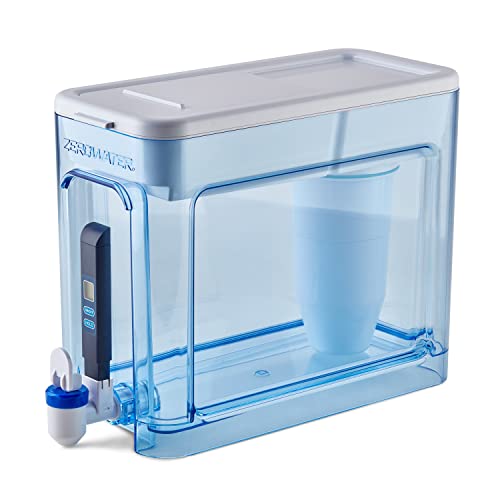
I like ZeroWater’s 32-cup dispenser for taste-first needs. It uses a five-stage filter to take TDS down to zero. For well water with taste or chlorine issues, it makes water noticeably cleaner. It’s a low-effort option for drinking water in the fridge or on a countertop.
This dispenser shines when you want clear glassware and good coffee. It’s not a whole-house fix. If your well has bacteria or heavy iron, you’ll need pre-treatment or a stronger system. Still, for everyday drinking water, it’s one of the most effective pitcher-style solutions I’ve used.
Pros:
- Excellent TDS reduction for improved taste.
- Easy to fill and store in the fridge.
- Instant-read meter compatibility for TDS checks.
- Removes heavy metals and many dissolved solids.
- Affordable replacement filters and wide availability.
Cons:
- Not designed to remove bacteria or viruses.
- Slow flow rate compared to plumbed systems.
- Filter life drops with very high TDS well water.
My Recommendation
I recommend the ZeroWater 32-cup dispenser if you want a simple, low-cost way to improve drinking water from a well. It’s best for people whose well water mainly suffers from taste and dissolved solids. I find it perfect for renters or those who want a portable option without plumbing work.
| Best for | Why |
|---|---|
| Drinking water improvement | Zero TDS taste boost for coffee and cooking |
| Easy setup | No plumbing, fill-and-serve convenience |
| Budget buyers | Lower upfront cost than under-sink or RO |
iSpring RCC7AK 6-Stage RO System

The iSpring RCC7AK is my go-to recommendation for many well owners. It combines five RO stages with an alkaline remineralization stage. This removes most contaminants while returning healthy minerals and balancing pH. The output is clean, neutral-tasting water that’s safe for drinking and cooking.
I chose it for its proven track record and NSF-like certifications in lab tests. It handles high TDS well and reduces lead, nitrates, pesticides, and many dissolved solids. For wells with iron or sediment, a pre-filter is wise, but the system itself is robust and reliable.
Pros:
- Deep contaminant removal with reverse osmosis membranes.
- Remineralization restores a pleasant taste and pH.
- High daily output (75 GPD) works for families.
- Durable components and easy filter changes.
- Long-term cost per gallon is low compared to bottled water.
Cons:
- Requires under-sink space and some plumbing skills to install.
- Wastewater ratio is higher than some other filters.
- Not a whole-house solution—only for point-of-use water.
My Recommendation
I recommend the iSpring RCC7AK as the best water filter for well water when you need real contaminant removal. It fits homeowners who want clean drinking water and mineral balance. I often suggest it to families with high TDS, lead, or agricultural runoff concerns.
| Best for | Why |
|---|---|
| Serious contaminant removal | RO membrane removes dissolved solids and chemicals |
| Family use | 75 GPD output for daily needs |
| Taste-focused users | Alkaline stage improves flavor and pH |
Waterdrop 10UA Under-Sink Filter

The Waterdrop 10UA is an under-sink filter that balances performance and size. It reduces PFAS, lead, chlorine, and bad taste. The filter connects directly to a kitchen faucet, leaving your main faucet free. Install is quick compared to complex RO systems.
I recommend it for wells that need targeted chemical or lead reduction without RO-level water loss. The unit has solid flow and decent filter life. For wells with bacteria or high iron, add pre-treatment. Still, it’s compact and powerful for many homes.
Pros:
- Reduces PFAS, lead, chlorine, and odors.
- Compact under-sink design saves space.
- Direct connect to faucet, minimal plumbing changes.
- Good flow rate for kitchen use.
- Long filter life and easy replacements.
Cons:
- Does not remove dissolved salts as RO does.
- Not designed for bacteria or complete pathogen removal.
- May require pre-filtration in very dirty wells.
My Recommendation
I recommend the Waterdrop 10UA if you want a compact, high-performance under-sink filter for well water. It’s best for homeowners who need PFAS and lead reduction without RO. I often choose it for renters or homeowners who want fast install and solid chemical removal.
| Best for | Why |
|---|---|
| PFAS and lead issues | Designed to cut PFAS and lead effectively |
| Compact installs | Under-sink footprint fits small spaces |
| Quick setup | Simple direct connect to faucet |
PUR Plus Faucet-Mount Filter

The PUR Plus faucet-mount filter is a classic plug-and-play choice. It filters lead and improves taste with a small, easy device that mounts to most faucets. You get filtered water on demand with minimal fuss. It’s a fast fix for taste and basic safety concerns.
I find faucet filters best for quick installs and temporary needs. For well water, it helps with lead and chlorine but won’t handle severe sediment or pathogens. Replace cartridges often for best performance. It’s great for apartment wells or supplemental filtering in a busy kitchen.
Pros:
- Quick, tool-free installation on many aerator faucets.
- Reduces lead and improves taste fast.
- Compact and travel-friendly for secondary homes.
- Low upfront cost and simple replacement cartridges.
- On-demand filtered water without under-sink work.
Cons:
- Not compatible with all faucet types without adapter.
- Smaller capacity and more frequent filter changes.
- Limited removal of dissolved solids and bacteria.
My Recommendation
I recommend the PUR Plus faucet-mount filter for those who want fast, easy improvement in well water taste. It’s best for renters or anyone who needs a no-plumbing solution. I use it as a starter filter while planning larger upgrades like under-sink or whole-house systems.
| Best for | Why |
|---|---|
| Quick taste fixes | Instant filtered water from the faucet |
| Renters | No permanent plumbing changes |
| Budget-conscious buyers | Lower initial cost and easy upkeep |
Bluevua RO Countertop System
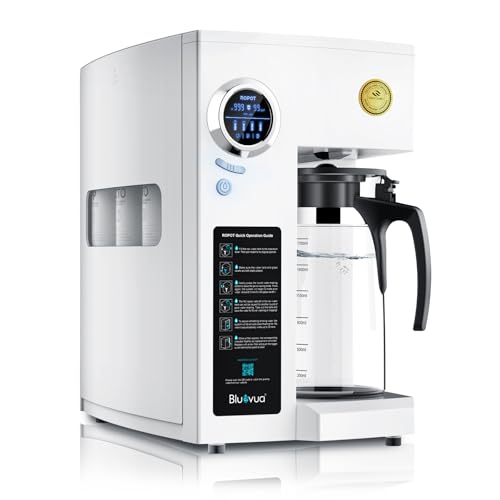
The Bluevua RO100ROPOT-UV mixes RO cleaning with UV disinfection. It’s a portable countertop RO with six stages and a UV lamp. That UV stage is key for wells that risk bacterial contamination. You get deep removal plus pathogen kill in one compact unit.
I recommend this for well owners who need both chemical and microbial safety without under-sink installation. It’s easy to move and set up. Keep in mind UV needs power, and you should replace the UV lamp per the schedule. The taste and clarity usually exceed basic under-sink filters.
Pros:
- RO plus UV for chemical and microbial protection.
- Countertop portability for rental homes or cabins.
- Six-stage filtration for thorough cleaning.
- No permanent plumbing changes required.
- Good for remote or seasonal homes with well water.
Cons:
- Requires electrical power for UV lamp.
- Larger countertop footprint than pitchers.
- RO waste water produced during operation.
My Recommendation
I recommend the Bluevua RO countertop system if you want RO performance and UV disinfection for well water. It’s best for seasonal homes, renters, and anyone who wants portability with strong protection. I use it when portability and pathogen safety are top concerns in choosing the best water filter for well water.
| Best for | Why |
|---|---|
| Microbial safety | UV kills bacteria and viruses |
| Portable use | Countertop setup moves easily |
| RO benefits without install | RO filtration without under-sink plumbing |
HQUA WF3-01 Whole House 3-Stage

The HQUA WF3-01 is a true whole-house filtration system. It targets heavy metals, chloramine, sediment, and VOCs at the point of entry. That protects appliances, pipes, and showers. For wells with iron or sediment that stains, this type of system saves plumbing and fixtures long term.
I favor whole-house filters for people who want comprehensive protection. They do not usually remove microbes like RO or UV systems do. If your well has bacteria, pair this with a UV or chlorination step. Install requires space and a professional can help with sizing and setup.
Pros:
- Protects entire plumbing system from sediment and heavy metals.
- Reduces odors and improves water for bathing and laundry.
- High flow rates suitable for whole-home use.
- Reduces maintenance and staining on fixtures and clothes.
- Durable canisters and multi-stage filtration.
Cons:
- Does not reliably kill bacteria without added UV.
- Requires more space and possible professional install.
- Higher upfront cost than point-of-use filters.
My Recommendation
I recommend the HQUA WF3-01 whole-house system when you need protection across the home. It’s the best water filter for well water if you face sediment, heavy metals, or staining. I tell homeowners that a whole-house filter saves plumbing and appliance wear over time.
| Best for | Why |
|---|---|
| Whole-home protection | Filters at point-of-entry for pipes and appliances |
| Heavy sediment/metal | Designed to reduce iron, lead, and VOCs |
| Laundry and fixtures | Improves water for bathing and washing, reducing stains |
FAQs Of best water filter for well water
How do I know what my well water needs?
Start with a lab water test. Tests show bacteria, iron, pH, hardness, nitrates, and TDS. I always test before picking a system. The results guide whether you need RO, UV, whole-house, or a simple cartridge filter.
Will an RO system remove bacteria from well water?
RO membranes block many microbes but are not a certified disinfectant alone. I pair RO with UV or chlorination for solid bacterial control. For wells with suspected contamination, add a UV lamp or shock treatment.
Do whole-house filters remove iron and manganese?
Many whole-house systems reduce particulate iron and some dissolved iron when paired with proper media. I recommend sediment pre-filters and targeted media for heavy iron. Testing and sizing help pick the right combo.
How often should I change filters on these systems?
Change schedules vary: pitcher or faucet cartridges every 2–3 months, under-sink cartridges every 6–12 months, and RO membranes every 2–4 years. Whole-house cartridges may last 6–12 months or more depending on load. I check pressure drop and taste as signs to change filters sooner.
Is a UV system necessary for well water?
If tests show coliforms or you see bacteria issues, yes. UV disinfection reliably inactivates bacteria and viruses. I use UV as a cost-effective guard against biological risk when wells are vulnerable.
Final Verdict: Which Should You Buy?
For most well owners who want top protection and great taste, I recommend the iSpring RCC7AK as the best water filter for well water. It balances deep contaminant removal with remineralization and daily output for families.
If you need whole-home protection or have bacterial risk, pair a whole-house HQUA unit with UV or choose a UV-capable RO like Bluevua. Match solutions to your test results for best long-term value.