My top pick for raw milk: Bear Yogurt Maker with strainer and digital timer.
I live in the US, in Portland, Oregon, and I have made yogurt from raw milk in small city kitchens for years. Imagine this: a cool morning, a quart of fresh raw milk from a local farmer, and a desire to turn it into thick, tangy yogurt without killing the beneficial bacteria. That is the problem these machines and strainers solve. They give steady, gentle heat, easy draining, and safe jars for fridge storage. I tested models, strainers, and small incubators so I could recommend the best yogurt maker for raw milk for home cooks like you.
Bear Yogurt Maker (Digital, Stainless)
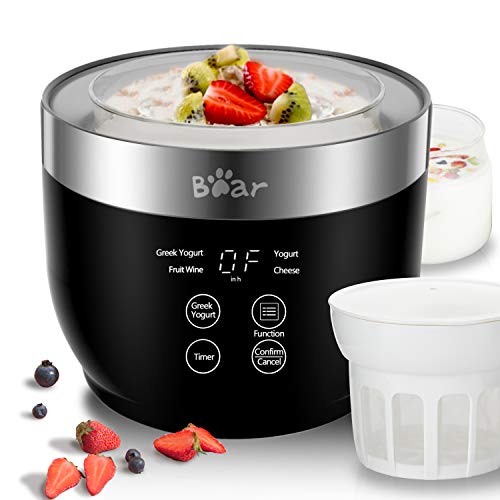
I used the Bear Yogurt Maker to make yogurt from raw milk. The unit holds a stainless steel inner pot and keeps heat steady. Its digital timer helps me set precise incubations. I like the built in strainer for Greek style yogurt. Glass jars are easy to clean and safe for food. The machine feels solid on my counter. It warms slowly, which is ideal for raw milk. The control panel is simple to use. I trust this maker for small batches at home.
In use, the Bear maker keeps temps steady for 6 to 12 hours. I measure milk temperature before adding culture. It handles small quarts well and fits under my cabinet light. The strainer lets me make thick Greek yogurt without extra gear. I found jars seal tight and pour cleanly. Cleanup is fast since parts are smooth stainless and glass. Noise is low so it sits near my stove. I can control time and remove jars when done. This system works as a gentle incubator for raw milk. It makes consistent results batch after batch.
Pros:
- Stainless pot gives even heat and is easy to sanitize
- Digital timer for precise incubations with raw milk
- Includes glass jars for safe storage and labeling
- Built-in strainer option for thick Greek-style yogurt
- Quiet operation ideal for overnight incubations
Cons:
- Limited batch size—best for small households
- Learning curve for temperature control with raw milk
My Recommendation
I recommend the Bear Yogurt Maker if you want a compact, reliable unit to handle raw milk with minimal fuss. For me, this is the best yogurt maker for raw milk when I want steady temps and clean jars. It fits a small kitchen and gives repeatable results. If you value glass jars and a mild heat profile, this maker is ideal. It balances cost, ease, and safety well and is widely available in stores and online.
| Best for | Why |
|---|---|
| Small batches | Compact size and glass jars fit daily needs |
| Beginner users | Simple controls and a clear timer make it easy |
| Greek-style yogurt | Built-in strainer helps yield thick texture |
Ultimate Yogurt Strainer (2.3 Qt Nylon)

I use the Ultimate Yogurt Strainer for thick Greek yogurt from raw milk. The strainer catches whey while keeping live cultures intact. It holds about two liters, so I can strain a family batch. The nylon mesh is fine and food safe. It fits well in my fridge and cleans in the dishwasher. The design reduces sugar and lactose by letting whey drain. I like that it is BPA free and has sturdy handles. The mesh keeps bits of curd and yields smooth yogurt. It works with cheese cloth too when I need a finer strain.
When I strain yogurt, I pour cold raw milk yogurt slowly. The strainer leaves yogurt thick in about two to six hours. I check texture and stop when I reach my preferred creaminess. It keeps probiotics alive because it only drains whey. I fold in fruit after straining to avoid waterlogging. The large capacity helps when I make yogurt for guests. Cleaning is quick since the mesh rinses under a tap. I pack the strained yogurt in glass jars and chill. This method makes rich, high protein yogurt from raw milk each time.
Pros:
- Large 2.3 quart capacity for family batches
- Fine mesh boosts protein and texture
- BPA-free and dishwasher safe for easy care
- Holds probiotics intact while removing whey
- Sturdy handles make it simple to lift when full
Cons:
- Large size needs fridge space
- Not ideal for single servings without extra jars
My Recommendation
If you often make family batches, the Ultimate Yogurt Strainer is the best yogurt maker for raw milk to convert plain yogurt into a high protein, Greek-style treat. I use it when I want consistent thick yogurt and less lactose in the final cup. It is best for home cooks who strain regularly and want a hands-off drain. The value is clear for families and hosts. Use the strainer after a gentle incubator and you will get creamy, scoopable yogurt every time.
| Best for | Why |
|---|---|
| Family batches | Large capacity reduces strain time per cup |
| High-protein yogurt | Drains whey for thicker texture and higher protein |
| Easy cleanup | Dishwasher-safe mesh and durable build |
Greek Yogurt Strainer 1100ml

I keep the 1100ml Greek Yogurt Strainer for small to medium batches of raw milk yogurt. Its fine mesh bag helps make dense, creamy yogurt. The lid helps prevent spills and keeps fridge smells out. I pour yogurt into the strainer and let whey drip for hours. The compact size fits in my fridge door and on small shelves. It works well for kefir and soy yogurt too. The material feels durable and safe for food. The strainer is light and easy to lift when full. I like its quick clean up after use.
When I make yogurt from raw milk, I watch temp and time closely. This strainer makes thick results in three to eight hours depending on how much whey I remove. I often strain overnight in the fridge for best texture. The fine mesh keeps curd intact while letting clear whey drain. I reuse the whey for sourdough, soup, or garden feed. The strainer handles fruit mixes but I avoid very chunky additions. Storage is easy in glass jars after straining. I recommend gentle handling and clean rinses to keep the mesh long lasting.
Pros:
- Compact 1100ml size fits small fridges
- Fine mesh yields smooth, creamy yogurt
- Lightweight and easy to handle
- Lid prevents spills and contamination
- Works with a variety of milk types
Cons:
- Not ideal for very large family batches
- Fine mesh can clog with very chunky mixes
My Recommendation
For cooks who make the best yogurt maker for raw milk a regular habit, this 1100ml strainer is a strong choice. I use it for daily batches when I want a balance between size and ease. It is perfect if you want thick cups without committing to a huge drain vessel. The lid and fine mesh protect culture and yield consistent texture. It is an effective, low cost tool to pair with any incubator or oven method for raw milk yogurt.
| Best for | Why |
|---|---|
| Daily use | Good size for small families or regular makers |
| Multi-use | Handles kefir, soy, and yogurt straining |
| Easy storage | Compact form fits in fridge door |
Greek Yogurt Strainer 200ml

I bought the 200ml Greek Yogurt Strainer for single servings from raw milk. It fits small jars and is great for quick snacks. The fine mesh bag holds curd and drains whey well. I use it when I want thick yogurt for one meal. The small size makes it fast to chill and easy to clean. It is handy for travel or for packing lunches. The mesh handles small seeds and pulp without clogging. I like the tight lid that keeps insects out in summer. This tool gives fast, thick results for one person servings.
For raw milk yogurt, I heat milk gently then cool before adding culture. This small strainer works with jars I can pour into. Draining takes one to three hours for a thick cup. I check taste and texture and stop when I like it. The strainer cleans in seconds under a tap. I do not put very hot curds in the mesh to avoid damage. The unit is cheap and replaces pricey lab gear. For small households it cuts waste and is fast. I keep one in my cupboard at all times.
Pros:
- Perfect for single servings and quick use
- Small footprint—easy to store
- Fast drain time for immediate snacks
- Affordable and simple to replace
- Good for travel or lunch prep
Cons:
- Small capacity—needs multiple runs for family
- Not intended for heavy commercial use
My Recommendation
If you want the best yogurt maker for raw milk for single servings, the 200ml strainer is the one to pick. I use it for quick, thick cups that I eat at work or on the go. It saves time and reduces food waste. For a lone cook, this tiny strainer is a big help. Pair it with any small incubator or jar method and you will get dense yogurt fast. It is a low-cost, high-value tool for daily yogurt lovers.
| Best for | Why |
|---|---|
| Single servings | Small size quickens chilling and draining |
| Travel | Compact and easy to pack in a bag |
| Low waste | Only make what you need each time |
Euro Cuisine YM80 Yogurt Maker
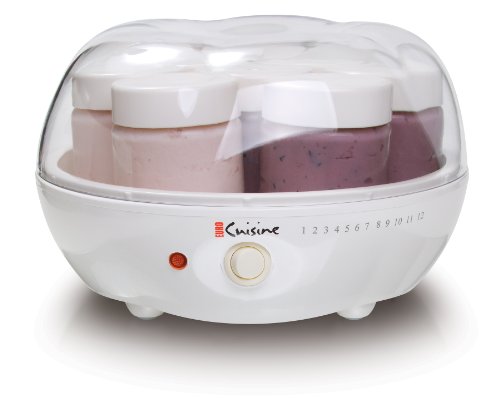
I have used the Euro Cuisine YM80 to incubate raw milk yogurt and kefir. The unit comes with seven glass jars that fit well in the tray. The heater keeps a steady, low heat that is kind to raw milk cultures. The simple on/off switch and the low footprint make it a good fit for small kitchens. I like that the jars are easy to label and store. The machine runs quietly while it incubates overnight. I remove jars when the yogurt reaches my target firmness. This maker gives consistent home results with no fuss.
When I use this machine with raw milk, I heat milk to pasteurize only if I want safety. Some raw milk fans skip heat and use gentle warm holds. The YM80 is best when I carefully track milk temps. Each glass jar seals well and is simple to wash. The unit keeps steady warmth for eight to twelve hours. I like the even heat across all jars. It makes plain yogurt that I can strain later for Greek style. I appreciate the small size and solid build for daily use at home.
Pros:
- Seven glass jars let you make multiple small batches
- Even, gentle heat that suits raw milk cultures
- Compact footprint for small kitchens
- Low noise for overnight incubation
- Glass jars are easy to clean and store
Cons:
- No digital temp control—manual monitoring helps
- Fixed jar size limits larger batch flexibility
My Recommendation
The Euro Cuisine YM80 is my pick if you want glass jars and reliable, even heat. I consider it one of the best yogurt maker for raw milk options for makers who value jar incubation. It suits households that want multiple small jars and easy labeling. If you need a simple incubator that runs quietly overnight, this unit is a great match. It gives steady results and pairs well with any strainer for Greek-style yogurt after incubation.
| Best for | Why |
|---|---|
| Multiple servings | Seven jars let you make varied flavors at once |
| Jar incubation | Glass jars provide safe storage and easy labeling |
| Quiet use | Runs quietly for overnight incubation |
How I Make Safe, Great Yogurt from Raw Milk
I will share the clear steps I use to get great yogurt from raw milk. I aim to keep the process simple and safe. I use short, repeatable steps every time. I follow hygiene, gentle heat, and patience. This method keeps the live cultures in raw milk alive and happy.
Step 1: Source and taste the raw milk. I buy from a farm I trust. Fresh milk smells clean and slightly sweet. If milk smells off, I skip it. I store milk cold and use it within a few days. I never use milk that shows separation or an odd odor for yogurt.
Step 2: Decide on pasteurize or not. I give two safe options. Option A is to heat to 165°F (74°C) for 15 seconds, then cool to 110°F (43°C) before adding culture. That pasteurizes and resets bacteria, then lets me add a known culture. Option B is a no-heat method. I use very fresh, farm-clean raw milk and a trusted starter and keep an eye on temps. For true raw milk lovers, the low-heat or no-heat method keeps most enzymes intact. I personally mix methods depending on the batch and family needs.
Step 3: Choose a starter. I use yogurt from a previous batch or a freeze-dried starter. For raw milk, pick a culture that works at lower temps. I measured temps and expect incubations between 100°F and 110°F (38°C–43°C). I add a small dose of starter—about 2 tablespoons per quart—or follow the starter packet directions. Mix gently and avoid whipping in air.
Step 4: Incubation choices. I use an incubator when I want the best repeatable results. The Bear unit and Euro Cuisine YM80 hold temps steady. I also sometimes use my oven with a towel and a thermometer when I want flexibility. Keep temps steady and avoid big swings. I incubate for 6–12 hours depending on the tang and firmness I want. Long incubations yield a tangier yogurt and can handle lower starting temps.
Step 5: Strain or store. To make the best yogurt maker for raw milk results, I often use a strainer like the Ultimate Yogurt Strainer. Straining removes whey and yields thick Greek-style yogurt. I strain in the fridge for food safety. If you want drinking yogurt, skip the strain. Save whey for baking, sourdough starter, or soups—it’s useful and reduces waste.
Step 6: Chill and enjoy. After incubation, chill for several hours to let the curd set. Cold temps firm yogurt and slow bacterial activity. I seal jars and label them with dates. Raw milk yogurt keeps nicely for 5–10 days in my fridge. If you are feeding infants, immune-compromised people, or pregnant adults, consult health guidance before serving raw milk products.
Temperature notes: I use a probe thermometer with every batch. For raw milk, aim for stable incubations near 105°F (41°C). Avoid temps over 115°F (46°C) to keep cultures alive. If I pasteurize first, I cool to 110°F before adding culture. Consistency beats exact time. A steady 105°F for eight hours will beat a wild swing of 95°F to 115°F.
Tools I recommend: a good thermometer, glass jars, a reliable incubator, and one or two strainers. For the best yogurt maker for raw milk setups, pair an incubator like the Bear or YM80 with a strainer that matches your batch size. I find that a small strainer for single servings and a large one for family batches cover most needs.
Safety tips: Keep everything clean. Wash hands, sanitize jars with hot water, and avoid cross contamination. When in doubt, heat milk for a short pasteurization step. Use trusted starter cultures and test a small batch if you are trying a no-heat method for the first time. These habits keep your yogurt tasty and lower risk.
FAQs Of best yogurt maker for raw milk
Is it safe to make yogurt from raw milk?
Yes, with caution. If you want to reduce risk, heat milk briefly to pasteurize and then cool before adding starter. If you prefer raw, use very fresh milk from a trusted farm, keep all tools clean, and watch temps closely. I follow a strict hygiene routine every time.
What temperature is best for raw milk yogurt?
Keep incubations steady around 100–110°F (38–43°C). I aim near 105°F (41°C) for most starters. Avoid sudden temperature swings and never go above 115°F (46°C) to preserve beneficial bacteria.
Do I need a special starter for raw milk?
No special starter is required, but some cultures perform better at lower temps. I use a starter labeled for low-temp fermentation or a bit of my last batch. A good freeze-dried culture also works well.
Can the best yogurt maker for raw milk make Greek yogurt?
Yes. Use a strainer after incubation to remove whey. Large strainers or fine mesh bags work best for thicker, Greek-style yogurt. I recommend chilling before you strain for cleaner separation.
How long does raw milk yogurt last?
Stored cold in glass jars, yogurt lasts 5–10 days. I mark jars with dates. If it smells off or has mold, discard it. Trust senses and keep clean storage routines.
Final Verdict: Which Should You Buy?
If you want the best yogurt maker for raw milk overall, the Bear Yogurt Maker gives steady heat, a gentle profile, and easy jars for storage. It is my top pick for small kitchens and regular use.
For strainers, the Ultimate Yogurt Strainer is best for family batches while the small 200ml unit is best for single servings. Choose the combo that matches your batch size and routine.