
Yes — a pressure cooker cooks most types of rice much faster than traditional stovetop methods.
Can a pressure cooker cook rice faster? Absolutely — and I’ll show you how, why, and when it helps most. I’ve cooked rice in pressure cookers for years, tested timings, and tuned water ratios for different grains. This guide gives clear steps, real tips, and practical timing so you can get fluffy rice quickly and reliably. Read on to learn the best ways to shave time off rice cooking without losing taste or texture.

How a pressure cooker speeds up cooking
A pressure cooker seals in steam and raises internal pressure. This raises the boiling point of water. Higher temperature means rice cooks faster and more evenly. Trapped steam also forces water into the grain faster. That combination shortens cook time for most rice types.
Key physics points:
- Higher pressure increases boiling temperature.
- Faster heat transfer cooks starch inside grains quicker.
- Sealed environment reduces water loss and keeps flavors.
Can a pressure cooker cook rice faster? Yes, because of these heat and pressure effects. Manufacturers and cooks use this to save time, fuel, and effort.
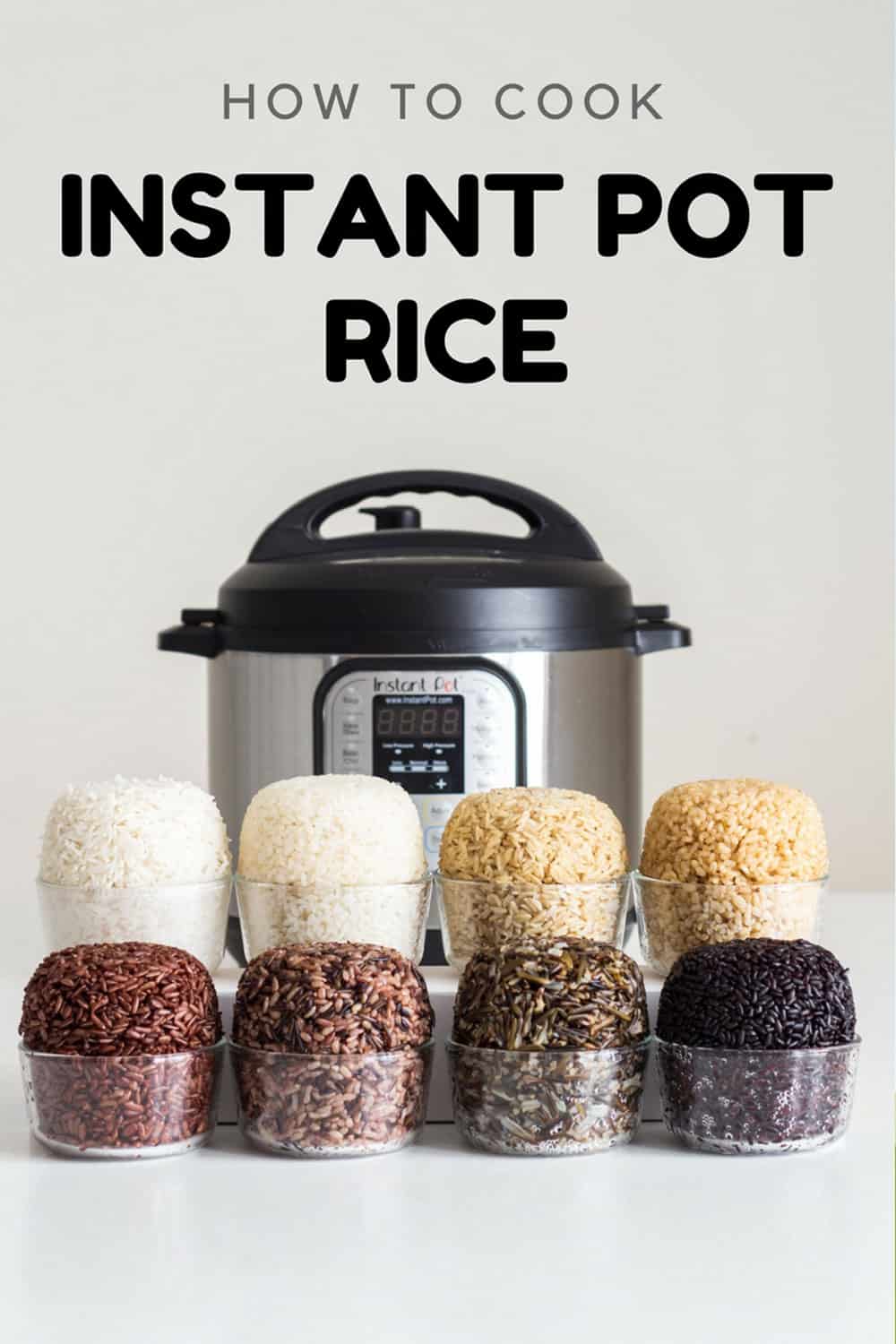
Can a pressure cooker cook rice faster — real time comparisons
Can a pressure cooker cook rice faster compared to stovetop or rice cooker methods? In short, yes for many rice types. Here are typical examples using a conventional electric pressure cooker at high pressure:
- White rice (short/medium grain): 3–6 minutes under pressure; total time 12–20 minutes with heat-up and release.
- Basmati or jasmine: 4–6 minutes under pressure; total time 15–22 minutes.
- Brown rice: 18–22 minutes under pressure; total time 35–45 minutes.
- Wild rice blends: 20–25 minutes under pressure; total time 45–55 minutes.
Compare to stovetop:
- White rice stovetop simmer time is often 15–20 minutes; total time 25–35 minutes.
- Brown rice stovetop simmer time is 35–45 minutes; total time 50–65 minutes.
So can a pressure cooker cook rice faster? For white rice the pressure cooker often halves active cook time. For brown rice it cuts time significantly as well, though not as dramatically as with white rice.
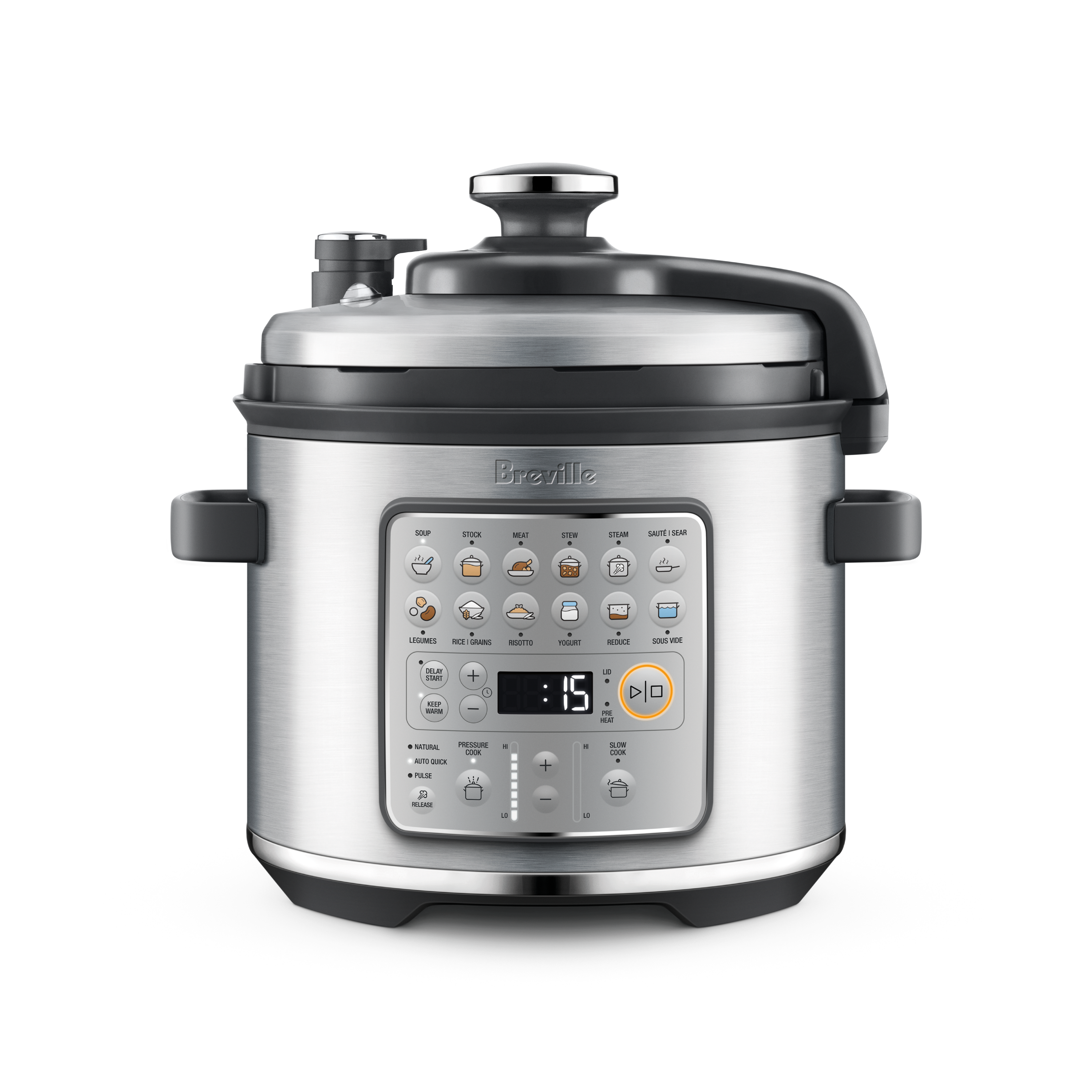
Rice types and how pressure cooking affects each
Different grains respond differently in a pressure cooker. Knowing the grain helps you pick time, water, and release method.
White rice
- Short, medium, long, jasmine, basmati: cook quickly and evenly. Rinse to remove surface starch for fluffier grains.
Brown rice
- Has bran layer. Needs more time and water. Pressure cooking reduces still-long simmer times.
Parboiled rice
- Firmer and less sticky; pressure cooks well and shortens time.
Wild and blends
- Often need longer pressure time or pot-in-pot methods to avoid overcooking mixed grains.
Can a pressure cooker cook rice faster for every type? Mostly yes, but adjust times and water for each grain to avoid under- or overcooking.

Practical tips to cook rice faster (and better) in a pressure cooker
These tried-and-true tips come from test runs and everyday cooking.
- Rinse rice briefly under cool water to remove excess starch. This prevents stickiness and speeds even cooking.
- Soak white rice for 10–20 minutes to reduce pressure time by a minute or two.
- Use the correct water ratio: start with 1:1 to 1:1.25 for most white rice in electric pressure cookers. Brown rice often needs 1:1.25 to 1:1.5.
- Use quick release for white rice to stop cooking fast. Use natural release for brown rice to keep it tender.
- Use pot-in-pot to cook mixed grains or to prevent sticking to the cooker base.
- Preheat the cooker when possible; that can shave a minute of overall time.
- Keep a small kitchen scale and measuring cup handy for consistent results.
Can a pressure cooker cook rice faster without losing quality? Yes, when you control water, soak time, and release method.

Benefits and limitations of pressure-cooking rice
Benefits
- Faster cook times for most grains.
- Energy efficient: less fuel and electricity used.
- Consistent results when times and water are controlled.
- Great for large batches and meal prep.
Limitations
- Short grains can become mushy if over-pressurized or timed wrong.
- Some electric cookers take longer to reach pressure, reducing time savings for very small portions.
- Texture preference: some people prefer the texture made by a traditional pot or rice cooker.
- Safety and learning curve: beginners need to learn release methods and timing.
Can a pressure cooker cook rice faster every time? Usually yes, but the cooker model and the rice type change the outcome.
:max_bytes(150000):strip_icc()/sea-tier-3-hamilton-beach-digital-programmable-rice-cooker-ahuang-127-4920faa05169437796e2877ad1da0613.jpeg)
My experience, pitfalls, and quick recipes
I use a 6-quart electric pressure cooker for weekday meals. My routine:
- Rinse 2 cups white rice, soak 10 minutes, add 2 cups water, high pressure 4 minutes, quick release. Result: fluffy, separate grains.
- For brown rice I use 1 cup rice to 1.25 cups water, high pressure 20 minutes, natural release 10 minutes. Result: tender and chewy.
Common mistakes I’ve made and advice:
- Too much water makes gluey rice. Measure with a cup or scale.
- Skipping the quick release for white rice can overcook it.
- Trying tiny amounts in a large cooker can take longer overall due to pressure build time.
Can a pressure cooker cook rice faster in real kitchens? From my tests, yes — and following these tips avoids common traps.

People Also Ask (PAA)
Can a pressure cooker cook rice faster without pre-soaking?
Yes. Soaking speeds things up and evens texture, but unsoaked rice still cooks faster in a pressure cooker than on the stove.
Does pressure level matter for rice?
Yes. High pressure yields faster cooking and works well for most rice. Low pressure may need longer times and can change texture.
Will rice stick to the bottom of a pressure cooker?
It can, especially with thin layers or too little water. Use a pot-in-pot setup or a light grease layer to prevent sticking.
Is the flavor different when pressure cooking rice?
Slightly. Pressure cooking locks steam and flavor in, often making rice more fragrant and less watery.
Can a pressure cooker replace a rice cooker?
Often yes for many cooks. A pressure cooker adds speed and versatility, but rice cookers are simpler for hands-off everyday use.
[No CodeImg here]
Frequently Asked Questions of Can a pressure cooker cook rice faster
How long does white rice take in a pressure cooker?
White rice usually takes 3–6 minutes at high pressure, plus 10–15 minutes for building pressure and release, for a total of 12–20 minutes.
Do you need more water for pressure cooking brown rice?
Yes. Brown rice needs more water and time because of the bran layer; try 1:1.25 to 1:1.5 rice-to-water ratio and longer pressure time.
Should I quick release or natural release rice?
Quick release is best for white rice to stop cooking quickly. Natural release helps brown rice finish gently and stay tender.
Can I cook mixed rice types together in a pressure cooker?
You can, but different grains cook at different rates. Use pot-in-pot or choose grains with similar cook times to avoid mush or undercooked portions.
Is pressure cooker rice healthier than stovetop rice?
The nutritional content is similar. Pressure cooking can preserve more water-soluble nutrients by reducing cook time and preventing nutrient loss through long simmering.
Conclusion
Pressure cookers are an excellent way to cut rice cooking time while keeping good texture and flavor. Can a pressure cooker cook rice faster? Yes — for most rice types it saves time, energy, and often gives more consistent results. Try the simple tips here: rinse, measure, pick the right water ratio, and use the right release method. Start with small tests to find perfect times for your cooker and favorite grains, then scale up with confidence. If you found this useful, try a short experiment tonight and share your results or questions below — I’d love to hear how your rice turns out.