
Yes — you can cook eggs in a rice cooker, and it’s simple, safe, and versatile.
I’ve cooked eggs in a rice cooker for years, testing hard-boiled, soft-boiled, steamed, and even scrambled variations. In this guide I’ll explain how rice cookers work with eggs, give step-by-step methods, share timing charts, and offer safety tips and troubleshooting so you can make eggs quickly and reliably. My experience as a home cook and tester helps me offer practical pointers and real results you can trust when asking, "Can you cook eggs in a rice cooker?"

How rice cookers cook eggs and why it works
Rice cookers heat water until it boils and then reduce heat. That steam and hot water create a stable cooking environment. Eggs cook when exposed to heat that denatures proteins. A rice cooker gives gentle, even heat that is ideal for many egg styles.
Rice cookers come in many types. Basic models use a single cook cycle. Fancier models have steam modes or temperature control. Both kinds can cook eggs well. Understanding your model makes timing more reliable when you ask, Can you cook eggs in a rice cooker?

Ways to cook eggs in a rice cooker
You can cook many egg styles in a rice cooker. Here are popular methods and what to expect.
- Hard-boiled eggs
- Place eggs in the cooker with water to cover or use the steam tray. Use the cook/steam setting. Easy to peel when done right.
- Soft-boiled eggs
- Shorter steam time gives runny yolks. Use a timer and test with one egg first.
- Steamed eggs (custard-like)
- Crack eggs into bowls and steam gently. Results are silky and like chawanmushi.
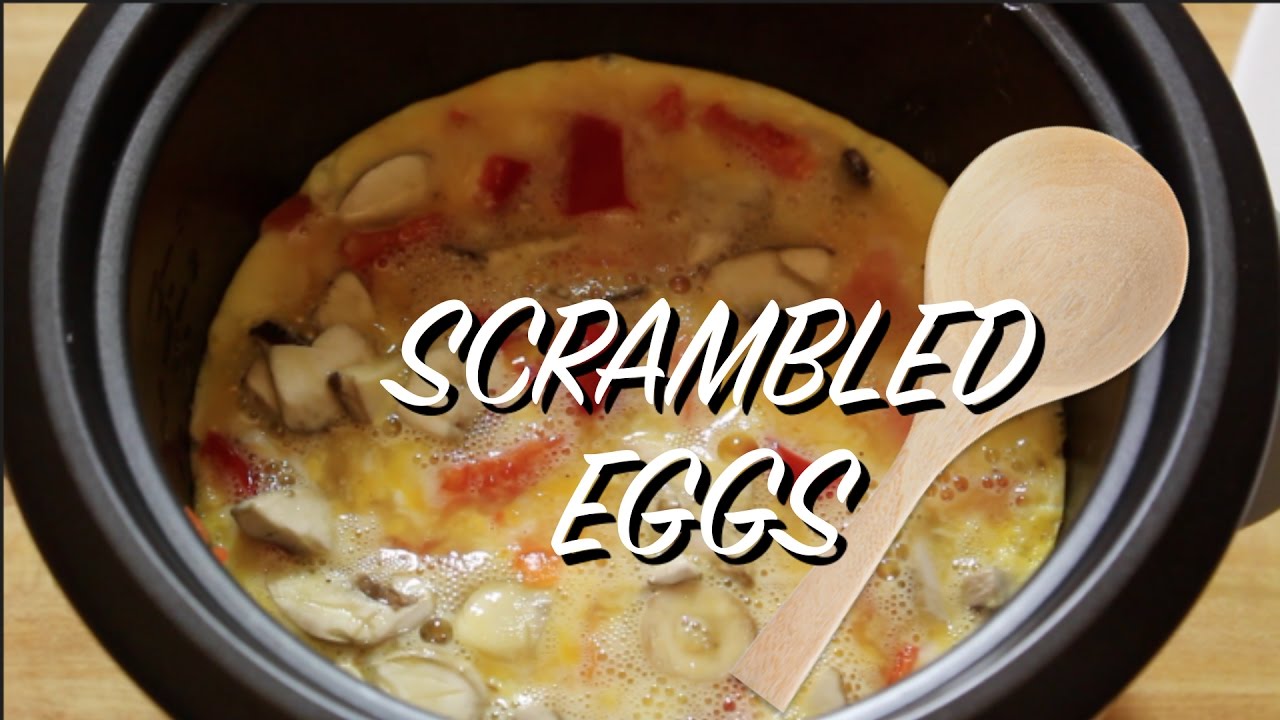
- Scrambled eggs
- Whisk eggs, butter, and milk in the inner pot. Stir during cooking for soft curds.
- Omelet or frittata-style
- Mix ingredients and cook on low or steam until set. Use a nonstick liner or oil to prevent sticking.
Each method answers the question Can you cook eggs in a rice cooker in a different way. Choose the style you want and follow the steps below.

Step-by-step recipes and timing guide
Timing depends on egg size, starting temperature, and your cooker. Use these tested starting points and adjust.
-
Hard-boiled eggs (water method)
- Place eggs in the pot. Add cold water to cover by 1 inch.
- Close lid and start a cook cycle. When the cooker switches off or to “warm,” let sit for 10 minutes for firm yolks.
- Transfer to ice water for 5 minutes. Peel.
- Timing note: Total heat exposure is about 20–25 minutes.
-
Hard-boiled eggs (steam tray)
- Add 1 cup of water. Place eggs in steam basket.
- Run steam cycle for 12–15 minutes for firm yolk.
- Cool in ice water 5 minutes.
-
Soft-boiled eggs
- Add 1 cup water. Place eggs in basket.
- Steam 6–9 minutes for runny to jammy yolks.
- Cool briefly and serve.
-
Steamed egg custard (chawanmushi style)
- Whisk 2 eggs and 1 cup warm broth or water. Season lightly.
- Pour into heat-safe bowls. Cover with foil.
- Steam 12–18 minutes until set but still wobbly.
- Use lower steam time for silky texture.
-
Scrambled eggs
- Whisk 3 eggs, splash milk, salt, and butter in pot.
- Cook on "cook" setting, stirring every 30–45 seconds until curds form.
- Turn off when slightly underdone. Carryover heat finishes them.
These practical recipes show multiple ways to answer Can you cook eggs in a rice cooker for different meals. Test once to dial in times for your device.

Safety, food temperature, and best practices
Safety matters when cooking eggs. Follow these tips.
- Target temperature
- Cook egg dishes to 160°F (71°C) for safety. Steamed whole eggs and custards often reach safe temps during extended steam.
- Cooling after cooking
- Cool boiled eggs quickly in ice water to stop cooking and prevent bacterial growth.
- Cleanliness
- Wash hands and utensils. Change water between batches to avoid contamination.
I once under-steamed a custard because I avoided covering bowls. The centers were underdone and unsafe. After that, I always cover containers to trap heat and reach safe temps. These small steps make a big difference when you ask, Can you cook eggs in a rice cooker safely?

Benefits and limitations of using a rice cooker for eggs
Rice cookers bring several advantages but also a few limits.
Benefits
- Convenience: Set-and-forget cooking for eggs.
- Consistent heat: Less risk of hot spots than stovetop.
- Versatility: Steam, boil, scramble, and custard options.
Limitations
- Control: Some models lack precise timing or temperature settings.
- Capacity: You may only cook a dozen eggs at once, depending on size.
- Texture differences: Rice cooker results can differ from stovetop or oven methods.
Overall, asking Can you cook eggs in a rice cooker? yields a positive answer—especially when you accept minor limits and adapt techniques.
Troubleshooting common problems
If eggs crack, stick, or come out under/overcooked, try these fixes.
- Cracking during boiling
- Add a teaspoon of salt or a splash of vinegar to the water. Put eggs in cold and bring to a gentle boil.
- Sticky scrambled eggs
- Use a nonstick liner or add a little extra fat. Stir gently and remove from heat slightly underdone.
- Under-cooked centers in custard
- Cover bowls with foil and add a few extra minutes. Try a thermometer to check that centers hit 160°F.
- Inconsistent timing between cook cycles
- For basic cookers, run a test with one egg to find the sweet spot. Keep notes for future batches.
These fixes come from trial and error. I learned them by testing different rice cooker models. They make answering Can you cook eggs in a rice cooker easy and reliable.

Quick tips and personal tricks
Short tips I use often.
- Use room-temperature eggs for more even cooking.
- For easy peeling, shock boiled eggs in ice water.
- Line the inner pot with parchment for omelets to avoid sticking.
- Mark times for your specific cooker on a small card near the appliance.
- If cooking many eggs, stagger batches to keep temps steady.
These small habits helped me get perfect eggs from my rice cooker again and again. They answer practical parts of the question Can you cook eggs in a rice cooker with real experience.

Common questions about rice cooker egg cooking
Q: Will eggs crack in the rice cooker?
A: Some eggs crack if they hit hot surfaces or jostle in boiling water. Use a steam tray or add water and start cold to reduce cracking.
Q: Can I soft-boil eggs reliably?
A: Yes. Short steam times (6–9 minutes) produce runny yolks. Test one egg to fine-tune time for your cooker.
Q: Is the texture different from stovetop eggs?
A: Often yes. Rice cooker eggs can be more uniform and softer. Adjust cook times to match your preferred texture.
Q: Can I make egg salad with rice cooker eggs?
A: Absolutely. Hard-boiled eggs from a rice cooker peel easily and are great for egg salad once cooled and chopped.
Q: Do I need a special insert?
A: No. A steam tray helps, but you can use the inner pot with water or small heat-safe bowls for steamed custard.
Frequently Asked Questions of Can you cook eggs in a rice cooker
How long does it take to hard-boil eggs in a rice cooker?
Hard-boiling in a rice cooker typically takes 15–25 minutes total depending on method and size. Use ice water afterward to stop cooking and make peeling easier.
Can you make scrambled eggs in a rice cooker without sticking?
Yes, use butter or oil and stir frequently during cooking. A nonstick liner or parchment helps prevent sticking for omelets or large batches.
Are rice cooker eggs safe to eat?
Yes, if cooked to recommended temperatures and cooled properly. Aim for an internal temperature of 160°F for egg dishes to be safe.
Can I steam eggs in the shell with added flavors?
You can add herbs or aromatics to the steaming water, but flavors do not penetrate the shell well. For infused taste, cook eggs out of the shell.
Will all rice cookers handle eggs the same way?
No, models vary. Smart or multi-function cookers offer more control and consistent results than basic pot-style cookers.
Conclusion
Cooking eggs in a rice cooker is practical, simple, and flexible. You can make hard-boiled, soft-boiled, steamed custards, scrambled eggs, and omelets with reliable results once you learn your cooker's timing. Test small batches, use ice baths for peeling, and cover custards to ensure even heat. Try one method today, note your perfect timing, and enjoy a hands-off way to make eggs at home. If you liked these tips, try a recipe, share your results below, or subscribe for more easy kitchen hacks.