
Yes — you can steam vegetables in a rice cooker quickly, healthily, and with minimal fuss.
I’ve used rice cookers for years in home and small test kitchens, and I can confidently say that steaming in a rice cooker is simple, reliable, and great for preserving flavor and nutrients. This guide explains how and why to steam vegetables in a rice cooker, step-by-step timing tips, safety and cleaning advice, troubleshooting, and real tips from my experience so you can get perfect steamed veggies every time.

Why steam vegetables in a rice cooker
Steaming keeps vegetables bright, tender, and more nutritious than boiling. A rice cooker provides steady, indirect heat and trapped steam, which cooks food gently without submerging it in water. Using a rice cooker also saves energy and reduces dishes, since many models include a steaming tray or basket.
Benefits at a glance
- Retains vitamins and minerals better than boiling.
- Keeps texture and color appealing.
- Simple hands-off cooking that fits busy routines.
- Great for batch cooking and meal prep.
Steaming vs other methods
- Compared with boiling: less nutrient loss and no soggy results.
- Compared with roasting: less oil and quicker for small batches.
- Compared with microwaving: more even heat and better texture for many vegetables.
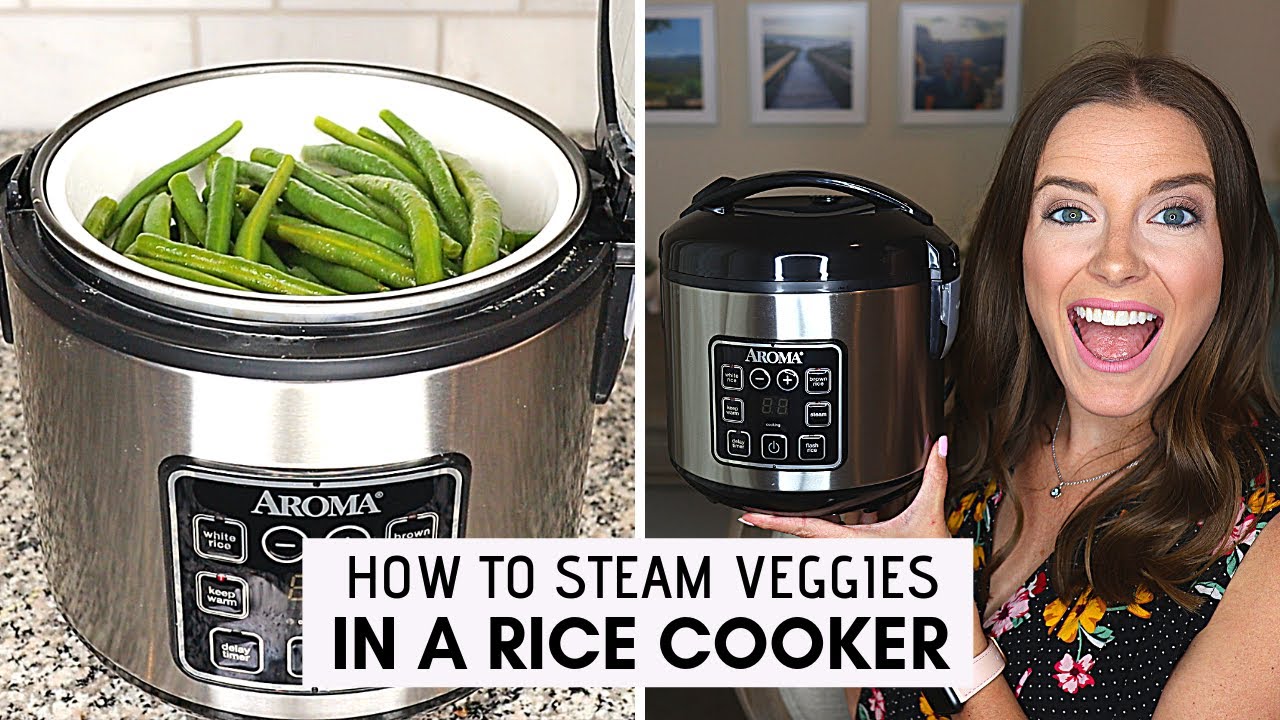
Can you steam vegetables in a rice cooker?
Yes — most rice cookers can steam vegetables. Many units come with a steam basket or tray designed for this purpose. If your model lacks one, you can improvise with a heat-safe colander or small bowl elevated above the water. The key is to keep the veggies above simmering water so they cook in steam, not steam and water.
How it works
- Add water to the cooker’s pot below the basket level.
- Place vegetables in the basket and close the lid.
- Heat creates steam that cooks the food gently and evenly.
I recommend checking your rice cooker manual for model-specific guidance. Some “smart” rice cookers have a dedicated steam setting, which simplifies timing and power.

How to steam vegetables in a rice cooker — step-by-step
These steps work for basic rice cookers and for many electric multi-cookers with a rice setting.
- Prepare vegetables
- Wash and trim vegetables.
- Cut pieces uniformly so they cook evenly.
- Add water
- Pour 1 to 2 cups of water into the rice cooker pot. Use the amount recommended in your manual for steaming.
- Load the basket
- Place vegetables in the steam basket. Do not pack tightly; leave space for steam circulation.
- Start cooking
- Close the lid and turn the cooker on. Use the steam setting if available; otherwise, use the normal rice cycle.
- Check doneness
- Test with a fork after the minimum suggested time. Continue steaming in short increments if needed.
- Finish and serve
- Remove the basket carefully to avoid hot steam. Season and serve immediately.
Quick timing guide
- Leafy greens: 2–4 minutes
- Broccoli or cauliflower florets: 5–7 minutes
- Carrots (sliced): 6–8 minutes
- Potatoes (small cubes): 12–20 minutes
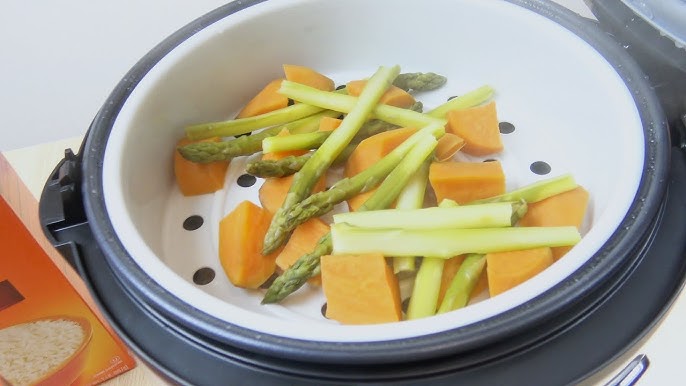
Best vegetables and suggested times
Here are common vegetables and dependable steaming times. Times assume a medium-sized rice cooker and evenly cut pieces.
- Asparagus: 3–5 minutes
- Broccoli: 5–7 minutes
- Cauliflower: 6–8 minutes
- Carrots (sliced): 6–8 minutes
- Green beans: 4–6 minutes
- Peas: 2–4 minutes
- Spinach: 2–3 minutes
- Potatoes (1-inch cubes): 12–15 minutes
- Sweet potatoes (1-inch cubes): 12–18 minutes
Tips for mixed vegetables
- Add dense items first, then lighter items later.
- Cut dense vegetables smaller to match the time of softer ones.
- Use a two-tier basket if your cooker has one to separate fast and slow cooks.
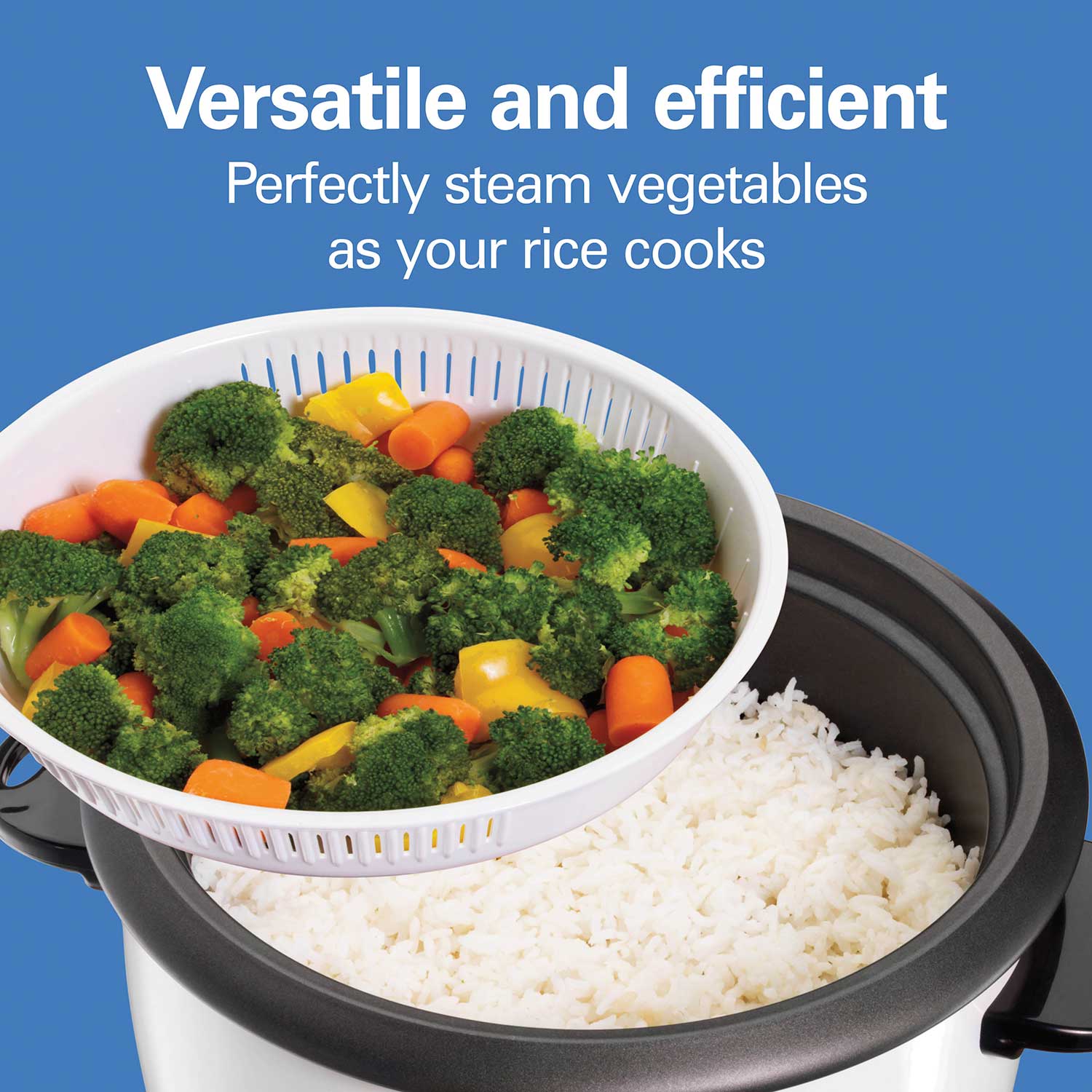
Tips, common mistakes, and personal experience
From my own cooking trials, these tips will save time and frustration.
What worked for me
- Preheat with boiling water: Bring water to a boil in the pot before adding the basket to shorten cook time.
- Layer thoughtfully: Put quick-cooking greens on top and root veggies below.
- Steam batches: For weekly meal prep, I steam large batches and chill them quickly to maintain texture.
Common mistakes to avoid
- Overcrowding the basket — it leads to uneven cooking.
- Using too much water — steam should, not boil, the veggies.
- Forgetting to season after steaming — salt and acid brighten the flavor.
Personal tip
- I once steamed all vegetables together for a meal and got uneven textures. Since then I always separate root vegetables from tender greens.

Safety and cleaning
Steam is hot. Take care when handling the steam basket and lid.
Safety tips
- Use oven mitts when removing the lid or basket.
- Open the lid away from your face to avoid steam burns.
- Ensure the cooker sits on a stable, heat-resistant surface.
Cleaning tips
- Let the cooker cool before cleaning.
- Remove and soak the basket if food sticks.
- Wipe the lid seal and inner pot to prevent odors and buildup.
Most rice cooker parts are easy to clean and many are dishwasher-safe. Check your manual for specifics.
Troubleshooting common issues
If you run into problems, try these fixes.
Problem: Vegetables are mushy
- Cause: Overcooked or too much water.
- Fix: Reduce cook time and use less water next time.
Problem: Vegetables are undercooked
- Cause: Crowded basket or too-large pieces.
- Fix: Cut smaller pieces and steam in batches, or add a few minutes.
Problem: Rice cooker switches off early
- Cause: Auto shut-off is designed for rice cycles.
- Fix: Use the steam setting if available or restart for short increments until done.
Problem: Metallic or odd taste
- Cause: New pot coatings or residue.
- Fix: Clean thoroughly before first use and rinse after each use.

Frequently Asked Questions of Can you steam vegetables in a rice cooker
Can you steam vegetables in a rice cooker without a basket?
Yes. You can improvise with a heat-safe colander or a small metal rack to keep veggies above the water level. Ensure it fits and stays stable.
How much water do you add when you steam vegetables in a rice cooker?
Add enough water to reach just below the basket level, usually 1 to 2 cups depending on the cooker size. Too much water can cause boiling, while too little will dry out.
Does steaming vegetables in a rice cooker lose nutrients?
Steaming preserves more nutrients than boiling because vegetables don’t sit in water that leaches vitamins. Shorter cook times also help retain nutrients.
Can you season vegetables before steaming in a rice cooker?
You can add herbs or a small splash of oil, but avoid heavy sauces that drip into the water. Salt and acids are best added after steaming to preserve texture.
Will steaming vegetables in a rice cooker give the same texture as a steamer?
Often yes — a rice cooker delivers similar steam and texture to a countertop steamer. Results depend on cut size, cooker strength, and timing.
Is it safe to steam frozen vegetables in a rice cooker?
Yes. Frozen vegetables can be steamed directly from the freezer; add 1–2 extra minutes to the cook time for even heating.
Conclusion
Steaming vegetables in a rice cooker is easy, healthy, and useful for everyday cooking. You can rely on your rice cooker to handle leafy greens, florets, and even root vegetables with simple steps and small adjustments. Try it today: pick your vegetables, cut them evenly, and experiment with timing. Share your results or questions below, subscribe for more kitchen tips, or leave a comment describing your favorite steamed veggie dish.