
A medium cookie scoop holds about 2 tablespoons (roughly 1 US fluid ounce or ~28–30 grams).
I’ve used cookie scoops in busy home kitchens and small bakeries for years, so I know why the size matters. This guide explains exactly how big is a medium cookie scoop, how to measure it, why it matters for baking consistency, and how to pick the right scoop for your recipe. Read on for clear conversions, hands-on tips, and practical examples you can use today.

How big is a medium cookie scoop — measurements and conversions
A medium cookie scoop most commonly holds about 2 tablespoons. That equals 1 US fluid ounce or about 29.6 milliliters. By weight, a medium scoop often yields roughly 28–30 grams of cookie dough, though exact grams depend on the dough’s density.
Keep in mind that cookie dough with add-ins holds more space. A scoop of chunky dough may weigh less or more than the liquid-volume conversion suggests. When a recipe calls for even cookies, using a medium cookie scoop removes guesswork. Use it to make uniform cookies that bake evenly.

Why size matters: consistency, baking time, and presentation
Using a consistent medium cookie scoop means cookies bake at the same rate. That helps avoid some cookies burning while others remain underbaked. Uniform scoops create steady oven times. They also produce a neater presentation for gift boxes or cookie trays.
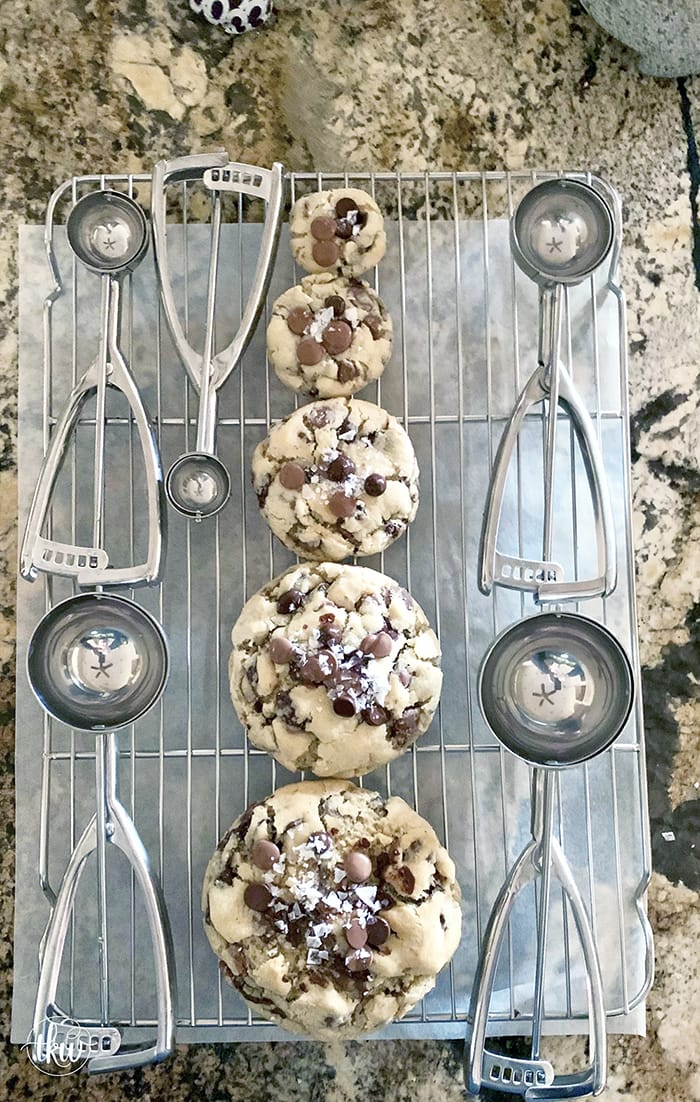
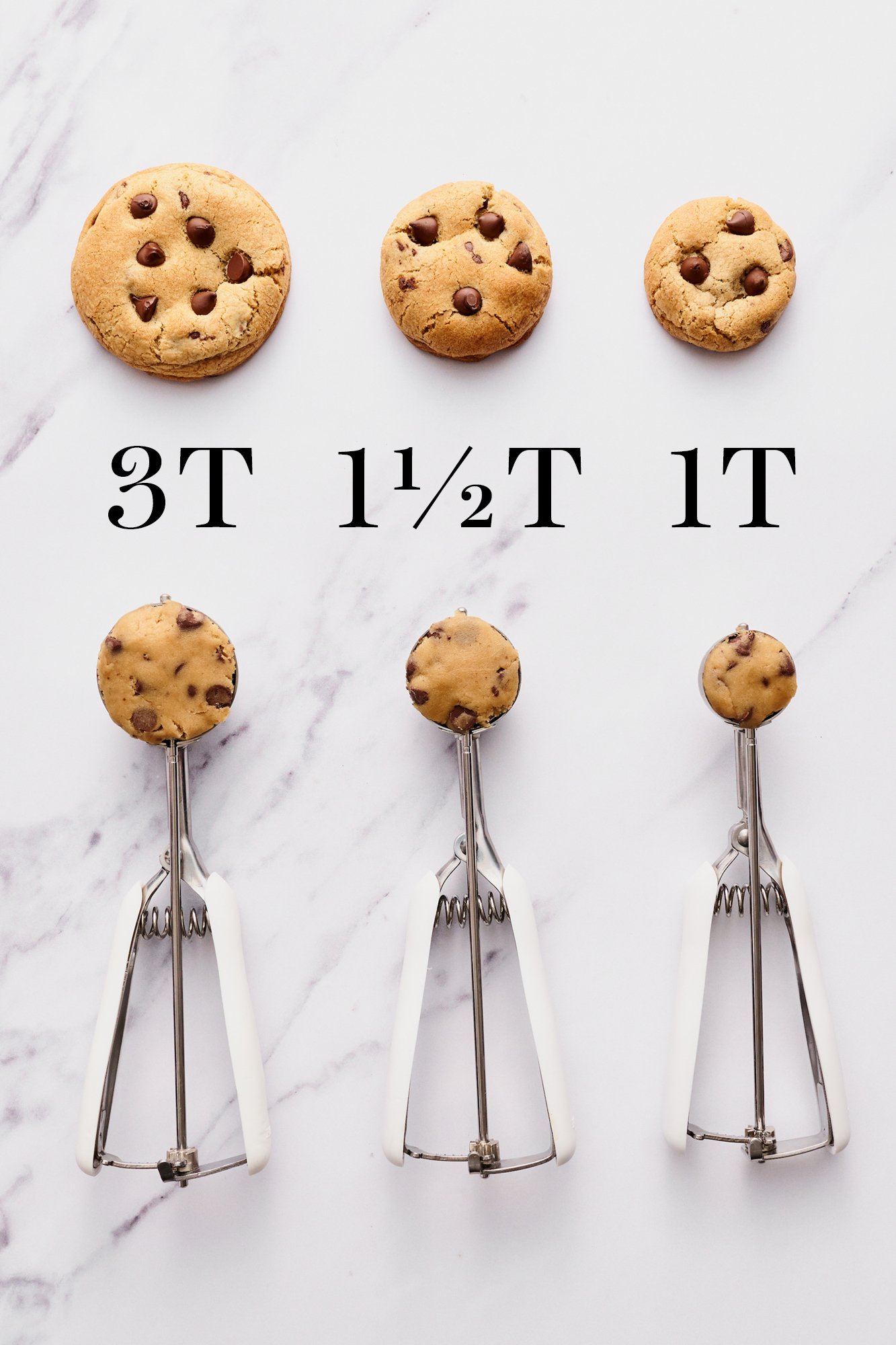
If you change scoop size mid-batch, expect variation in texture and spread. Larger scoops give thicker centers and longer bake times. Smaller scoops yield thinner cookies that crisp faster. For reliable results, measure once and stick with the chosen medium cookie scoop for that recipe.
How to measure your scoop at home accurately
You can test any scoop in three quick steps.
- Fill method: Scoop level dough and wipe the top flat. Measure the volume by filling a 1-cup measure, counting how many scoops it takes, then divide.
- Water displacement: Push water into a measuring cup to a known level, then add one scoop of packed dough (in a sealed bag). The rise equals the scoop volume.
- Kitchen scale: Weigh a single scoop of dough and multiply by batch size. This gives the most reliable result in grams.
I usually weigh three scoops and average them. This reduces error from dough air pockets. The kitchen scale approach is my go-to in busy kitchens.

Choosing the right medium cookie scoop: materials and sizes
Cookie scoops come in metal, plastic, and silicone. They also differ by release mechanism: lever, squeeze, or spring. For a true medium cookie scoop, look for these indicators.
- Volume label: Some scoops list tablespoons or ounces. Aim for 2 tablespoons or 1 fl oz.
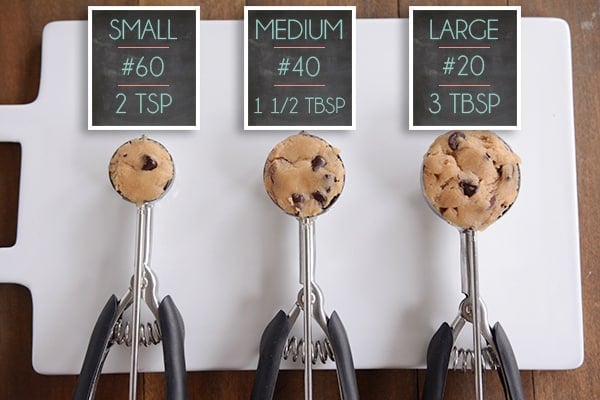
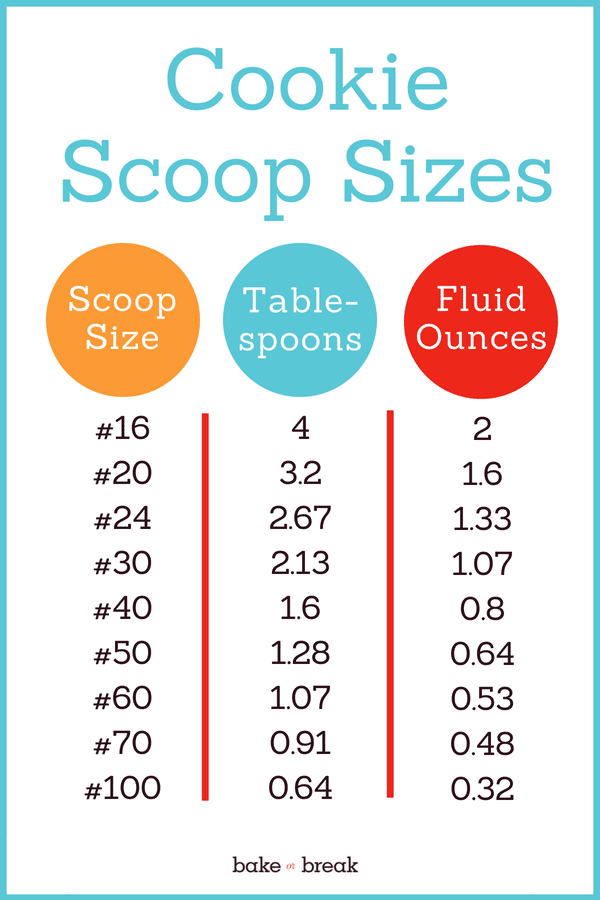
- Number code: Commercial scoops often use a number. If a label says “#40” or “#50,” check the vendor chart because numbers vary by brand. Don’t rely on number alone without a conversion.
- Comfort and release: Choose a mechanism that clears sticky dough easily. I prefer metal scoops with a sturdy lever for speed and durability.
How big is a medium cookie scoop in real life depends on the maker. Always test a new scoop before baking for a crowd.

Practical recipe examples and batch math
Here are simple conversions to plan batches using a medium cookie scoop.
- Small batch: 12 cookies at 2 tablespoons each equals 24 tablespoons, or 1.5 cups of dough.
- Party batch: 48 cookies at 2 tablespoons each equals 96 tablespoons, or 6 cups of dough.
- Weight plan: If one medium cookie scoop averages 28 grams, 24 cookies need about 672 grams of dough.
When scaling a recipe, account for mix-ins. Chopped nuts, chocolate chips, or oats change volume and weight slightly. I often weigh out one scoop of finished dough after mixing add-ins to confirm batch yield before portioning.
Tips for consistent results and common mistakes to avoid
Follow these practical tips the next time you ask, How big is a medium cookie scoop and how to use it well.
- Chill dough if it’s sticky; chilled dough scoops cleaner and spreads less.
- Level the scoop gently for even tops; don’t pack dough unless recipe says so.
- Clean and dry scoops between batches to avoid sticky buildup.
- Test-bake first: Bake two test cookies to check spread and time before the whole tray.
- Label your scoop: If you have multiple sizes, mark the handle with volume to avoid mix-ups.
Early in my baking career I assumed all “medium” scoops matched. They didn’t. A quick test saved me from an uneven holiday tray.
Cleaning and care for a medium cookie scoop
Proper care keeps scoops functioning and sanitary.
- Hand wash metal scoops to protect moving parts and finish. Rinse promptly after use.
- For plastic scoops, check dishwasher safety before loading.
- Dry thoroughly to prevent rust or mold buildup in crevices.
- Lubricate the lever joint lightly if it becomes stiff over time.
Treating your scoop like a tool extends its life and ensures every scoop is reliably medium-sized.
Frequently Asked Questions of How big is a medium cookie scoop
What is the standard volume of a medium cookie scoop?
A medium cookie scoop is typically about 2 tablespoons, which equals 1 US fluid ounce or roughly 30 milliliters. Volume can vary slightly by brand and dough type.
How many cookies does a batch make using a medium cookie scoop?
It depends on the recipe, but one cup of dough equals about 8 medium scoops. So a recipe with 3 cups of dough yields roughly 24 medium cookies.
How heavy is a medium cookie scoop of dough?
A medium cookie scoop usually yields about 28–30 grams of cookie dough, though weight varies with ingredients and mix-ins.
Are medium cookie scoops dishwasher safe?
Some are and some are not. Check the manufacturer’s guidance. Metal scoops with moving parts often need hand washing to stay in good condition.
Can I use a medium cookie scoop for muffins or cupcakes?
A medium cookie scoop can work for mini muffins or cupcakes, but standard cupcakes usually need a larger scoop. Test one batch to confirm the size fits your pan.
Conclusion
A medium cookie scoop is a simple tool that brings consistent size, even baking, and neater presentation to your baking. Knowing that a medium cookie scoop is about 2 tablespoons (roughly 1 fluid ounce or about 28–30 grams) helps you plan batches, scale recipes, and bake with confidence. Try weighing a few scoops of your own dough, label your tools, and bake a test tray to fine-tune times. If you bake often, choose a durable scoop, care for it, and it will repay you with reliable results.
Try these tips in your next batch and share what you learn. Leave a comment with your favorite scoop size or a recipe that benefits most from perfect portioning.