
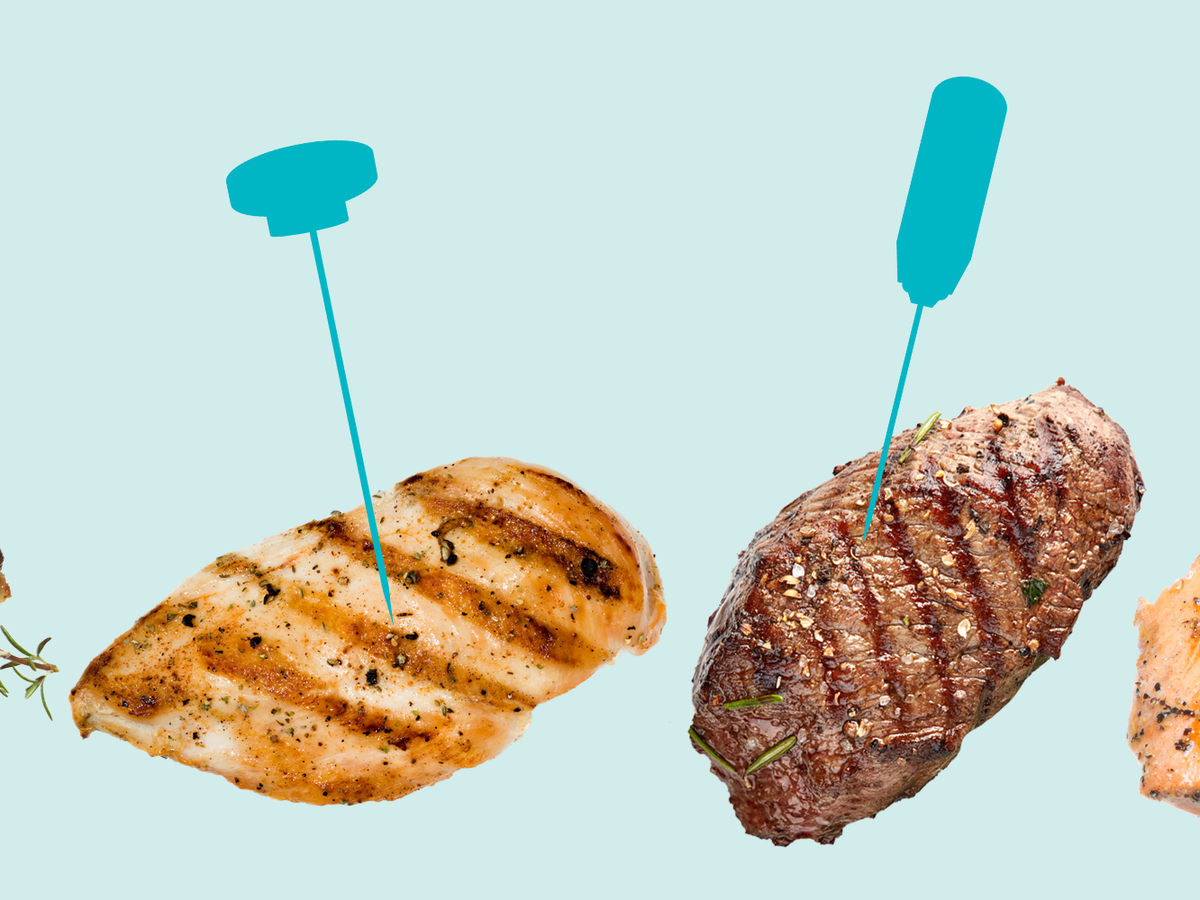
Insert the probe tip into the thickest part of the meat, about 1 to 2 inches deep.
I’ve tested thermometers in home kitchens and pro settings, so I know what works. This guide breaks down exactly how deep should you insert a meat thermometer for different cuts, tools, and cooking methods. Read on for clear rules, step-by-step tips, and real-world mistakes to avoid so your meat is safe and perfectly cooked every time.
Why probe depth matters
The depth you insert a thermometer affects the reading. If the probe tip does not reach the center of the thickest part, the temperature can read too low or too high. That leads to undercooked or overcooked meat and food-safety risks.
Knowing how deep should you insert a meat thermometer gives reliable results. It helps you hit target doneness and prevents guesswork. Below are practical rules and examples you can use right away.
General rules: how deep should you insert a meat thermometer
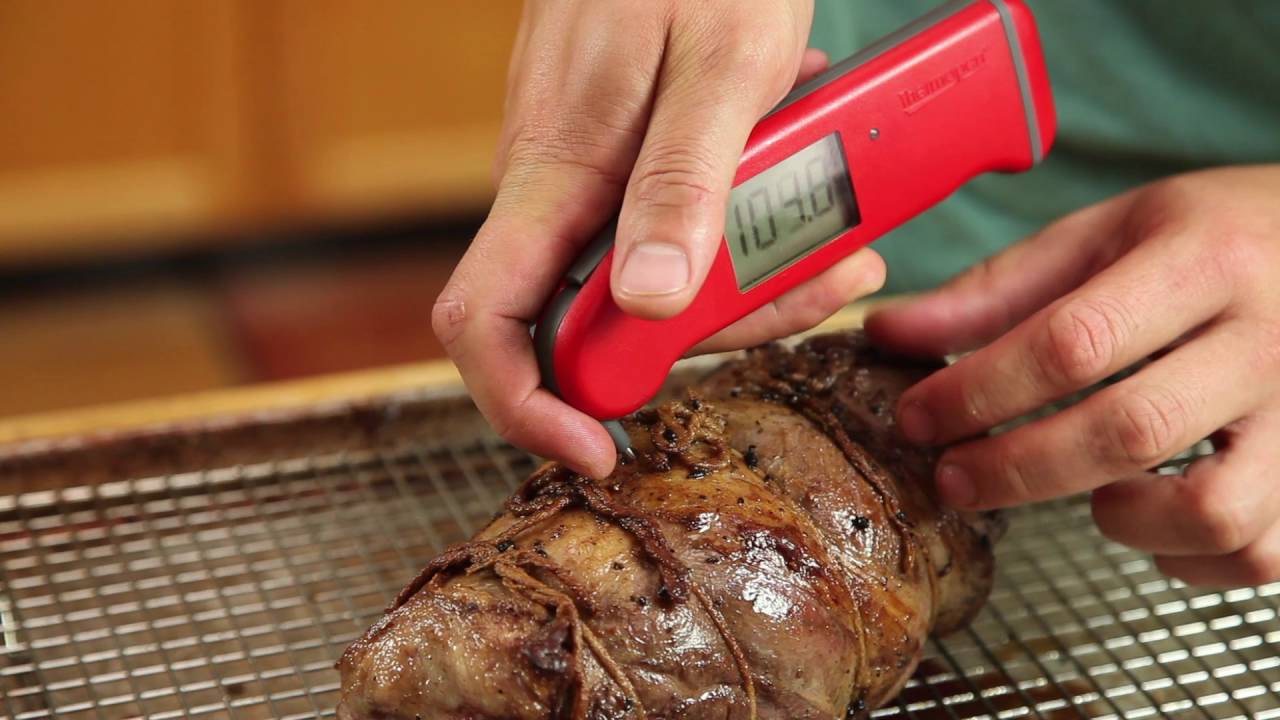
- Insert the probe so the tip sits in the center of the thickest section. That gives the most accurate internal temperature.
- Aim for at least 1 inch of probe penetration for small cuts and 1.5 to 2 inches for large roasts. For very large roasts, push until the tip is roughly in the geometric center.
- Keep the probe away from bone, fat pockets, and gristle. Those heat differently and skew readings.
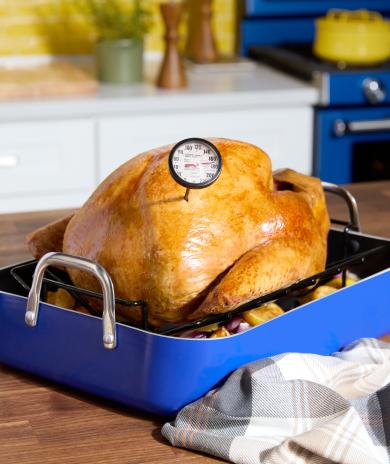
- For whole poultry, place the probe into the inner thigh area near the breast but not touching bone.
Practical rule: whenever you ask how deep should you insert a meat thermometer, picture the center of the thickest part and put the tip there. That simple rule works for most thermometers and meats.
By cut: specific guidance for common meats
-
Whole chicken or turkey
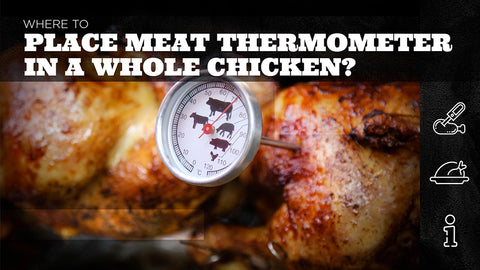
- Insert into the thickest part of the thigh, pointing toward the body cavity but not touching bone.
- For large birds, probe depth is often 1.5 to 2 inches to reach the center.
-
Roasts (beef, pork, lamb)
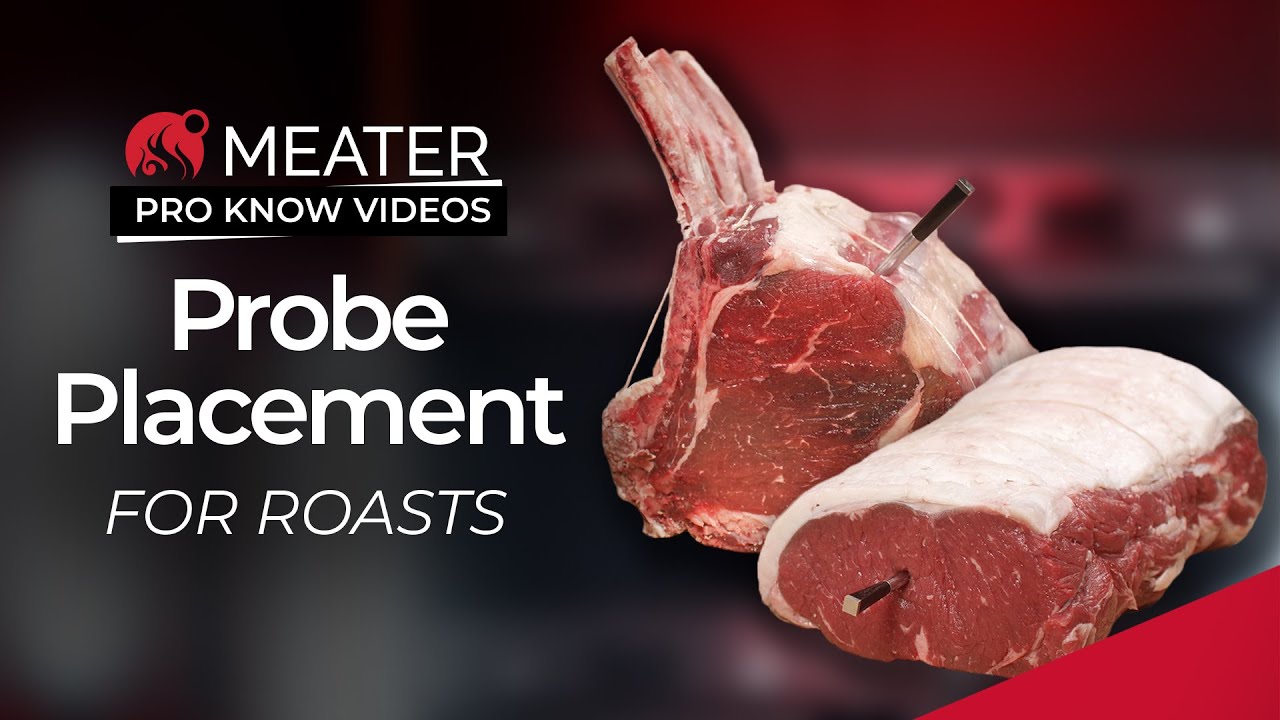
- Push the probe into the center of the roast from the side or top so the tip reaches the middle. Aim for 1.5 to 2.5 inches depending on roast size.
-
Steaks and chops
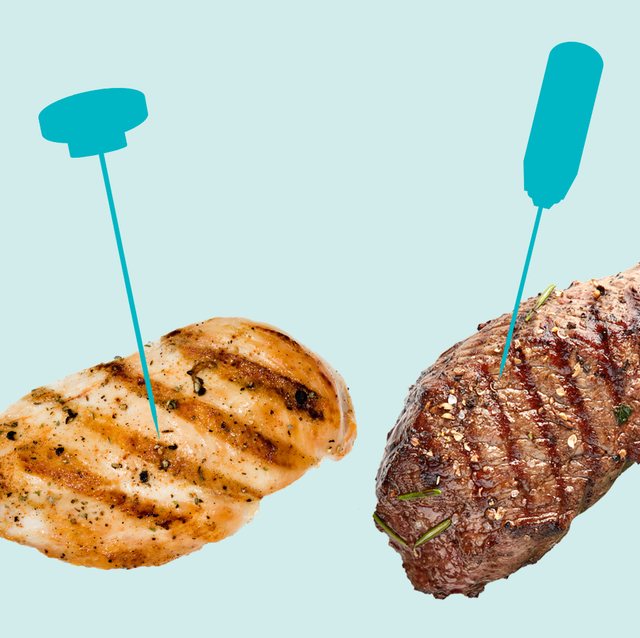
- Insert from the side toward the center. For thin steaks under 1 inch, use sear tests or an instant-read and accept that readings are less steady.
-
Burgers and ground meat
- Insert straight down into the center. Ground meats cook faster, so a 1-inch insertion that reaches the center works well.
-
Fish and small cuts
- Place probe at thickest point; 0.5 to 1 inch is usually enough. For fillets, you may need a thin probe or to angle the probe.
Every time you think about how deep should you insert a meat thermometer, choose the path that places the tip in the densest, most central meat.
Types of thermometers and depth considerations
-
Instant-read digital probes
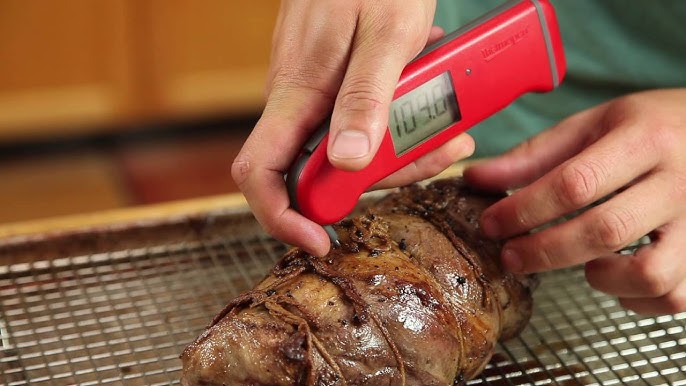
- Short response time. Insert until the tip reaches the center; 1 to 2 inches is common. Some probes are thin and work well in small cuts.
-
Leave-in oven probes
- Designed for roasts and whole poultry. They sit in place and should reach the center of the thickest part.
-
Dial oven thermometers (analog)
- Bulky stems need a deeper insertion. Aim to get the bulb or tip fully embedded in the meat.
-
Thermocouple probes
- Fast and accurate with short tips. Ensure the tip reaches the center; small tips need a carefully placed insertion angle.
If you wonder how deep should you insert a meat thermometer for a specific device, check the manufacturer’s instructions and use the center-of-thickest-part rule.
Common mistakes and how to avoid them
-
Mistake: Touching bone
- Problem: Bone conducts heat and gives a falsely high reading.
- Fix: Angle the probe away from bone and insert deeper into the meat.
-
Mistake: Not inserting deep enough
- Problem: Surface or shallow readings underestimate doneness risk.
- Fix: Push until the tip reaches the center of the thickest part.
-
Mistake: Inserting into fat
- Problem: Fat heats faster and skews results.
- Fix: Avoid pockets of fat and target muscle.
-
Mistake: Using the wrong thermometer for the job
- Problem: Thick roasts need leave-in probes; thin cuts need thin instant-read probes.
- Fix: Match tool to cut and goal.
These simple fixes answer the frequent practical question: how deep should you insert a meat thermometer to avoid mistakes.
Step-by-step: using a meat thermometer correctly
- Identify the thickest area of the cut.
- Choose the right probe and entry point.
- Insert the probe so the tip is in the center and not touching bone or fat.
- Wait for a stable reading (instant-read: a few seconds; leave-in: follow device time).
- Verify against target safe temperature for the meat.
Following these steps eliminates most guesswork about how deep should you insert a meat thermometer.
Troubleshooting and accuracy tips
- Calibrate your thermometer regularly. Many digital models can be calibrated in ice water.
- Allow the probe to equilibrate. For instant-read tools, hold still for the full response time.
- Insert from the side for narrow cuts to reach the center. For small items, use thin probes.
- Clean and sanitize probe after each use to avoid cross-contamination.
Accuracy depends on correct depth. If readings seem off, reinsert deeper and rerun the test.
Personal experience: what I learned testing probes
I once relied on surface checks and overcooked a roast by 15 minutes. After I started always asking how deep should you insert a meat thermometer, my results improved. I found that angle matters: entering from the side often gives a more central placement for oblong roasts. My tip: mark about 1.5 inches on your favorite probe with tape so you insert consistently.
Lessons learned
- Always aim for the center.
- Avoid bones and fat.
- Use the right probe for the job.
These small habits make a big difference in results and safety.
:max_bytes(150000):strip_icc()/ses-candy-thermometer-test-goodcook-classic-irvin-lin-02-7a189ec81afd457c9a60e42dc949bde7.jpg)
Related concepts: carryover cooking and target temps
- Carryover cooking
- Meat temperature rises after removal from heat. Account for 5 to 10°F (3 to 6°C) rise for large roasts.
- Target internal temperatures
- Ground meats: 160°F
- Poultry: 165°F
- Pork chops and roasts: 145°F with a 3-minute rest
- Beef steaks: 125–160°F depending on doneness
- Use these targets when you decide how deep should you insert a meat thermometer and when to stop cooking.
Checking the center temperature is the only reliable way to know when to remove meat and account for carryover.
Practical checklist: quick reminders
- Aim probe tip to the center of the thickest part.
- Keep at least 1 inch penetration for small cuts.
- Use 1.5 to 2.5 inches for roasts and large birds.
- Avoid bone, fat, and gristle.
- Calibrate and clean the probe.
When you follow this checklist, the question how deep should you insert a meat thermometer becomes routine.
Frequently Asked Questions of How deep should you insert a meat thermometer
How deep should you insert a meat thermometer into a roast?
Insert the probe until the tip reaches the geometric center of the roast, typically 1.5 to 2.5 inches depending on size. Avoid bones and fat pockets for the most accurate reading.
How deep should you insert a meat thermometer into chicken?
Place the probe in the thickest part of the thigh near the breast, about 1.5 to 2 inches for whole birds, making sure not to touch bone. Confirm the reading reaches 165°F for safe poultry.
How deep should you insert a meat thermometer into a steak?
Insert from the side toward the center so the probe tip is in the middle of the thickest part; about 1 inch is often enough for steaks. For thin cuts, a thin instant-read probe works best.
How deep should you insert a meat thermometer for ground meat or burgers?
Push the probe into the center of the burger, aiming for at least 1 inch to reach the middle. Ground meat must reach 160°F for safety.
How deep should you insert a meat thermometer if my probe is very short?
Angle the probe so the tip reaches the center of the thickest part and insert as far as the probe allows. If it cannot reach center, consider a longer or thinner probe suited to the cut.
Conclusion
Consistently inserting the probe tip into the center of the thickest part is the clearest answer to how deep should you insert a meat thermometer. Follow simple rules—1 inch for small cuts, 1.5 to 2.5 inches for larger roasts, and avoid bone and fat—and your temperatures will be accurate. Try the step-by-step checklist on your next cook, adjust for carryover, and share your results or questions below. If this helped, subscribe or leave a comment so I can share more practical tips.