
Measure wall lengths, heights, depths, and appliance/obstruction locations accurately — record everything.
I have measured cabinets for dozens of kitchen remodels and custom builds. In this guide I will walk you step-by-step through how do i measure for kitchen cabinets, explain the tools and terms, and share real-world tips to avoid costly mistakes. Whether you plan to buy stock cabinets or hire a pro, this article will give you clear, reliable measurements you can trust.
Measuring basics: what to measure and why
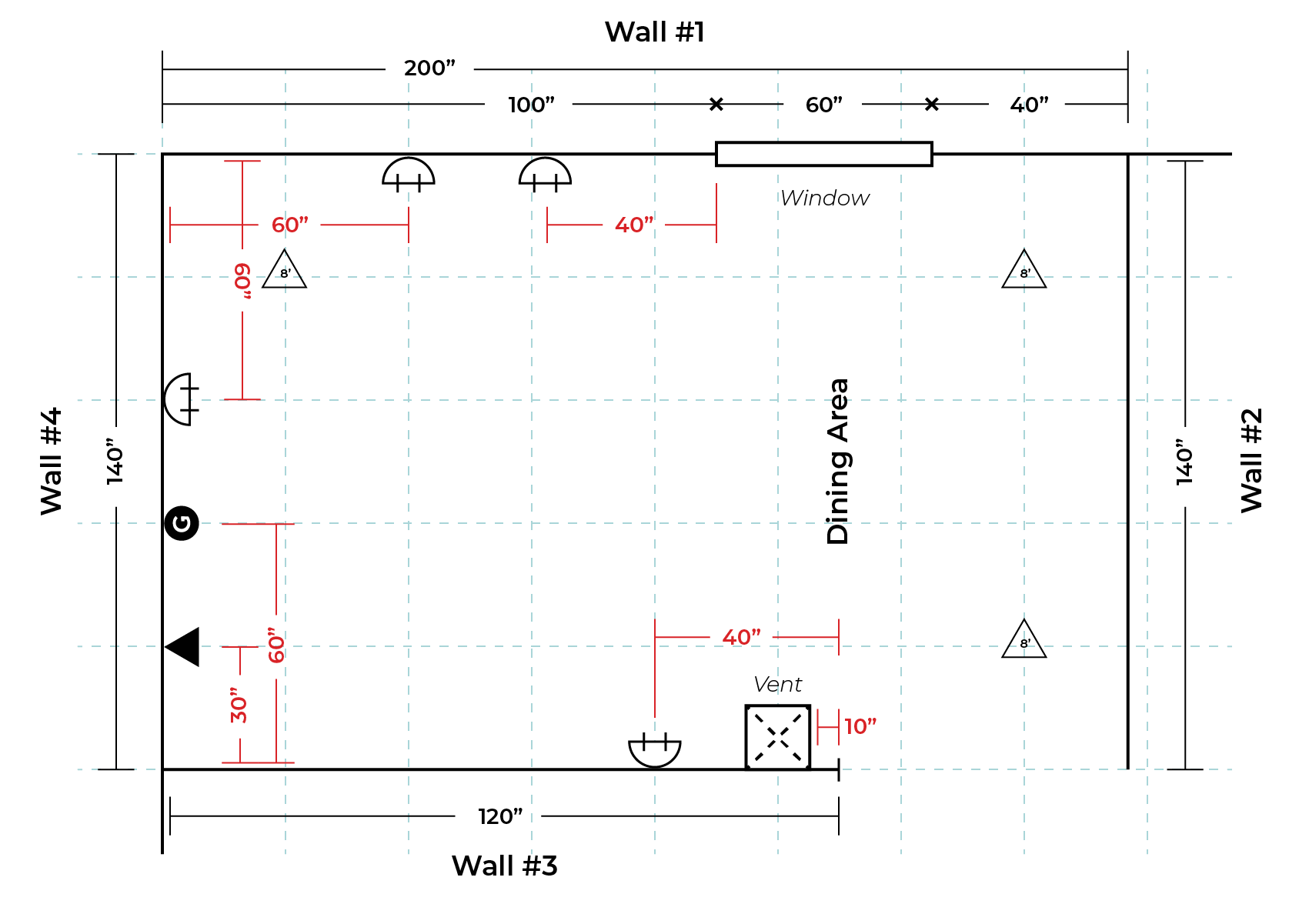
Before you start, know what matters. Measure wall length, wall height, and wall depth. Mark doors, windows, vents, and any pipes or studs that affect cabinet placement.
Always measure in inches and record them neatly. Take three measurements per wall and use the smallest value for fitting. That avoids surprises from uneven walls or floors.
Measure cabinet rough openings, not the finished look. The phrase how do i measure for kitchen cabinets is about accuracy and planning. Small errors quickly add up in runs of cabinets, so precision matters.
Tools you need
Use simple, reliable tools. You do not need fancy gear.
- Tape measure 25 ft or longer. Use a rigid steel tape for straight runs.
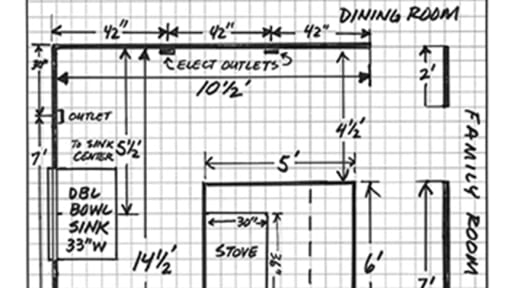
- Pencil and graph paper. Sketch while you measure.
- Laser distance measurer for long runs. It speeds up repeated checks.
- Level and straightedge. Check floors and walls for plumb and flat.
- Stud finder and camera or phone. Note studs, pipes, and wiring.
- Painter's tape or masking tape. Mark measurement points on walls.
I always carry extra batteries and a small flashlight. When I measured a dim basement kitchen, the light made a big difference.

Step-by-step: measuring for base cabinets
Follow a simple sequence for base cabinets. Write each measurement clearly.
- Measure total wall length
- Start at the finished wall surface. Measure from left-most edge to right-most edge. Write the number.
- Locate fixed items
- Mark windows, doors, ovens, sinks, and plumbing. Measure from a fixed corner to each item.
- Measure heights and clearances
- Measure floor to ceiling and floor to underside of the window header. Note ceiling slope and dropped soffits.
- Measure for appliances
- Measure the width, depth, and required clearance for ranges, dishwashers, and refrigerators.
- Check corner clearances
- Measure into corners and note any obstructions that block cabinet doors or drawers.
- Record toe-kick depth and height
- Standard toe-kick is 3.5 inches high and 3 inches deep. Confirm if your kitchen has different dimensions.
Repeat each measurement twice. Label each dimension on your sketch. This process answers how do i measure for kitchen cabinets step by step. It prevents bad fits and returns.

Measuring for wall (upper) cabinets
Upper cabinets have different needs. Measure carefully for height and depth.
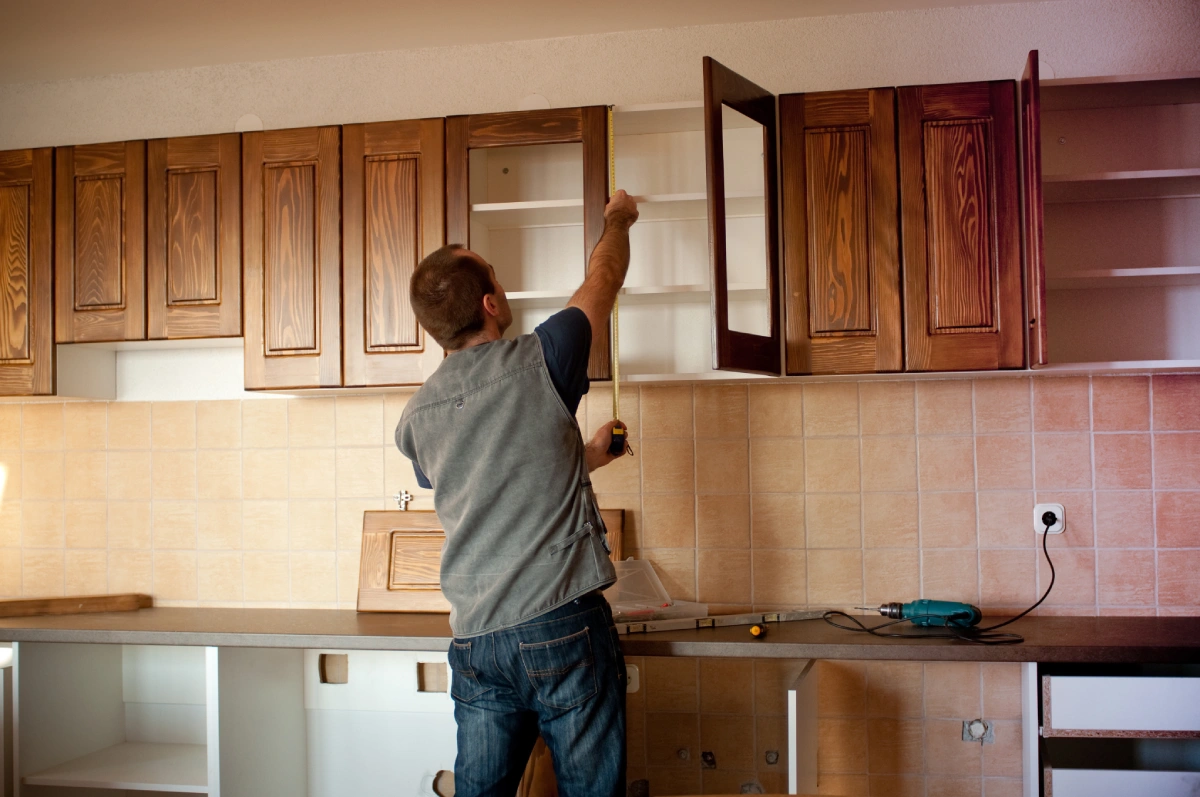
- Measure from finished countertop to underside of existing upper cabinets. Standard gap is 18 inches.
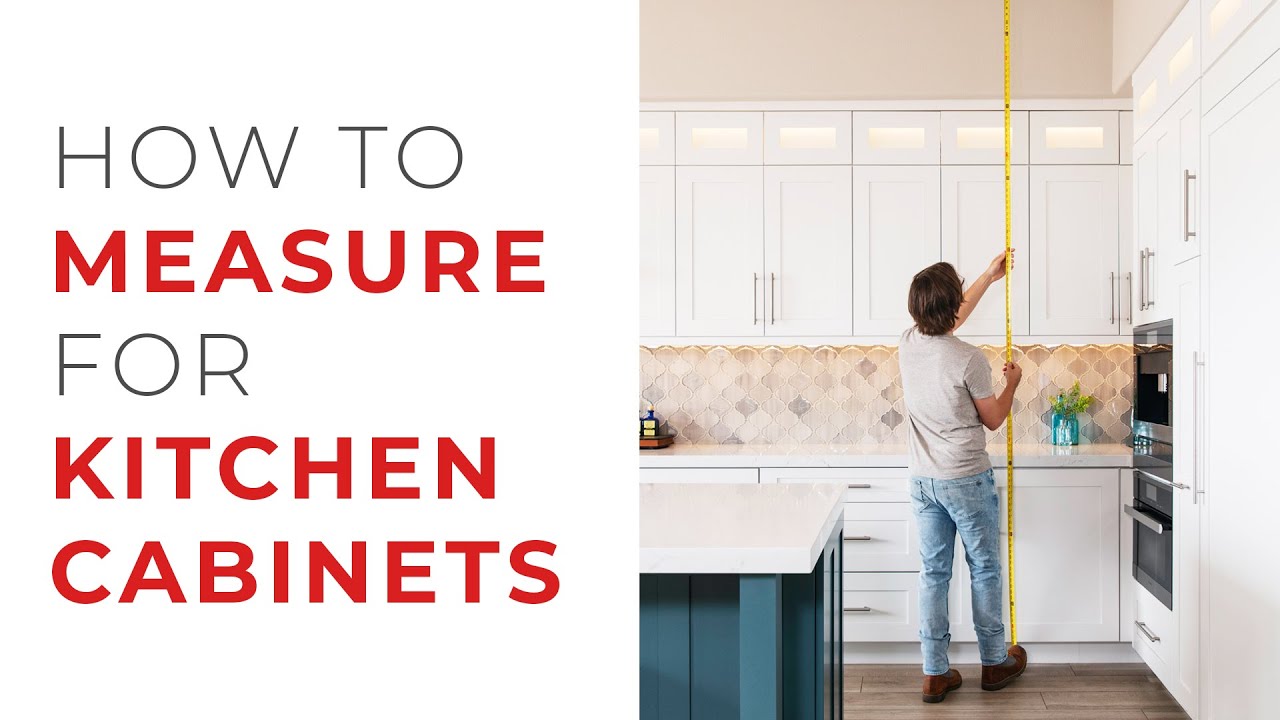
- Measure wall height to soffit or ceiling. Use the smallest measurement across the run.
- Measure window and vent locations. Note head and sill heights.
- Measure depth required. Standard wall depth is 12 inches; modern designs use 13–15 inches for wider storage.
Consider hood vents and microwaves. Mark electrical outlet locations. When answering how do i measure for kitchen cabinets, include the vertical space and appliance interfaces.
Measuring tall and pantry cabinets
Tall cabinets need floor and ceiling checks. They can be full height and heavy.
- Measure total height from finished floor to underside of soffit or ceiling.
- Account for toe-kick and base height if the pantry sits on an island or platform.
- Measure width carefully. Pantry doors need clearance for swing or sliders.
- Note nearby obstructions like HVAC returns or water heaters.
I once measured a pantry that hit a dropped beam by one inch. Clearing that early saved a custom panel and delay.
Clearances, appliances, and plumbing considerations
Cabinets ride alongside many systems. Include these in your plan.
- Plumbing and sink locations
- Measure rough-in positions for drain and water lines.
- Note distances from adjacent walls for P-traps and dishwashers.
- Electrical locations
- Mark outlet heights and counts. Under-cabinet lighting needs wiring space.
- Ventilation and hood clearances
- Measure hood mounting height above the cooktop. Typical clearance is 24–30 inches for electric, 27–30 inches for gas.
- Door swing and traffic flow
- Mark door swings and walkways. Ensure cabinet doors and drawers clear each other.
Accurate answers to how do i measure for kitchen cabinets require mapping these systems. Use a simple marked sketch for clarity.

Common mistakes and how to avoid them
Many errors are avoidable. Watch for these pitfalls.
- Relying on a single measurement
- Always take at least three measurements and use the smallest.
- Forgetting obstructions
- Pipes, vents, or beams can ruin a cabinet fit. Scan carefully.
- Ignoring finished surfaces
- Measure to finished walls and floors, not to drywall or subfloor if those will change.
- Not planning for filler and reveal
- Cabinets need small gaps for adjustments. Add 1/4 inch fillers at ends where needed.
- Buying before measuring
- Don’t place orders until measurements are confirmed on-site.
These fixes come from direct experience. I learned them on a job where a single mis-measure cost two weeks and a custom panel.
Estimating materials and spacing (quick math)
Use these quick rules when planning runs and corners.
- Standard base cabinet widths
- Cabinets commonly come in 3-inch increments from 9 to 48 inches.
- Depth and height rules
- Base depth 24 inches, base height 34.5–36 inches with countertop.
- Wall depth 12 inches, wall height 30–42 inches.
- Planning filler space
- Allow 1/8 to 1/4 inch at each end for leveling and snug fit.
- Corner cabinets
- Use lazy Susans or blind corner cabinets; measure both walls into the corner and plan 1-1.5 inch dead space.
These rules help answer how do i measure for kitchen cabinets in ways that line up with prefab options. They also help with budgeting and ordering.
Personal experience and pro tips
I have measured dozens of kitchens over 12 years of projects. Here are tips I use every time.
- Tape and photograph
- I tape the wall with measurement points and take photos. Photos help when ordering.
- Confirm appliances in person
- Appliance specs on paper differ from real units. Measure the actual item when possible.
- Communicate with cabinet maker
- Share your sketch and photos. Ask for their recommended clearances.
- Allow time for site changes
- Plan a 48-hour window for small adjustments before final installation.
A memorable job had a window replaced mid-project. My photos and tape labels saved the cabinet layout and prevented reordering.
PAA-style questions (common quick answers)
How high should wall cabinets be above the counter?
- Standard is 18 inches from countertop to underside of wall cabinets. Adjust for taller backsplashes or cooktop hood needs.
How deep should base cabinets be?
- Standard base depth is 24 inches. Large kitchens sometimes use 27–30 inches for extra storage.
How do I measure for a corner cabinet?
- Measure both walls into the corner from the same reference edge. Note obstructions and use the smaller measurement for planning.
What gap should I leave for cabinet filler?
- Plan 1/8 to 1/4 inch at each end of a run. This space helps with leveling and uneven walls.
How do I measure for a dishwasher?
- Measure the finished opening width, height, and depth. Standard dishwasher width is 24 inches, but confirm the model.
How do i measure for kitchen cabinets — final checklist
Use this quick checklist before ordering or installing:
- Measure wall lengths and record smallest of three measurements
- Note floor-to-ceiling height and any soffits
- Mark locations of plumbing, vents, studs, and electrical
- Measure appliance widths, depths, and required clearances
- Allow filler space and check corner clearances
- Photograph and label measurements on the wall
This checklist keeps your project on track and reduces costly surprises. It ties directly into how do i measure for kitchen cabinets and helps you make informed choices.
Frequently Asked Questions of how do i measure for kitchen cabinets
How accurate should my measurements be?
Aim for accuracy within 1/8 inch for prefab cabinets. For custom cabinets, 1/16 inch accuracy is ideal. Always double-check critical dimensions.
Can I measure without removing old cabinets?
Yes. Measure to the finished wall and floor. Note that hidden issues may exist behind old cabinets, so plan a verification step after removal.
Should I measure finished floors or subfloors?
Measure to the finished floor. If the floor is not yet installed, note the subfloor level and the planned finished floor thickness.
Do I need a professional to measure for cabinets?
You can measure yourself using the steps here. A professional measurement helps for complex layouts, larger remodels, or when exact tolerances are crucial.
How do I measure for cabinet islands?
Measure the island footprint, required clearances on all sides, and the countertop overhang. Keep at least 36–42 inches clear in walkways for traffic flow.
Conclusion
Measuring kitchen cabinets is a step-by-step process that rewards care and planning. Use a clear sketch, good tools, and double-check every number. Apply the checklist and tips here to avoid costly mistakes and to make confident decisions for stock or custom cabinets.
Take action today: measure your kitchen with the checklist, photograph the layout, and share your plan with a cabinet pro or supplier. If you found this helpful, leave a comment or subscribe for more practical remodel advice.