
Typical costs range from $15–$50 per hour, or $500–$3,000 per month depending on the setup.
I’ve spent years helping food startups find and rent commercial kitchens. In this guide I break down how much does it cost to rent a commercial kitchen, step by step. You’ll get real numbers, tips I learned the hard way, and a clear path to choose the right space for your food business.

Cost overview: average prices and common ranges
Costs vary by model, location, and services. Here are typical ranges you will see.
- Hourly shared kitchen rental: $15 to $50 per hour.
- Daily or block bookings: $100 to $400 per day.
- Monthly dedicated stalls or private suites: $500 to $3,000 per month.
- Long-term commercial lease for a full kitchen: $2,000 to $10,000+ per month.
How much does it cost to rent a commercial kitchen depends on demand and city. Big cities push prices to the high end. Rural areas are cheaper. Add registration, insurance, and inspections to these base costs.
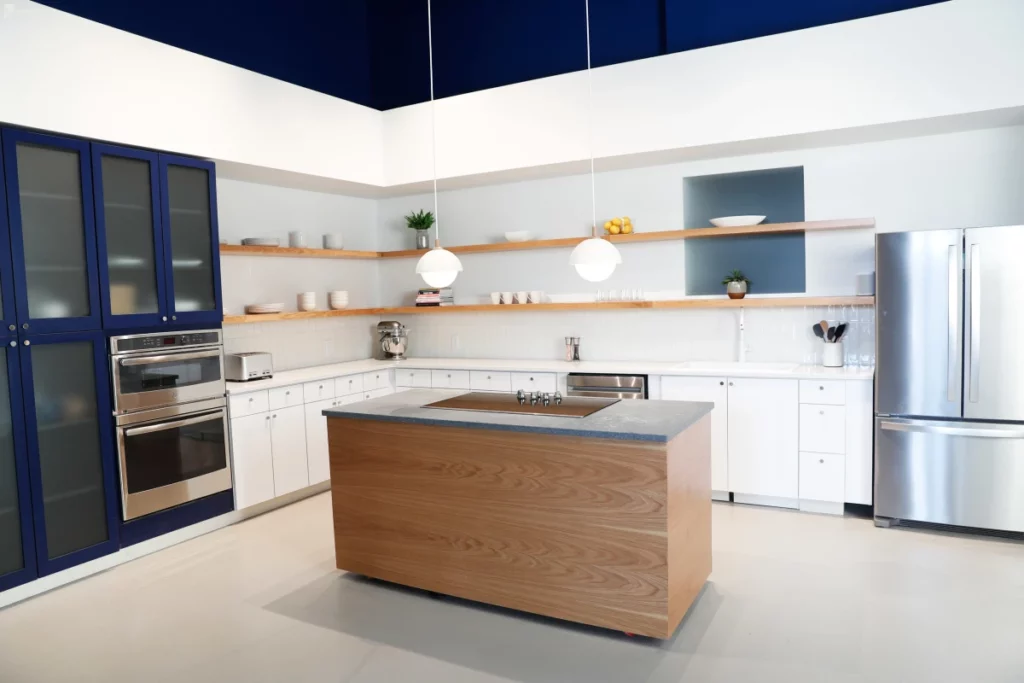
Types of commercial kitchen rentals and pricing models
Knowing the type of rental helps you estimate costs.
- Shared or incubator kitchens
- Pay by the hour. Ideal for small cooks and caterers.
- Common for pop-ups and startups.
- Commissary kitchens
- Monthly fees for storage and prep space.
- Good for food trucks and delivery businesses.
- Private leased kitchen suites
- Dedicated space and equipment.
- Higher base rent but more control.
- Short-term event kitchens
- Rent for a day or weekend.
- Useful for product launches and catering events.
How much does it cost to rent a commercial kitchen will change with the model you pick. Shared kitchens lower startup cost. Private leases require more capital but can lower per-unit costs at scale.
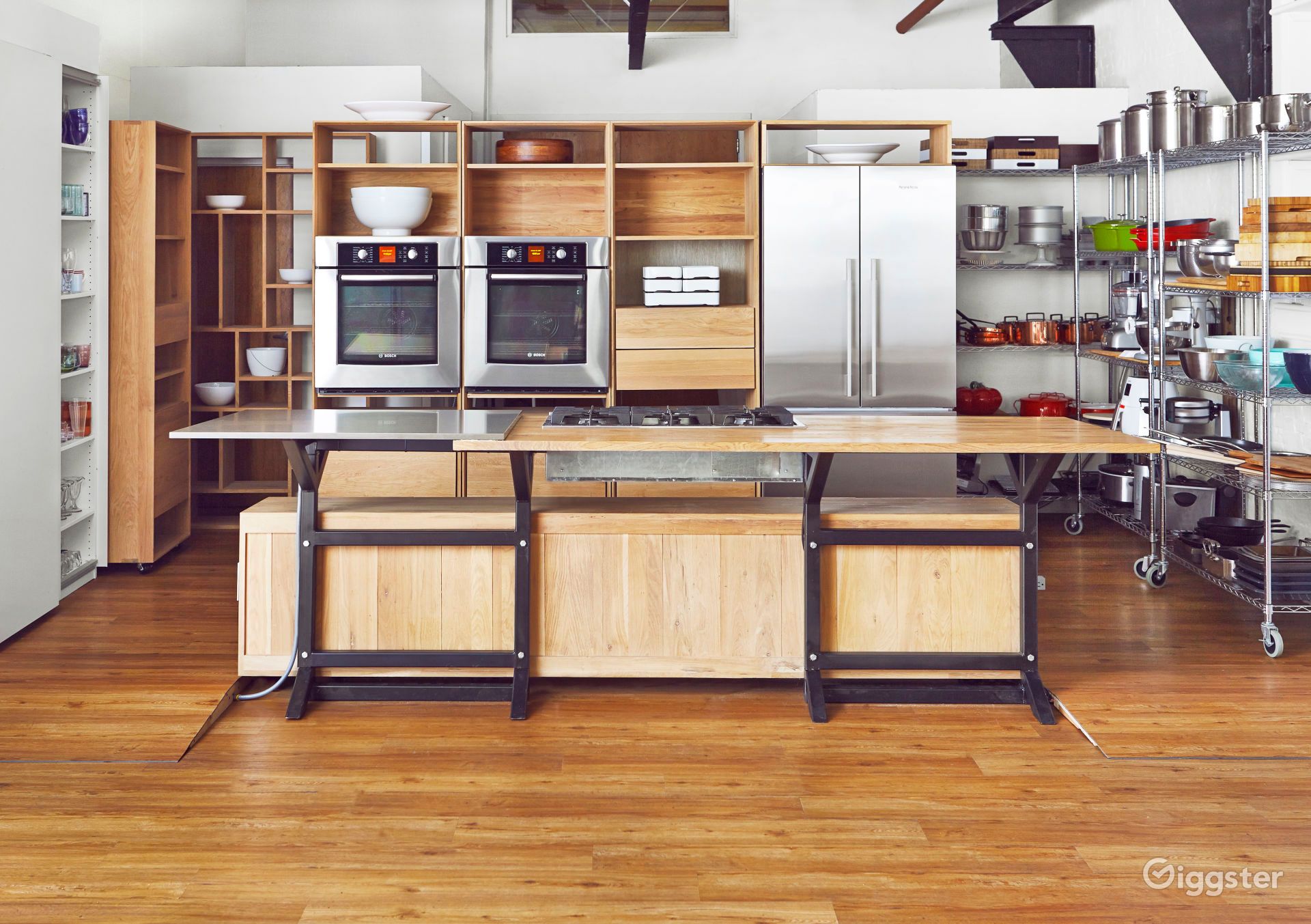
Detailed cost breakdown: what you pay for
Break costs into clear buckets. This makes budgeting easier.
- Rent or hourly fees
- The main cost. Varies widely by city and kitchen type.
- Utilities and gas
- Often extra or prorated. Heavy cooking raises bills.
- Insurance
- General liability and product liability are typical.
- Expect $300–$1,500 yearly for small operators.
- Permits and inspections
- Local health permit fees and fire inspections add costs.
- Equipment fees
- Some kitchens charge extra for ovens, fryers, or mixers.
- Storage and refrigeration
- Monthly fees for dry and cold storage.
- Clean-up and waste removal
- Some places include it; others bill separately.
- Administrative or membership fees
- Some incubators charge a membership or startup fee.
When you ask how much does it cost to rent a commercial kitchen, add these extras into your true cost per hour or per month. I always build a buffer of 10–20% for hidden costs.
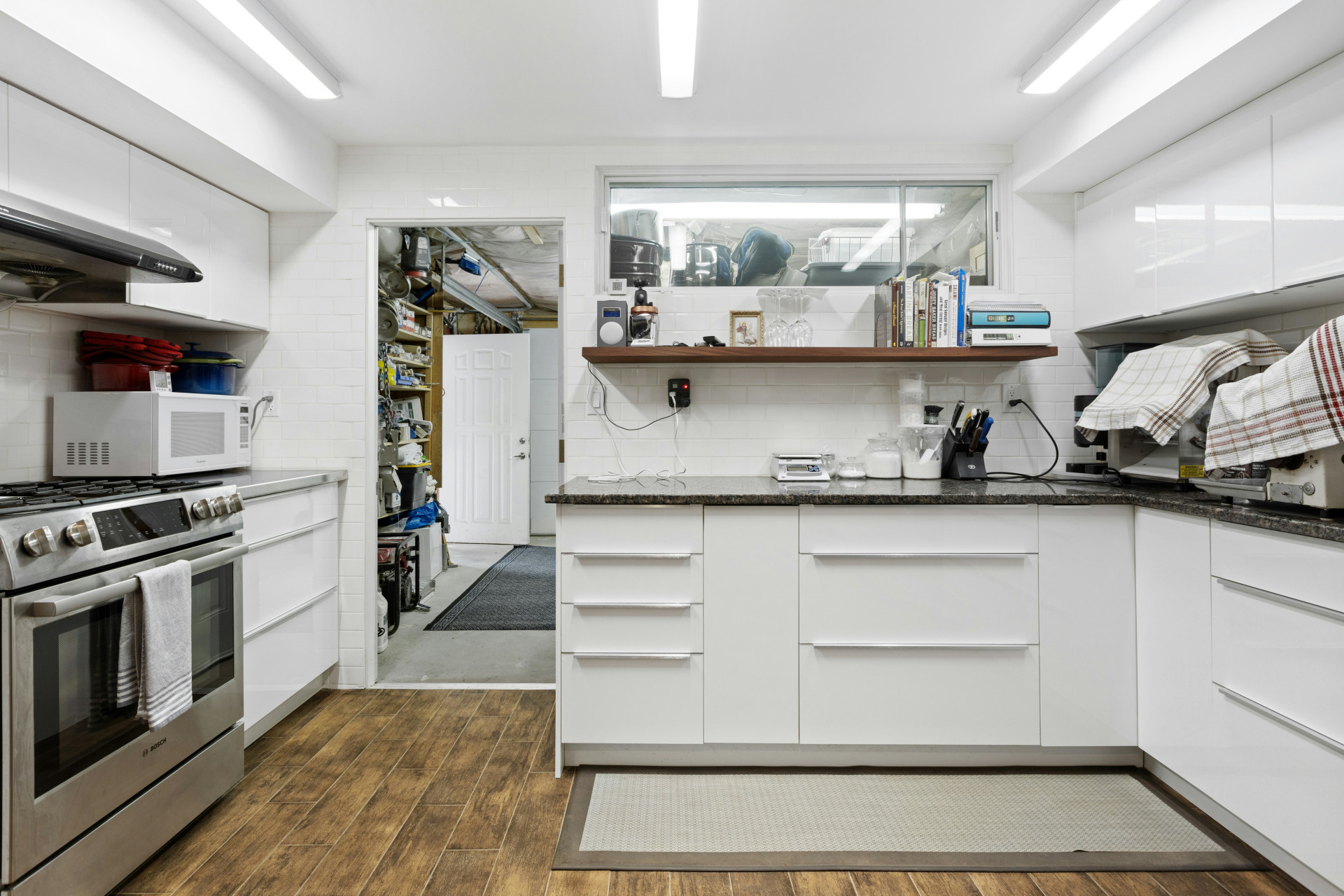
Key factors that affect price
Several factors push prices up or down.
- Location
- City center and foodie neighborhoods cost more.
- Hours of access
- 24/7 access often comes at a premium.
- Equipment quality
- New commercial ranges and ovens cost more to use.
- Shared vs private space
- Private studios raise monthly rent.
- Demand and competition
– More applicants mean higher rates. - Included services
- Cleaning, waste, and administrative help reduce hassle but add cost.
- Lease length
- Longer leases can lower monthly cost per rent terms.
If you wonder how much does it cost to rent a commercial kitchen in your city, check local listings and compare what each fee covers.

How to calculate your true hourly or per-unit cost
A simple formula helps you decide if a kitchen makes financial sense.
- Add monthly fixed costs
- Rent + insurance + storage + membership.
- Add monthly variable costs
- Utilities + supplies + extra equipment fees.
- Divide by hours you expect to use per month
- This gives a cost per hour.
- Add labor and food costs
- Use that to set menu price or catering bids.
Example:
- Monthly rent and fees: $1,200
- Monthly utilities and extras: $300
- Expected use: 60 hours per month
- Cost per hour = (1,200 + 300) / 60 = $25 per hour
This helps you know how much does it cost to rent a commercial kitchen for each recipe or batch you make.
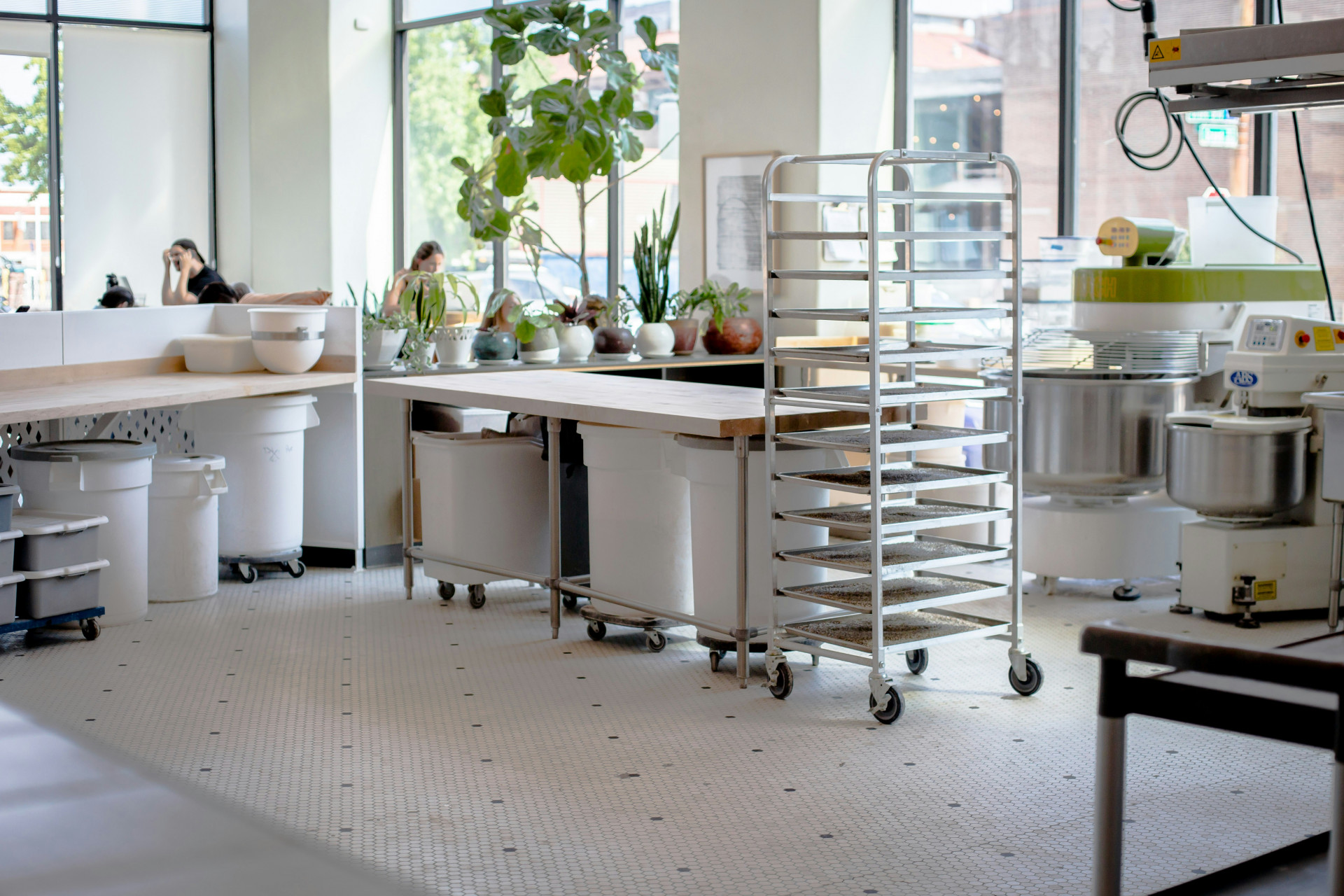
Lease vs. hourly vs. commissary: which is right for you?
Quick comparison to match your needs.
- Hourly/shared
- Pros: Low startup cost, flexible.
- Cons: Booking conflicts, limited storage.
- Monthly commissary
- Pros: Storage, consistent access for trucks.
- Cons: Higher monthly fee.
- Private lease
- Pros: Full control, brand consistency.
- Cons: Highest commitment and cost.
Think about growth. I started with hourly slots. After three months of consistent sales, moving to a monthly commissary saved me money per hour. So ask: how much does it cost to rent a commercial kitchen now versus after you scale?

Real-world tips and lessons from my experience
I’ve rented kitchens in three cities. Here are the lessons I learned.
- Book a site visit before signing
- Photos hide odd smells or cramped flow.
- Ask for a fee list in writing
- Get a full cost sheet for equipment and after-hours fees.
- Start with hourly blocks
- Reserve a set weekly time to build routine.
- Track true usage hours
- I underestimated late-night prep and paid extra.
- Negotiate a trial period
- A 30–90 day trial lowers risk.
Small mistakes cost money. Once I signed a month-to-month deal without confirmed storage. I paid for off-site refrigeration for two weeks. That added $400 to my monthly cost.

How to save money when renting a commercial kitchen
Practical steps to cut costs.
- Share storage with another vendor
- Split the cost of extra fridge space.
- Negotiate bundled hours
- Buy bulk blocks at a discount.
- Use energy-efficient equipment
- Lowers utilities long-term.
- Ask about off-peak rates
- Nights and early mornings can be cheaper.
- Build alliances with other tenants
- Share bulk supply buys and reduce unit cost.
When planning, remember the question: how much does it cost to rent a commercial kitchen? Then look for ways to lower each line item.
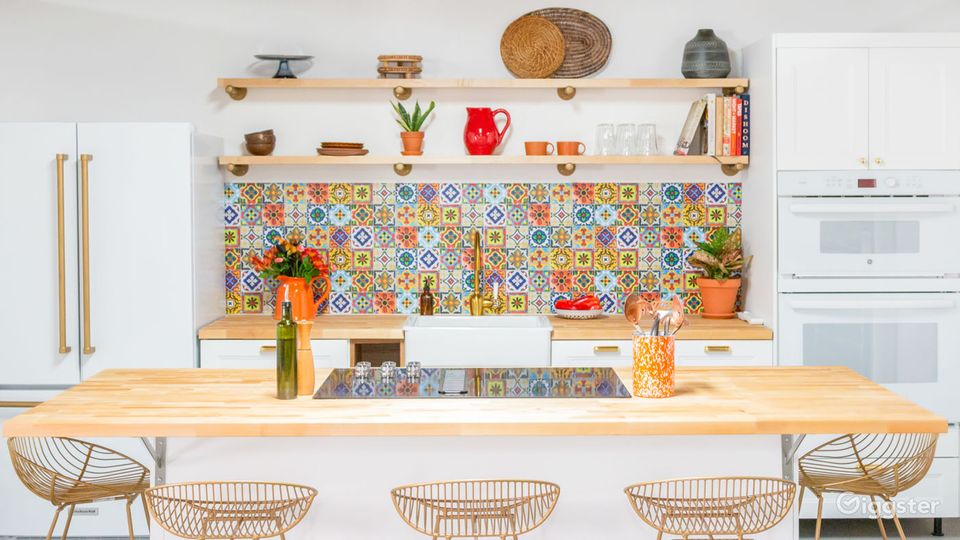
Checklist before you sign a rental agreement
Use this list at the walkthrough.
- Confirm health department compliance and inspections.
- Verify included equipment and condition.
- Get clear terms for access hours and key control.
- Ask about pest control and cleaning schedule.
- Confirm insurance minimums and who carries what.
- Request a full fee list and sample invoice.
- Check storage sizes and rates.
- Test internet and POS readiness if you sell on-site.
This checklist helped me avoid a surprise $200 monthly fee for waste removal. It’s worth the time.
PAA-style questions (People Also Ask)
- What is the cheapest way to rent a commercial kitchen?
- Hourly shared kitchens are usually the cheapest option for new cooks. They let you pay only for the time you use without long-term rent.
- Can I rent a commercial kitchen by the hour?
- Yes. Many incubator and shared kitchens offer hourly booking systems. This is common for caterers and small food producers.
- Do commercial kitchens include equipment?
- Some do and some don’t. Shared kitchens often include basics, while private leases may include or exclude major equipment. Always confirm before signing.
Frequently Asked Questions of how much does it cost to rent a commercial kitchen
How much does it cost to rent a commercial kitchen by the hour?
Hourly rates usually range from $15 to $50 per hour depending on city and equipment. Peak hours and premium kitchens lean toward the top of this range.
What monthly costs should I expect for a commissary kitchen?
Monthly commissary fees typically run $500 to $3,000 per month. Costs depend on storage needs, services, and location.
Are utilities included in kitchen rent?
Utilities are sometimes included, but many kitchens bill utilities separately or prorate them. Always ask for clarity in writing.
Do I need special insurance before I rent?
Yes. Most kitchens require general liability and product liability insurance with specific coverage limits. Expect to present proof before moving in.
Can a shared kitchen meet health department rules?
A licensed shared kitchen will meet local health rules, but you must still register your business and follow local food safety requirements. Confirm the kitchen’s certification.
Conclusion
Renting a commercial kitchen can cost from a few hundred to several thousand dollars each month. Your final price depends on location, rental model, hours, and services. Use the cost breakdown, checklist, and real tips above to make a smart choice. Start small, track true costs, and scale when your sales justify a bigger space. If you found this helpful, try comparing local listings now, subscribe for more guides, or leave a comment with your city and budget so I can share tailored tips.